
Best 15 Inch Passive Speakers in 2026: What to Check Before You Buy
Disclosure: We may earn a commission when you buy through links on this page, at no extra cost to you. As an Amazon Associate I earn from qualifying purchases. Learn more

What to check before choosing the best 15 inch passive speakers: amplifier matching, power ratings and cabinet choices.
A passive speaker has no amplifier of its own, so it relies on a separate power amplifier or mixer to drive it. The best 15 inch passive speakers suit people building a flexible sound system for a band, a DJ rig, a church or a small venue, where choosing the amplifier separately gives more control over sound and budget.
That freedom comes with homework. You need to match the speaker to the amplifier, run proper cables and understand what the power ratings mean. This guide explains the points that matter so the product table above is easier to read.

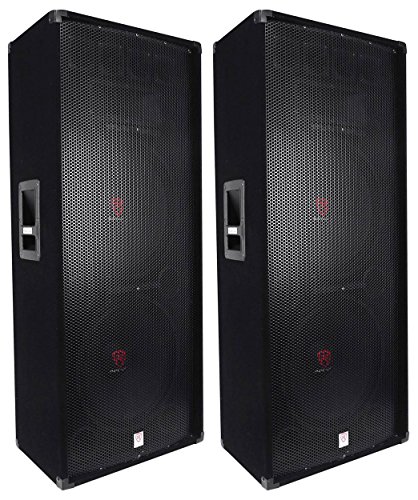
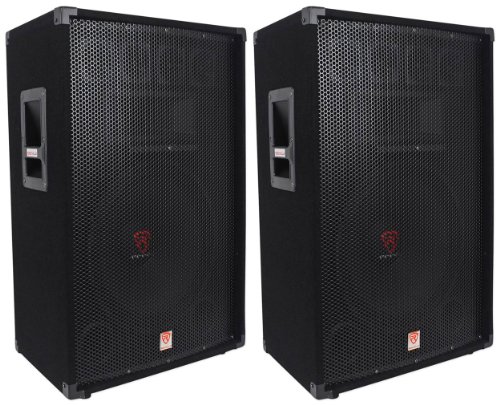
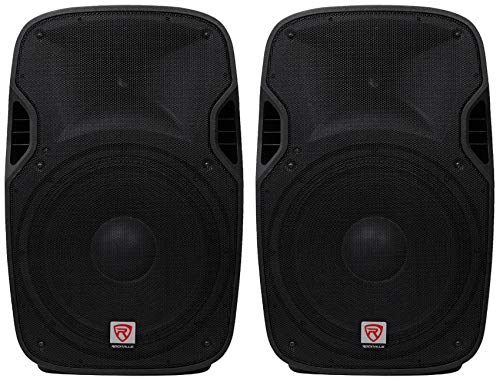

Passive Versus Powered: Which Fits Your Setup
A powered speaker has the amplifier built in and is simple: plug in power and a signal and it works. A passive speaker needs an amplifier, speaker cable and often a rack or a mixer with amplification. The advantage of passive is flexibility. You can upgrade the amplifier without replacing the speakers, use one amplifier with several cabinets and keep the weight of the speaker itself lower.
If you want simplicity and mobility, powered speakers are easier. If you already own an amplifier or want to build a larger system over time, passive makes sense.
Matching Speaker and Amplifier
The amplifier must deliver enough power for the speaker without exceeding what the speaker can handle. Look at the speaker's continuous power rating, not the peak number, and aim for an amplifier that matches or slightly exceeds it. Underpowering an amplifier and pushing it into distortion can damage speakers faster than a clean, more powerful signal.
Check the impedance as well. Most speakers list an impedance in ohms, and the amplifier must be rated to drive that load safely, especially if you connect more than one speaker.
Understanding Power Ratings
Manufacturers list continuous, program and peak power, and the numbers can differ a lot. Peak numbers are the largest and the least useful for comparison. Continuous power describes what the speaker can handle for long periods and is the number to use when sizing an amplifier.
Treat very high headline numbers with caution, since they often describe a short burst that a live performance rarely demands.
Two-Way, Three-Way and Cabinet Design
A two-way speaker pairs a 15 inch woofer with a horn or tweeter for the highs, while a three-way adds a midrange driver for clearer vocals. The cabinet matters too: wood cabinets are sturdy and sound solid, while molded plastic ones are lighter and easier to carry.
Pole mount sockets, angled monitor positions and carrying handles add practical value on stage and on location.
Cables, Connectors and Stands
Use proper speaker cable, not ordinary instrument cable, to connect passive speakers to an amplifier. Check the connectors on the speaker, which may be speakon or quarter inch, and match the amplifier outputs. A sturdy stand rated for the speaker's weight makes the system safer and sounds better by lifting the speaker toward the audience.
Where to Use a 15 Inch Passive Speaker
A 15 inch speaker handles bass and midrange well and suits bands, DJs, house parties and small venues. In a church or school hall, a pair provides even coverage. For very large spaces, you may need subwoofers and more cabinets.
Choosing an Amplifier for Passive Speakers
A power amplifier takes a line-level signal from a mixer and boosts it to drive the speakers. Look for an amplifier that lists its output at the impedance of your speakers, with a little headroom above the speaker's continuous rating. Features such as protection circuits, limiters and a cooling fan add safety, especially at events where the system runs for hours.
Some people use a powered mixer, which combines the mixer and amplifier in one box. That is a compact route for a small band, though a separate amplifier gives more flexibility for growth later.
Mistakes People Make With Passive Speakers
The most common mistake is connecting speakers to an amplifier that cannot handle their impedance, which can overheat the amplifier. Another is using thin or ordinary instrument cable, which wastes power and can fail. A third is running an underpowered amplifier hard into distortion, which damages the speaker drivers far more quickly than clean power does.
Read the manuals for both the amplifier and the speakers, and start with the volume low when you power up a new system.
Placement, Rigging and Care
Place speakers at ear height or higher, angled slightly toward the audience, and away from microphones to reduce feedback. Use stands rated for the speaker weight, secure cables and avoid stacking speakers unless the cabinets are designed for it. Store speakers in a dry place and cover them to protect the grilles.
Check the cone and surround occasionally for cracks, and keep the connectors clean. A well-maintained passive speaker can last many years and outlive several amplifiers.
Is a Pair Better Than a Single Speaker?
For stereo music or wide rooms, a pair gives even coverage and better stereo imaging. For a small band or a single-room announcement, one speaker may be enough. Buying a pair also makes it easier to use one as a monitor and the other as a main speaker when needed.
Budget, Midrange and Professional Tiers
Budget passive speakers use lighter cabinets and basic drivers and suit home use, small bands and casual events. Midrange models improve the drivers, the crossover and the cabinet, and sound clearer at higher volume. Professional models use premium drivers, rugged cabinets and precise tuning, and are built for heavy touring and installation work.
Think about how hard you will use the speakers. A weekend band does not need touring-grade gear, but speakers that are moved every week benefit from sturdy cabinets and strong corners.
For related options, see our guides to best 15 inch powered speakers, best passive speakers and best 15 inch speakers.
Frequently Asked Questions
Do passive speakers need an amplifier?
Yes. They have no built-in power and cannot work without one.
How much amplifier power do I need?
Match the speaker's continuous rating, and check the impedance.
Can I connect two speakers to one amplifier?
Often yes, but the combined impedance must suit the amplifier.
Are passive speakers better than powered ones?
They are more flexible, while powered ones are simpler.
Final Thoughts on the Best 15 Inch Passive Speakers
The best 15 inch passive speakers give you flexibility to build a system around your amplifier and room. Match the power and impedance, use proper cable and use the table above to compare current prices. Prices and availability can change, so check the product page before ordering.


