
Best Home Theater Speakers: Matching the Right Model to Your Routine
Disclosure: We may earn a commission when you buy through links on this page, at no extra cost to you. As an Amazon Associate I earn from qualifying purchases. Learn more

Soundbar systems, 5.1 speaker packages and complete home theater kits matched to apartments, movie fans, music lovers and gamers.
Great picture is only half of a movie night; sound is what makes explosions rumble, dialogue clear and music swell. But home theater audio ranges from a single soundbar to full 5.1 and Dolby Atmos speaker systems with receivers, and the right choice depends on your room, budget and how you watch. This guide to the best home theater speakers matches each type to real routines, so you get immersive sound without overspending.
The short answer: most people should choose a 5.1 soundbar system with a wireless subwoofer and real rear speakers, such as the Sony BRAVIA Theater System 6 around $800, which delivers true surround with Dolby Atmos and simple setup; budget buyers can get virtual surround from the TCL Q65H around $320, while movie enthusiasts with space should build a speaker system like the Klipsch Reference 5.1 pack around $1,300 with an AV receiver.

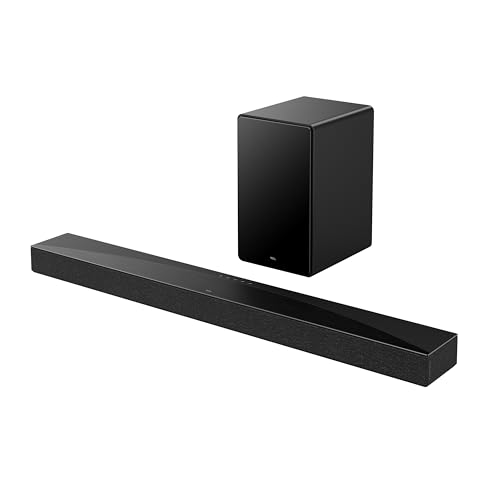
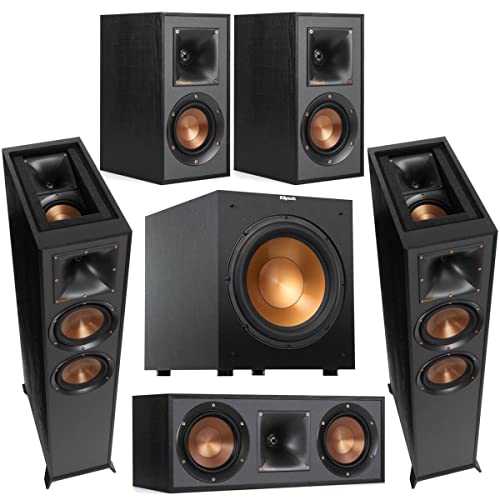


Three Systems Worth a Look
These three systems from the product table above cover the most common needs. We explain who each type suits below rather than reviewing them one by one.


Who Should Buy Which Home Theater Speakers?
For Apartments and Small Rooms
Apartment dwellers need impressive sound without rattling neighbors or filling the room with speakers. A single soundbar with virtual surround, like the TCL Q65H with side firing drivers, Dolby Atmos and AI room calibration, delivers a big upgrade over TV speakers. Look for night modes that compress loud effects and dialogue enhancement for late viewing. A compact wireless subwoofer adds bass you can control.
For Busy Families and Everyday Viewers
Families who want great sound with minimal setup should choose a complete soundbar system with wireless rear speakers and a subwoofer. The Sony BRAVIA Theater System 6 includes a center channel for clear dialogue and true rear speakers for surround effects. One HDMI eARC cable connects it to your TV, and the TV remote controls volume. These systems balance immersion and simplicity.
For Movie Enthusiasts
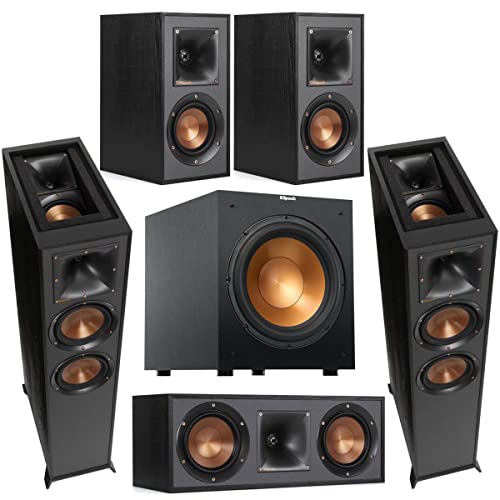
Movie lovers with dedicated rooms get the most immersive results from separate speakers powered by an AV receiver. Speaker packs like the Klipsch Reference 5.1 with Dolby Atmos floorstanding towers or the compact Klipsch Black Reference Theater Pack provide wide soundstages, powerful dynamics and room to upgrade. Complete kits like the Yamaha YHT-4950U include a receiver, five speakers and a subwoofer in one box.
For Gamers and Power Users
Gamers want precise positional audio and low latency. Soundbar systems with discrete rear speakers, like the JBL Bar 1000 with detachable surround speakers or the Samsung Q990D with 11.1.4 channels, place footsteps and gunfire around you. Look for HDMI eARC, 4K passthrough and game modes that reduce lag.
Best Home Theater Speakers for Specific Needs
Best Home Theater Speakers for Gaming: What to Prioritize
The best home theater speakers for gaming prioritize three things: discrete surround speakers for accurate positioning, Dolby Atmos height channels for vertical effects and low latency connections. Check for HDMI 2.1 passthrough or eARC compatibility with your console and TV. The Samsung Q990D offers a dedicated game mode and 11.1.4 channels, making it a strong pick for immersive console gaming.
Music and Movies
If you listen to music as much as you watch movies, separate speakers usually sound more natural. Pair Polk Monitor XT15 bookshelf speakers or Klipsch towers with a receiver for stereo music and full surround for films.
Key Features to Compare
Channels and Surround Format
Channel numbers describe speaker layout. A 2.1 system has left, right and a subwoofer; 5.1 adds a center channel and two surrounds; 7.1 adds rear surrounds; and Atmos layouts like 5.1.2 or 7.1.4 add height channels for overhead sound. True rear speakers create more convincing surround than virtual processing. Dolby Atmos and DTS:X support ensures you get the full immersive mix from streaming services and Blu rays.
Sound Quality and Tuning
Good home theater sound has clear dialogue, smooth highs and deep, controlled bass. A dedicated center channel, like the one in the Sony BRAVIA Theater System 6 and Klipsch Reference R-52C, makes voices easy to understand. Horn loaded tweeters, like Klipsch's Tractrix design, deliver high efficiency and dynamic sound. Subwoofer size affects bass depth; 10 to 12 inch subwoofers fill most living rooms.
Ecosystem and App Features
Companion apps from Sony, TCL, JBL and Samsung adjust EQ, room calibration and surround levels. Room correction, like Yamaha YPAO and TCL's AI Sonic optimization, tunes sound to your space. TV integration, such as Sony BRAVIA and Samsung Q-Symphony, lets the TV and soundbar work together. Bluetooth and Wi Fi streaming make music playback easy.
Placement and Room Size
Room size determines how much power and how many speakers you need. Small rooms under about 200 square feet sound great with a soundbar and subwoofer. Medium living rooms benefit from 5.1 systems. Large rooms and dedicated theaters need floorstanding speakers or larger subwoofers. Place the center channel at ear level near the screen, surrounds slightly behind the seating area and the subwoofer near a wall for stronger bass.
Setup and Connectivity
Soundbar systems connect with a single HDMI eARC cable and pair wireless subwoofers and rears automatically. Speaker packages need an AV receiver, speaker wire and more setup time but offer more flexibility. Check that your TV supports eARC for lossless Dolby Atmos. Receivers like the one in the Yamaha YHT-4950U include multiple HDMI inputs for consoles and streaming boxes.
Soundbar Systems vs Speaker Packages
Soundbar systems are compact, easy to install and controlled by your TV remote, making them ideal for most living rooms. Speaker packages with an AV receiver take more space and setup but deliver wider soundstages, better music performance and the ability to upgrade individual speakers over time. Choose a soundbar system for convenience and a speaker package for maximum performance.
Common Mistakes to Avoid When Buying Home Theater Speakers
- Ignoring the center channel: dialogue clarity depends on it; choose a system with a dedicated center.
- Oversizing for the room: huge towers in a small room sound boomy and crowded.
- Forgetting the receiver: passive speaker packs, like Klipsch theater packs, need an AV receiver to work.
- Skipping room calibration: run auto setup to balance levels and delays.
- Using ARC instead of eARC for Atmos: older ARC connections limit lossless surround formats.
Setting Up Your Speakers for the Best Sound
- Place the front speakers: position left and right speakers at equal distances from the screen, angled toward the main seat.
- Center the dialogue: put the center channel directly above or below the screen, tilted toward ear level.
- Position surrounds: place surround speakers beside or slightly behind your seating, about two feet above ear height.
- Find the subwoofer spot: try the sub near a front wall or corner, then move it a few feet to find the smoothest bass.
- Run calibration: use the receiver or soundbar microphone setup, such as Yamaha YPAO, to balance levels and timing.
- Fine tune: raise the center channel slightly if dialogue sounds quiet.
How Much Should You Spend?
Under around $350, soundbars like the TCL Q65H offer virtual 5.1 and Dolby Atmos. From $500 to $800, complete systems like the Yamaha YHT-4950U, Klipsch Black Reference Theater Pack, JBL Bar 1000 and Sony BRAVIA Theater System 6 deliver true surround. Above $1,000, premium options like the Samsung Q990D and Klipsch Reference 5.1 pack with Atmos towers create cinema level immersion.
How to Make Your Home Theater Speakers Last Longer
- Avoid clipping: distorted sound at high volume can damage tweeters.
- Keep firmware updated: soundbar updates add features and fix connectivity issues.
- Dust grilles regularly: use a soft brush or microfiber cloth.
- Use surge protection: protect receivers and subwoofers from power spikes.
- Give equipment airflow: receivers and subwoofers need space to stay cool.
Home Theater Speakers: Your Questions Answered
Do I need a special codec?
Do I need a special codec? For home theater, the important formats are Dolby Atmos, Dolby Digital, DTS and DTS:X, not Bluetooth codecs. Make sure your speakers and TV support the formats your streaming services and discs use, and connect through HDMI eARC for the best quality.
What IP rating do I need for outdoor use?
What IP rating do I need for outdoor use? Home theater speakers are designed for indoor use and usually have no IP rating. For a covered patio or backyard movie setup, choose dedicated outdoor speakers rated IPX5 or higher, or bring portable speakers indoors after use.
How long do home theater speakers last?
How long do home theater speakers last? Quality passive speakers often last 15 to 20 years or more. Soundbars and receivers usually last 7 to 10 years because their electronics age. Klipsch backs its Reference speakers with a 5 year limited warranty.
Are wireless rear speakers worth it?
Are wireless rear speakers worth it? Yes, wireless rear speakers are worth it for most living rooms, because they deliver real surround without running speaker wire across the room. They still need power outlets, so plan placement near outlets.
Wired or wireless: which sounds better?
Wired or wireless: which sounds better? Wired speaker systems powered by a receiver usually sound better and offer more upgrade options. Wireless soundbar systems are close in quality for movies and far easier to install. Choose wired for dedicated theaters and wireless for convenience.
Do I need a separate subwoofer?
Do I need a separate subwoofer? Yes, a subwoofer makes a big difference for movies, adding the deep rumble of explosions and music that small speakers cannot reproduce. Most soundbar systems include one, while speaker packs like the Klipsch Black Reference Theater Pack include a wireless sub.
Can I add speakers later?
Can I add speakers later? It depends on the system. AV receivers let you add or upgrade speakers anytime, such as adding Atmos height speakers. Many soundbars, including some JBL and Samsung models, support optional rear speakers or subwoofers from the same brand, so check compatibility before you buy.
Final Thoughts
Choosing home theater audio comes down to three things: the size of your room, how much setup you are willing to do and whether you want true or virtual surround. The Sony BRAVIA Theater System 6 is the best all round choice, the TCL Q65H offers great value for small spaces and the Klipsch Reference 5.1 pack delivers premium cinema sound. Compare the best home theater speakers in the product table above to bring the theater home.


