
Best 15 Inch Speakers in 2026: A Practical Buyer's Guide
Disclosure: We may earn a commission when you buy through links on this page, at no extra cost to you. As an Amazon Associate I earn from qualifying purchases. Learn more

What to check before choosing the best 15 inch speakers: powered or passive, power ratings and build for live sound.
A 15 inch speaker is the workhorse size of live sound: big enough for solid bass, small enough to carry, and common in PA systems, DJ rigs and band setups. The best 15 inch speakers deliver clear sound at party volume, survive transport and fit the way you play or present.
The category includes powered and passive models, portable systems and subwoofer-style cabinets, so choosing starts with the type that fits your use. This guide walks through those decisions so the product table above makes sense.
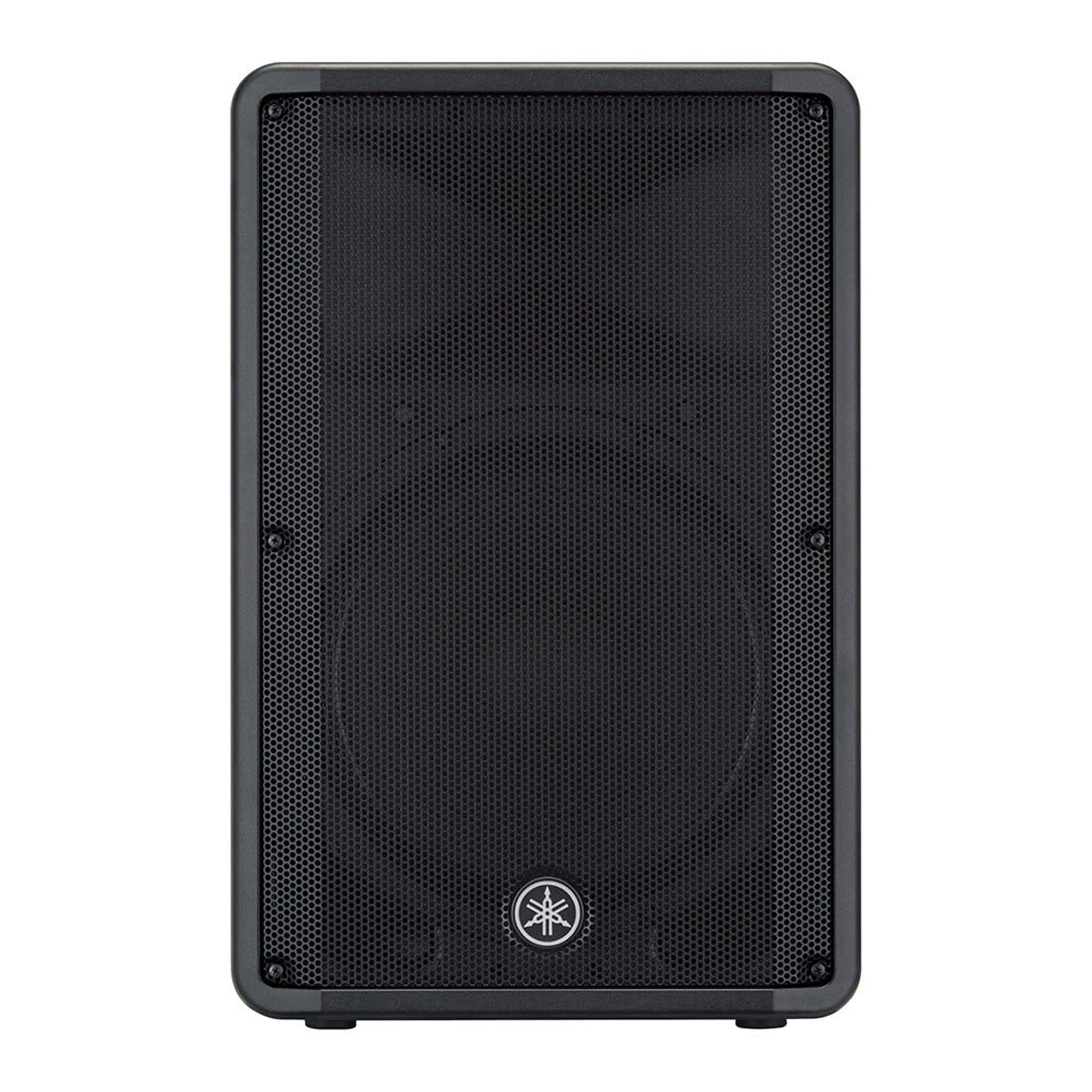

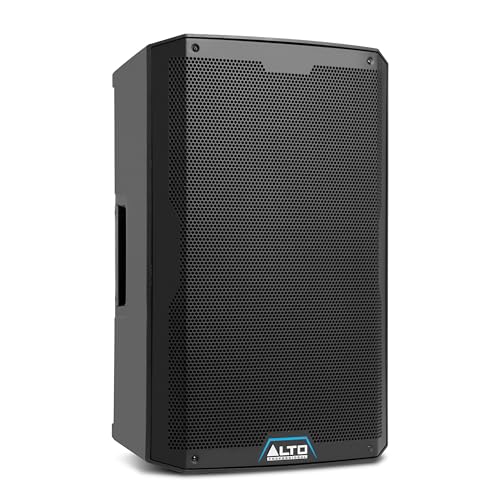

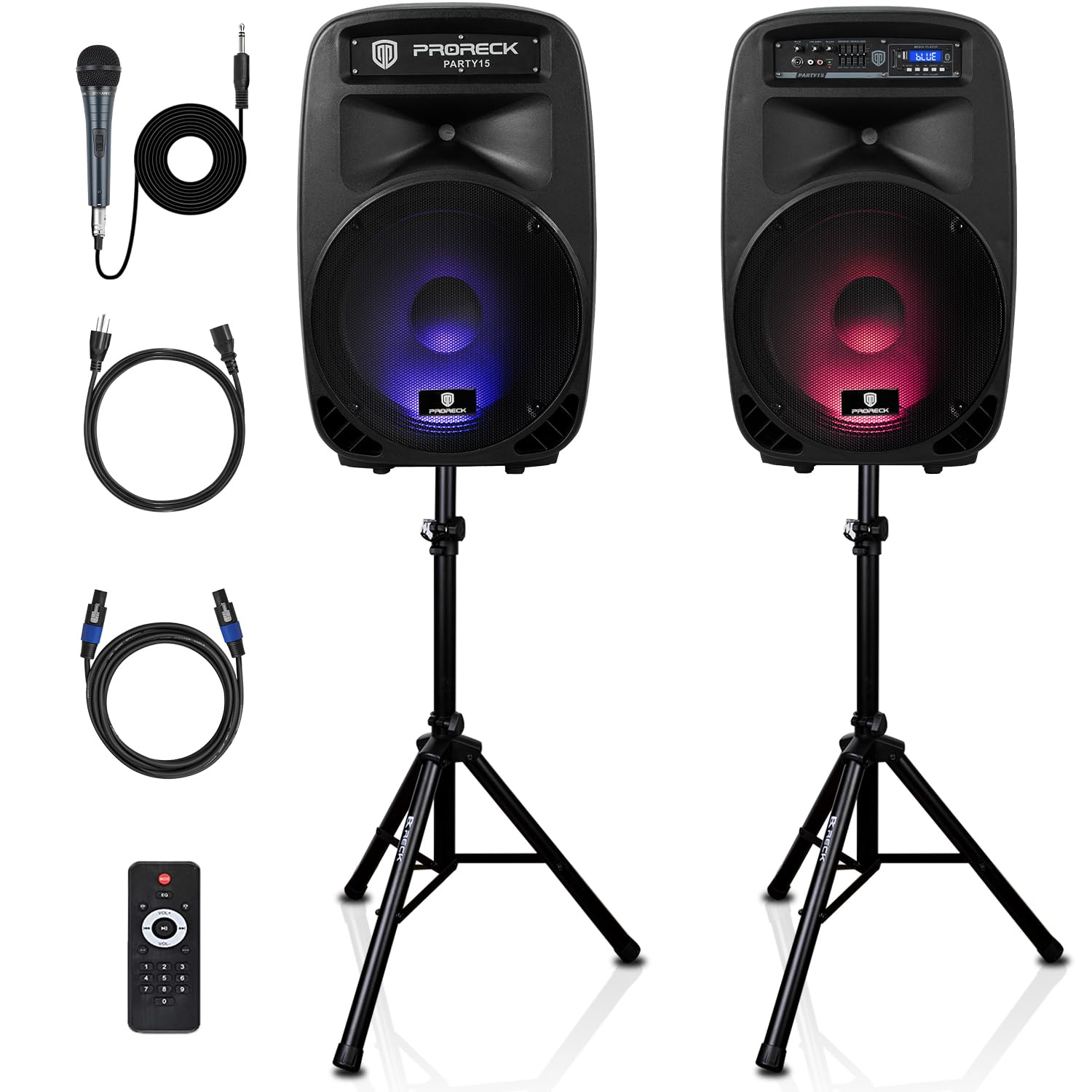
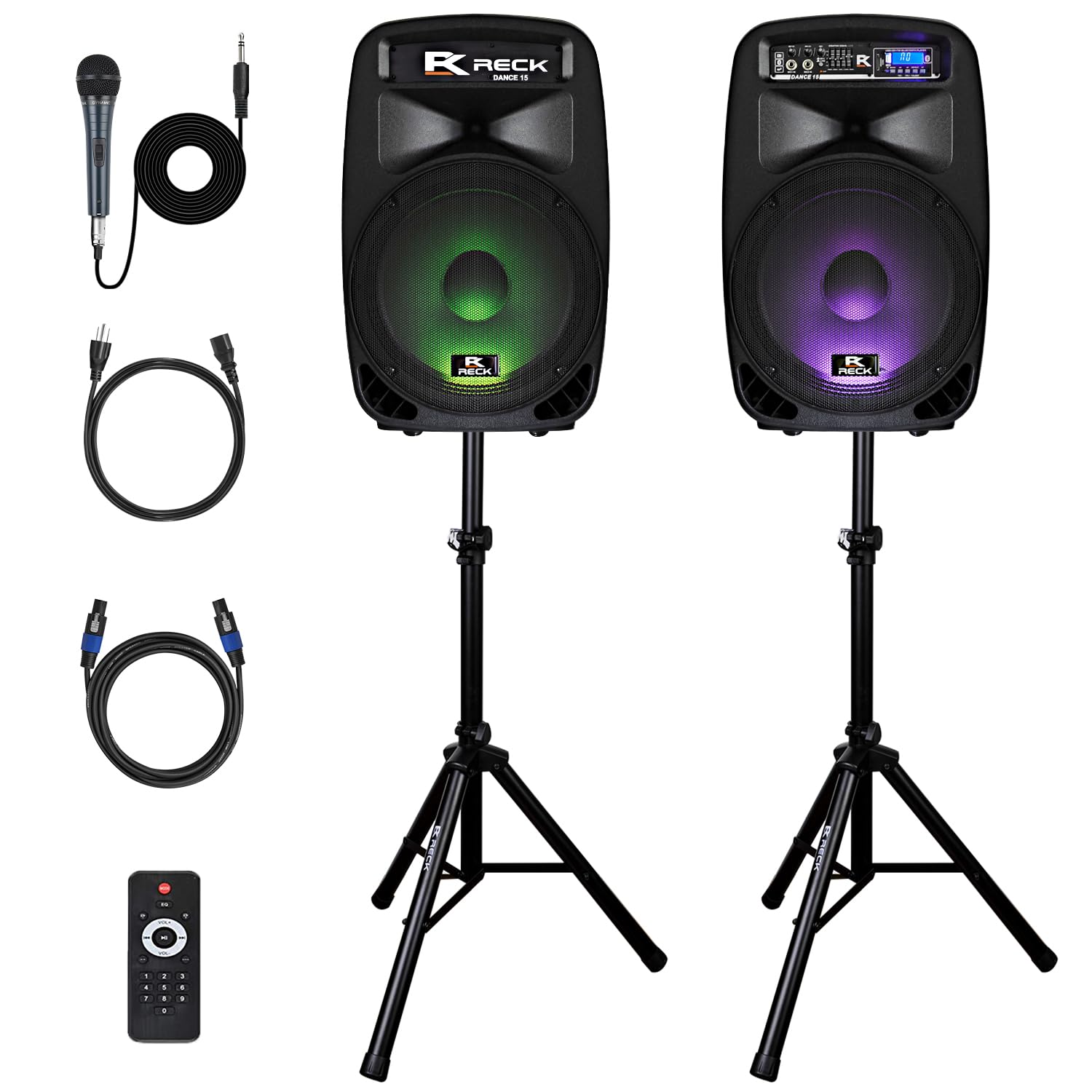


Where 15 Inches Fits in the Speaker Range
Eight and ten inch speakers are lighter and clearer for speech, while twelve inch models are popular all-rounders. Fifteen inch cabinets move more air, giving stronger bass and a fuller sound, which suits music more than speech. Eighteen inch cabinets are usually subwoofers for deep bass.
If you play music, DJ or perform with a band, 15 inches gives a strong balance of low end and volume.
Powered or Passive?
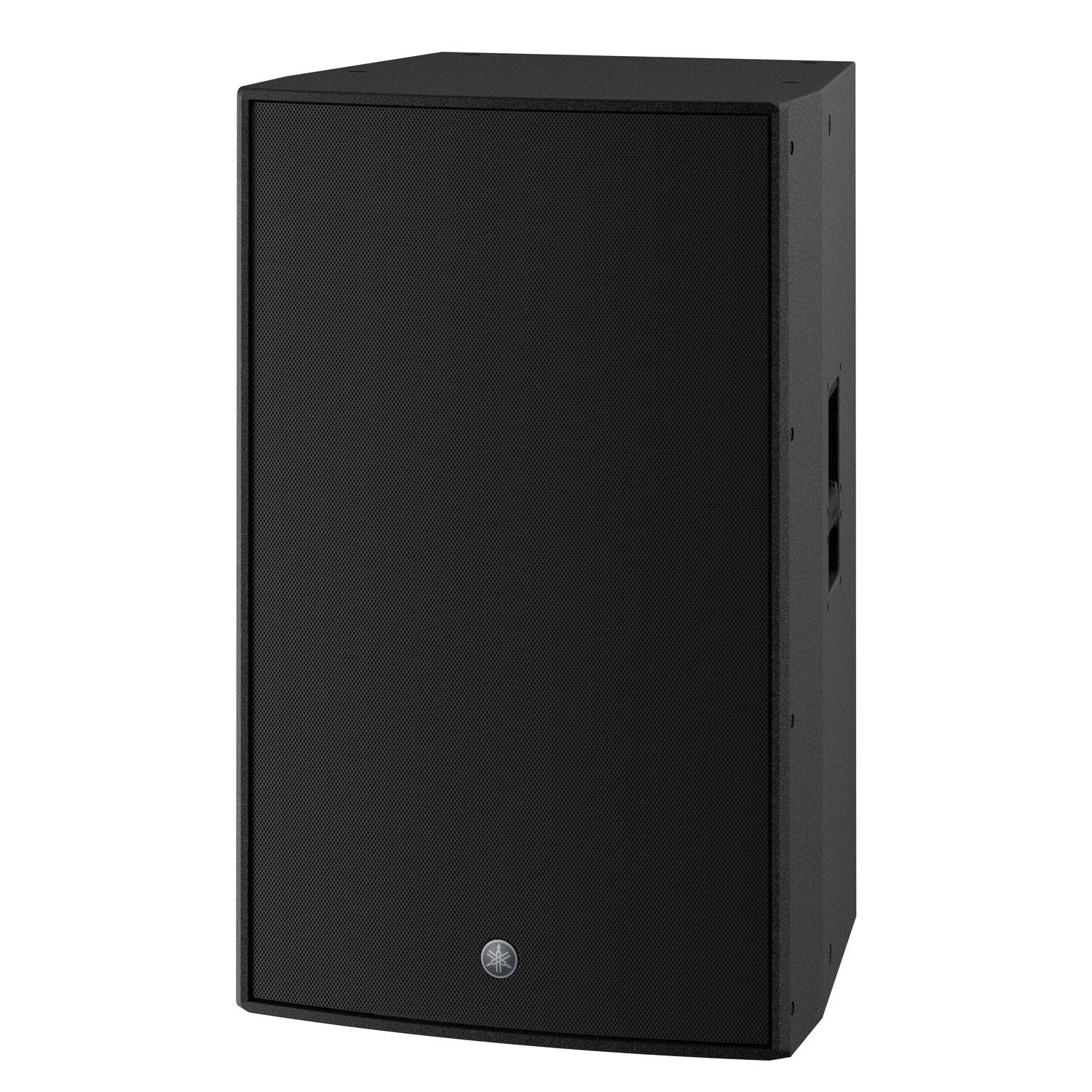
Powered speakers have a built-in amplifier and are simple to use. Passive speakers need a separate amplifier, which adds flexibility and lowers cabinet weight. For most casual users, powered speakers are easier. For fixed installs or larger systems, passive can be more flexible.
Consider where you will use the speaker and how often you move it. A powered speaker is the right choice for events, while passive makes sense for a permanent rig.
What the Power Rating Means
Many listings quote peak power numbers that look huge. Continuous power is a better guide to what the speaker can handle for long periods. Do not compare models on peak power alone, and read buyer comments about real-world loudness and clarity.
Sound Quality and Drivers
A good 15 inch speaker pairs a robust woofer with a clear horn or tweeter. Look for descriptions of clear vocals and tight bass, and for a frequency range that covers the music you play. A two-way speaker is the standard, and three-way designs add midrange detail.
Cabinet Material and Build
Wood cabinets are heavy but sturdy and sound solid. Molded plastic cabinets are lighter and often cheaper, and are easy to carry. Metal grilles protect the drivers, and corner protectors extend life. Check handles and pole mounts for comfort and safety.
Connections and Features
- Microphone and line inputs for a small mixer setup.
- Bluetooth for streaming music from a phone.
- A link output to add a second speaker.
- A pole mount socket for use on a stand.
Placement and Safety
Place speakers on a sturdy stand or a stable surface, with the horn at ear height for the audience. Keep microphones behind the speakers to reduce feedback. Check the weight rating of stands and avoid placing speakers on unstable furniture.
Choosing Between Portable Systems and Single Cabinets
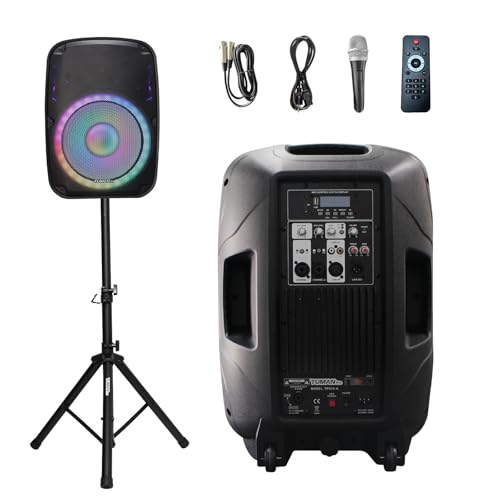
Some 15 inch speakers are sold as complete portable systems with a mixer, microphones and a stand, and others are single cabinets. The complete systems are convenient for beginners and one-off events. Single cabinets suit people who already own a mixer or want to choose their own accessories.
Think about what you already have and what you need to buy. A package that includes a stand and microphone can save time, but check the quality of the extras.
Mistakes People Make With Large Speakers
A common mistake is buying a speaker that is too big for the room, then having to run it quietly so the sound is thin and the bass is wasted. Another is ignoring placement: a speaker on the floor or in a corner sounds boomy, while one at ear height sounds clearer. A third is skipping the stand and balancing the speaker on a table, which is unsafe.
Choose a size that suits the venue, use a stand rated for the weight and keep microphones away from the front of the speaker.
Home Use and Neighbors
A 15 inch speaker can fill a house with sound and annoy the neighbors just as easily. If you use it at home, keep the volume sensible, place the speaker away from shared walls and avoid placing it directly on the floor, which transmits bass through the building. Foam or rubber isolation pads help reduce vibration.
Care and Maintenance
Store speakers in a dry place, keep them covered during transport and clean the grilles with a soft brush. Check cables and connectors regularly, and do not play at maximum volume for long periods, which can damage the drivers. If the speaker has a built-in amplifier, keep the vents clear.
A little routine care keeps the speaker sounding good and lasting longer.
Budget, Midrange and Professional Choices
Budget 15 inch speakers deliver volume for parties and casual events. Midrange models improve clarity and build, and suit working bands and DJs. Professional models focus on rugged construction, precise sound and reliability under heavy use. The right tier depends on how often you use the speaker and how much the sound quality matters.
If you are unsure, a midrange model with good buyer comments is a safe pick. It balances price, sound and durability for most users.
Checking the Speaker When It Arrives
Play familiar music at a low level, raise the volume gradually and listen for hum, distortion or rattles. Check that every input and control works, look at the cabinet for shipping damage and keep the packaging until you are sure of your choice. If something sounds wrong, report it to the seller quickly.
Related reading: best 15 inch powered speakers and best 15 inch passive speakers.
Frequently Asked Questions
Is 15 inches too big for a small room?
It can be loud, but volume controls make it manageable.
Do I need a subwoofer with 15 inch speakers?
For most events, no. For heavy bass music at large events, yes.
Powered or passive?
Powered is easier. Passive offers flexibility.
Can I use it at home?
Yes, with a mixer or a streaming source, though it is built for events.
Final Thoughts on the Best 15 Inch Speakers
The best 15 inch speakers deliver strong bass, clear highs and a build that survives transport. Choose powered or passive for your use, check the inputs and use the table above to compare current prices. Prices and availability can change, so check the product page before ordering.


