
Best 15 Inch Powered Speakers in 2026: How to Choose
Disclosure: We may earn a commission when you buy through links on this page, at no extra cost to you. As an Amazon Associate I earn from qualifying purchases. Learn more

What to check before choosing the best 15 inch powered speakers: power ratings, inputs, weight and placement.
A powered 15 inch speaker is the easiest way to get serious sound: an amplifier, a woofer and a horn in one cabinet, ready to run from a mixer, a laptop or a microphone. The best 15 inch powered speakers are built for bands, DJs, house parties, churches and small venues that want loud, clean sound without a rack of separate gear.
The category is full of big numbers and confusing claims. This guide explains what matters in a powered speaker, from power ratings to inputs and weight, so you can read the product table above with confidence.
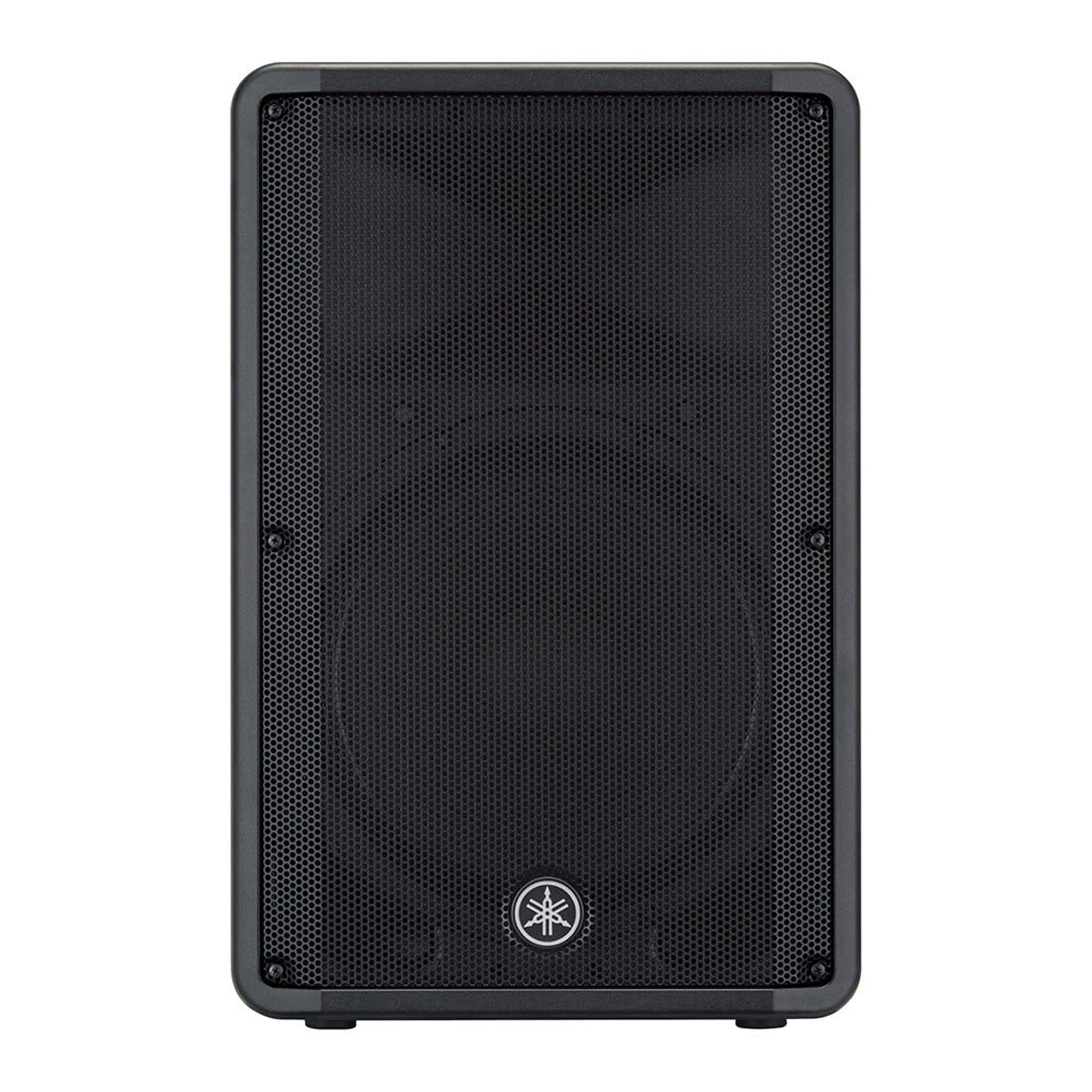

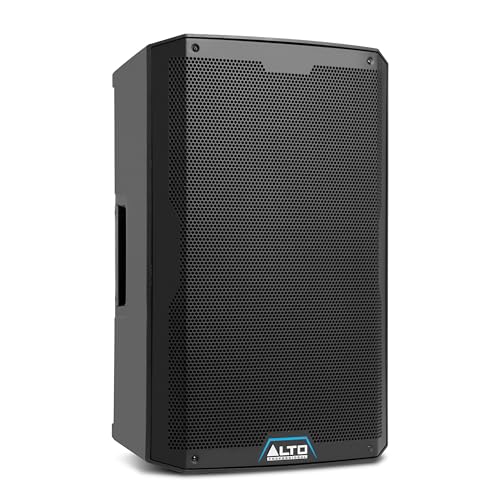

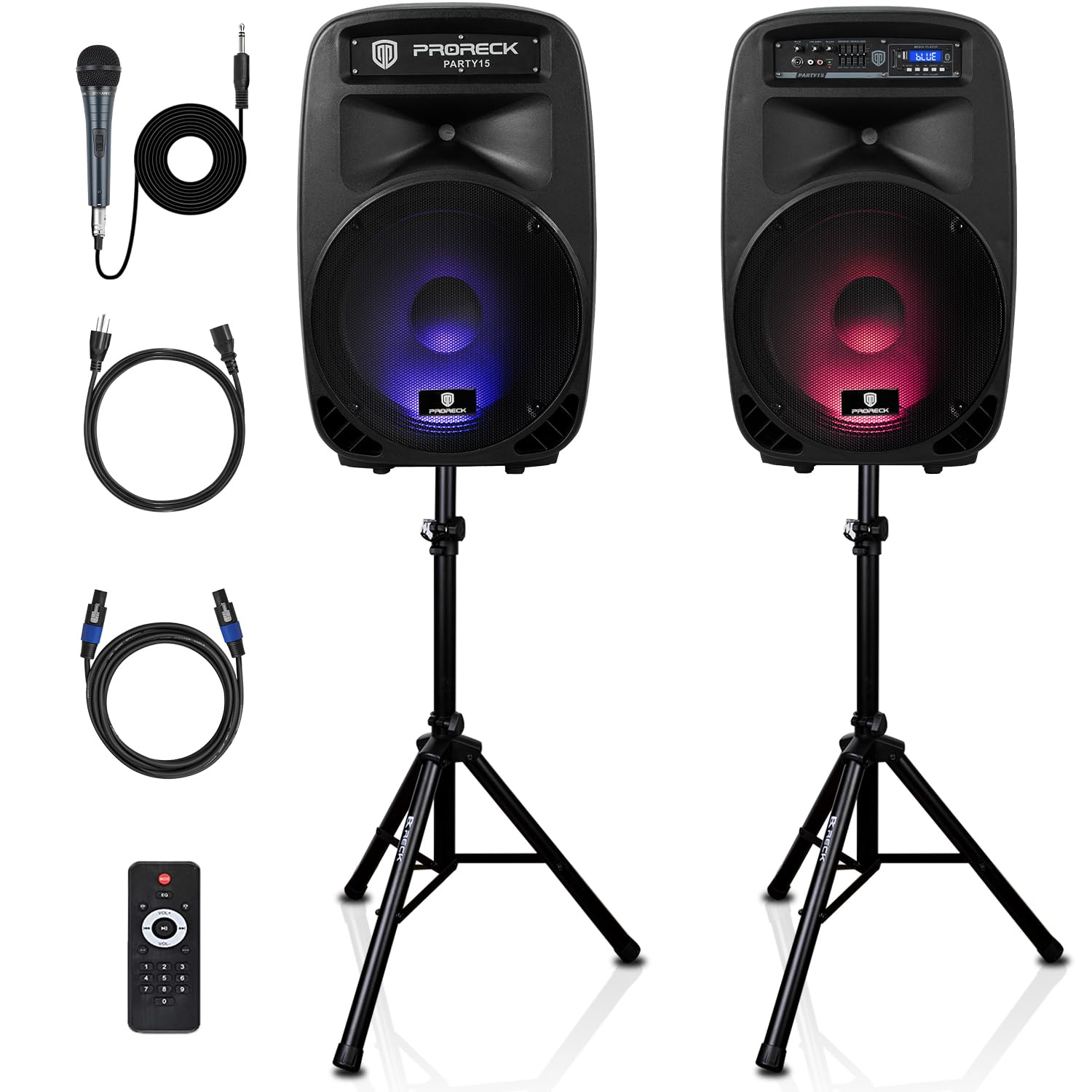
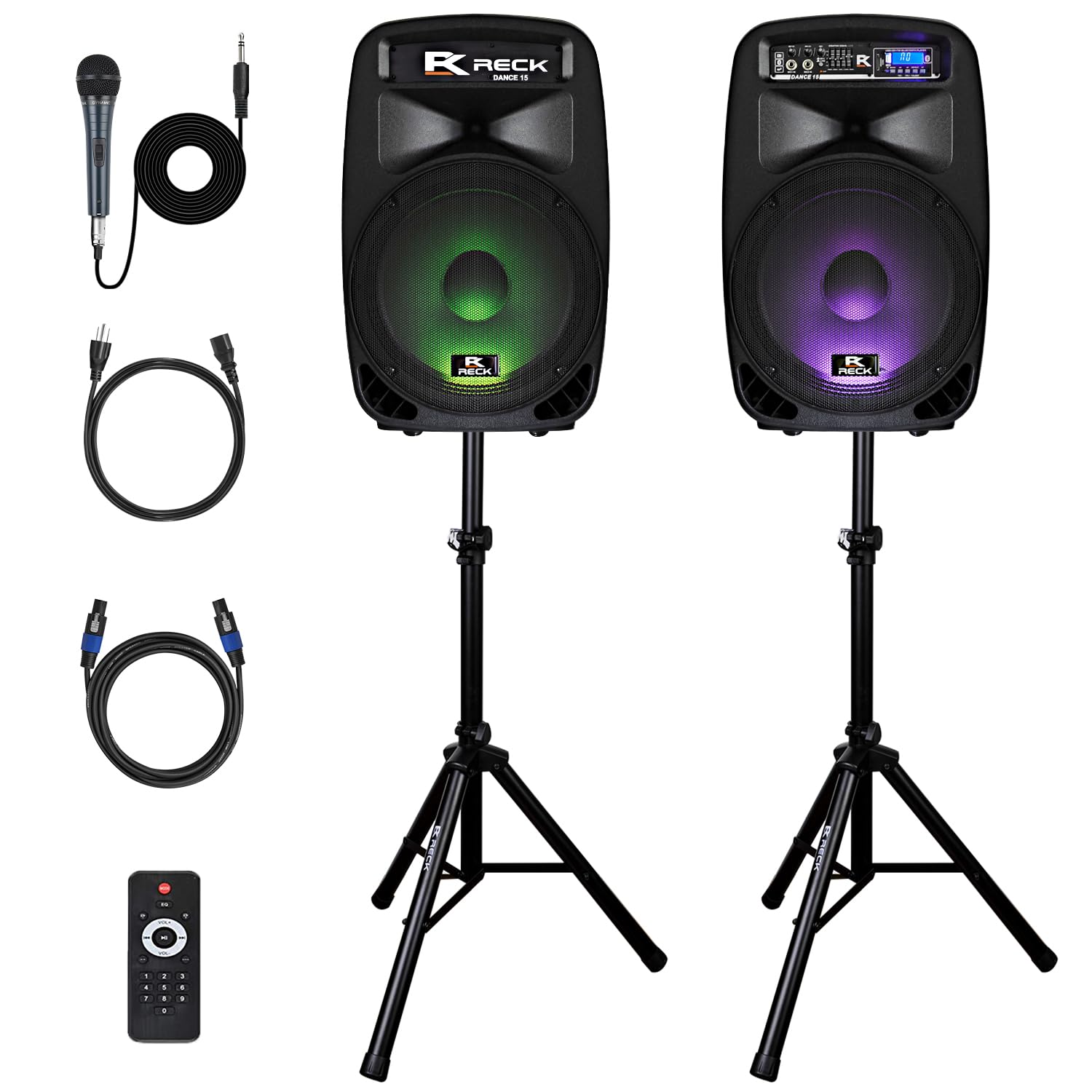


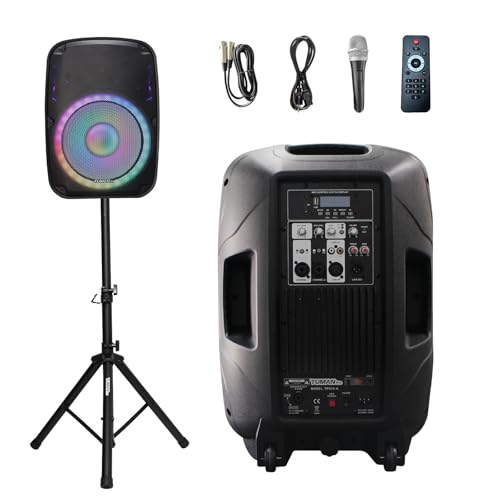

What Powered Means and Why It Helps
Powered, or active, speakers include their own amplifier. That removes the need to match power and impedance, and the manufacturer tunes the amplifier to the drivers in the cabinet. You plug in power and a signal and the speaker works, which simplifies setup for events and small stages.
The trade-off is weight, since the amplifier is inside the cabinet, and you must provide mains power at the speaker position.
Reading the Power Numbers
Power ratings in this category are often inflated, with peak figures and marketing terms that mean little. Look for continuous or program power where the listing provides it, and read buyer comments on real-world loudness. A 15 inch speaker with a clean amplifier and good drivers often sounds better than a louder-looking model with a weak design.
Think about the room. A small hall or a backyard party does not need huge power, and extra headroom is more important than headline numbers.
Inputs, Mixer and Bluetooth Features
Many powered speakers include a built-in mixer with microphone and instrument inputs, so one cabinet can run a small show. Bluetooth lets you stream music from a phone, and some models add an app for equalizer control. Look for balanced inputs and a thru or link output to connect a second speaker.
Check that the inputs match your gear. A speaker with two microphone inputs and an instrument input suits a small band, while one with a single line input suits playing music from a laptop.
Sound Quality and Tuning
A 15 inch woofer gives strong bass and midrange, and a horn handles the highs. Some models include digital processing, with tuning modes for music, speech and monitoring. Buyer comments about clarity and bass response are the best guide to real sound.
If you plan to use the speaker mainly for speech, such as in a classroom, look for clarity and a mode that reduces boominess.
Weight, Handles and Portability
A powered 15 inch speaker can weigh as much as a heavy suitcase. Look for comfortable handles, a molded or lightweight cabinet if you move it often and a pole socket for stand mounting. Wheels are rare but useful for frequent transport.
Stands, Cables and Safety
Use a sturdy stand rated for the speaker weight, and place cables so nobody trips over them. Position the speaker in front of microphones to reduce feedback, and keep vents clear to avoid overheating. Turn the speaker on last and off first to avoid pops.
Using a Powered Speaker at Home, in a Band or for Events
At home, a powered 15 inch speaker works for parties, karaoke and music practice, though it is meant for bigger volumes than most living rooms need. For a band, one speaker on a stand can handle vocals and a keyboard in a small room. For events, a pair on stands covers a larger audience, and a subwoofer adds bass for dance music.
Match the speaker to the audience size and the venue. A small cafe needs far less power than an outdoor party, and a speaker that is too loud for the room causes feedback and listener fatigue.
Mistakes People Make With Powered Speakers
A common mistake is buying on the biggest power number and ignoring the quality of the drivers and the amplifier. Another is placing the speaker behind the microphone, which causes howling feedback. A third is overloading the input with a hot signal, which clips the amplifier and distorts the sound.
Set the gain on the source low, raise it slowly and keep microphones behind the front of the speakers.
Looking After a Powered Speaker
Keep the vents on the back clear, avoid leaving the speaker in the sun or rain and use a cover for transport. Disconnect cables carefully, store the speaker upright and check the power cable for damage. If you hear a hum, try a different power outlet or a ground lift on the audio cable.
Clean the grille with a soft brush and wipe the cabinet with a slightly damp cloth.
Power, Cables and Extension Cords
Powered speakers need mains power at each cabinet, so plan the placement of cables and outlets. Use extension cords rated for the load, and avoid daisy-chaining several speakers on one thin cord. For outdoor events, use weatherproof connections and keep cables off wet ground.
A small power strip with surge protection protects the amplifier and keeps the setup tidy.
Budget Versus Professional Powered Speakers
Budget powered speakers offer plenty of volume and basic inputs for parties, karaoke and casual use. Professional models tune the amplifier and drivers more carefully, offer cleaner sound at high volume and include more rugged cabinets and better inputs. The extra cost is worth it if you perform often or move the speaker weekly.
For home use and occasional events, a budget model with good buyer comments is usually enough. Spend more only when sound quality and durability become important to you.
Checking the Speaker When It Arrives
Plug the speaker in and play music at a low volume, then raise it slowly. Listen for hum, crackles or distortion at moderate volume, and check that every input and knob works. Look over the cabinet and grille for damage from shipping, and keep the packaging until you are sure of your choice.
You may also find our guides to best 12 inch powered speakers and best 15 inch passive speakers useful.
Frequently Asked Questions
Are powered speakers louder than passive ones?
Not necessarily. Loudness depends on the amplifier and drivers, and powered speakers are simply easier to set up.
Can I use one for karaoke?
Yes, if it has a microphone input or you use a mixer.
Do I need a subwoofer?
For deep bass at large events, yes. For small rooms, a 15 inch speaker often suffices.
How do I stop feedback?
Keep microphones behind the speakers and lower the gain.
Final Thoughts on the Best 15 Inch Powered Speakers
The best 15 inch powered speakers pair a clean amplifier with good drivers and the inputs your gear needs. Check the weight, think about the room and use the table above to compare current prices. Prices and availability can change, so check the product page before ordering.


