
The Best Ear Monitors: Buying Guide and Top Picks
Disclosure: We may earn a commission when you buy through links on this page, at no extra cost to you. As an Amazon Associate I earn from qualifying purchases. Learn more

How to choose in ear monitors for musicians and listeners: dynamic vs hybrid drivers, fit, isolation, cables and wireless systems, plus three picks.
In ear monitors, often called IEMs, started as tools for musicians who needed to hear themselves clearly on loud stages, and they have become a favorite of audiophiles, gamers and commuters who want detailed sound and strong noise isolation. But driver types, fit and cable options vary widely, from $20 budget gems to multi driver flagships. This guide to the best ear monitors explains what matters, which features to skip and which picks deliver the best sound for your money.
The short answer: most people should choose wired in ear monitors with a secure over ear fit, good passive isolation and a detachable cable, such as the Shure SE215 PRO around $110, a proven stage and everyday favorite; budget listeners can get excellent sound from the Moondrop CHU II around $23, while performing musicians should consider the Sennheiser IE 100 PRO around $95 and add a wireless system like the Xvive U45 for freedom on stage.


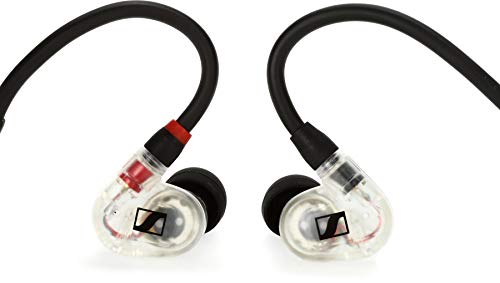


Our Top 3 Picks at a Glance
These three IEMs come from the product table above and cover the most common needs.


Best Overall
The Shure SE215 PRO, around $110, is for musicians and everyday listeners who want a durable, comfortable in ear monitor with strong isolation. Its first strength is a single dynamic microdriver tuned for clear sound with deep bass. Its second strength is a secure over ear fit with sound isolating sleeves, plus a carrying case and fit kit with several tip sizes.
The limitation is detail; multi driver IEMs at similar prices reveal more treble detail for critical listening.
Best Value
The Moondrop CHU II, around $23, suits budget buyers and newcomers to IEMs who want refined sound for very little money. Its first strength is a dynamic driver with an aluminum magnesium alloy dome diaphragm, designed for extended treble and low distortion. Its second strength is build quality uncommon at this price, including an alloy cast cavity, a brass CNC nozzle, replaceable acoustic filters and an interchangeable cable.
The limitation is accessories; it has a simpler cable and fewer tips than premium sets.
Best for Musicians
The Sennheiser IE 100 PRO, around $95, is for performers who need reliable stage monitoring. Its first strength is a 10mm dynamic broadband transducer for powerful, precise monitoring with low distortion. Its second strength is a slim, ergonomic design with silicone and foam tips for excellent shielding, and a stage proof cable with an internal cable duct.
The limitation is a monitoring focused sound that some casual listeners may find less exciting than bass boosted earbuds.
How to Choose the Best Ear Monitors: Buying Guide
Driver Types and Sound Signature
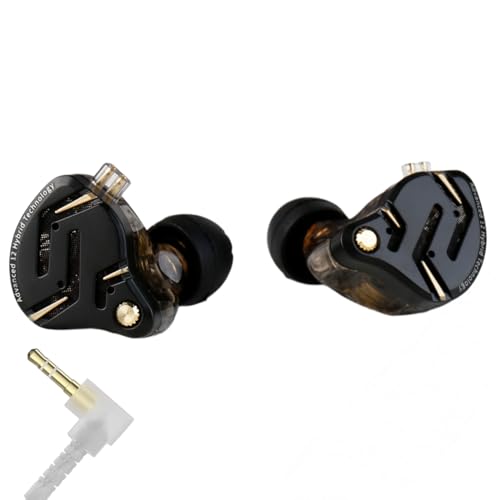
Drivers turn electrical signals into sound. Dynamic drivers, like those in the Shure SE215, Moondrop CHU II and Sennheiser IE 100 PRO, deliver natural bass and smooth sound. Balanced armature drivers are tiny and precise, excelling at mids and treble. Hybrid IEMs combine both, like the KZ ZS10 Pro with four balanced armatures and one dynamic driver, or the Moondrop Blessing 3 with two dynamic drivers and four balanced armatures. More drivers do not guarantee better sound; tuning matters most. Neutral tuning suits monitoring, while V shaped tuning boosts bass and treble for fun listening.
Fit, Comfort and Isolation
Fit determines both comfort and sound. IEMs seal the ear canal, blocking outside noise passively and delivering full bass. Over ear cable routing, used by most stage IEMs, keeps earpieces secure during movement. Try several tip sizes; foam tips usually isolate more, while silicone tips are easier to clean. A poor seal makes even expensive IEMs sound thin.
Cables and Connectors
Detachable cables extend the life of your IEMs, since cables fail far more often than drivers. Common connectors include MMCX and 0.78mm 2 pin. Musicians benefit from stage proof cables, like the Sennheiser IE 100 PRO's, while listeners can upgrade to balanced cables or Bluetooth adapters. Check plug size: 3.5mm for phones and laptops, and 6.35mm adapters for mixers.
Impedance and Sensitivity
Most IEMs have low impedance and high sensitivity, so they play loudly from phones, laptops and wireless bodypacks without an amplifier. Very sensitive multi driver IEMs can reveal background hiss from noisy sources. If your phone lacks a headphone jack, use a USB C dongle digital to analog converter.
Wireless IEM Systems
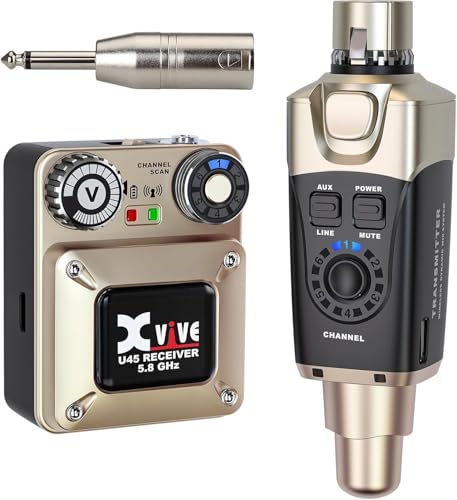
Performers often pair IEMs with wireless systems that send the monitor mix from the sound desk to a bodypack. The Xvive U45 uses 5.8 GHz true diversity transmission with 24 bit, 48 kHz audio and less than 5 milliseconds of latency, connecting to mixers by XLR or 1/4 inch outputs. Professional systems cost more but offer longer range and more channels.
Durability and Build Quality
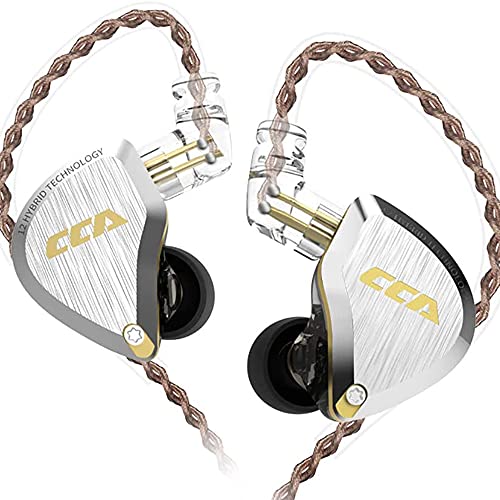
Look for metal or reinforced resin shells, sturdy nozzles and quality connectors. The KZ ZS10 Pro uses a stainless steel faceplate, while the CCA C12 combines a zinc alloy cover with resin. Carrying cases protect IEMs from crushing and moisture.
Types of Ear Monitors
Single Dynamic Driver IEMs
Single dynamic IEMs like the Moondrop CHU II and Shure SE215 offer coherent, natural sound with strong bass at low prices. They suit beginners, commuters and musicians who want simple, reliable monitors.
Hybrid and Multi Driver IEMs
Hybrid IEMs like the KZ ZS10 Pro, KZ ZS12 PRO 2, CCA C12 and Moondrop Blessing 3 use several drivers for more detail and separation. They suit audiophiles and musicians who want to hear every instrument.
Wireless Monitor Systems
Wireless IEM systems like the Xvive U45 pair with any wired IEMs to give performers freedom on stage. They suit bands, worship teams and presenters.
IEMs vs Regular Earbuds
Regular earbuds sit loosely in the outer ear and focus on convenience, while IEMs seal the ear canal for better isolation, deeper bass and more accurate sound. Many true wireless earbuds now offer active noise cancellation, but IEMs remain the choice for stage monitoring and critical listening because of their low latency wired connection, replaceable cables and precise tuning. For gaming, wired IEMs offer clear positional audio without wireless delay.
How Much Should You Spend?
Under around $50, IEMs like the Moondrop CHU II, KZ ZS10 Pro and CCA C12 deliver remarkable sound for the money. Between $90 and $150, stage proven models like the Shure SE215 PRO and Sennheiser IE 100 PRO add durability, trusted brands and professional accessories. Above $300, flagships like the Moondrop Blessing 3 offer refined multi driver tuning for audiophiles. Wireless monitoring systems add around $240 or more.
Choosing Ear Monitors for Your Situation
For Stage Performers
Singers, drummers and guitarists need isolation, a secure fit that survives movement and a sound that makes vocals and click tracks clear. Choose stage proven IEMs like the Sennheiser IE 100 PRO or Shure SE215 PRO, use foam tips for maximum isolation and pair them with a wireless system such as the Xvive U45. Keep monitor volume moderate to protect your hearing during long shows.
For Audiophiles
Listeners who want detail and imaging should explore hybrid and multi driver IEMs like the CCA C12, KZ ZS12 PRO 2 or Moondrop Blessing 3. Pair them with a quality USB C DAC and lossless music files to hear their full potential.
For Gamers and Commuters
Gamers benefit from wired IEMs with clear positional audio and zero wireless lag, like the KZ ZS10 Pro, and can add a detachable mic cable for chat. Commuters should prioritize isolation and comfort for long rides; budget picks like the Moondrop CHU II block train and bus noise well with a good seal.
How to Make Your Ear Monitors Last Longer
- Clean tips and nozzles regularly: earwax buildup muffles sound; wipe tips and nozzles after use.
- Store in a case: protect drivers and cables from crushing and moisture.
- Remove cables gently: pull from the connector, not the wire, to avoid damage.
- Replace tips when worn: fresh tips keep the seal and sound quality consistent.
- Avoid max volume for long sessions: IEMs are efficient and can damage hearing at high levels.
Frequently Asked Questions
Are IEMs worth it for everyday listening?
Are IEMs worth it for everyday listening? Yes, IEMs are worth it if you want better sound and isolation than standard earbuds. Even budget models like the Moondrop CHU II outperform many popular earbuds in clarity. They are wired, so you may need a USB C adapter for modern phones.
Do more drivers mean better sound?
Do more drivers mean better sound? Not always. More drivers can add detail and separation, but tuning and quality matter more than driver count. A well tuned single dynamic driver IEM often sounds more natural than a poorly tuned multi driver set.
What tips should I use?
What tips should I use? Use the tip size that creates a comfortable seal. Foam tips offer the strongest isolation and fuller bass, while silicone tips last longer and clean easily. If bass sounds weak, try a larger tip.
How long do they last?
How long do they last? Quality IEMs with detachable cables can last many years, since you can replace cables and tips as they wear out. Cables typically last one to three years with daily use. Proper storage and cleaning extend the life of the drivers.
Do musicians need custom IEMs?
Do musicians need custom IEMs? Custom molded IEMs offer the best fit and isolation but cost much more. Universal fit IEMs like the Shure SE215 PRO and Sennheiser IE 100 PRO work well for most musicians, especially with properly sized foam tips.
Wrapping Up
Choosing in ear monitors comes down to three things: a secure fit that seals out noise, tuning that matches your purpose and durable, detachable cables. The Shure SE215 PRO is the best all rounder, the Moondrop CHU II offers incredible value and the Sennheiser IE 100 PRO serves performing musicians. Compare the best ear monitors in the product table above to find the right pair for your stage, studio or commute.


