Best 2 Channel Speakers for 2026: Stereo Pairs for Home Listening
Disclosure: We may earn a commission when you buy through links on this page, at no extra cost to you. As an Amazon Associate I earn from qualifying purchases. Learn more

Best 2 channel speakers explained: passive versus powered, bookshelf versus tower, amplifier matching and room placement for home stereo.
A pair of stereo speakers is still the most direct route to good sound at home. Two well placed speakers create a wide, stable image of voices and instruments, and they do it without the cost and cabling of a surround system. This guide to the best 2 channel speakers explains the choices that matter: passive or powered, bookshelf or tower, the amplifier you pair them with and where to put them.
The product table lists 2 channel speakers available new, from compact passive bookshelf pairs to powered models with built in amplification and floor standing towers. The sections below help you choose the right kind for your room and your equipment.
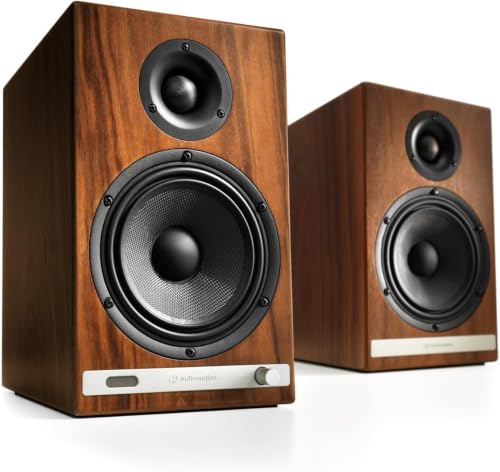


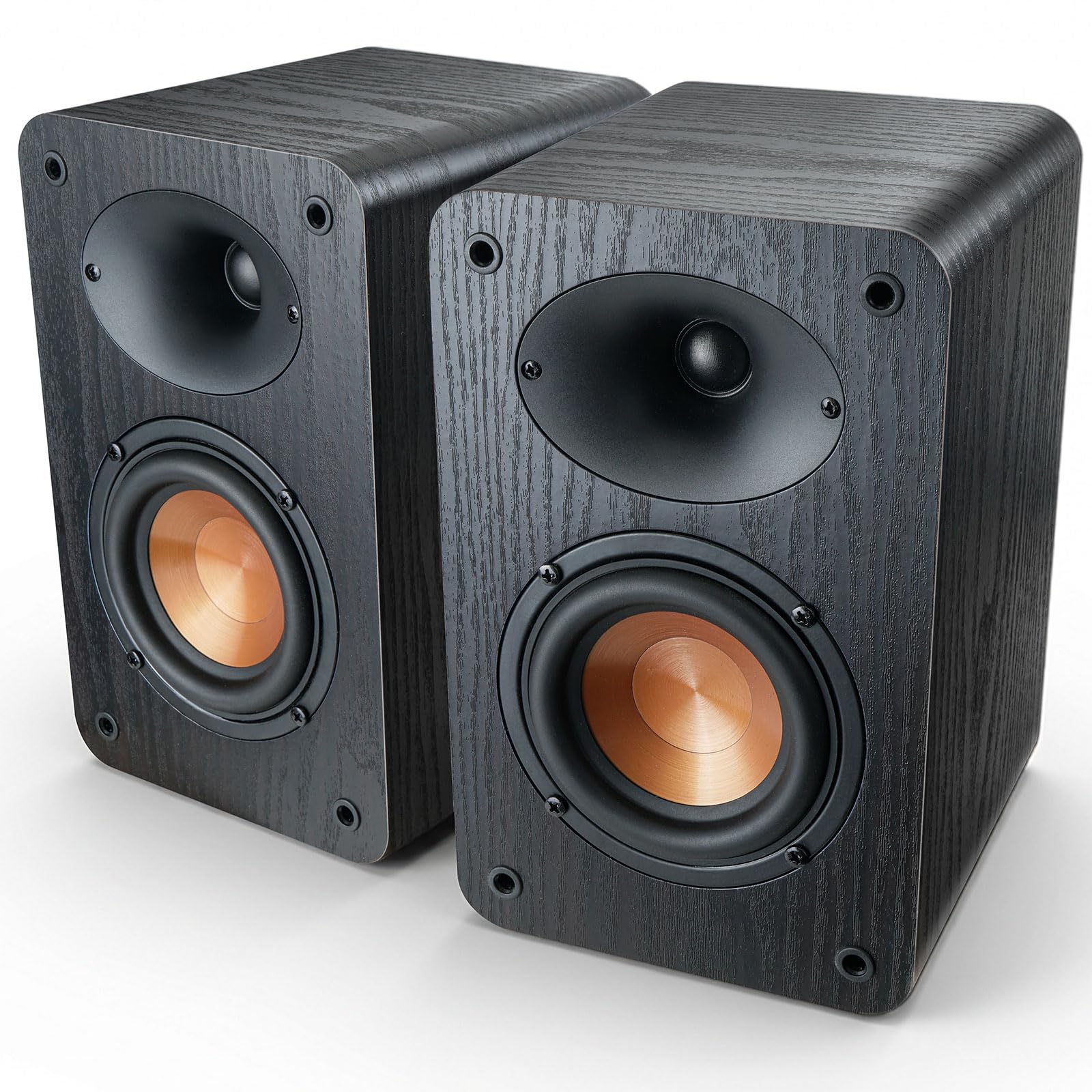

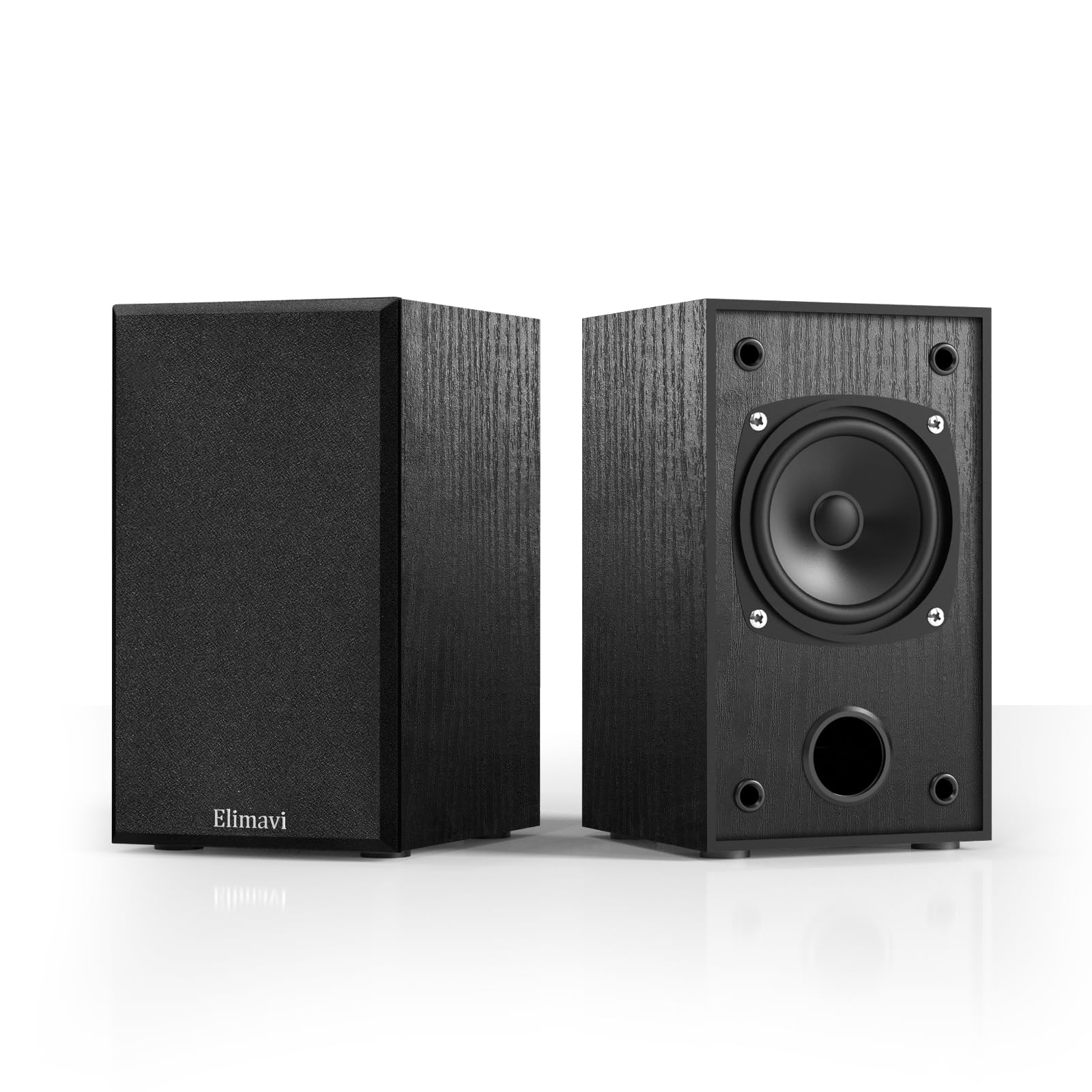
Passive or Powered Speakers
Passive speakers contain only drivers and need a separate amplifier or receiver. They give you the freedom to upgrade the amplifier later and to choose a sound you like. Powered speakers have the amplifier built in, so you only need a source such as a phone, computer or turntable with a preamp. Powered pairs are simpler and often cheaper overall, while passive pairs suit a growing hi-fi system.
Bookshelf or Floor Standing
Bookshelf speakers are compact and fit on shelves, desks or stands. They give accurate sound for their size and suit small and medium rooms. Floor standing towers have larger drivers and cabinets, so they reach deeper into the bass and play louder with less strain, but they need space and a bigger budget. In a small room a good bookshelf pair on stands often beats a cheap tower.
Matching Speakers and an Amplifier
Check the impedance and power ratings. An 8 ohm speaker suits most amplifiers, while a 4 ohm speaker draws more current and needs an amplifier rated for it. The amplifier should deliver at least the speaker recommended power range, and a little more is safer than too little. Overdriving a small amplifier into clipping hurts speakers more than a large amplifier does.
Sensitivity and Room Size
Sensitivity tells you how loud a speaker plays for a given power. A more sensitive speaker needs less power and suits a low powered amplifier. In a small room, a modest speaker is enough, while a larger room benefits from a speaker with more headroom.
Connections and Streaming
Powered models often add Bluetooth, optical, USB and RCA inputs. Some add a phono input for turntables or HDMI ARC for a TV. For passive speakers, plan the amplifier connections, and use banana plugs or clean bare wire for the speaker terminals.
Tweeter and Driver Quality
The tweeter handles high frequencies and the woofer handles mids and bass. Silk or metal domes sound different, so read buyer notes on whether a speaker sounds warm or bright. A two way design is the common choice, and a three way design splits the range further for greater detail.
Placement and Room Acoustics
Place the speakers at ear height, with the tweeters aimed toward your head, and form an equilateral triangle with your seat. Leave space behind them, since ported speakers need room to breathe. Rugs, curtains and bookcases tame echoes, and moving the speakers a few inches from the wall can fix boomy bass.
Adding a Subwoofer Later
Many stereo pairs can be joined by a subwoofer when you want more bass. Check that the amplifier or powered speaker has a subwoofer output. This step is optional and best done once you know what your room needs.
Wires, Terminals and Cables
Speaker wire thickness matters over longer runs: a thicker gauge loses less signal, while short runs between a nearby amplifier and the speakers are fine with ordinary wire. Binding posts that accept banana plugs make swapping speakers easy, and spring clip terminals on budget models suit bare wire only. If you buy a powered pair, the cable between the two cabinets is supplied, so check its length against the distance you need.
Budget Tiers
Entry level pairs bring a clear improvement over TV or laptop speakers, with simple cabinets and modest bass. Mid priced pairs improve the tweeter, the cabinet and the crossover, which gives cleaner mids and a wider soundstage. High priced pairs aim at accuracy and low distortion, and they reward a good amplifier and a treated room. Spend where your weakest link is: a better room and source often matter more than the next speaker up.
Used Gear and Warranty
New speakers come with a warranty and clean drivers. Buying used can save money, but check foam surrounds and terminals. If you prefer certainty, choose new, check the return window and keep the packing for transport.
Setup Tips
- Connect the speaker wires with the amplifier off and keep the red and black terminals consistent.
- Start with modest volume and raise it gradually.
- Keep cables tidy and out of the walking path.
- Dust the cabinets and drivers with a soft dry brush.
Choosing for Movies, Gaming and Music
Stereo pairs handle all three, but the priorities differ. For music, tone and imaging matter most. For movies, dialogue clarity and dynamic range matter, so a pair with a clean midrange is a good fit. For gaming, a wide soundstage helps you place footsteps, and low delay inputs matter if you use wireless connections. A pair that sounds good with all three is usually well balanced rather than flashy, and it is rarely the cheapest or the loudest.
Frequently Asked Questions
Are 2 channel speakers good for movies?
Yes. A good pair gives clear dialogue and a wide image, and a subwoofer adds weight.
Do I need an amplifier?
For passive speakers, yes. Powered speakers include one.
Are towers better than bookshelf speakers?
They go louder and deeper, but a good bookshelf pair suits most rooms.
Can I use them with a turntable?
Yes, with a phono preamp or a powered speaker that includes one.
How far from the wall should they sit?
A few inches, or more for rear ported models. Try a few positions and listen.
Final Verdict
The best 2 channel speakers match your amplifier, your room and your music. Compare the options in the product table and see our guides on the best 2 channel computer speakers and best 2 channel speakers for music for related choices. Prices and availability change, so check the product page before ordering.