Best Bass Bluetooth Speakers: Reviews and Buying Guide
Disclosure: We may earn a commission when you buy through links on this page, at no extra cost to you. As an Amazon Associate I earn from qualifying purchases. Learn more

How to choose a Bluetooth speaker with real bass, with three short picks from Soundcore, W-KING and JBL, types explained and care tips.
Small Bluetooth speakers often sound thin, with bass that disappears the moment you step outside or turn the volume up. If you want music you can feel at a backyard party, beach day or living room hangout, you need a speaker designed for low end. This guide to the best bass bluetooth speakers explains which features actually produce deep bass, which specs to ignore and which picks deliver the most punch for the money.
The short answer: most people should choose a portable speaker with a dedicated woofer or large passive radiator, a bass boost mode, IPX7 or IP67 water resistance and at least 20 hours of battery life, such as the Soundcore Boom 2 around $100; budget buyers can get big bass from the W-KING 100W speaker around $80, while the JBL Go 4 around $50 is the easiest pocket sized starter, and the JBL Boombox 4 suits buyers who want maximum output.

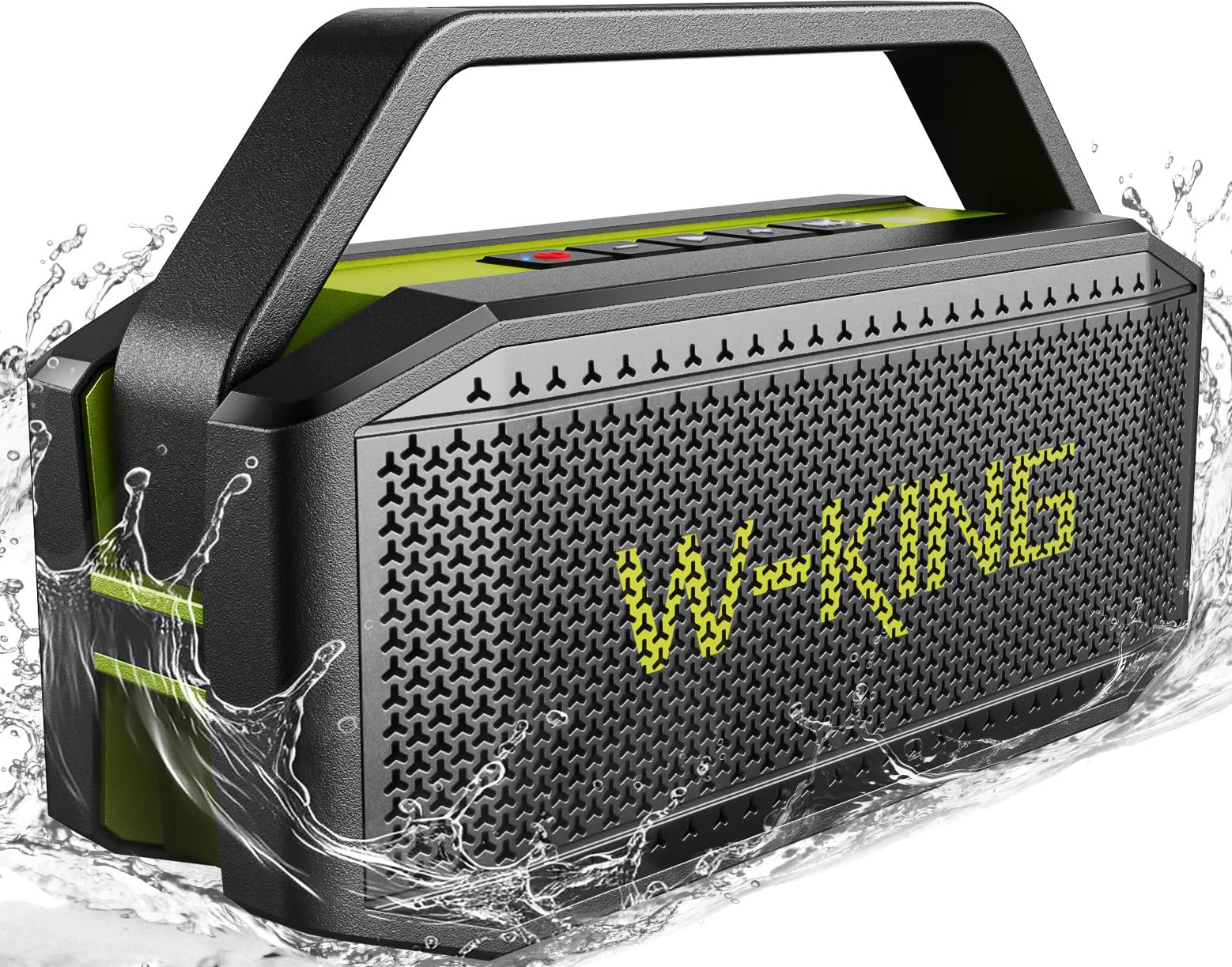

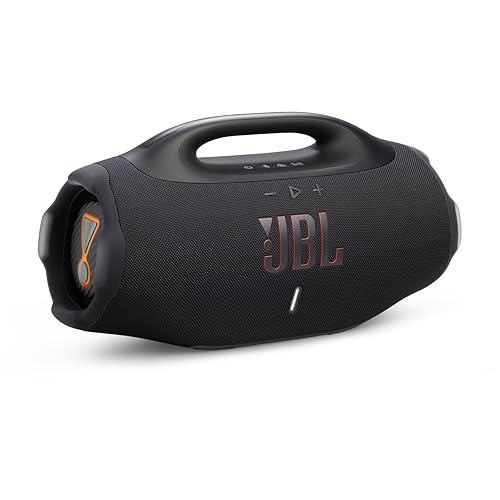


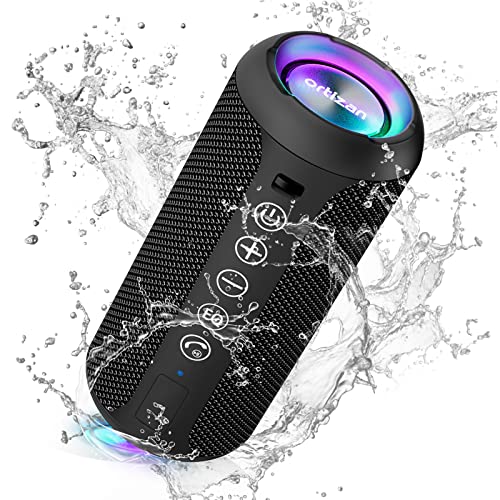
Our Top 3 Picks at a Glance
These three speakers come from the product table above and cover the most common budgets.


Best Overall
The Soundcore Boom 2 by Anker, around $100, is for people who want deep bass outdoors without paying premium prices. Its first strength is a dedicated subwoofer with BassUp 2.0 technology that delivers punchy low end you can feel, with 80 watts of output. Its second strength is versatility: an IPX7 waterproof, floatable design, up to 24 hours of playtime, a built in power bank and custom EQ in the Soundcore app.
The limitation is size; it is larger than pocket speakers and best carried by its strap.
Best Value
The W-KING 100W portable speaker, around $80, suits party hosts on a budget. Its first strength is a large 7.2 inch passive radiator paired with dual subwoofers, producing body shaking bass and up to 108dB output. Its second strength is endurance: up to 40 hours at low volume, IPX7 waterproofing and the option to pair two units for stereo sound.
The limitation is refinement; at maximum volume, mids and highs lose some clarity compared with premium brands.
Best for Beginners
The JBL Go 4, around $50, is for first time buyers who want a tiny, durable speaker with surprising punch. Its first strength is JBL Pro Sound tuned for punchier bass than its size suggests. Its second strength is an IP67 waterproof and dustproof build and Auracast multi speaker pairing for stereo or group playback.
The limitation is battery life, rated at about 7 hours plus 2 with Playtime Boost, and physics: it cannot match larger speakers for deep bass.
How to Choose the Best Bass Bluetooth Speakers: Buying Guide
Bass comes from moving air, so speaker size and design matter more than marketing numbers. These factors separate the best bass bluetooth speakers from the rest.
Sound Quality and Tuning
Look for a dedicated woofer or subwoofer plus one or more passive radiators, which vibrate with the woofer to extend bass without extra power. Larger drivers and radiators, like the W-KING's 7.2 inch radiator or the JBL Boombox 4's two woofers and three passive radiators, move more air for deeper bass. Bass boost buttons and EQ apps let you tune the low end. Be careful with peak wattage claims; real bass depends on cabinet size and driver quality, not just watts.
Durability and Water Resistance (IP Rating)
Outdoor speakers need water and dust protection. IPX4 resists splashes, IPX7 survives submersion in about one meter of water and IP67 or IP68 adds full dust protection for beaches. The Soundcore Boom 2 and W-KING float, which helps at the pool. Rubberized shells and protective bumpers improve drop resistance.
Placement and Room Size
Placement changes bass dramatically. Setting a speaker near a wall or in a corner reinforces low frequencies, while open outdoor spaces weaken them. Small speakers like the JBL Go 4 suit desks and picnics. Mid sized speakers like the Soundcore Boom 2 fill patios. Home speakers like the plug in Marshall Acton III fill living rooms with rich bass. Pairing two speakers for stereo increases volume and spread.
Ecosystem and App Features
Companion apps from Soundcore, JBL and Marshall offer EQ adjustments, firmware updates and party modes. JBL's Auracast lets you connect multiple compatible speakers, and Soundcore's app offers custom EQ and light controls. Apps make a big difference for bass lovers, since you can raise the low end without distortion.
Connectivity (Bluetooth Version, Codecs, Wired)
Bluetooth 5.3 or newer provides stable connections and longer range. Most speakers use the SBC or AAC codecs, which are fine for casual listening. An AUX input, found on the W-KING and Marshall Acton III, lets you connect devices without Bluetooth. Multi speaker pairing and multipoint connections help at parties.
Battery Life and Charging
Big bass drains batteries, so check playtime at realistic volumes. Aim for at least 20 hours for outdoor use: the Marshall Emberton III offers over 32 hours, the JBL Boombox 4 up to 34 hours with Playtime Boost and the W-KING up to 40 hours at low volume. USB C charging and built in power banks add convenience.
Microphone and Calls
Some speakers include microphones for hands free calls, like the Marshall Emberton III. Call quality varies, but a built in mic is handy for quick calls or voice assistants. Speakers do not offer active noise cancellation, which is a headphone feature, so skip that spec when shopping.
Types of Bass Bluetooth Speakers
Outdoor and Rugged Models
Rugged speakers like the Soundcore Boom 2, W-KING and JBL Boombox 4 offer high output, waterproofing and long battery life. They are ideal for beaches, camping and backyard parties, but they are heavier.
Compact Portable Models
Compact speakers like the JBL Go 4, DOSS SoundBox Pro and Ortizan X10 fit in a bag and deliver solid bass for their size. They suit personal listening, travel and small rooms.
Home Speakers
Plug in home speakers like the Marshall Acton III use larger cabinets and mains power for richer, deeper bass than most portables. They suit living rooms and bedrooms but are not built for outdoors.
How Much Should You Spend?
Under around $50, compact speakers like the DOSS SoundBox Pro, Ortizan X10 and JBL Go 4 give fuller sound than a phone but limited deep bass. Between $80 and $180, you reach the sweet spot: speakers like the W-KING, Soundcore Boom 2 and Marshall Emberton III add larger drivers, longer battery life and real outdoor volume. Above $250, premium options like the Marshall Acton III for home and JBL Boombox 4 for outdoors deliver the deepest, cleanest bass. Most buyers get the best value in the middle tier.
Tips for Getting More Bass From Any Speaker
Place the speaker on a solid surface rather than grass or sand, which absorb low frequencies. Move it near a wall or into a corner indoors to reinforce bass. Turn on the bass boost mode or raise the low end in the app EQ, and keep the volume below the point of distortion, since overdriven bass sounds muddy. Pairing two speakers in stereo also fills larger spaces with fuller sound.
Common Mistakes When Buying a Bass Speaker
- Trusting peak watts: inflated peak numbers do not equal real bass. Compare driver and radiator sizes.
- Buying too small: pocket speakers cannot produce deep bass in open spaces.
- Ignoring placement: moving a speaker near a wall can double perceived bass.
- Skipping the app: EQ settings unlock fuller low end on many speakers.
Care and Maintenance Tips
- Keep firmware updated: updates improve sound tuning, battery management and pairing.
- Protect the drivers: carry speakers in a case or bag to prevent grille dents and radiator damage.
- Rinse after salt water or sand: rinse waterproof speakers with fresh water and dry them before charging.
- Avoid max volume for long sessions: constant maximum volume causes distortion and wears drivers faster.
- Charge regularly: keep batteries between 20% and 80% when storing for long periods.
Bass Bluetooth Speakers: Your Questions Answered
Is a bigger speaker always louder?
Is a bigger speaker always louder? Usually, yes. Bigger cabinets and drivers move more air, producing more volume and deeper bass. However, tuning and amplifier quality matter too, so a well designed mid sized speaker can outperform a poorly built large one.
Do I need a special codec?
Do I need a special codec? No, you do not need a special codec for bass heavy listening. SBC and AAC work well with portable speakers, and bass performance depends far more on drivers and cabinet size than codecs. High resolution codecs matter more for headphones.
How long does the battery last?
How long does the battery last? Most bass Bluetooth speakers last 7 to 40 hours per charge, depending on size and volume. Compact speakers like the JBL Go 4 last around 7 hours, while larger models like the Marshall Emberton III and W-KING last 30 hours or more. Bass boost and high volume shorten playtime.
What IP rating do I need for outdoor use?
What IP rating do I need for outdoor use? For outdoor use, choose at least IPX7, which survives rain and brief submersion. For beaches and sandy campsites, IP67 or IP68 adds dust protection. Floatable designs are useful near pools and lakes.
Wired or wireless: which sounds better?
Wired or wireless: which sounds better? Wired connections can sound slightly cleaner, but most listeners cannot hear a difference on portable speakers. Bluetooth offers far more convenience. Use the AUX input when available for non Bluetooth devices.
Wrapping Up
Choosing a speaker with real bass comes down to three things: a dedicated woofer or large passive radiator, a size that matches your space and enough battery and waterproofing for where you listen. The Soundcore Boom 2 is the best all rounder, the W-KING delivers huge bass on a budget and the JBL Go 4 is an easy starter. Compare the best bass bluetooth speakers in the product table above to find the right fit for your next party.