Best 2 Channel Speakers for Music for 2026: Stereo Pairs for Better Listening
Disclosure: We may earn a commission when you buy through links on this page, at no extra cost to you. As an Amazon Associate I earn from qualifying purchases. Learn more

Best 2 channel speakers for music explained: imaging, tonal balance, bass design and placement for natural stereo sound.
Music is where stereo speakers earn their reputation. Two speakers, a good source and a sensible room can place a singer in the middle, a guitar to one side and a drum kit just behind, with detail that headphones and soundbars rarely match. This guide to the best 2 channel speakers for music focuses on the qualities that matter when listening: tonal balance, imaging, bass control and how the speakers work with your source.
The product table lists stereo speakers available new, from compact powered bookshelf models to passive pairs for a hi-fi system. The sections below explain how to read the listings and how to set the speakers up so that they sound their best.
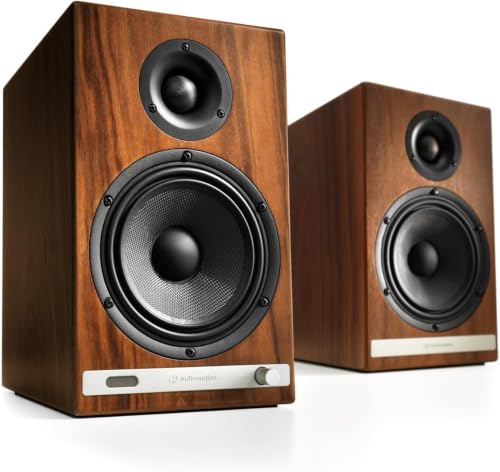


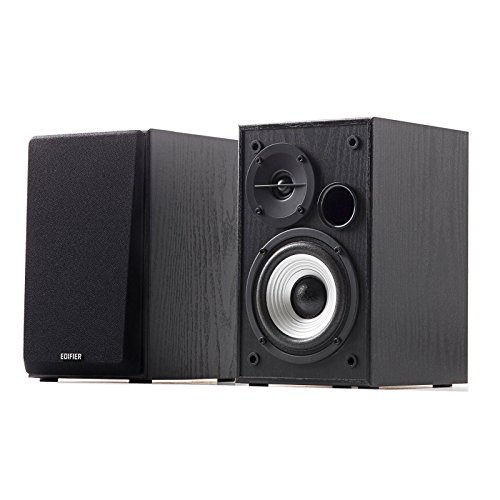

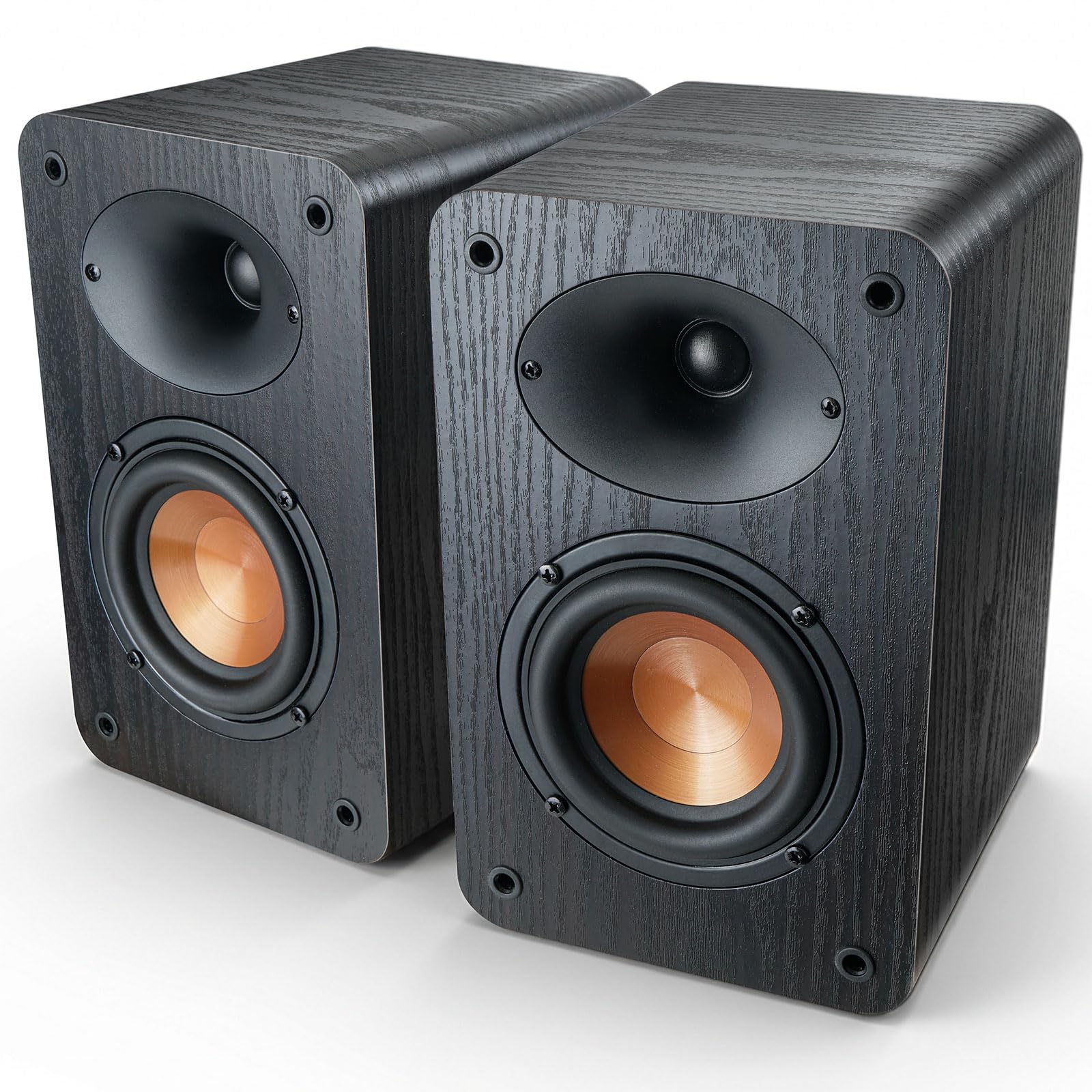
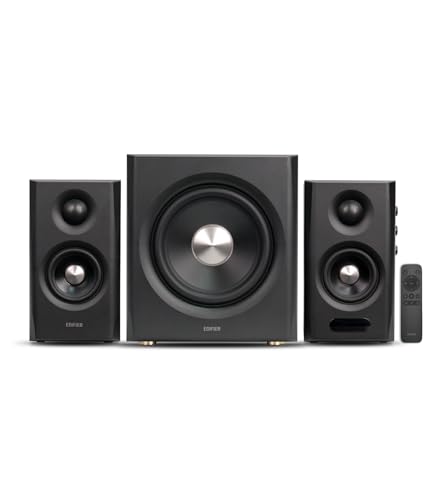
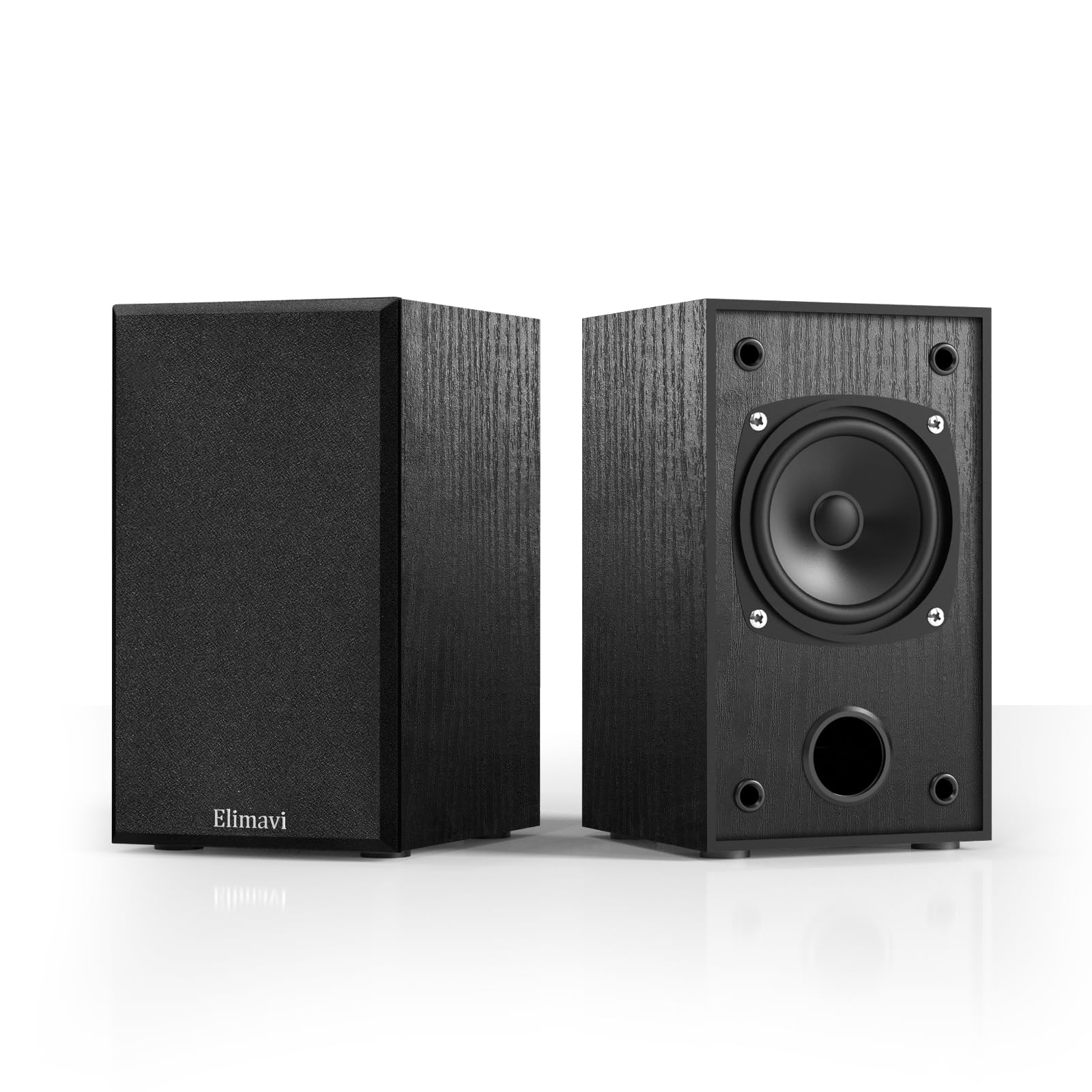
What Good Music Speakers Sound Like
A good pair sounds natural: voices are clear without harshness, cymbals are crisp but not sharp, and bass is tight rather than boomy. The speakers should disappear and leave a convincing image between and behind them. Spec sheets cannot show this, so buyer comments about sound character are as important as numbers.
Soundstage and Imaging
Soundstage is the width and depth of the music image, and imaging is how precisely each instrument is placed. These come mainly from good tweeters, a well braced cabinet and correct positioning. Sit in the sweet spot, where the distance between the speakers equals the distance to your ears, and small adjustments in angle can make a big difference.
Tonal Balance: Warm, Neutral or Bright
Some speakers sound warm and relaxed, which suits long listening and acoustic music. Others sound neutral and revealing, which suits critical listening and recordings that you know well. Bright speakers can sound exciting at first and tiring later. Choose a character that suits your taste and your room: a bright room calls for a warmer speaker.
Bass: Ported or Sealed
Ported cabinets extend bass and play louder at the same size, but need space behind them. Sealed cabinets give tighter bass and are friendlier to placement near walls. For music with plucked bass or acoustic instruments, tight bass often sounds more natural than deep, loose bass.
Powered Speakers and Streaming
Powered bookshelf speakers combine amplification and sources: many accept Bluetooth, optical, USB and RCA, and some include a phono input for vinyl. A built in digital to analog converter makes streaming straightforward. If you already own an amplifier, passive speakers let you build around it.
Source Quality Matters
Speakers reveal your source. Low bitrate streams sound thin on good speakers, while lossless files and clean analog sources shine. Use a high quality streaming setting, a good converter or a clean turntable setup to get the most from your pair.
Room and Placement
Place the speakers at ear height on solid stands or shelves, a little away from walls, and toe them in slightly toward you. Hard surfaces cause harsh echo, so add a rug or curtains. Symmetry helps imaging: place both speakers the same distance from side walls.
Vinyl, Streaming and Desktop Listening
For vinyl, check that your turntable has a phono stage or buy a separate one. For desktop listening, use compact speakers placed on stands behind the keyboard and angle them to ear height. For living room use, bookshelf speakers on stands or a sturdy shelf work well.
Common Mistakes When Buying Music Speakers
The first mistake is choosing by power rating alone: a bigger number does not mean better sound, and efficient speakers need less power than their ratings suggest. The second is ignoring the room, since hard floors, bare walls and a desk full of reflections change the sound more than a small difference between two speakers. The third is placing the speakers inside a shelf or against the wall, which boosts bass and blurs the image. Fix these and a modest pair will outplay a poorly placed expensive one.
Budget Guidance
A modest budget gets a capable powered pair that beats any soundbar for stereo music. Mid range pairs add better tweeters and cabinets, which improves detail and imaging. At higher budgets, you pay for refinement and larger drivers, and the amplifier and source start to matter just as much. Buy the best pair you can afford, then improve placement before you upgrade.
Setup Tips
- Use the same length of cable for each speaker.
- Start with the speakers about as far apart as you sit from them.
- Adjust toe in until the center image locks in place.
- Add a subwoofer later only if the room calls for more bass.
Listening Habits That Improve Any Pair
Listen at the same spot a few times and adjust one thing at a time: toe in, distance from the wall, height. Use well recorded tracks you know well to judge changes. Avoid turning up the bass or treble to compensate for a room problem, since moving the speakers usually fixes it better. Rest your ears between sessions, because long loud listening makes everything sound duller.
Connecting Streaming and Vinyl
A streaming player or a computer with a good converter feeds powered speakers cleanly. For vinyl, a phono preamp is required unless your turntable or speakers include one. Keep the turntable on a stable surface away from the speakers, since vibration from loud bass can cause skipping.
Frequently Asked Questions
Do I need an amplifier?
For passive speakers, yes. Powered speakers include it.
Are bookshelf speakers good enough for music?
Yes. A well chosen pair on stands gives excellent sound in most homes.
What matters more, speakers or source?
Both matter. A weak source hides the quality of good speakers.
Is warm or neutral better?
It is a matter of taste and room. Neutral suits critical listening, and warm suits relaxed listening.
Can I use them for movies too?
Yes, stereo speakers give clear dialogue and a wide image.
How do I choose the best 2 channel speakers for music?
Start with your room and your source, then compare tonal character and bass design, and place the speakers well.
Final Verdict
The best 2 channel speakers for music are the ones that sound natural in your room and suit your source. Compare the options in the product table, read the listing for connections and amplifier needs, and see our guides on best speakers for music and best 2 channel speakers for more. Prices and availability change, so check the product page before ordering.