Best 3 Inch Studio Monitors for 2026: Small Desk Options and Alternatives
Disclosure: We may earn a commission when you buy through links on this page, at no extra cost to you. As an Amazon Associate I earn from qualifying purchases. Learn more
Best 3 inch studio monitors are hard to find. Here is what a tiny woofer can and cannot do for mixing, plus the compact sizes and setup tips that work on a small desk.
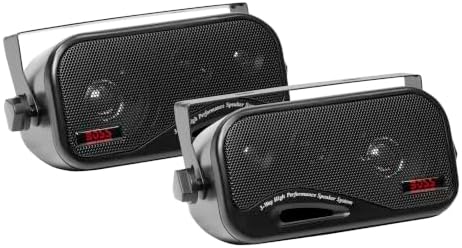
Real studio monitors with a 3 inch woofer are rare, because a driver that small struggles to give the accurate low end a mixing engineer needs. The best 3 inch studio monitors people search for usually turn out to be one of three things: a compact desktop speaker, a 3.5 inch near-field monitor or a travel set for sketching ideas. Knowing which one you want makes the search much simpler.
This guide explains what a 3 inch driver can honestly do, which compact monitor sizes are worth considering, and how to set up a small desk so that decisions you make on the speakers also hold up elsewhere.
What a 3 inch woofer can do
A woofer this small reproduces mids and highs well, which is where vocals, guitars, snare hits and most mixing decisions happen. Bass is the problem. Below roughly the 100 Hz region, the cone cannot move enough air, so kick drums and bass lines sound thin or are missing. A mix balanced on such speakers may end up with too much low end when played on bigger systems, because you compensated for what you could not hear.
That does not make small speakers useless. Many producers sketch ideas, write melodies, check vocal levels and edit podcasts on tiny monitors. They just need a second reference for the low end, such as headphones with a reliable response or a subwoofer.
Compact sizes that are common
- 3.5 inch monitors: the smallest size that real studio brands make, popular for tiny desks and beginner setups
- 4 to 5 inch monitors: a big step in bass depth, still small enough for a bedroom studio
- Desktop multimedia speakers: often 3 inch drivers, built for music listening rather than accurate mixing
- Travel and DJ monitors: small powered pairs meant for practice and portable use
If space allows, a 5 inch pair is usually the best compromise for home mixing. Our guides to 5 inch studio monitors and 6 inch studio monitors cover the models that deliver more bass without needing a large room.
What to expect from the best 3 inch studio monitors
If you decide to go small anyway, set realistic goals. A compact pair works for podcasting, voiceover, video editing, practice, writing and rough sketches. It does not replace a full mixing system. Choose models that offer balanced inputs (TRS or XLR), a clear volume knob and a stable cabinet, and avoid speakers with heavily boosted bass presets, since those hide the very problems you need to hear.
Look for a flat frequency response claim, though remember that numbers on a box depend on how they were measured. Reviews from other producers describe how neutral a speaker sounds better than a spec sheet does.
Connections and gear
Audio interface
A computer's headphone jack is not a good source for monitoring. An audio interface gives a clean signal and balanced outputs that connect to the monitors with TRS or XLR cables. Balanced cables reject interference, which matters when the speakers sit near a computer and a screen.
Isolation and stands
Foam isolation pads or small stands decouple the speakers from the desk, tighten the sound and tilt the tweeters toward your ears. They are one of the cheapest upgrades you can make.
Headphones as a second opinion
A pair of studio headphones lets you check the low end and fine detail that small speakers cannot show. Switching between speakers and headphones is a good habit.
Setting up a tiny desk studio
- Place the speakers on either side of the screen, forming a triangle with your head
- Aim the tweeters at ear height and keep the speakers away from walls
- Sit about an arm's length or more from the speakers
- Use the volume at a moderate level to protect your hearing and avoid room resonance
- Add a few absorbing panels or a thick rug if the room echoes
- Play reference tracks you know well and compare them to your own mix
Small rooms create their own bass problems, and treatment helps more than expensive speakers. A pair of absorbing panels at the first reflection points on the side walls and a thick mat on the desk can clean up the sound dramatically.
Why bass is the hard part
Low frequencies have very long wavelengths, and a small cone cannot couple to the room the way a large one can. In a small bedroom, bass notes also bounce between the walls and pile up in corners, so some notes sound too loud and others vanish. A tiny speaker avoids part of the problem by producing less bass, but it also hides what is really in your mix.
Many producers work around this by using a pair of reference headphones, a spectrum analyzer and a few trusted songs. If a mix sounds right on small speakers, on headphones and in a car, it is probably balanced. Those three checks together are worth more than one pricey monitor.
Budget and value
Small powered monitors cost much less than larger ones, and a basic pair is enough to start learning. Spend your first extra money on an audio interface, isolation pads and decent cables, since they improve every speaker you will ever own. When you outgrow the small pair, keep it as a second reference, because checking a mix on small speakers is a classic way to make sure it translates to phones and laptops.
Alternatives to consider
If you want portable sound for sketching, a pair of high quality closed-back headphones may serve you better than 3 inch speakers. If you want a small speaker for music listening and calls, a compact powered desktop pair works and costs less than monitors. Our guide to 8 inch studio monitors covers the other end of the scale for bigger rooms.
Common mistakes
- Expecting deep bass from a tiny woofer
- Mixing at very high volume in a small room
- Putting the speakers on the desk without any isolation
- Using unbalanced cables near power cords
- Buying multimedia speakers and treating them as reference monitors
FAQ
Do 3 inch monitors exist?
A few small powered pairs use 3 inch drivers, but most true studio monitors start at 3.5 or 4 inches.
Can I mix on tiny speakers?
You can sketch and balance mids, but you need headphones or a larger system to judge the low end.
What size is best for a bedroom studio?
A 5 inch pair is a good balance of bass depth and small footprint for most bedrooms.
Do I need a subwoofer?
Only if you work with bass-heavy music. A sub adds low-end information but requires setup and a calibrated level.
Final thoughts
The best 3 inch studio monitors are less common than the search suggests. Decide whether you need accurate mixing, casual listening or portable sketching, consider stepping up to a 3.5 or 5 inch pair for real monitoring, and invest in placement and room treatment before spending more on speakers.