
Best 10 Inch Studio Monitors: Who Needs a Woofer This Size (2026)
Disclosure: We may earn a commission when you buy through links on this page, at no extra cost to you. As an Amazon Associate I earn from qualifying purchases. Learn more
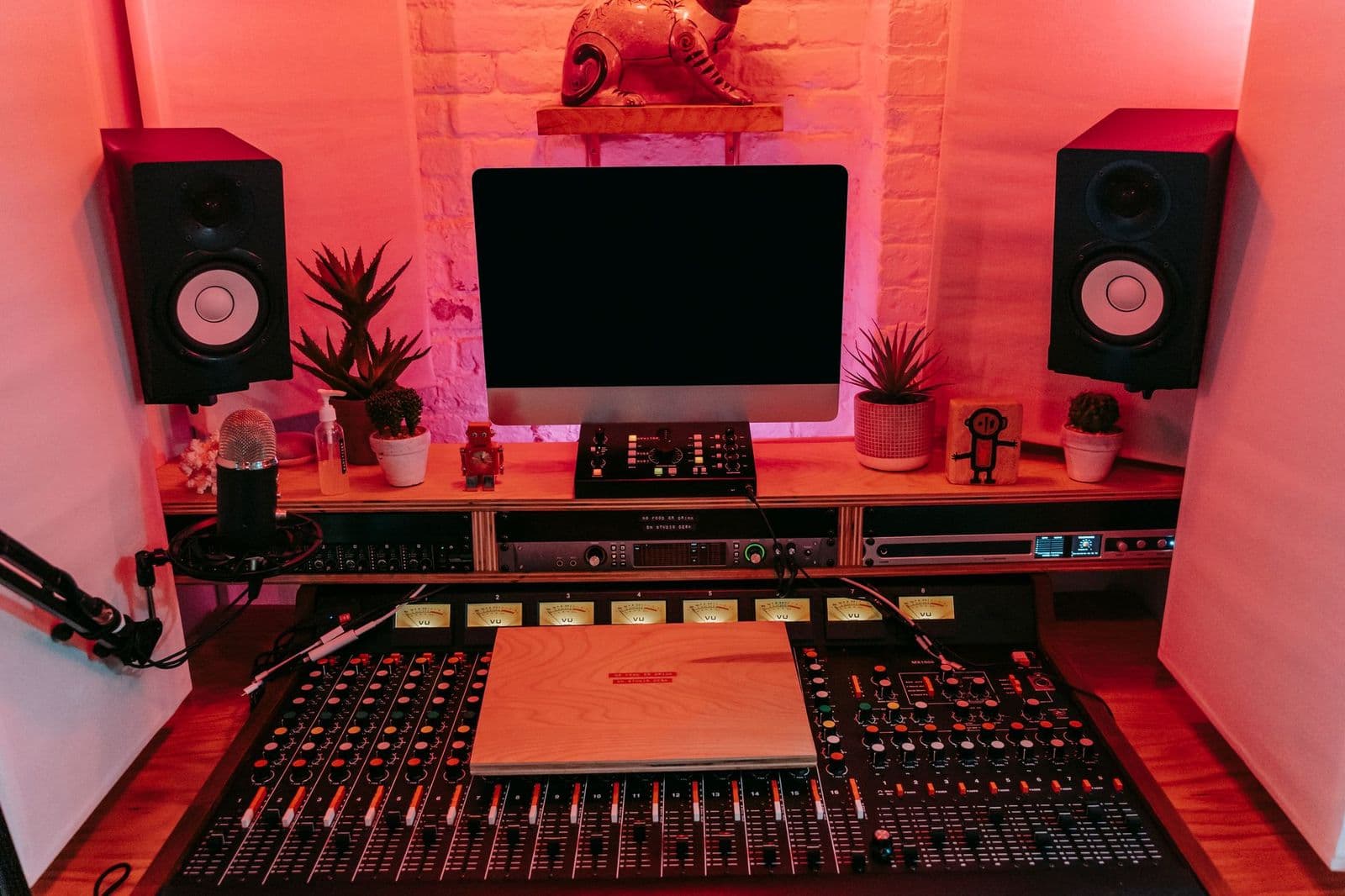
Mixing engineers and serious home studios: what the best 10 inch studio monitors do, how room size and treatment matter and when smaller monitors serve better.
Ten inch studio monitors are large, serious speakers. Few makers build them, they cost far more than the desktop monitors most home studios use, and they only make sense in the right room. The best 10 inch studio monitors are main or mid-field monitors that give deep, accurate low end for mixing in a treated space.
This guide explains who needs a woofer this size, how these monitors differ from smaller near-field models, and what to weigh before you spend a large amount on a pair.
What a 10 Inch Studio Monitor Is
A studio monitor is built to reveal what is in a recording, not to flatter it. Most small desktop monitors use woofers between three and eight inches. A 10 inch woofer sits in the larger mid-field or main-monitor class, where it is usually combined with a midrange driver and tweeter in a three-way design.
That size reaches lower in frequency without help from a subwoofer, and it can play at higher volume with less strain. The price is size, weight and the need for a room that can handle it.
Who Actually Needs One
Mixing and mastering engineers who work on bass-heavy music, film sound designers and larger commercial rooms benefit from the extended low end and headroom. For a bedroom studio or a desk setup, a pair this big is usually too much, because the bass will excite the room faster than it helps you make decisions.
In short, the best 10 inch studio monitors suit a narrow group of users. If you record vocals, guitars and simple electronic tracks in a small space, a pair of 5 to 8 inch near-field monitors will give a more trustworthy picture. Many professionals work this way and add a subwoofer only when the room is treated well enough to use it.
Room Size and Treatment Come First
A large speaker in a small untreated room produces boomy bass and uneven response, and the mix you build will not translate to other systems. Before you chase a bigger woofer, consider how far you sit from the speakers, how high the ceiling is and whether the walls and corners have any treatment.
- Place the monitors so the listening position and the speakers form an equal-sided triangle.
- Put absorption at the first reflection points on the side walls and ceiling.
- Use bass traps in the corners to tame low frequency build-up.
- Keep the speakers away from walls, or follow the maker's guidance for rear ports.
Active, Passive and Three-Way Designs
Most studio monitors today are active, which means the amplifiers are inside the cabinet and tuned to the drivers. A three-way active monitor has separate amps for the woofer, midrange and tweeter. That helps keep the sound clean at high levels, but it also raises weight and cost.
Passive large monitors exist, usually in pro-audio circles, and need a power amp. For most buyers, an active design is simpler and safer.
Stage Monitors Are a Different Product
You will see 10 inch speakers sold as stage monitors or floor wedges. These are tuned for loud, direct sound toward a performer and are not meant for critical mixing. They are useful on stage and in rehearsal rooms, but they do not serve as a studio reference. If your goal is a mix that translates to other systems, choose a speaker marketed and measured as a studio monitor.
How to Choose a Large Monitor
Start by deciding whether you really need this size. Then compare frequency range, maximum output, input types (balanced XLR or TRS), room-compensation switches and cabinet depth. Check the power requirements and the shipping weight, because a pair can be heavy and needs sturdy stands or a solid desk. Read reviews from engineers working in rooms similar to yours.
If you are still choosing a size, compare this class with our guides to best 8 inch studio monitors and best 7 inch studio monitors, which suit a wider range of rooms.
Connections, Controls and Placement
Large studio monitors normally take balanced XLR or TRS inputs from an audio interface or mixer. Check that your interface has enough balanced outputs and that the cables are long enough to reach stands set well apart. Many models add a level knob, a low-frequency or high-frequency trim and a switch to compensate for placement near a wall, and those controls help you adapt the speaker to an imperfect room.
Plan the stands as carefully as the speakers. Heavy cabinets need stable stands or a solid shelf, and isolation pads reduce vibration that would otherwise color the sound. Aim the tweeters at ear height and angle the cabinets slightly inward so the sweet spot sits in the middle of the room.
Reading Reviews and Specifications
Marketing pages love peak sound pressure and extreme frequency numbers. A more useful reading looks at how smooth the response is, how much distortion the speaker produces at your normal listening level and how well it holds up during long sessions. Reviews written by engineers in rooms like yours are worth more than a long feature list. Remember that a pair of the same model can sound different in two rooms, which is why room treatment matters so much.
Budget and Alternatives
True 10 inch studio monitors sit at the high end of the market, often costing thousands of dollars per pair. A common alternative is a pair of 8 inch near-field monitors with a subwoofer, which gives similar low-end reach for far less money and in far less space. Another option is a good set of closed-back headphones for checking low frequencies when your room cannot handle bass.
When a pair with a large woofer is out of reach, spend the money on room treatment and a well-chosen smaller pair. The improvement from fixing the room often beats the improvement from a larger speaker.
Frequently Asked Questions
Are bigger studio monitors more accurate?
Not automatically. Accuracy comes from the design, the room and the setup. A larger woofer reaches lower and plays louder, but a small accurate monitor in a treated room can be easier to mix on.
Do I need a subwoofer with 10 inch monitors?
Often not, because the woofer already reaches deep. Some engineers still add one for the lowest octave in large rooms.
Can I use a 10 inch stage monitor in a studio?
You can, but it is tuned for volume and projection rather than neutral sound, so it is a poor reference for mixing.
How far should I sit from large monitors?
Further than for small ones. Many engineers sit a few feet back so the drivers blend before they reach the ears, but follow the maker's guidance and your room's layout.
Final Thoughts on 10 Inch Studio Monitors
Ask first whether your room and your work justify this size. When they do, the best 10 inch studio monitors give extended, controlled bass and plenty of headroom for critical mixing. When they do not, a smaller near-field pair and a treated room will serve you better.


