
Best 10 Inch Speakers: Powered, Passive or Wedge (2026)
Disclosure: We may earn a commission when you buy through links on this page, at no extra cost to you. As an Amazon Associate I earn from qualifying purchases. Learn more

Powered, passive or wedge? This guide to the best 10 inch speakers explains amp matching, power ratings and size so you pick the right cabinet type.
Ten inches is a popular woofer size because it balances punch, portability and price. If you are comparing the best 10 inch speakers, the first decision is not the brand but the type of cabinet, since powered boxes, passive boxes and floor wedges solve different problems.
The sections below explain how each type works, how to match an amplifier to a passive speaker, and what to check on the listing before you order. The product table gives you a shortlist to compare against these points.
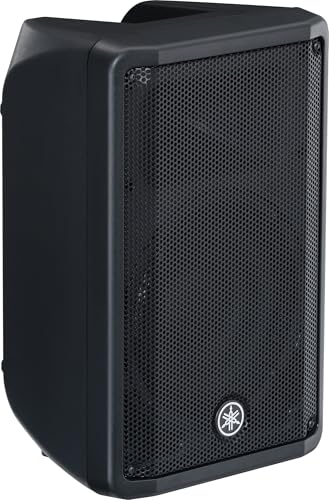


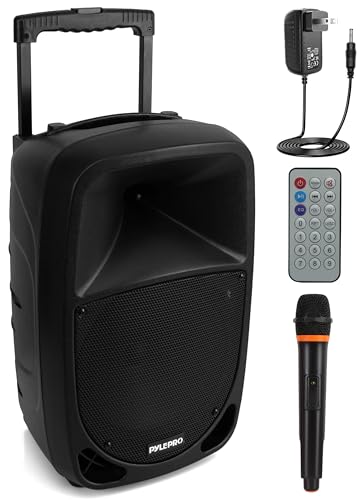

Three Kinds of 10 Inch Speaker Cabinets
A powered cabinet has the amplifier built in. You connect a microphone, mixer or phone and plug the cabinet into the wall. It is the easiest route for a first sound system, a classroom or a small venue.
A passive cabinet has no amplifier. It needs a separate amp or powered mixer, which gives you freedom to upgrade each part on its own but adds cables and a matching step. A floor wedge is a cabinet angled upward so a performer can hear their own voice or instrument, and it can be either powered or passive.
Matching an Amplifier to a Passive Speaker
Two numbers matter on a passive speaker: impedance, shown in ohms, and power handling. The amplifier must be able to drive that impedance safely, and its output should sit near the speaker's continuous rating. An amp far smaller than the speaker can clip and damage the tweeter, while an amp far bigger invites accidental overload.
If this sounds like a lot to manage, a powered cabinet removes the question. Buyers who like to build a system step by step often choose passive boxes because they can add a better amp later and keep the cabinets.
Size Compared With Smaller and Larger Cabinets
A 10 inch woofer is quicker and lighter than a 12 or 15 inch one, which helps for vocals, keyboards and acoustic instruments. It gives less low bass, so a bass-heavy playlist or a live drummer may call for a subwoofer. In a small room, a 10 inch cabinet often sounds tighter than a bigger box that has to be turned down to avoid boom.
Weight matters if you carry the speaker often. A cabinet that is easy to lift gets used more, and a heavy one tends to stay in the garage.
What to Check on the Listing
- Whether the cabinet is powered, passive or a wedge, because listings sometimes mix the words.
- The continuous power rating, not only the peak number.
- Input types: XLR, 1/4 inch and Bluetooth each serve a different use.
- A pole socket if you plan to use a stand.
- Cabinet material and grille style, which affect weight and durability.
- Whether it is sold as a single speaker or a pair, since prices can look similar.
Where 10 Inch Speakers Fit Best
Small bands and duos get the most from a 10 inch cabinet because it carries vocals clearly and travels easily. Teachers and presenters like powered models for the quick setup. DJs working small rooms use them as mains and add a sub when the crowd grows. Home users sometimes want a pair for a garage, workshop or game room, where a PA-style cabinet is louder and tougher than a bookshelf speaker.
The best 10 inch speakers for a given job are rarely the priciest ones. Expect prices from roughly $100 for basic party models to $350 or more for stage-oriented boxes. Higher prices usually buy sturdier cabinets, better amplifiers and more inputs.
Sound Character: Horn, Cone and Cabinet
Most 10 inch PA cabinets pair the woofer with a compression driver and horn for the highs. That combination carries well across a room and keeps speech clear, but it can sound bright at close range. If you sit near the speaker, such as at a desk or on a small stage, look for a cabinet with a tone or high-frequency control.
The cabinet shape also shapes the sound. A ported box gives more bass from a small woofer, while a sealed one is tighter. Molded plastic cabinets are light and shrug off knocks, and wood cabinets are heavier but often a little warmer. None of these choices is wrong; they just suit different habits, so decide whether you value low weight, fuller bass or the lowest price.
Buying Mistakes That Cost Money
The common errors are buying a passive cabinet with no amplifier, assuming a wedge can stand on a pole and counting the peak watt claim as the real loudness. Another is overlooking the cable bill: speaker cable, microphone cable, a stand and a power strip add up quickly, so budget for them up front.
Placement and Care
Place a speaker so that the tweeter sits near ear height and points toward the listeners. Keep it away from a wall corner if the bass sounds boomy, and keep microphones behind the cabinet face to prevent feedback. Wipe the grille with a dry cloth and avoid leaving the box in a hot car or in the rain.
If you need more detailed driver options, see our guide to best 10 inch midrange speakers, or compare cabinet styles in best 10 inch pa speakers.
Frequently Asked Questions
Is a 10 inch speaker loud enough for a party?
For a living room, patio or small hall, yes. For a large crowd or an outdoor event with heavy bass, pair two cabinets or add a subwoofer.
Can I use a passive speaker with a Bluetooth speaker amp?
Only if the amp has speaker-level outputs and matches the speaker's impedance. Read the amp's manual first, since many small Bluetooth units do not have such outputs.
What is a stage wedge used for?
A wedge points sound up at a performer so they can hear themselves while the main speakers face the audience. It can also serve as a compact main speaker in a small room.
Should I buy a pair or a single?
One cabinet covers mono uses such as talks and karaoke. Two give stereo sound and wider coverage, but check that the listing includes both before you compare prices.
Final Thoughts
Pick the cabinet type first, the amplifier plan second and the extras last. The best 10 inch speakers are the ones whose type, power and inputs match what you actually plan to do with them. Prices and availability can change, so check the product page before ordering.


