
Best 3 Inch Speakers for 2026: Bookshelf, Marine and Full Range Drivers
Disclosure: We may earn a commission when you buy through links on this page, at no extra cost to you. As an Amazon Associate I earn from qualifying purchases. Learn more
The best 3 inch speakers for desks, boats, shelves and DIY projects: how bookshelf pairs, marine boxes and bare drivers differ and what to check on the label.
Three inch is a small speaker size with a surprising number of uses. The best 3 inch speakers range from boxed bookshelf pairs to waterproof marine speakers, motorcycle units and bare full range drivers sold for DIY builds. Because the label covers so many different products, the first step is to decide what you will use them for.
This guide sorts the main types, explains the specs that matter, and shows how to choose between them. The product table includes examples of each type, so check the descriptions to match the use.
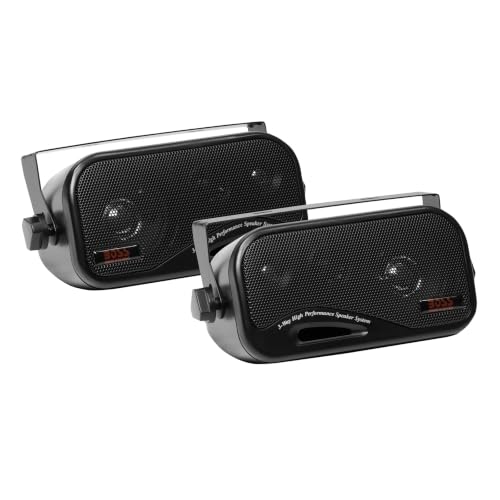

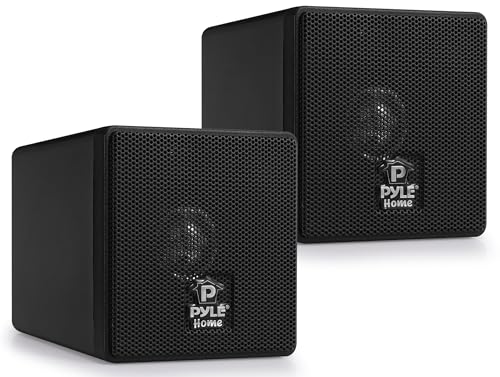


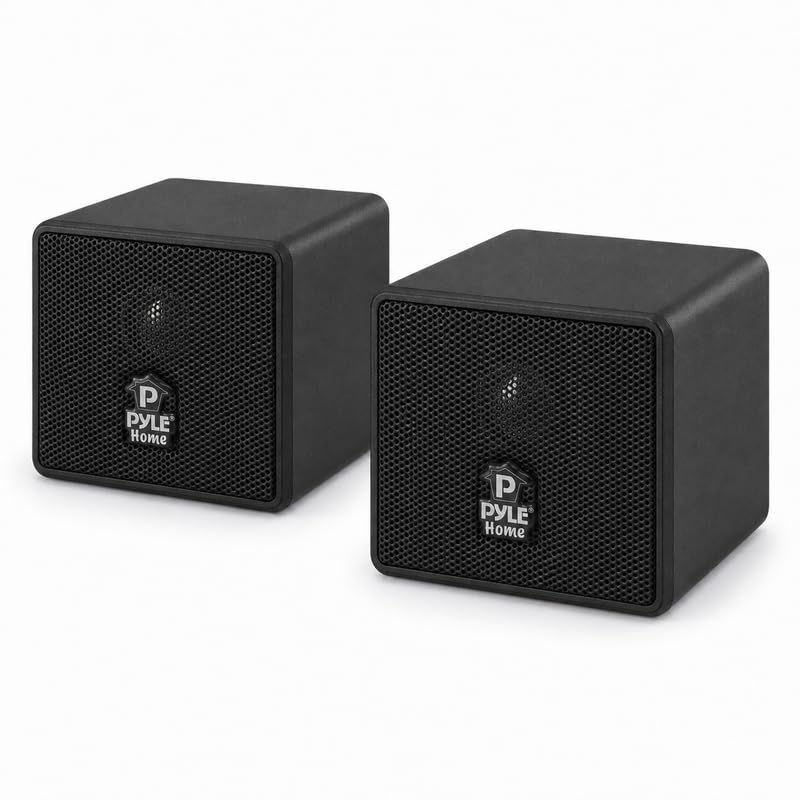
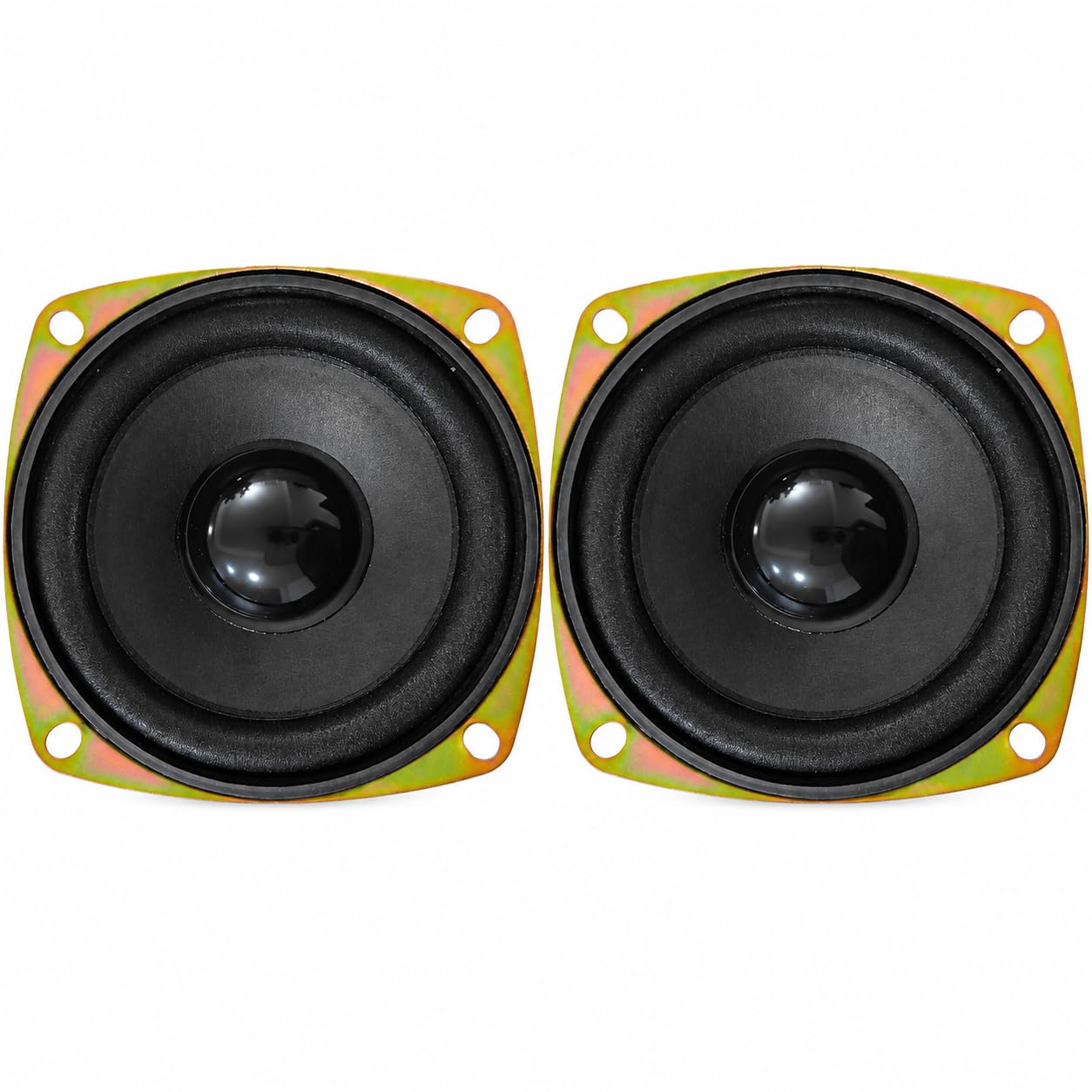
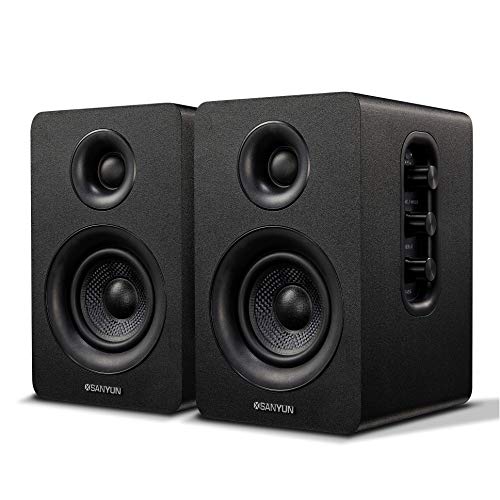
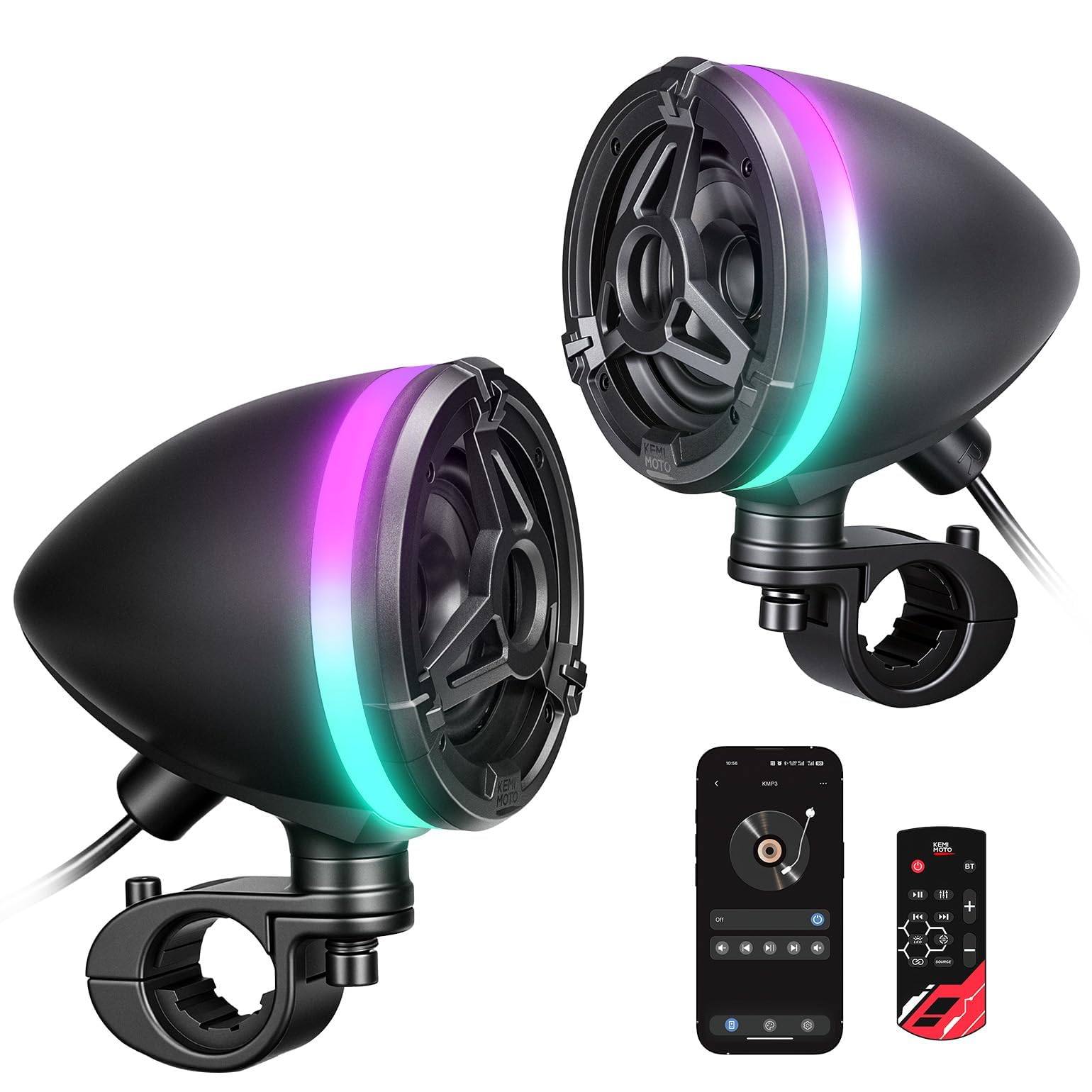
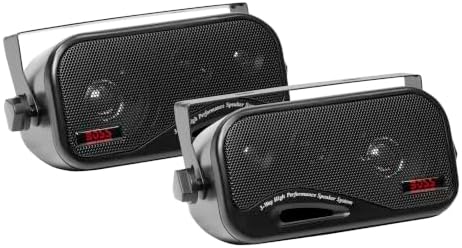
Types of 3 inch speakers
- Bookshelf and mini cube pairs: boxed passive speakers that need an amplifier and fit shelves, desks and small rooms
- Powered desktop pairs: a built-in amplifier and often Bluetooth, made for computer desks
- Marine and outdoor speakers: weather-resistant units for boats, patios and utility vehicles
- Full range drivers: bare speakers sold in pairs for DIY cabinets, small amplifiers and hobby projects
- Motorcycle and powersport speakers: small waterproof units built to fit handlebars or fairings
A 3 inch cone cannot produce deep bass, so these speakers are about voices, midrange and clean highs in small spaces. That is a perfect fit for desks, kitchens, garages and boat consoles.
Specs that matter
Impedance
Most 3 inch speakers are 4 or 8 ohms. Your amplifier or head unit must support the impedance. A 4 ohm speaker on an amplifier that only supports 8 ohms may overheat it. Read the amplifier manual before you connect.
Power handling
Look for the continuous or RMS power, not only the peak number. Choose a speaker that handles at least as much power as the amplifier delivers, and never feed a clipped signal to a small driver, since distortion burns voice coils.
Sensitivity
A higher sensitivity rating means the speaker plays louder from the same power. This matters for small battery-powered amplifiers.
Frequency range
The lower limit tells you how much bass to expect. A small driver with a limit around 100 Hz will sound thin without a sub. A port or an enclosure designed for the driver helps a lot.
How to choose the best 3 inch speakers for your use
For a desk or shelf
Choose a boxed pair with a good enclosure, or a powered pair with a built-in amp. If you have an old amplifier, a passive pair is a cheap way to add small speakers to a room.
For a boat or patio
Look for UV-resistant cones and corrosion-resistant hardware. Marine speakers resist spray and sun better than indoor ones, though they still deserve a cover when stored outside. Our guide to 4 inch speakers covers the next size, which is more common in boats.
For DIY projects
A full range driver needs a cabinet. The enclosure volume and port design change the sound a lot, so use the maker's recommended dimensions. Bare drivers are fun for hobby builds and small wireless speakers.
For motorcycles and vehicles
Choose waterproof, vibration-resistant units with a secure mounting bracket. Check the mounting dimensions and the connection type against your bike's amplifier.
Mounting and wiring tips
- Switch off the amplifier before you connect speaker wires
- Match the polarity so that positive goes to positive and negative to negative
- Use a speaker wire gauge suited to the length of the run
- Seal the back of an open driver mounted in a panel
- Use screws of the correct length and avoid overtightening plastic frames
A small speaker in an unsealed hole will lose bass because front and rear waves cancel. Mount the driver in a small enclosure, or seal the gap with foam.
Enclosures and DIY basics
A bare driver needs a box. A sealed box gives tight, controlled bass and is simple to build, while a ported box gives more output near the port tuning but is more sensitive to errors. For a 3 inch driver, the box can be very small, which is why these drivers appear in compact Bluetooth speakers and hobby builds. Make the walls rigid, fill the box loosely with damping material and seal every joint, since air leaks cause rattles.
Pay attention to the maker's recommended volume and the driver's Thiele and Small figures if they are given. Hobbyists use free box calculators to estimate the best size. If this sounds like too much work, a ready-made boxed pair is the simpler route.
Outdoor care
Even weatherproof speakers last longer when you protect them. Avoid direct sun for long periods, rinse off salt after a day on the water and store them dry in winter. Check the wire connections for corrosion and use tinned marine wire for boats. A small dab of dielectric grease on the terminals prevents green corrosion in humid places.
Mount outdoor speakers with the cone pointing slightly downward so that rain runs off. Use stainless steel screws to avoid rust streaks on paint.
Choosing by budget
A few dollars buys a bare driver or a basic mini cube. A modest budget buys a powered pair with better build quality, and a larger budget gets you boat-ready or motorcycle-ready units. Because each type serves a different purpose, compare prices within the same category. Do not compare a bare driver with a powered pair, since one needs a box and an amplifier and the other does not.
Room for improvement
If you want more bass from a small system, pair 3 inch speakers with a subwoofer, or place them close to a wall to gain a little low-end boost. For a quick fix, use a bass boost setting on the amplifier, though too much can strain the cone. A bigger step up is the 5 inch size, which handles more midrange body.
FAQ
Are 3 inch speakers loud?
They can be loud enough for a small room or a boat console, but they cannot match larger speakers for volume.
Can I connect them directly to a phone?
Only powered models. Passive ones need an amplifier.
Are marine speakers waterproof?
They resist water and spray, though most are not meant for submersion. Check the listing's ratings.
What is a full range driver?
A single speaker that plays the whole range from bass to treble, without a separate tweeter.
Final thoughts
The best 3 inch speakers are all about matching the type to the job. Decide whether you need a desk pair, an outdoor speaker or a driver for a project, check impedance and power, and mount the speakers properly. Compare your options in the product table, and see our 6 inch speaker guide if you want a bigger size.
Prices and availability can change, so check the product page before ordering.


