
The Best Studio Headsets: Buying Guide and Top Picks
Disclosure: We may earn a commission when you buy through links on this page, at no extra cost to you. As an Amazon Associate I earn from qualifying purchases. Learn more

How to choose studio headphones for recording, mixing and podcasting, with three top picks, types explained, bass advice and care tips.
Whether you record vocals at home, mix beats on a laptop or edit podcasts, the right headphones reveal every detail of your audio so your work sounds good on any speaker. Consumer headphones often boost bass and treble to flatter music, which hides mistakes in a mix. This guide to the best studio headsets explains what makes a pair studio ready, which specs matter and which picks suit your budget and workflow.
The short answer: most home studio users should buy closed back monitor headphones with 40 to 50 millimeter drivers, accurate tuning, low impedance and a detachable cable, such as the Audio Technica ATH M50x around $160; beginners on a budget can start with the OneOdio Studio wired headphones around $36, while serious mixers should consider the beyerdynamic DT 770 Pro X around $230 for its precise sound and replaceable parts.

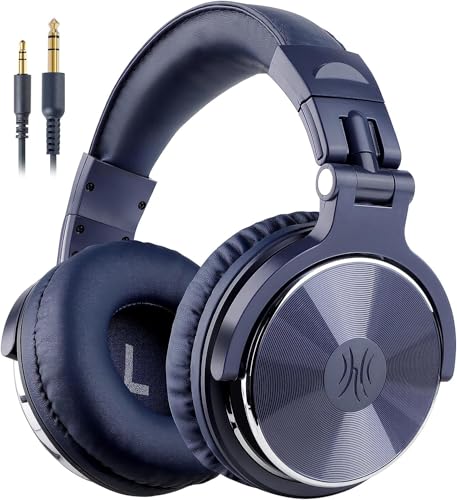
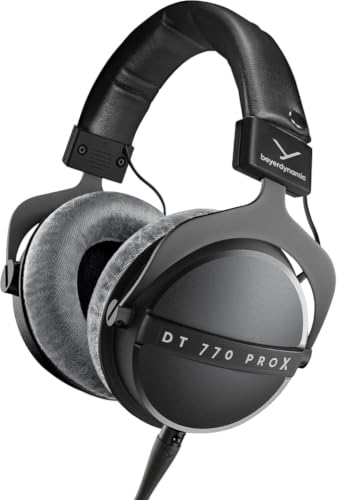

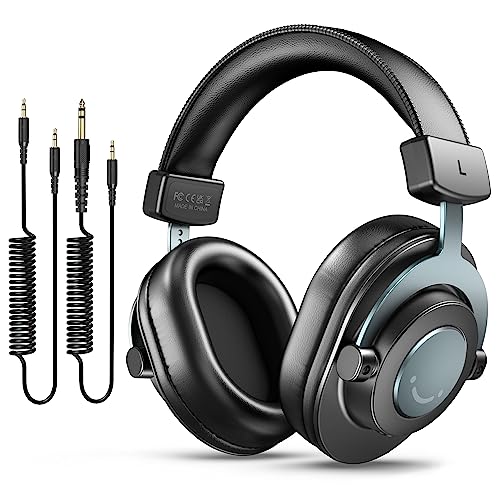


Our Top 3 Picks at a Glance
These three headphones come from the product table above and cover the most common budgets for home recording and mixing.


Best Overall
The Audio Technica ATH M50x, around $160, is for home producers, podcasters and musicians who want one pair that handles recording, mixing and everyday listening. Its first strength is sound: proprietary 45 millimeter large aperture drivers deliver exceptional clarity across an extended frequency range with deep, accurate bass, which explains why so many audio engineers recommend it. Its second strength is practicality, with 90 degree swiveling earcups for one ear monitoring, a detachable cable and excellent isolation for tracking vocals.
The limitation is comfort over very long sessions; the clamping force and synthetic pads can feel warm after a few hours, though replacement pads are easy to find.
Best Value
The OneOdio Studio wired headphones, around $36, suit beginners, students and DJs who need a capable closed back pair on a tight budget. Their first strength is large 50 millimeter neodymium drivers that produce full, punchy sound with strong bass. Their second strength is convenience: both a coiled cord and a straight cord with 6.35 millimeter and 3.5 millimeter plugs are included, so you can connect to an audio interface, keyboard or laptop without an adapter. Swiveling cups allow single ear monitoring.
The limitation is accuracy; the bass forward tuning flatters music but is less neutral than true reference headphones for critical mixing.
Best Premium Pick
The beyerdynamic DT 770 Pro X, around $230, is for recording artists and mix engineers who want precise, uncolored sound and long term durability. Its first strength is the flagship STELLAR.45 driver, which delivers high resolution studio sound without boosted bass. Its second strength is a 48 ohm impedance that plugs straight into a laptop, interface, phone or console with no headphone amp. The closed back design keeps headphone bleed out of your microphone, and the mini XLR cable and velour pads are fully replaceable.
The limitation is portability; the cups do not fold, so it is better suited to the studio than travel.
How to Choose the Best Studio Headsets: Buying Guide
Studio headphones are tools, so the right choice depends on what you record, how long you wear them and what equipment you plug into. These are the factors that separate the best studio headsets from ordinary headphones.
Sound Quality and Tuning
Driver size affects how effortlessly a headphone moves air. Most studio models use 40 to 50 millimeter dynamic drivers; larger drivers often produce fuller bass, but tuning matters more than size. Frequency response describes the range of sound a headphone reproduces, usually 20Hz to 20kHz or wider.
For mixing and mastering, look for neutral or flat tuning, like the ATH M40x, so you hear your audio as it really is. Bass heavy tuning is fun for listening and DJing but can lead you to mix with too little low end. Many producers keep a neutral pair for mixing and a second pair for casual listening.
Impedance and Amplification
Impedance, measured in ohms, tells you how much power a headphone needs. Low impedance models, from about 32 to 80 ohms, play loudly from laptops, phones and audio interfaces. High impedance models, such as 250 ohm versions of the DT 770 Pro, need a dedicated headphone amplifier or a strong interface output to reach full volume and sound their best.
If you plan to plug straight into a laptop or an entry level interface, choose a model at 80 ohms or below, such as the 48 ohm DT 770 Pro X or the 80 ohm DT 770 Pro.
Durability and Build Quality
Studio headphones live on desks and get pulled on and off dozens of times a day, so build quality matters. Look for metal headband sliders, sturdy hinges and replaceable parts. A detachable cable is the most important durability feature, because cables fail long before drivers do. Replaceable ear pads keep comfort and isolation consistent over years of use. Studio headphones rarely carry water resistance ratings, so keep them away from drinks and store them on a stand.
Comfort, Fit, and Weight
Mixing sessions can last hours, so comfort is critical. Circumaural, or over ear, cups that fully surround your ears reduce pressure and fatigue. Velour pads breathe better and stay cooler than synthetic leather, while leatherette pads isolate a little more. Weight below about 300 grams helps for long sessions. Glasses wearers should look for soft, deep pads and moderate clamping force.
Microphone Quality
Most studio headphones do not include a microphone, because studios use dedicated recording mics. If you also need a headset for Discord, gaming or calls, consider a detachable boom mic accessory or a USB microphone paired with your headphones. This setup usually sounds far better than a gaming headset's built in mic, and it keeps your studio headphones focused on accurate playback.
Open Back vs Closed Back
Closed back headphones seal the sound in, providing isolation from room noise and preventing bleed into your microphone during recording. They are the best choice for tracking vocals and instruments and for noisy rooms. Open back headphones let air and sound pass through the cups, creating a wider, more natural soundstage that many engineers prefer for mixing. They leak sound, so they are unsuitable for recording near a mic or in shared spaces.
Noise Cancellation and Isolation
Studio headphones rely on passive isolation from closed back cups and dense pads rather than active noise cancellation. ANC uses processing that can alter the sound, so it is rare in studio monitoring models. Good passive isolation blocks most room noise and keeps your monitor mix from leaking into the microphone. If you also want headphones for flights and commuting, buy a separate ANC pair.
Cables and Connectivity
Studio headphones are almost always wired, because wireless connections add latency that makes recording difficult. Check the cable length and type: coiled cables stretch from a desk to a keyboard or guitar position, while straight cables tangle less. Most models include a 6.35 millimeter adapter for interfaces and mixers and a 3.5 millimeter plug for laptops. Locking or mini XLR connectors add reliability.
Types of Studio Headsets
Closed Back Monitoring Models
Closed back monitoring headphones isolate well and prevent bleed, making them ideal for recording vocals, podcasts and instruments. They suit home studios in noisy rooms and shared apartments. The tradeoff is a narrower soundstage than open designs. Models like the ATH M50x, DT 770 Pro and AKG K371 fall into this group.
Open Back Mixing Models
Open back mixing headphones deliver a spacious, speaker like soundstage that helps with panning and reverb decisions. They suit engineers mixing in quiet rooms. The tradeoff is sound leakage and almost no isolation, so they cannot be used while recording near a microphone or around other people.
DJ and Gaming Models
DJ style studio headphones, like the OneOdio and FIFINE models, add swiveling cups, coiled cables and bass forward tuning for performing and casual production. Gaming models add microphones and surround processing. They are fun and affordable but less accurate, so they work best as a starting point or a second pair.
Choosing Studio Headsets for Your Situation
Match the headphone to your main task. Vocalists and podcasters need closed back isolation. Mix engineers in quiet rooms benefit from neutral tuning or open back designs. Laptop producers should choose low impedance models. Students and hobbyists can start with budget DJ style headphones and upgrade later.
Best Studio Headsets for Bass
When shopping for the best studio headsets for bass, focus on three criteria. First, choose closed back designs, which seal the ear and deliver stronger low end than open back models. Second, look for large 45 to 50 millimeter drivers that move more air for deep, punchy bass. Third, decide between accurate extended bass for producing and boosted bass for enjoyment. The ATH M50x offers deep but accurate bass, while the OneOdio Studio emphasizes bass for DJing and fun listening.
Studio Headsets for Podcasting
Podcasters need closed back headphones that isolate well, so the microphone does not pick up playback. Comfort for long recordings and a long cable to reach the interface also matter. A low impedance pair like the ATH M40x or FIFINE HD8 works directly from podcast interfaces and mixers.
Common Studio Headset Mistakes
- Mixing only on bass heavy headphones: boosted bass leads to thin mixes on other speakers. Use neutral headphones or check mixes on several systems.
- Buying 250 ohm headphones for a laptop: without an amplifier, they sound quiet and lifeless. Match impedance to your gear.
- Recording with open back headphones: sound leaks into the mic and ruins takes.
- Ignoring comfort: a great sounding pair you cannot wear for an hour will slow your work.
Tips to Get the Most From Your Studio Headset
- Keep firmware and drivers updated: studio headphones rarely need firmware, but update your audio interface drivers for stable, low latency playback.
- Store them on a stand or in a case: this protects drivers, hinges and cables from damage and dust.
- Clean ear pads regularly: wipe pads with a slightly damp cloth and replace worn pads to maintain comfort and isolation.
- Avoid max volume for long sessions: listening loudly causes ear fatigue and hearing damage, and it distorts mixing judgments.
- Give your ears breaks: rest for a few minutes every hour to keep your hearing fresh and accurate.
- Use reference tracks: compare your mix with professional songs on the same headphones to calibrate your ears.
Studio Headsets: Your Questions Answered
How long does the battery last?
How long does the battery last? Most studio headphones have no battery at all, because they are wired and powered by your interface or device. That means unlimited listening time and no charging. Wireless models with studio style tuning, such as Bluetooth DJ headphones, typically last 30 to 60 hours per charge, but wired connections are preferred for recording.
Do I need a special codec?
Do I need a special codec? No, you do not need a special codec for wired studio headphones, since they receive an analog signal directly from your interface. Codecs like AAC, aptX and LDAC only matter for Bluetooth headphones. Even the best Bluetooth codecs add latency and compression, which is why studios stick with cables.
Can I use studio headsets outdoors?
Can I use studio headsets outdoors? Yes, you can use closed back studio headphones outdoors, but they lack water resistance ratings and are bulky for commuting. Avoid rain and sweat, and use a protective case. For outdoor workouts, choose sport headphones with an IPX4 or higher rating instead.
Is ANC worth the extra cost?
Is ANC worth the extra cost? ANC is not worth it for studio work, because the processing colors the sound and studio headphones already isolate well passively. ANC is worth it for travel, flights and open offices. Many creators own a wired studio pair for work and a separate ANC pair for commuting.
Wired or wireless: which sounds better?
Wired or wireless: which sounds better? Wired headphones sound better and more accurate for studio work, with no compression and no latency. Wireless headphones have improved a lot, but Bluetooth still compresses audio and adds delay that makes recording in time difficult. For mixing and tracking, wired is the clear choice.
Do I need an audio interface?
Do I need an audio interface? You do not need an audio interface to use low impedance studio headphones, but it helps. An interface provides cleaner sound, more volume, lower latency and inputs for microphones and instruments. If you record anything, an entry level USB interface is one of the best upgrades for a home studio.
Wrapping Up
Choosing studio headphones comes down to three things: accurate tuning for your work, a closed or open back design that matches how you record and an impedance that suits your equipment. The ATH M50x is the best all rounder, budget buyers can start with OneOdio or FIFINE models and serious mixers will appreciate the precision of the beyerdynamic DT 770 Pro X. Check comfort and replaceable parts so your headphones last for years. Compare the best studio headsets in the product table above to find the right pair for your studio.


