
Best 3 1/2 Inch Car Speakers for 2026: Dash and Door Upgrades
Disclosure: We may earn a commission when you buy through links on this page, at no extra cost to you. As an Amazon Associate I earn from qualifying purchases. Learn more

The best 3 1/2 inch car speakers for dash and small door openings, with advice on coaxial versus component sets, power handling, mounting and installation.
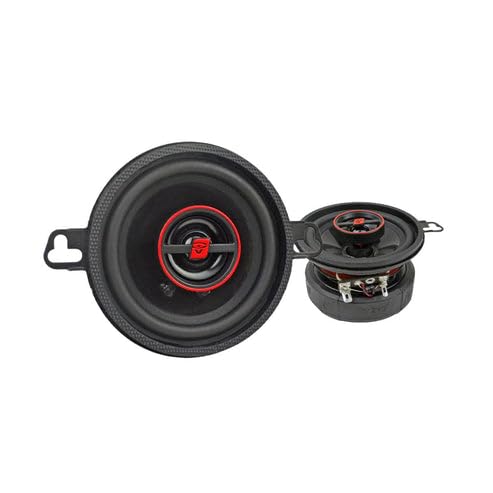
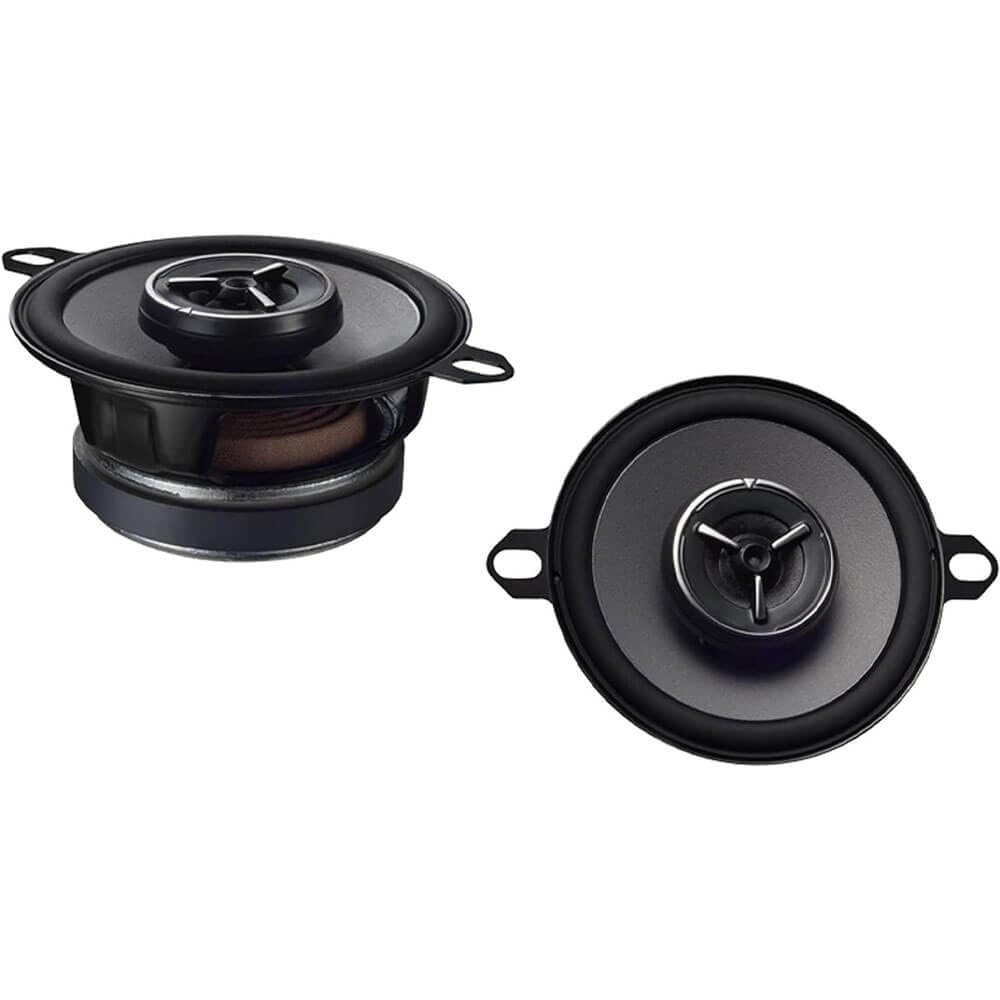
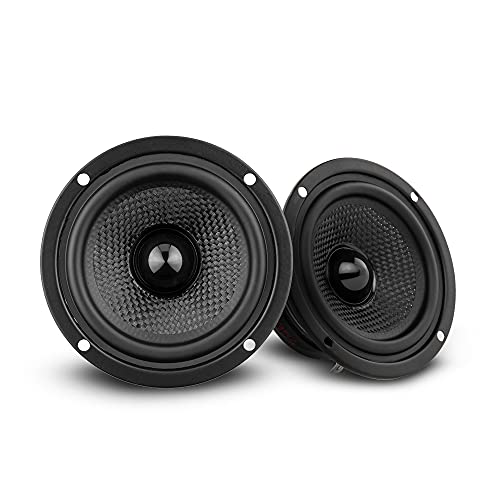
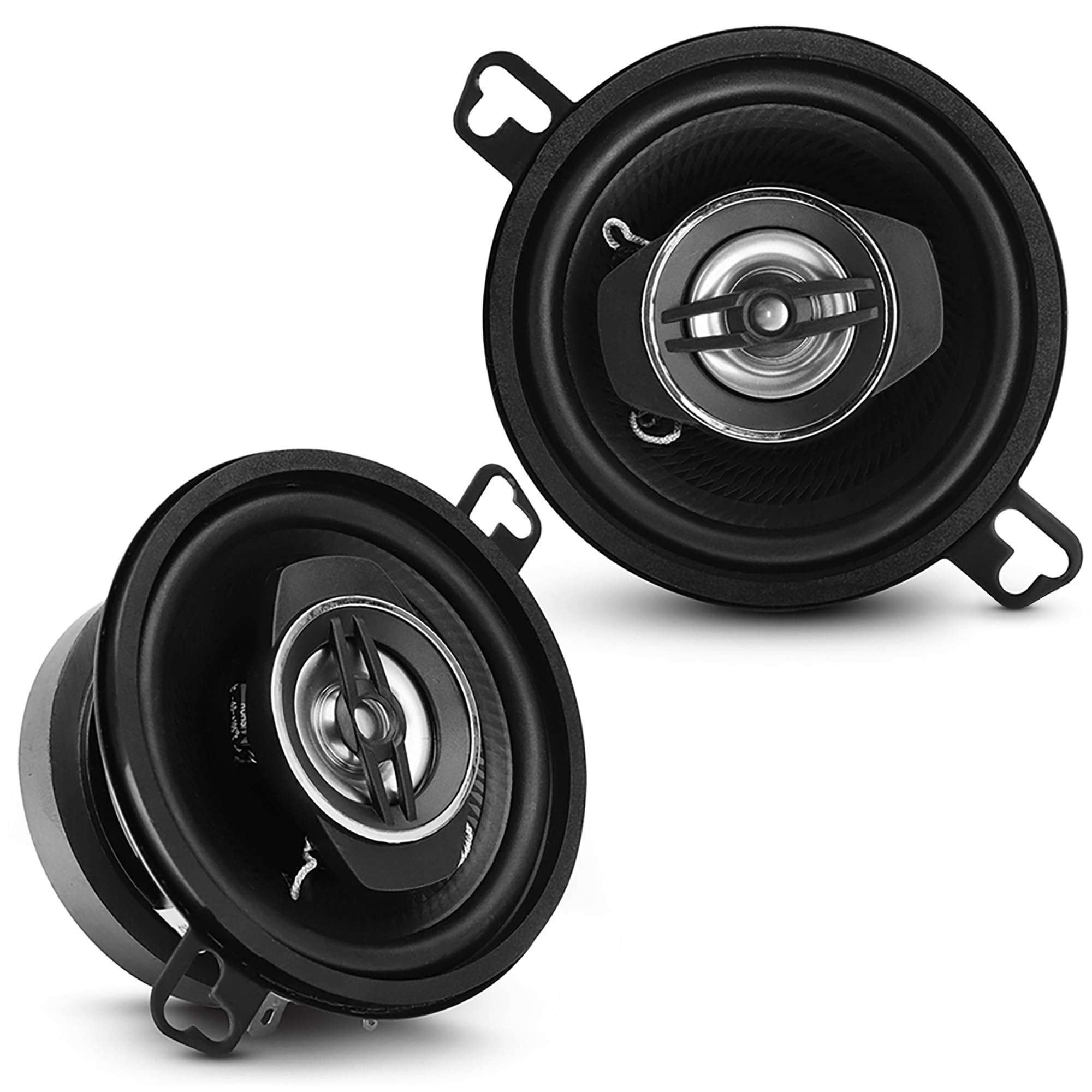
Small speakers, often listed as 3.5 inch or 3 1/2 inch, hide in dashboards, small door pockets, rear decks and A pillars in many cars and trucks. The best 3 1/2 inch car speakers do a specific job: they fill in midrange and vocals where the big door speakers cannot, and they replace tired factory units that sound thin. The product table shows pairs from several makers across price levels.
This guide explains how to confirm the size, what the specs mean, how to mount them properly and which upgrades make the biggest difference to sound.





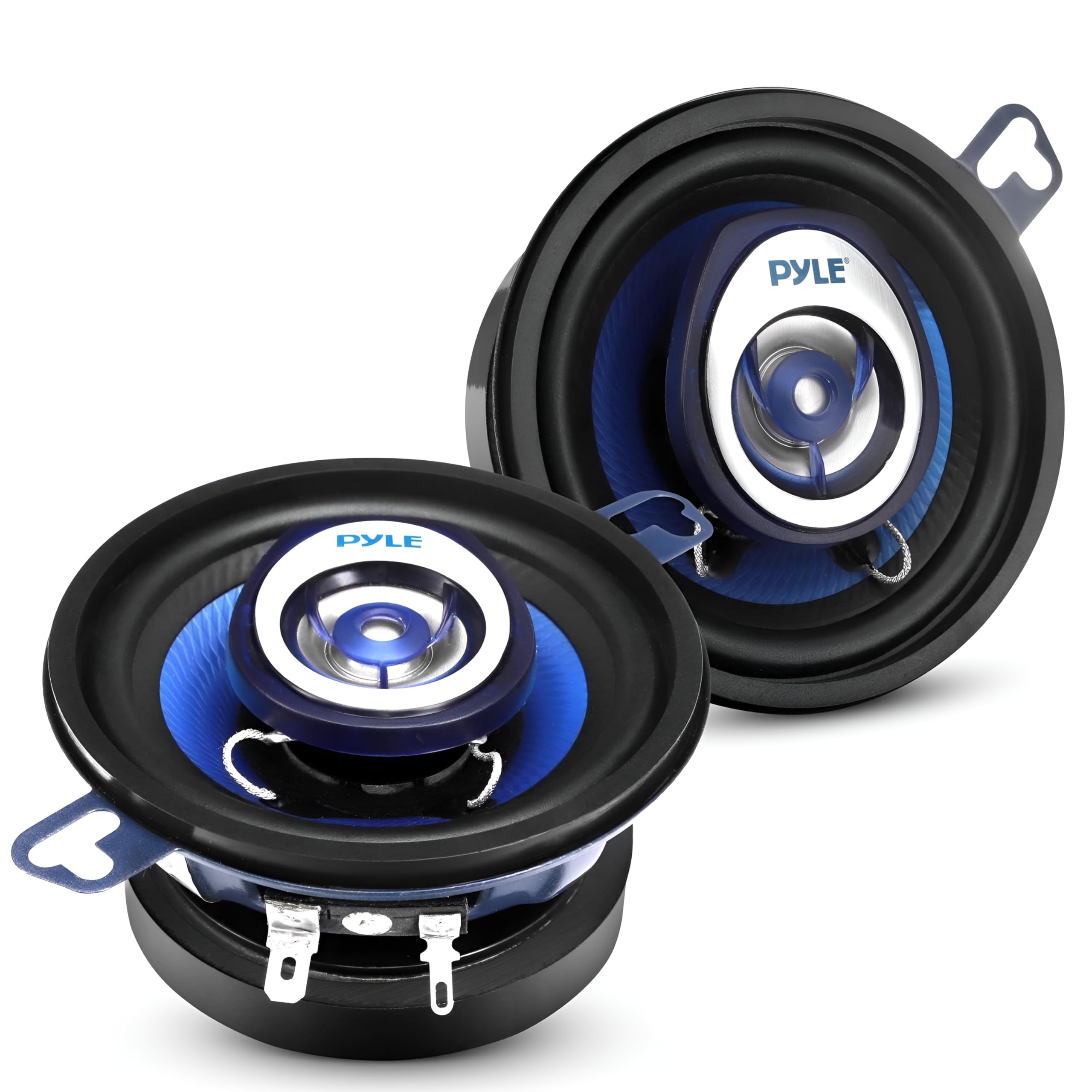
Where 3 1/2 inch speakers go
In many vehicles the dash hosts a center channel speaker and one or two small speakers near the windshield pillars. Some older cars and trucks also use them in the door or kick panels. Because the opening is small, you cannot simply choose a bigger speaker. The product must match the mounting size, the mounting depth and the screw pattern.
Check the existing speaker before you buy. Measure the diameter of the opening, and measure how much space sits behind it, since the magnet can be deeper than the factory speaker. A vehicle fit guide on the maker's page, or a car audio database, will list what fits your year and model.
Coaxial speakers or component sets?
A coaxial speaker places a tweeter on top of the woofer in one unit and is the easy choice. A component set separates the tweeter so it can be mounted higher, which improves the sound stage but needs more wiring and space. In the 3 1/2 inch size, coaxial speakers are by far the more common, and they suit most upgrades.
- Coaxial: one piece, simple to install, good for the dash or door
- Full range: a single driver that handles the whole range, often used for midrange fill
- Component sets: separate tweeter and woofer for better imaging, but only when you have room and time
- Tweeter only: a different product, so do not buy one for a replacement unless you want it
Understanding power and sensitivity
Power ratings come as peak and RMS, and the RMS number is the one that matters. Peak figures sound big but describe a brief burst. Match the RMS rating to your head unit or amplifier. A factory stereo delivers little power, so a speaker with high sensitivity will play louder than a less sensitive one at the same volume setting.
Impedance is nearly always four ohms in car audio, so you rarely need to worry about it. If you add an amplifier, check that its output per channel falls in the speaker's recommended range.
What improves the sound most
Better speaker materials
Cone and tweeter materials affect tone. Polypropylene cones resist moisture and give balanced sound, while stiffer materials can add detail. Silk or similar soft dome tweeters sound smoother, and metal domes sound brighter. Choose according to taste, and be careful with very bright tweeters if you listen at length.
Mounting and sealing
A solid, rattle free mount makes a bigger difference than many specs. Use the supplied gasket or foam ring, tighten the screws evenly and seal gaps behind the speaker. Dash speakers often sit in thin plastic, so a little sound deadening material under the grille reduces buzz.
Power from an amplifier
Small speakers cannot move much air, but a modest amplifier gives them cleaner sound at volume. Even a compact amp can be worth it if you love loud music.
Installation checklist
- Disconnect the battery before you touch any wiring
- Remove the trim panel or dash grille carefully with plastic tools
- Note the polarity of the old wires and label them
- Fit wiring adapters or an adapter plate if the plug or hole differs
- Test the speakers before you refit the panel
- Reassemble and check for rattles at different volumes
Wiring harness adapters are cheap and save you from cutting factory wires. If the openings differ, a bracket or adapter ring can bridge the gap. If you do not feel confident, a car audio shop can fit them in a short visit.
Wiring, polarity and phase
Speakers work correctly only when the positive and negative wires match, and the markings are small. Connecting one speaker backward makes the sound thin and removes bass, because it pushes air out of phase with its neighbor. Always match the stripe or marking on each wire. Most speakers have a larger terminal for positive and a smaller one for negative, and the wire with the stripe is usually negative.
If you add a center speaker in the dash and your stereo has a balance control, set it to the middle and check that vocals sound centered. A small adjustment of the fader and balance often improves the sound more than changing the speaker.
How to choose between the best 3 1/2 inch car speakers
Start with fit. A speaker that does not fit is worthless, regardless of its specs. Then decide your budget and your goal. If you want a simple replacement for a failing factory unit, a basic coaxial pair from a known brand will do. If you want clearer vocals and detail, move up to a pair with better materials and higher sensitivity. Avoid listings that advertise enormous peak wattage at a tiny price, because those numbers rarely reflect real performance.
Check whether the listing sells a single speaker or a pair. Many small units are sold individually, and the table shows which are pairs. Compare prices on a per speaker basis.
FAQ
Will 3.5 inch speakers fit my car?
Only if the opening and the depth match. Measure the opening and read a fit guide for your vehicle.
Do I need an amplifier?
No, but a small amp helps if you like to play music loud. Factory stereos give small speakers little power.
Are 3.5 inch speakers the same as 3 1/2 inch?
Yes, they describe the same size. Retailers use both forms.
Can I mount them in a door?
If the door has a matching hole or you use an adapter ring, yes. Most larger doors take bigger speakers, though. Our 6 1/2 inch speaker guide covers those.
Final thoughts
The best 3 1/2 inch car speakers are the ones that fit your car and suit your budget. Measure the opening and depth, pick coaxial for simplicity, match RMS power to your stereo and take care over mounting. Compare the pairs in the product table.
Prices and availability can change, so check the product page before ordering.


