
Best Evil Cameras: What Actually Matters Before You Buy
Disclosure: We may earn a commission when you buy through links on this page, at no extra cost to you. As an Amazon Associate I earn from qualifying purchases. Learn more

A checklist for choosing an EVIL (mirrorless) camera, with three picks that pass.
EVIL stands for electronic viewfinder interchangeable lens, the camera type most people now simply call mirrorless. These cameras drop the mirror box of a traditional DSLR, so they are smaller and lighter, show you exactly what the sensor sees and focus faster on faces and eyes. To find the best evil cameras, we use a checklist covering sensor size, size and handling, low light performance, video, ease of use and autofocus.
Below, each criterion includes what good and poor look like, followed by three picks that pass the checklist, a quick buyer checklist, red flags and answers to common questions from people upgrading from a phone or an older DSLR.




How We Evaluate Evil Cameras
We judge EVIL cameras on six criteria, weighted toward image quality and autofocus, since those decide how many keepers you bring home. Our scoring uses manufacturer specifications, listing details, lens system breadth and buyer feedback in aggregate.
Sensor Size and Image Quality
Good: an APS-C sensor (about 20 to 26MP) for enthusiasts, or a full frame sensor (about 24 to 45MP) for advanced users and low light work. APS-C sensors, like the 20.9MP sensor in the Nikon Z50 II, are several times larger than a typical phone sensor. Poor: small Micro Four Thirds or 1-inch sensors marketed as pro tools at full frame prices. Larger sensors give cleaner images, better background blur and more dynamic range.
Size, Weight, and Ergonomics
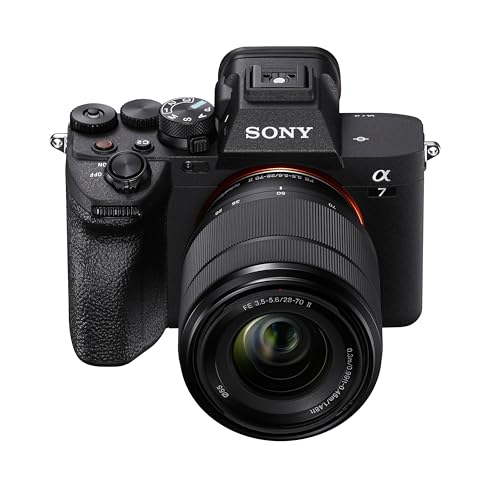
Good: a body under about 1.5 lb with a comfortable grip, well placed dials and a bright electronic viewfinder. Compact APS-C bodies like the Canon EOS R50 suit travel and everyday carry, while full frame bodies like the Sony a7 IV are larger but handle big lenses better. Poor: bodies so small that buttons are cramped, or grips too shallow for longer lenses.
Low Light Performance
Good: clean images at ISO 3200 to 6400, in body or lens stabilization and bright lens options (f/1.8 or faster). Full frame sensors lead in low light, with APS-C close behind. Poor: cameras that need high ISO with small sensors and no stabilization, producing noisy, blurry shots indoors and at night.
Video Capabilities
Good: 4K at 30p or 60p without heavy cropping, 10-bit recording for color grading on advanced models, a flip or vari angle screen and microphone and headphone jacks. The Sony a7 IV records up to 4K 60p 10-bit 4:2:2, and the Nikon Z50 II records 4K 60p with Full HD 120p slow motion, according to the makers. Poor: 4K limited to short clips or heavy crops that make wide shots difficult.
Ease of Use for Your Skill Level
Good for beginners: guided menus, scene and creative assist modes, touchscreens and smartphone apps for quick sharing. Canon's Creative Assist and Nikon's Picture Control presets help new users get attractive results quickly. Good for advanced users: customizable buttons, dual dials and deep menus. Poor: confusing menus with no beginner aids.
Autofocus and Stabilization
Good: subject detection that tracks people, animals, birds and vehicles, such as the Z50 II's nine subject detection and the a7 IV's real time Eye AF. In body stabilization helps with any lens. Poor: contrast only autofocus that hunts in low light, or no stabilization in body or kit lens.
Lens System
Good: a broad lens lineup from the camera maker and third parties such as Sigma and Tamron, with affordable primes and travel zooms. Sony E-mount has the largest selection, with Canon RF and Nikon Z growing quickly. Poor: systems with few affordable lenses, which limit growth.
3 Picks That Pass Our Checklist
The Nikon Z50 II with two lenses is our best overall EVIL camera, the Canon EOS R50 kit is the best value and the Sony a7 IV with 28-70mm lens is the best premium pick.
Best Overall: Nikon Z50 II with Two Lenses
The Nikon Z50 II suits enthusiasts who want a capable, compact camera that grows with their skills. At around $1,397 with two lenses, it pairs a 20.9MP APS-C sensor with autofocus that detects and tracks nine subject types, including people, animals, birds and vehicles, according to Nikon.
Its two standout strengths are video features, including 4K 60p and in camera Full HD 120p slow motion, and 31 built in Picture Control presets for distinctive looks straight out of camera. A built in flash and SnapBridge wireless sharing add everyday convenience. The limitation is the lack of in body stabilization, so it relies on stabilized lenses and electronic stabilization for video.

Best Value: Canon EOS R50 Kit
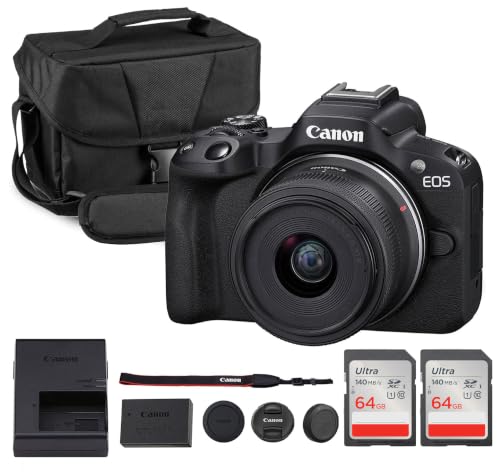
The Canon EOS R50 suits beginners, vloggers and families upgrading from phones. At around $850 for this kit with the 18-45mm lens, a bag and memory cards, it offers an APS-C sensor, oversampled 4K video and Dual Pixel AF II with face and eye detection, per the listing.
Its strengths are beginner friendly controls with Creative Assist and a vari angle touchscreen that flips forward for vlogging, plus vertical video support for social platforms. It is light enough for daily carry. The limitation is a small battery and no in body stabilization, so carry a spare battery for long days.
Best Premium Pick: Sony Alpha a7 IV with 28-70mm Lens
The Sony a7 IV suits advanced photographers and hybrid shooters. At around $2,198 with the 28-70mm lens, it uses a 33MP full frame back illuminated sensor with Sony's BIONZ XR processor and real time Eye AF for humans, animals and birds.
Its strengths are excellent low light and dynamic range from the full frame sensor and professional video features, including 4K 60p 10-bit 4:2:2, S-Log3 and focus breathing compensation. Sony's E-mount offers a huge lens selection. The limitation is the size, weight and cost of full frame lenses compared with APS-C systems.

Quick Buyer Checklist
Answer these yes or no questions before buying.
- Is the sensor APS-C or full frame for your budget and goals?
- Does the autofocus detect and track the subjects you shoot most?
- Is there stabilization in the body or in the lenses you plan to use?
- Does it record the video resolution and frame rates you need?
- Does the screen flip or rotate for selfies, vlogging or low angles?
- Are affordable lenses available for the mount?
- Is the body comfortable in your hand with your typical lens?
- Does battery life suit a full day, or will you need spares?
Red Flags to Watch For
Skip cameras or listings with these warning signs.
- Gray market or international bodies: they may lack a US warranty; look for USA model listings.
- Bundles padded with low quality extras: cheap filters and off brand lenses add little value.
- Old models at new prices: check release years before paying near launch prices.
- Heavy 4K crop: it makes wide angle video difficult without very wide lenses.
- Thin lens lineups: a mount with few affordable lenses limits future upgrades.
APS-C vs Full Frame EVIL Cameras
| Factor | APS-C | Full Frame |
|---|---|---|
| Typical kit price | Around $750 to $1,900 | Around $2,000 and up |
| Size and weight | Smaller bodies and lenses | Larger, heavier lenses |
| Low light | Very good | Excellent |
| Background blur | Good with bright lenses | Stronger at the same aperture |
| Reach for wildlife | Crop factor adds apparent reach | Needs longer lenses |
Most beginners and travelers are happiest with APS-C, while professionals, low light shooters and video producers often prefer full frame.
EVIL Cameras vs DSLRs
The best evil cameras have largely replaced DSLRs, and the reasons show up in daily use.
- Viewfinder: an electronic viewfinder previews exposure, white balance and focus peaking before you press the shutter; an optical DSLR viewfinder shows the scene but not the final exposure.
- Autofocus: on sensor autofocus with subject detection tracks eyes and animals across the whole frame, while most DSLR systems cover a smaller central area.
- Size: without a mirror box, EVIL bodies and many lenses are smaller and lighter.
- Video: EVIL cameras focus smoothly during video and show what the sensor records.
- Battery: DSLRs still last longer per charge, since optical viewfinders use no power.
Camera makers now focus new lenses and bodies on mirrorless mounts, so an EVIL camera is the better long term investment for new buyers.
Building a Starter Lens Kit
A thoughtful lens kit matters more than upgrading the body. Start with the kit zoom, which covers everyday wide to standard shots. Add a fast prime, such as a 35mm or 50mm f/1.8, for portraits, food and low light; these lenses are often inexpensive and light. A telephoto zoom in the 55 to 250mm range opens up sports, wildlife and candid portraits. Travelers may prefer a single all in one zoom such as an 18 to 135mm or 18 to 150mm to avoid lens changes. Third party makers like Sigma and Tamron offer high quality alternatives on popular mounts.
Tips to Get the Most From Your Evil Camera
- Shoot in RAW plus JPEG while learning so you can edit important shots later.
- Add a fast prime lens, such as a 35mm or 50mm f/1.8, for portraits and low light.
- Update firmware for autofocus and video improvements.
- Carry a spare battery, since electronic viewfinders use more power than optical ones.
- Clean the sensor carefully or have it cleaned professionally when spots appear.
Frequently Asked Questions
What does EVIL camera mean?
EVIL means electronic viewfinder interchangeable lens, the same thing as a mirrorless camera. These cameras show the image from the sensor in an electronic viewfinder or on the rear screen instead of using a mirror and optical viewfinder like a DSLR, which makes them smaller and lets them preview exposure in real time.
What specs matter most for beginners?
An APS-C sensor, reliable subject detection autofocus, a flip screen and easy menus matter most. Beginners also benefit from creative presets and smartphone apps for quick sharing. Kits like the Canon EOS R50 bundle these features with an everyday zoom lens.
How much should I spend on my first one?
Around $750 to $1,400 buys an excellent first EVIL camera kit. That covers capable APS-C bodies with kit lenses from Canon, Nikon, Sony and Fujifilm. Save some budget for a spare battery, a memory card and eventually a fast prime lens.
Is a smartphone enough instead?
For casual snapshots, yes; for zoom, low light, action and background blur, an EVIL camera is far better. Larger sensors, real optical zoom and interchangeable lenses give results phones cannot match, especially for sports, wildlife and portraits.
Which is better for low light?
A full frame EVIL camera is best for low light, followed by APS-C. Pair any camera with a bright lens (f/1.8 or faster) and stabilization for the cleanest results in dim conditions.
Can I use my old DSLR lenses on an EVIL camera?
Often yes, with the right adapter. Canon EF lenses work on Canon RF bodies with Canon's adapter, and Nikon F lenses work on Nikon Z bodies with the FTZ adapter, usually with full autofocus. Third party adapters let some lenses work across brands, though autofocus speed can vary.
Do EVIL cameras have good battery life?
Battery life is shorter than on DSLRs, typically a few hundred shots per charge. Electronic viewfinders and screens use power, so carry a spare battery and use USB-C charging where supported to top up from a power bank during long outings.
The Bottom Line
Choose your sensor size by goals and budget, insist on modern subject detection autofocus and pick a mount with lenses you can afford. The Nikon Z50 II suits most enthusiasts, the Canon EOS R50 offers the best value for beginners and the Sony a7 IV delivers full frame quality for advanced shooters. Keep that checklist in mind and the best evil cameras will take your photos far beyond what a phone can do. Compare current models in the product table above, and see our guide to the best digital cameras for compact options.


