
Best Interchangeable Lens Cameras: Every Type Explained Side by Side
Disclosure: We may earn a commission when you buy through links on this page, at no extra cost to you. As an Amazon Associate I earn from qualifying purchases. Learn more

DSLR, APS-C and full frame mirrorless cameras compared, with three starting picks and buying advice.
An interchangeable lens camera lets you swap lenses to match what you are shooting: a wide lens for landscapes, a fast prime for portraits, a long zoom for wildlife or sports. That flexibility, combined with much larger sensors than a phone, is why these cameras remain the step up for anyone serious about photos or video. This guide compares every type of camera so you can choose the best interchangeable lens cameras for your skills, subjects and budget.
The short answer: most new buyers should choose an APS-C mirrorless camera with a kit lens, which balances image quality, size and price; budget buyers can still get great results from an entry DSLR, and full frame mirrorless suits enthusiasts and professionals who want the best low light quality and the widest lens choice.


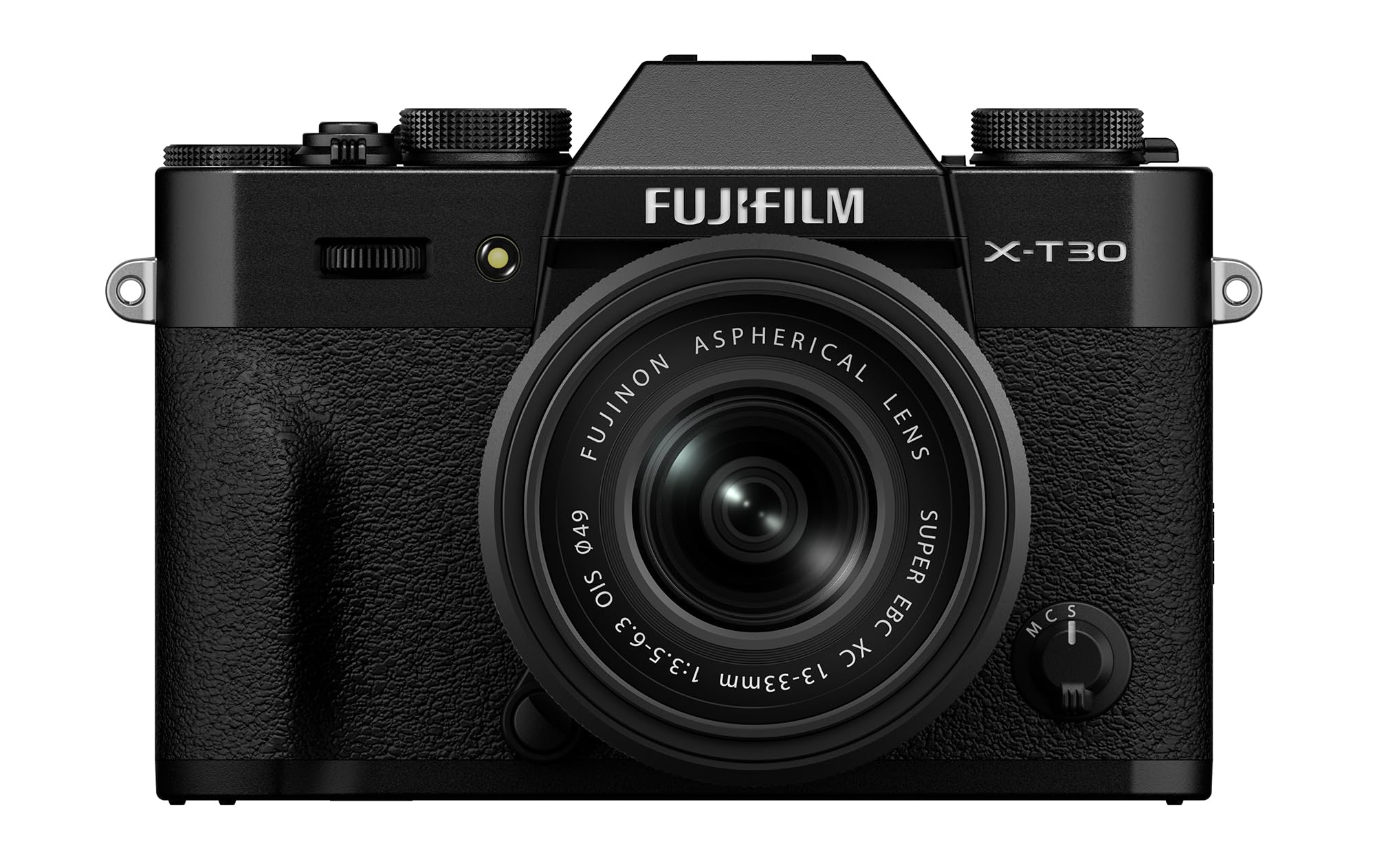
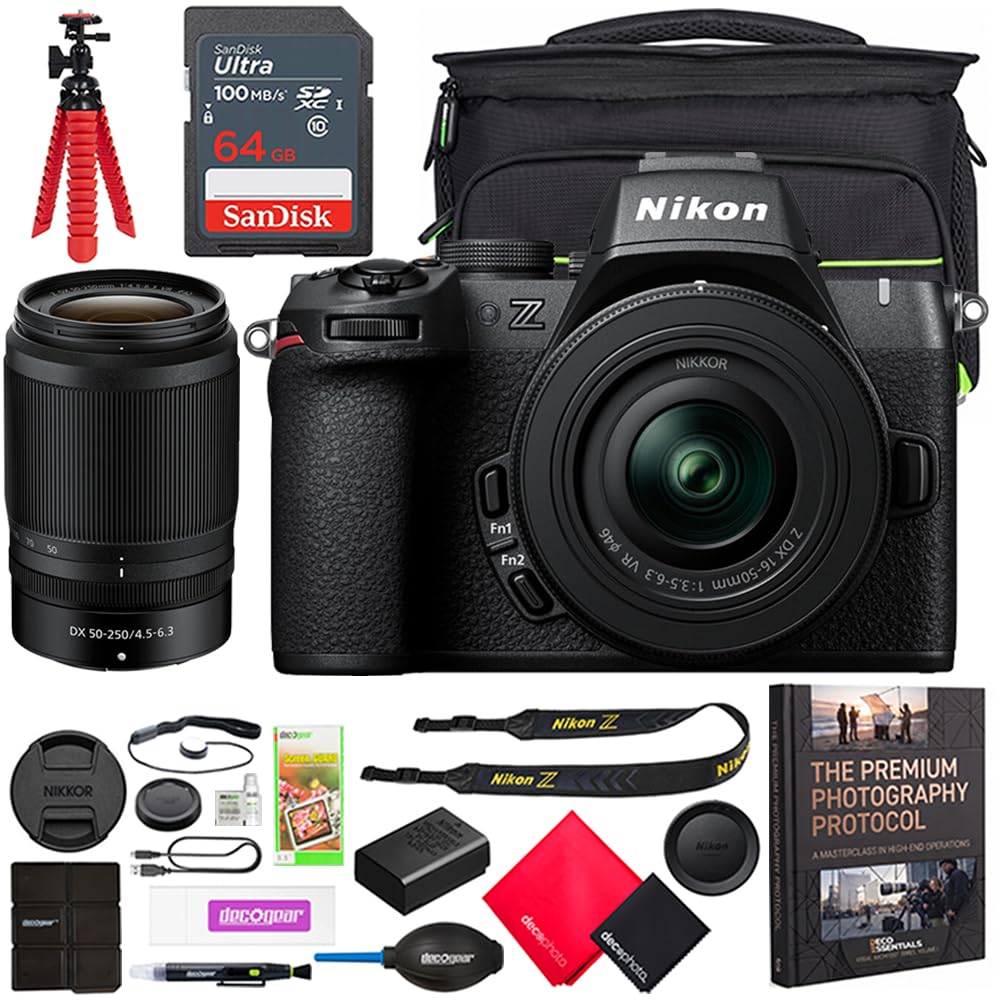

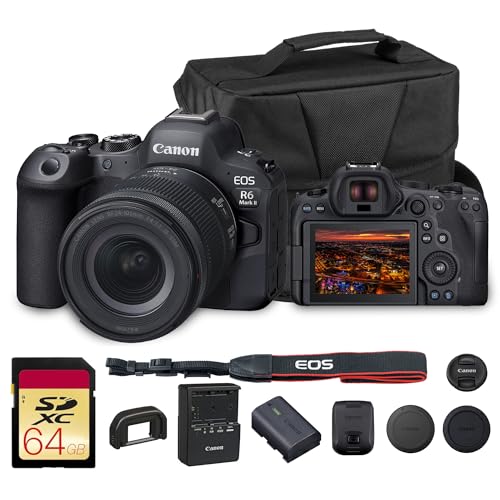
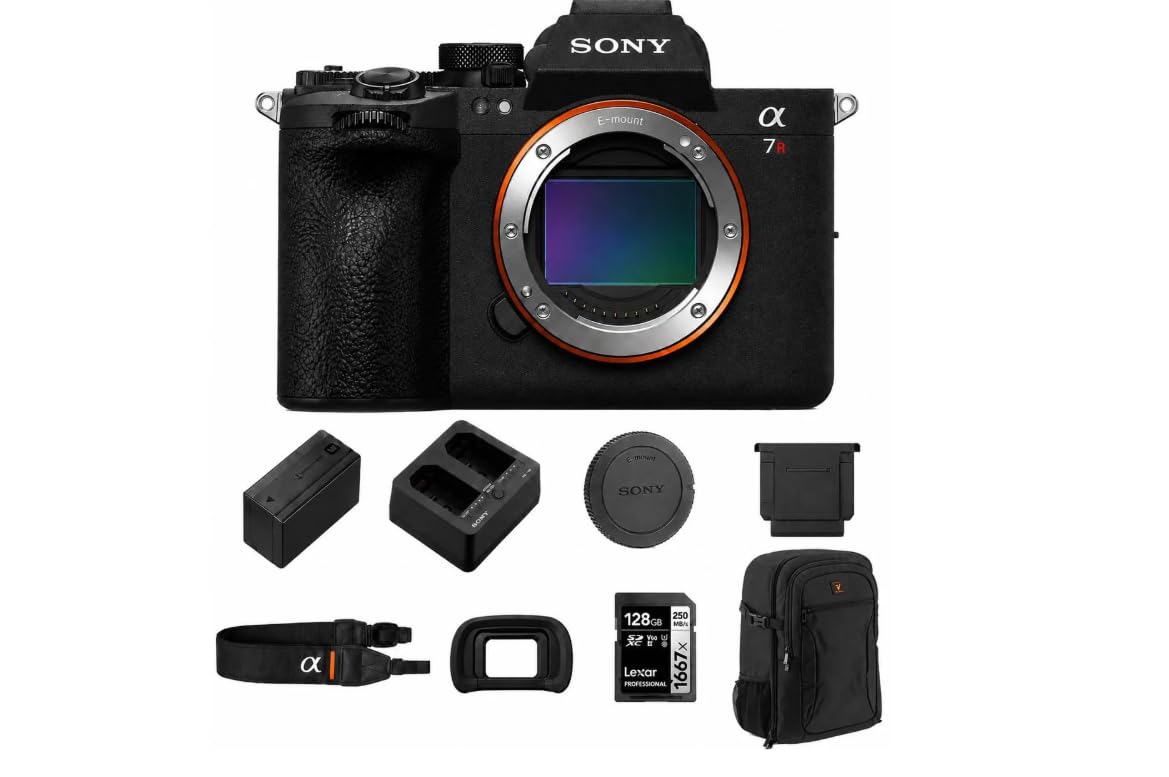
Our Top 3 Picks at a Glance
For readers who want a quick starting point, these three cameras cover the most common needs.
Best overall: the Canon EOS R10 Mirrorless Camera Lens Kit, around $1,149, pairs a 24.2MP APS-C sensor with subject detection autofocus and up to 15 fps continuous shooting with the mechanical shutter in a compact, lightweight body.

Best value: the Canon EOS Rebel T7 DSLR Double Zoom Lens Kit, around $619, includes two lenses, making it an affordable way to start learning photography with a traditional optical viewfinder.

Best for video and vlogging: the Sony Alpha a6400 bundle, around $998, combines a 24.2MP APS-C sensor with oversampled 4K video, S Log profiles and a 16 to 50mm power zoom lens, plus extra batteries and memory cards.

Types of Interchangeable Lens Cameras Compared
Interchangeable lens cameras fall into a handful of types. Here is how they compare at a glance.
| Type | Best For | Pros | Cons | Typical Price (with lens) |
|---|---|---|---|---|
| Entry DSLR | Budget beginners | Affordable, long battery life, optical viewfinder | Bulkier, older autofocus, fewer new lenses | around $500 to $800 |
| APS-C Mirrorless | Most buyers | Compact, modern autofocus, good video | Smaller sensor than full frame | around $800 to $1,500 |
| Full Frame Mirrorless | Enthusiasts and pros | Best low light and depth of field control | Expensive, larger lenses | around $1,800 to $4,000+ |
| Vlogging and Video Mirrorless | Creators | Flip screens, video features, mic inputs | Some lack viewfinders | around $700 to $2,500 |
Entry DSLR Cameras
Digital single lens reflex cameras use a mirror to bounce light into an optical viewfinder, so you see the scene directly through the lens. Entry models are often the cheapest way into interchangeable lens photography, and many come bundled with two zoom lenses.
DSLRs offer excellent battery life and a huge used lens market. The trade offs are size, weight and autofocus that is less advanced than modern mirrorless systems, especially for video and moving subjects. Camera makers are now focusing new lenses on mirrorless mounts, so think about how much you will expand your kit.
APS-C Mirrorless Cameras
Mirrorless cameras remove the mirror and use an electronic viewfinder or rear screen, which makes them smaller and lets the camera show the exposure before you shoot. APS-C models use a sensor roughly the size used in most consumer DSLRs, giving a good balance of quality, size and cost.
They are the sweet spot for most buyers, with fast subject detection autofocus, strong 4K video and compact lenses. The sensor is smaller than full frame, so low light performance and background blur are a little behind, but for travel, family and everyday photography the difference is small.
Full Frame Mirrorless Cameras
Full frame cameras use a sensor about the size of a 35mm film frame. That larger sensor captures more light, delivering cleaner images in dim conditions and more control over background blur, which portrait and event photographers value.
The downside is cost: bodies, lenses and accessories all cost more, and lenses are usually larger and heavier. Full frame makes the most sense for enthusiasts, wedding photographers and anyone who shoots often in low light.
Vlogging and Video Focused Cameras
Some interchangeable lens cameras are tuned for creators, with flip out screens, microphone inputs, log profiles and stabilization. They suit YouTubers, content creators and hybrid shooters who care as much about video as stills.
Many skip the viewfinder to save size, which can make bright outdoor photography harder. Check recording limits and heat management if you film long clips.
APS-C Mirrorless vs Full Frame: Which Should You Choose?
Choose APS-C if you want a smaller, lighter kit, are learning photography or have a budget under about $1,500 including lenses. The crop factor also gives telephoto lenses more apparent reach, which helps for wildlife and sports. Choose full frame if you shoot weddings, events or night scenes, want the shallowest depth of field for portraits or plan to invest heavily in professional lenses. Many photographers start on APS-C and move to full frame later within the same brand, since lenses often work across both formats.
How to Choose the Right Interchangeable Lens Camera
Beyond type, these factors decide whether a camera is a good fit.
Lens System and Ecosystem
When you buy a camera, you buy into a lens mount. Check that the brand offers the lenses you will want next, such as a fast portrait prime, a travel zoom or a telephoto. Canon, Sony, Nikon and Fujifilm all have broad systems, and third party lens makers add more affordable options for popular mounts.
Autofocus and Stabilization
Modern subject detection autofocus can track eyes, faces, animals and vehicles, which makes it far easier to get sharp shots of kids, pets and sports. In body image stabilization helps with handheld photos and smooth video, especially with older or unstabilized lenses.
Sensor Size and Image Quality
Larger sensors capture more light and detail. Resolution around 24MP is plenty for most people, including large prints and cropping. Higher resolution helps landscape and studio photographers but creates bigger files.
Ease of Use for Your Skill Level
Beginners benefit from guided modes, clear menus and a good automatic mode. Enthusiasts often prefer physical dials for shutter speed, aperture and ISO. Hold the camera if you can, since grip comfort matters on long days.
Video Features
Look for 4K recording, a flip screen, a microphone input and good autofocus in video if you plan to film. Log profiles help with color grading, but they are not essential for casual use.
Durability and Weather Sealing
Weather sealed bodies and lenses resist dust and light rain, useful for hiking, travel and outdoor sports. Entry models usually have limited sealing, so carry a rain cover.
Lens and Zoom Range
Kit lenses usually cover wide to standard focal lengths. Double zoom kits add a telephoto lens for sports and wildlife at a small extra cost, which is often better value than buying the lens later.
Best Interchangeable Lens Cameras for Specific Needs
Different uses favor different types of camera.
Best DSLR and Interchangeable Lens Cameras for Video: Which Type Works Best
For video, mirrorless cameras are the clear choice over DSLRs. Their autofocus works continuously while recording, they show exposure in the viewfinder and many record oversampled 4K with log profiles. Choose a mirrorless body with a flip screen and microphone input for vlogging, or a full frame body for low light filming and cinematic background blur.
Best Cameras for Travel
For travel, a compact APS-C mirrorless camera with a small zoom lens is the best balance of quality and weight. Add a pancake prime for street photography and a lightweight telephoto only if you know you will use it.
Best Cameras for Families
Parents usually want fast autofocus that tracks running kids, simple controls and a lens that covers indoor birthday parties and outdoor games. An APS-C mirrorless camera with eye detection and a double zoom kit handles most family moments, and a fast prime makes indoor shots much cleaner without flash.
Best Cameras for Sports and Wildlife
Fast burst shooting, tracking autofocus and long lenses matter most. APS-C bodies give telephoto lenses extra reach, which helps when you cannot get close.
Understanding Crop Factor and Focal Length
Focal length tells you how wide or zoomed in a lens is. On a full frame camera, around 24mm is wide, 50mm looks similar to the human eye and 85mm or more suits portraits. APS-C sensors are smaller, so they crop the image and make lenses behave as if they were longer, usually by a factor of about 1.5 or 1.6. A 50mm lens on APS-C frames more like an 80mm lens on full frame, which is great for portraits but less wide for interiors.
This matters when you compare kits. A typical APS-C kit zoom of around 18 to 55mm covers wide to short telephoto, while a 75 to 300mm telephoto on APS-C reaches far enough for sports from the stands and wildlife in parks. If you love landscapes or architecture, budget for a dedicated wide angle lens.
Building Your First Lens Kit
Start with the kit zoom that comes with your camera and use it for a few months to learn which focal lengths you reach for most. The most popular second lens is a fast 50mm equivalent prime with a wide aperture such as f/1.8, which is inexpensive, sharp and excellent in low light and for portraits with blurred backgrounds. If you shoot sports, kids' games or wildlife, add a telephoto zoom next. Travelers often swap the kit lens for a single all in one zoom so they never need to change lenses on the go.
Common Mistakes First Time Buyers Make
- Spending everything on the body and nothing on lenses, which shape image quality just as much.
- Ignoring the lens ecosystem and picking a mount with few affordable options.
- Buying full frame too early before learning the basics.
- Forgetting accessories such as a spare battery and fast memory card.
- Never leaving automatic mode; aperture priority is an easy first step to more control.
Essential Accessories for a New Camera
- An extra battery, since mirrorless cameras use power quickly.
- A fast memory card rated for 4K video if you film.
- A protective UV or clear filter and lens cap leash.
- A comfortable strap and padded bag.
- A fast prime lens, such as a 50mm equivalent, for portraits and low light.
How to Make Your Interchangeable Lens Camera Last Longer
Change lenses quickly, with the camera pointed down, to keep dust off the sensor. Use a blower rather than cloths to clear dust, and have the sensor professionally cleaned if spots appear. Store the camera and lenses in a dry place, using silica gel in humid climates to prevent fungus. Remove batteries during long storage, keep firmware updated and use lens caps whenever lenses are off the camera.
FAQs
These are the questions buyers ask most often.
How much should I spend on my first one?
Around $600 to $1,200 buys an excellent first camera with a kit lens. Spending a little more on a double zoom kit or an extra prime lens often improves results more than a more expensive body.
What specs matter most for beginners?
Reliable autofocus, easy menus, a good kit lens and a comfortable grip matter most. Resolution beyond 24MP and pro video features are rarely what holds beginners back.
Mirrorless or DSLR for a beginner?
Mirrorless is the better long term choice for most beginners because new lenses and features are focused there. A DSLR is still a good value if your budget is tight or you prefer an optical viewfinder.
Which is better for low light?
Full frame cameras handle low light best. On APS-C, a fast prime lens with a wide aperture makes a big difference in dim conditions.
Is a smartphone enough instead?
Phones are excellent for everyday snapshots, but interchangeable lens cameras deliver better background blur, telephoto reach, low light quality and control. If you want to learn photography or shoot sports, wildlife or events, a dedicated camera is worth it.
Whichever of the best interchangeable lens cameras you choose, the lenses you add over time will shape your photos as much as the body itself, so choose a system you can grow into.
Wrapping Up
The three things that matter most are the lens system you buy into, autofocus that keeps up with your subjects and a sensor size that fits your budget. Most buyers will be happiest with APS-C mirrorless, budget beginners can still learn well on an entry DSLR and enthusiasts should consider full frame. Use this guide to choose the best interchangeable lens cameras for how you shoot, then check the product table above for current prices. For simpler point and shoot options, see the best digital cameras.


