
The Best Medium Range Smartphones for 2026: Smart Mobile Buyer Guide
Disclosure: We may earn a commission when you buy through links on this page, at no extra cost to you. As an Amazon Associate I earn from qualifying purchases. Learn more

Shopping for a capable phone without paying flagship money? Compare the best medium range smartphones by screen, camera, battery, charging and update support.
Most people who want a dependable phone do not need to spend over a thousand dollars. The best medium range smartphones now offer 120Hz OLED screens, main cameras with optical image stabilization, 5G data and all day battery life, usually at well under half the price of a flagship (often around $300 to $500).
Whether you want sharp family photos, smooth mobile games, or simply a phone that keeps receiving software updates for years, this tier offers strong value. Below we walk through the specs that matter: processors, screens, cameras, batteries, charging, durability and update promises. The picks in the table show current options that fit these guidelines.

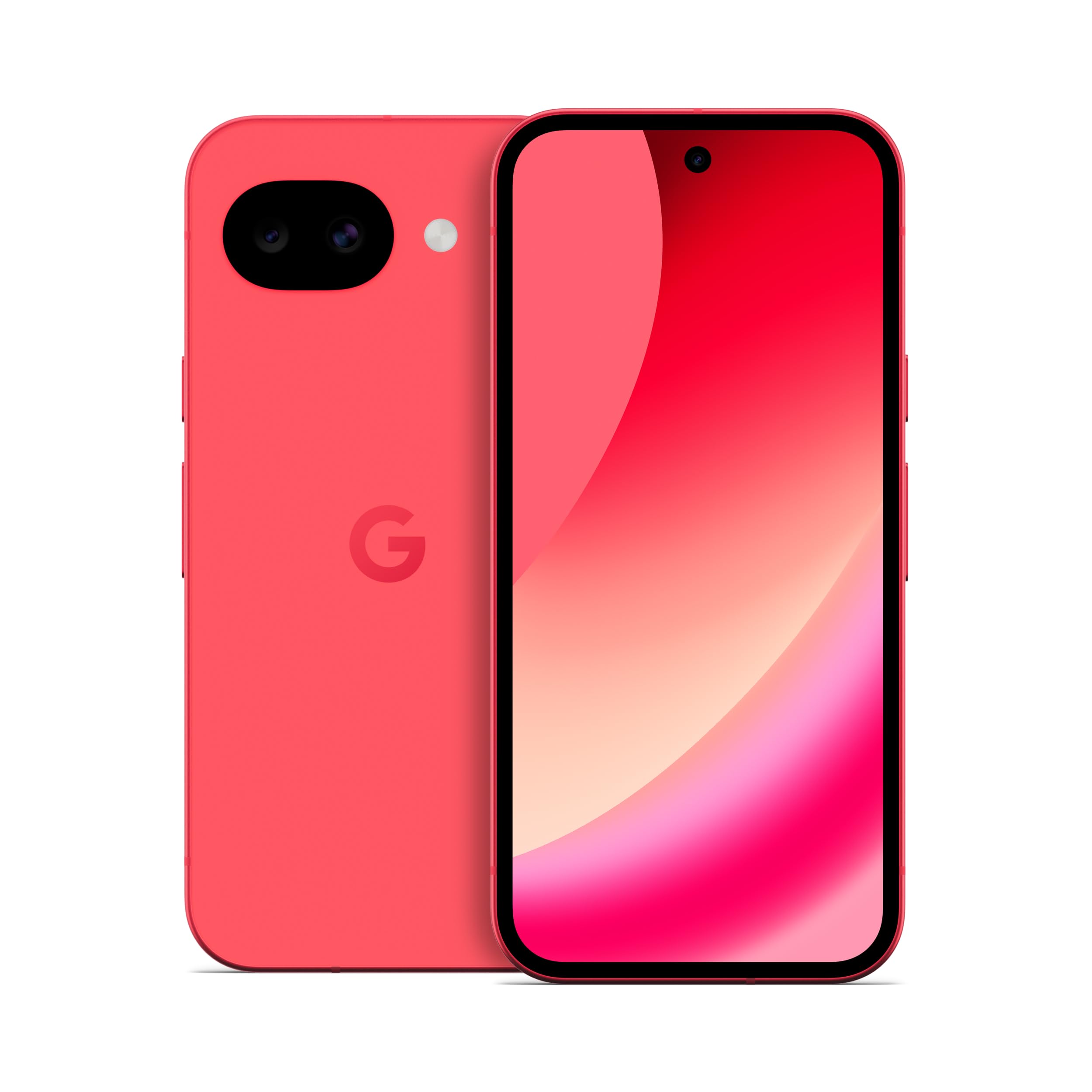
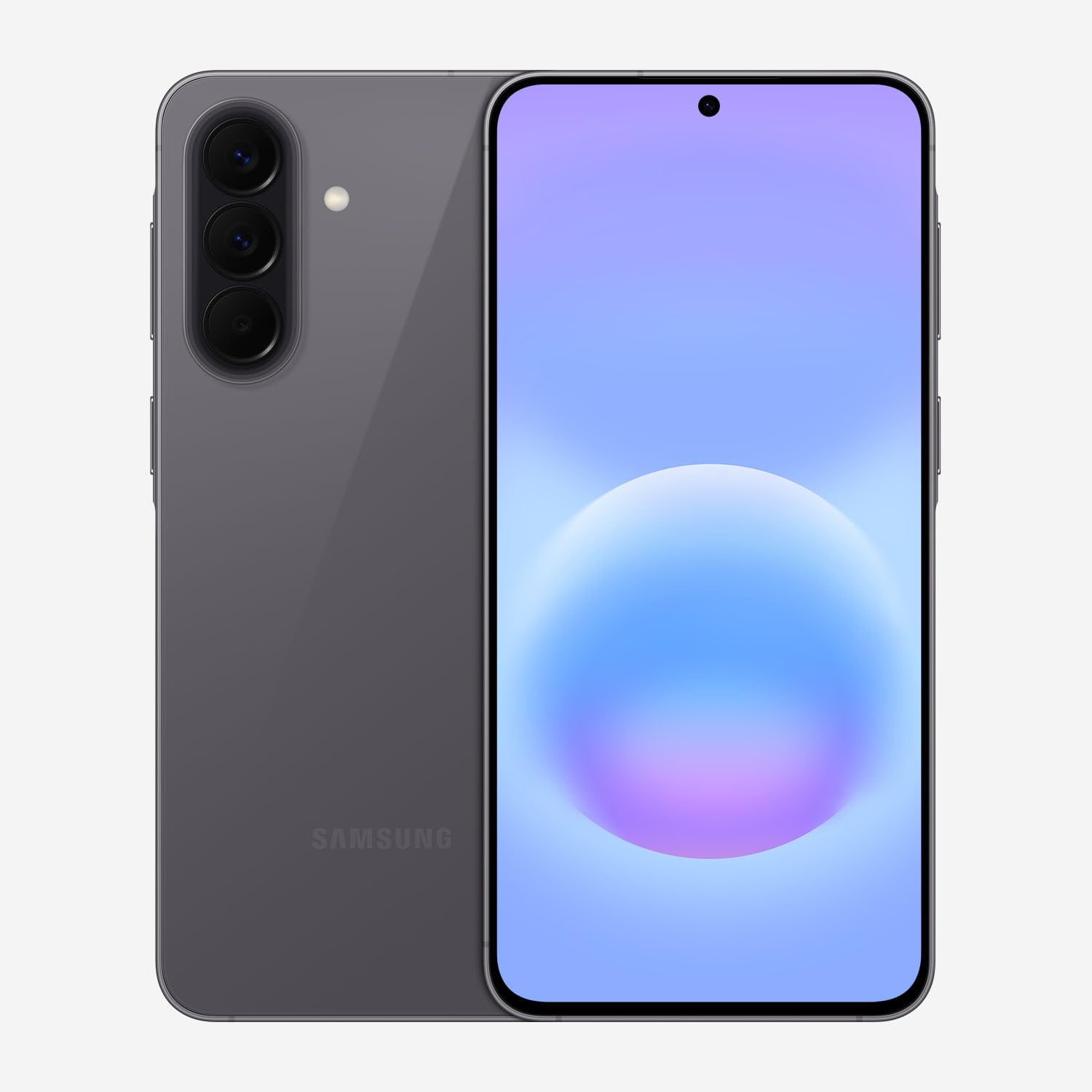
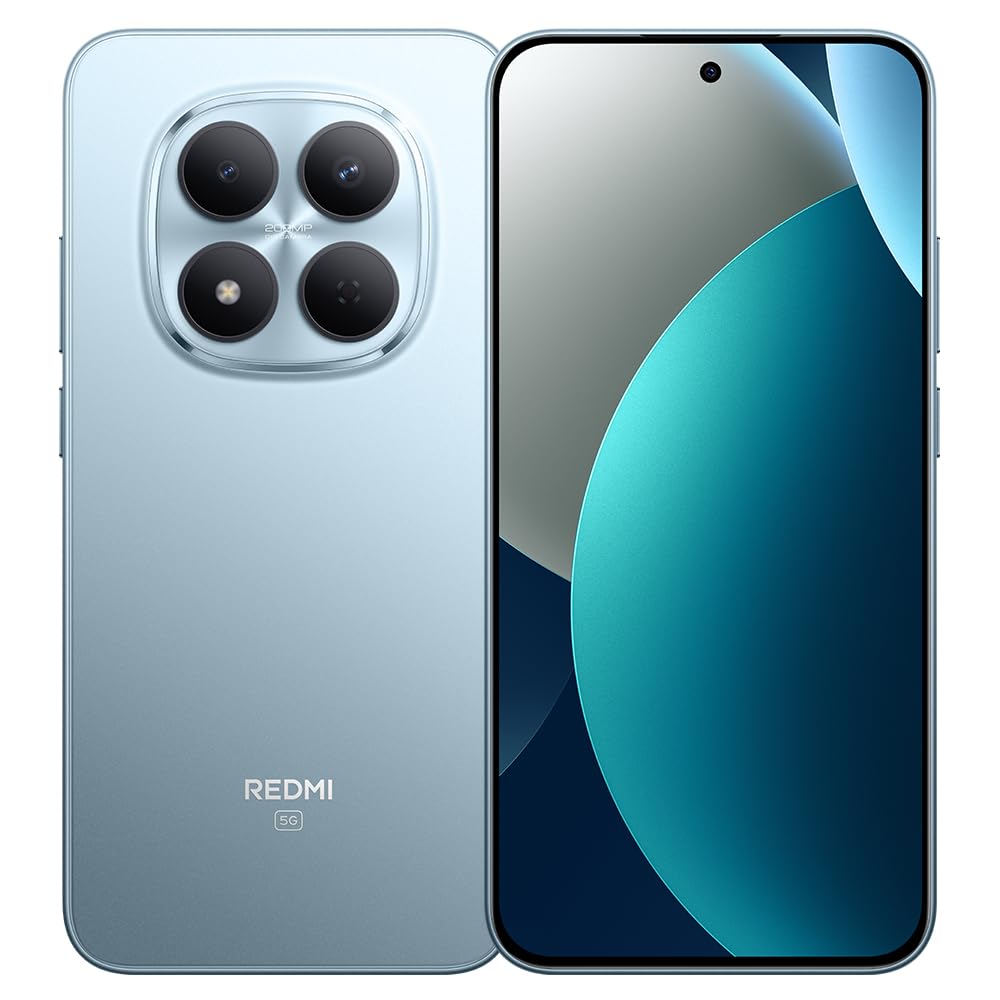


How to Choose the Best Medium Range Smartphones
A good midrange phone balances processor efficiency, camera quality and software longevity rather than chasing every spec. Check the following areas before you buy, and compare them across the picks in the table.
Which processor should a midrange phone have?
Look for a recent Qualcomm Snapdragon 7 series, MediaTek Dimensity 7000 or 8000 series, or Google Tensor chip. The processor sets app speed, gaming ability and battery endurance.
- Snapdragon 7 Series: Known for power efficiency, balanced gaming performance and steady temperatures during video calls.
- Google Tensor: Focused on computational photography, voice dictation and on device translation.
- Dimensity Series: Strong multi core performance and efficient built in 5G modems at competitive prices.
Pair the chip with at least 6GB of RAM and 128GB of storage so the phone stays smooth as apps and photos pile up.
Is a 120Hz AMOLED display worth looking for?
Yes, a Full HD Plus AMOLED or OLED screen with a 120Hz refresh rate is the standard to aim for. A 60Hz LCD feels noticeably less fluid at this price.
AMOLED panels give deep blacks, high contrast and vivid color for streaming video. A 120Hz rate makes scrolling, social feeds and games look smoother. Also check peak brightness, since a screen that reaches around 1,000 nits or more stays readable outdoors.
What matters most in a midrange camera?
The quality of the primary sensor matters far more than the number of lenses. Many budget phones add two megapixel macro sensors that rarely improve photos.
Look for a large main sensor of around 50MP with optical image stabilization (OIS). OIS physically steadies the lens, which reduces blur in handheld shots and helps in dim restaurants and night streets. A decent ultrawide or telephoto lens is a useful bonus.
How big should the battery be and how fast should it charge?
Aim for a battery of about 5,000 mAh, which typically supports a full workday and often more. Capacity alone is not everything, because screen and chip efficiency also shape real endurance.
For charging, look for wired speeds from 30W to 67W or higher, which can bring many phones to roughly half charge in about 20 to 30 minutes. Check whether the charger is included in the box, as some makers no longer pack one.
How long will the phone get software updates?
Check the maker's stated update policy before buying, because it decides how long the phone stays secure. Several midrange brands now promise three to five years of Android updates and security patches.
Longer support keeps banking apps working, adds new features and protects against newly found vulnerabilities. A phone with a great screen but only two years of updates is often the weaker long term buy.
What durability features should I check?
Look for Corning Gorilla Glass (such as Victus or Gorilla Glass 5) on the front and an IP67 or IP68 rating for dust and water resistance. These protect against scratches, drops and everyday splashes.
An IP67 rating covers brief immersion in fresh water, so it helps with sink drops, rain and spills. It does not cover hot water, steam or soapy water, and water damage is usually excluded from warranties.
Do haptics and speakers really matter?
Yes, because they shape how the phone feels in daily use. A linear resonant haptic motor gives crisp, subtle clicks when typing, while cheaper rotary motors feel buzzy and hollow.
For audio, look for dual stereo speakers, often with Dolby Atmos tuning. They give clearer dialogue and wider sound than a single bottom speaker, which is handy when following a video tutorial while your hands are busy. Dual noise canceling microphones also keep your voice clear on busy streets.
Are fingerprint sensors and clean software important?
They are, since you use them dozens of times a day. In display optical sensors and side mounted power button scanners both unlock quickly, so choose the style you find more comfortable.
Clean software with little preinstalled bloatware means faster app launches, fewer notification popups and better battery life. Wireless charging is rare at this price, so treat it as a bonus rather than a requirement.
Popular Midrange Smartphone Types Compared
Most midrange phones lean toward one of three profiles, so pick the one that matches how you use your phone.
Camera Focused Phones
These phones pair a large OIS main sensor with strong night modes and natural skin tones. They suit parents, hobby photographers and content creators who want great photos without a flagship price.
Performance and Gaming Phones
These use faster chipsets, better cooling such as vapor chambers, stereo speakers and high touch sampling rates. They suit people who play online action games and want steady frame rates.
Battery Focused Everyday Phones
These combine efficient processors, clean software and large batteries that can stretch to two days of moderate use. They suit commuters, delivery drivers and professionals who rarely have time near a charger.
Essential Habits for Maintaining Smartphone Health
A few simple habits protect the phone and its resale value over several years.
- Use a case and screen protector: A raised bezel case and tempered glass protector shield the corners and display from drops.
- Keep it out of hot cars: Lithium batteries age faster in high heat, so never leave the phone on a sunny dashboard.
- Turn on adaptive charging: This feature slows charging near full capacity, which reduces stress on the battery during overnight charging.
- Restart weekly: A reboot clears temporary memory, refreshes network connections and keeps animations smooth.
Frequently Asked Questions
Is a midrange smartphone as fast as a flagship phone for everyday use?
For most daily tasks, yes. Social media, browsing, streaming and photography run smoothly on current midrange chips. The gap shows mainly in heavy gaming, video editing and top end camera zoom.
Do midrange smartphones take good photos in low light?
Many do, provided they have a large main sensor with optical image stabilization. Software night modes add further clarity. Ultrawide and selfie cameras are usually weaker in the dark than the main lens.
Does 5G drain the battery faster?
It can in weak signal areas, but modern modems are much more efficient than early ones. Most phones switch between 4G and 5G automatically to save power. If battery life is short, a setting that limits 5G to when it is needed can help.
How long will a midrange smartphone last?
Many last four to five years of daily use with good care. The maker's update promise and the battery's health are the main limits. Replacing the battery late in life can extend usefulness further.
Should I buy a midrange phone with or without a charger in the box?
Check the listing first, because some makers have dropped the charger. If it is missing, budget around $15 to $30 for a quality adapter that matches the phone's fast charging speed.
Final Thoughts
You do not need to fall into the flagship price trap. Prioritize a 120Hz OLED display, a large OIS main camera, a battery near 5,000 mAh and a clear multi year update promise, and the best medium range smartphones will handle work, photos and entertainment well. Compare the picks in the table above and choose the one that fits how you use your phone.


