Best 4K Projectors: A First Time Buyer's Guide
Disclosure: We may earn a commission when you buy through links on this page, at no extra cost to you. As an Amazon Associate I earn from qualifying purchases. Learn more

A beginner friendly guide to 4K projectors: how they work, specs in plain English, rookie mistakes and how to set one up the first night.
A 4K projector can turn a blank wall into a 100 inch or larger cinema screen, but first time buyers quickly run into confusing terms like lumens, pixel shifting, throw ratio and "4K support." Many budget projectors advertise 4K while actually showing a 1080p image. This guide to the best 4k projectors explains the basics, breaks down each spec in plain English and helps you avoid the mistakes that lead to disappointing movie nights.
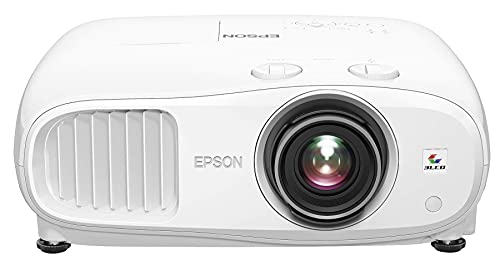
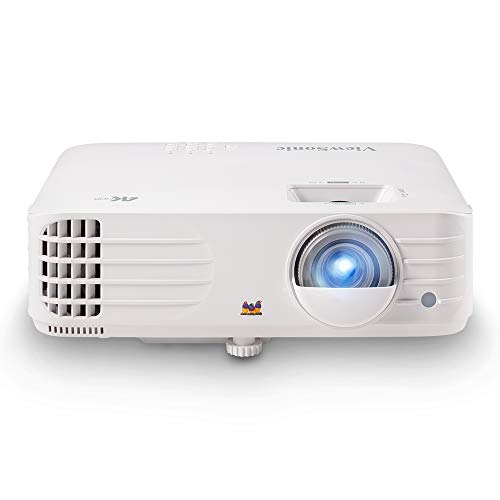
The short answer: most first time buyers should choose a true 4K UHD projector with at least 2,500 to 3,000 ANSI lumens, HDR10 support and low input lag, such as the ViewSonic PX701 4K around $980 for value or the Epson Home Cinema 3800 around $1,650 for richer color; gamers should look at a fast laser model like the BenQ TK710, while small rooms benefit from ultra short throw laser projectors like the AWOL Vision LTV 3000 Pro.

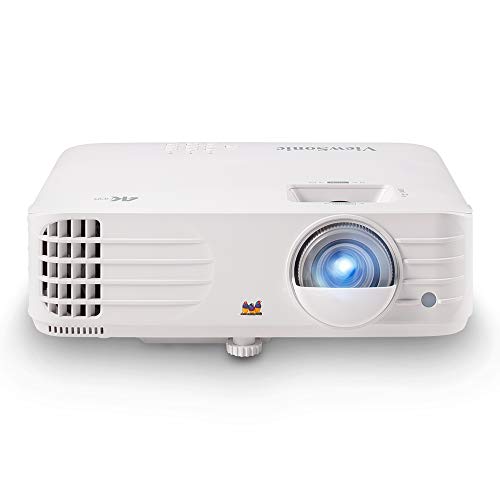


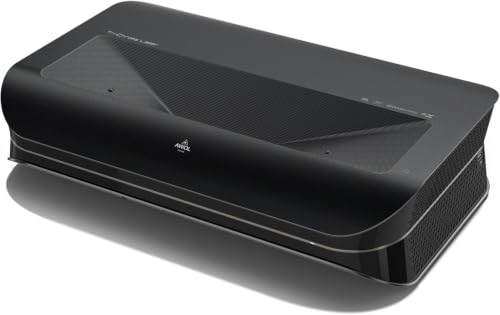
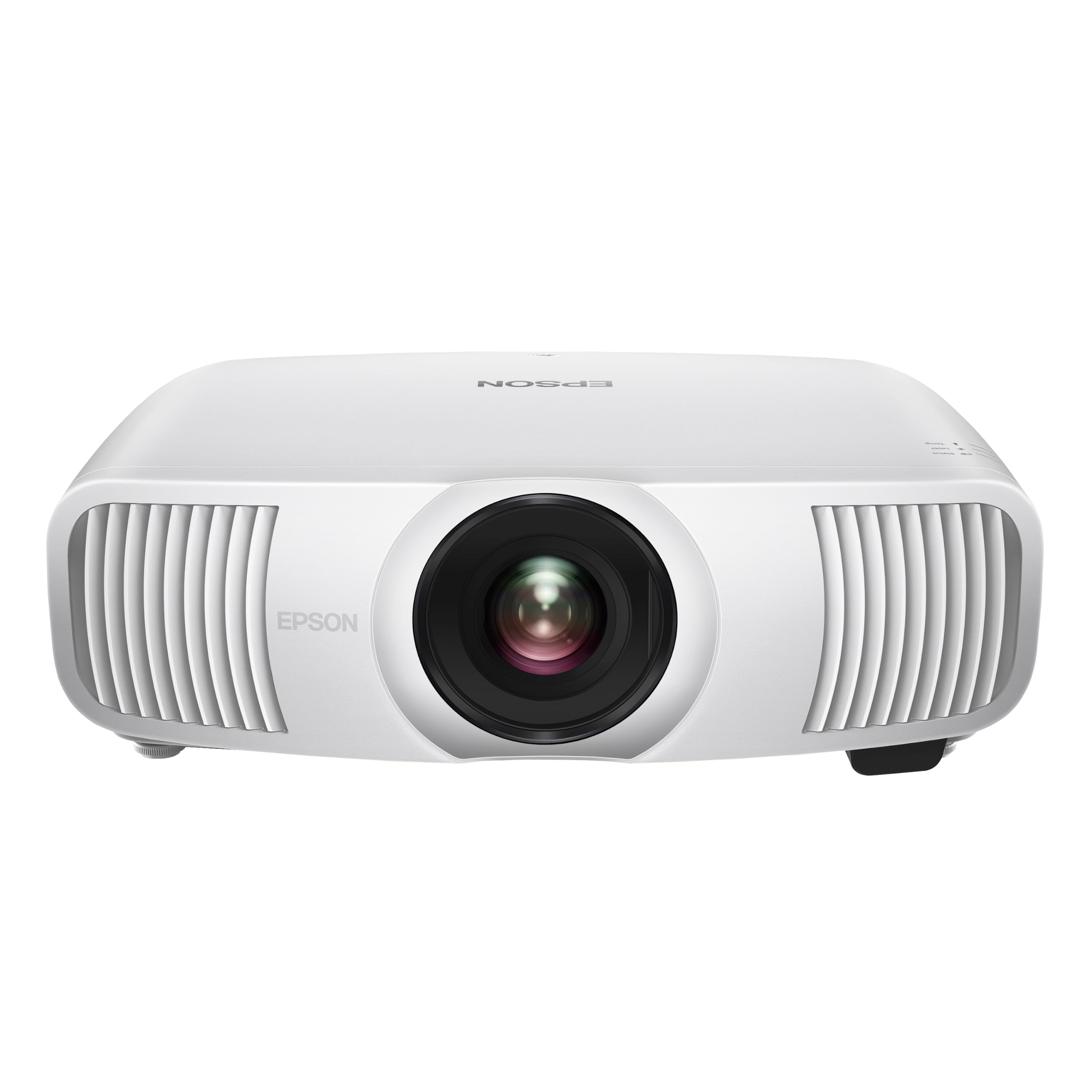

Three 4K Projectors Worth a Look
These three projectors from the product table above cover the most common first purchase needs. We explain the reasoning in the guide below rather than reviewing each one.

4K Projectors 101: The Basics
A projector shines light through or off a tiny imaging chip and a lens to create a large picture on a screen or wall. A 4K projector produces an image of 3840 by 2160 pixels, four times the detail of 1080p, which keeps text and fine textures sharp even on a 120 inch screen.
The most important term for beginners is true 4K versus 4K support. True 4K UHD projectors display a full 4K image on screen, usually by rapidly shifting the pixels of a high resolution chip, a method called pixel shifting used by DLP projectors like the ViewSonic PX701 4K and Epson's 4K PRO UHD models. Projectors labeled "4K supported" or "4K decoding" accept a 4K signal but display it at 1080p or lower. Native 4K projectors, mostly very expensive models, have a full 4K chip.
Other key terms include lumens, which measure brightness, and throw ratio, which tells you how far the projector must sit from the screen. Standard throw projectors sit across the room, while ultra short throw projectors sit just inches from the wall.
Key Specs Explained in Plain English
Panel Technology (DLP, 3LCD, Laser)
Projectors use different imaging technologies rather than TV panels like IPS or OLED. DLP projectors use a single chip with millions of tiny mirrors; they are sharp, compact and fast, which makes them great for gaming, but some viewers notice a rainbow effect. 3LCD projectors, like the Epson Home Cinema 3800, use three separate chips for red, green and blue, delivering bright, accurate color with no rainbow effect.
The light source matters too. Lamp projectors cost less but dim over time and need replacement lamps. Laser projectors, like the BenQ TK710, XGIMI Horizon 20 and AWOL Vision LTV 3000 Pro, last far longer, turn on instantly and keep their brightness for years. Projectors do not suffer burn in. Our recommendation: laser if your budget allows, 3LCD or DLP lamp models for value.
HDR and Brightness
Projector brightness is measured in ANSI lumens rather than nits. For a dark room, 1,500 to 2,000 lumens is plenty. For living rooms with some ambient light, aim for 2,500 to 3,500 lumens, such as the 3,000 lumens of the Epson 3800 or 3,200 lumens of the BenQ TK710 and ViewSonic PX701 4K.
HDR expands contrast and color, but projectors cannot match the peak brightness of TVs, so HDR on projectors looks more subtle. Look for HDR10 and HLG support at minimum. Premium models like the AWOL Vision LTV 3000 Pro add Dolby Vision and HDR10+. Contrast ratio claims vary widely between brands, so treat them as rough guides.
Adaptive Sync and Gaming Features
Gaming on a 120 inch screen is thrilling, but input lag matters. Look for projectors with a dedicated game mode and input lag under about 20 milliseconds at 4K, or as low as 4 milliseconds at 1080p 240Hz on models like the ViewSonic PX701 4K and BenQ TK710. Most projectors lack G Sync or FreeSync, and many use HDMI 2.0 rather than HDMI 2.1, so 4K at 120Hz is uncommon. ALLM, which switches into game mode automatically, appears on some newer models.
Refresh Rate and Response Time
Most 4K projectors display 4K at 60Hz, which is perfect for movies, TV and most console games. Gaming focused projectors switch to 1080p at 120Hz or 240Hz for faster, smoother competitive play. Movies are filmed at 24 frames per second, so high refresh rates matter only for games and sports. If you play fast shooters, a projector that offers 1080p at 240Hz with low input lag gives a real advantage.
Smart Platform and Sound
Some projectors include built in smart platforms like Google TV or Android TV, while many home theater models skip apps entirely and rely on an external streaming stick. Streaming sticks are often faster and better supported, so a projector without apps is not a dealbreaker. Built in speakers on most projectors are basic. For real impact, connect a soundbar or AV receiver; models with HDMI eARC, like the BenQ TK710, send high quality audio to your sound system through one cable.
Resolution and Screen Size
True 4K resolution shines on screens from 100 to 150 inches, where 1080p starts to look soft. Screen size depends on room size and seating distance. A good rule is to sit about 1 to 1.5 times the screen width away, so a 120 inch screen suits seating roughly 9 to 13 feet away. Check the throw distance: the ViewSonic PX701 4K shows a 100 inch image from about 10.9 feet, while ultra short throw models create large images from inches away.
Throw Ratio and Lens Features
Throw ratio tells you how far the projector must be from the screen. Standard throw projectors need 9 to 13 feet for a 100 inch image, short throw models need a few feet and ultra short throw models sit almost against the wall. Optical zoom and lens shift, found on the Epson 3800 and BenQ TK710, let you move and resize the image without tilting the projector, which keeps the picture sharp and makes ceiling mounting much easier than relying on digital keystone correction.
How Much Should You Spend on the Best 4K Projectors?
True 4K lamp projectors start around $1,000, with models like the ViewSonic PX701 4K delivering sharp images and fast gaming at that price. Between $1,500 and $2,000, you gain laser light sources, lens shift, better color and features like eARC, as on the BenQ TK710 and Epson Home Cinema 3800. Ultra short throw laser projectors cost around $1,800 and up but replace a large TV without ceiling mounts. Remember to budget around $150 to $400 for a quality screen and a soundbar.
Rookie Mistakes to Avoid
- Buying "4K supported" projectors: many budget models only accept 4K signals and display 1080p. Look for true 4K UHD or 3840 by 2160 output.
- Ignoring room light: a dim projector looks washed out in bright rooms. Choose more lumens or add blackout curtains.
- Skipping the screen: painted walls reduce contrast and sharpness. A proper projector screen makes a visible difference.
- Not measuring throw distance: some projectors need more space than your room has. Check the throw calculator before you buy.
- Relying on built in speakers: small speakers cannot fill a room. Budget for a soundbar.
Getting Started: Setup and First Use
- Position the projector: place it at the right distance for your screen size, using a table, shelf or ceiling mount.
- Align the image: use lens shift and zoom first, then focus. Use keystone correction only as a last resort, since it softens the picture.
- Connect your sources: plug in a streaming stick, console or Blu ray player via HDMI, and connect audio through eARC or optical.
- Calibrate picture settings: turn off vivid or dynamic mode, choose cinema or movie mode and adjust brightness for your room.
- Enable game mode: for consoles, turn on low latency mode for responsive play.
- Keep it cool: leave space around vents and clean filters regularly.
FAQs
Does refresh rate matter for non gamers?
Does refresh rate matter for non gamers? Refresh rate barely matters for non gamers. Movies run at 24 frames per second, and TV shows at 30 or 60, all of which every 4K projector handles at 60Hz. Spend on brightness, contrast and color accuracy instead if you mainly watch films and shows.
How long do they last?
How long do they last? Laser projectors typically last 20,000 to 30,000 hours, which equals more than ten years of nightly movies. Lamp projectors usually need a new lamp every 3,000 to 5,000 hours in normal mode. Keeping vents clear and filters clean helps the projector run cool and last longer.
Is 4K worth it?
Is 4K worth it? Yes, 4K is worth it on projectors because the screens are so large. At 100 inches or more, 1080p pixels become visible from typical seating distances, while 4K stays sharp and detailed. Prices for true 4K projectors have dropped to around $1,000, making the upgrade easy to justify.
DLP vs 3LCD: which is better?
DLP vs 3LCD: which is better? Neither is better for everyone. DLP projectors offer sharp images, fast response and compact designs, making them great for gaming. 3LCD projectors deliver brighter color and avoid the rainbow effect some viewers notice with DLP. Choose DLP for gaming and 3LCD for color rich movie watching.
What size should I get for my room?
What size should I get for my room? Most living rooms suit a 100 to 120 inch screen. Measure your seating distance and divide by about 1.2 to get a comfortable screen width in the same units. For example, sitting 10 feet away suits roughly a 100 to 120 inch diagonal screen. Smaller rooms benefit from short or ultra short throw projectors.
The Bottom Line
Buying your first 4K projector comes down to three things: true 4K output, enough brightness for your room and a throw distance that fits your space. The ViewSonic PX701 4K offers great value, the Epson Home Cinema 3800 delivers rich color for movie lovers and the BenQ TK710 is a fast, bright laser choice for gamers. Ultra short throw laser projectors like the AWOL Vision LTV 3000 Pro suit small rooms. Compare the best 4k projectors in the product table above to find the right fit for your home theater.