
Best Mid Range Digital Cameras for 2026: Compacts, Hybrids, and Buyer Guide
Disclosure: We may earn a commission when you buy through links on this page, at no extra cost to you. As an Amazon Associate I earn from qualifying purchases. Learn more

Travelers, street shooters and vloggers can compare the best mid range digital cameras by sensor size, zoom range, lens aperture and video features.
Shoppers spending roughly $650 to $1,500 on a dedicated camera want a clear leap over smartphone snapshots without hauling a heavy backpack of lenses. In this price tier you can choose between pocketable one inch sensor travel zooms, fixed prime street compacts, and interchangeable lens kits. Finding the best mid range digital cameras starts with matching sensor size and focal range to how you travel and shoot. The picks in the table below let you compare options side by side.
Unlike basic point and shoot cameras from a decade ago, modern mid tier models pack phase detection eye autofocus, raw capture, and clean 4K video into jacket pocket or compact sling bag bodies. Since many shoppers also weigh a phone upgrade first, it helps to know what a separate camera adds: real optical zoom, larger sensors, and physical controls.




Who Should Buy Which Mid Range Digital Camera?
Travelers, Concert Goers, and Pocket Zoom Fans
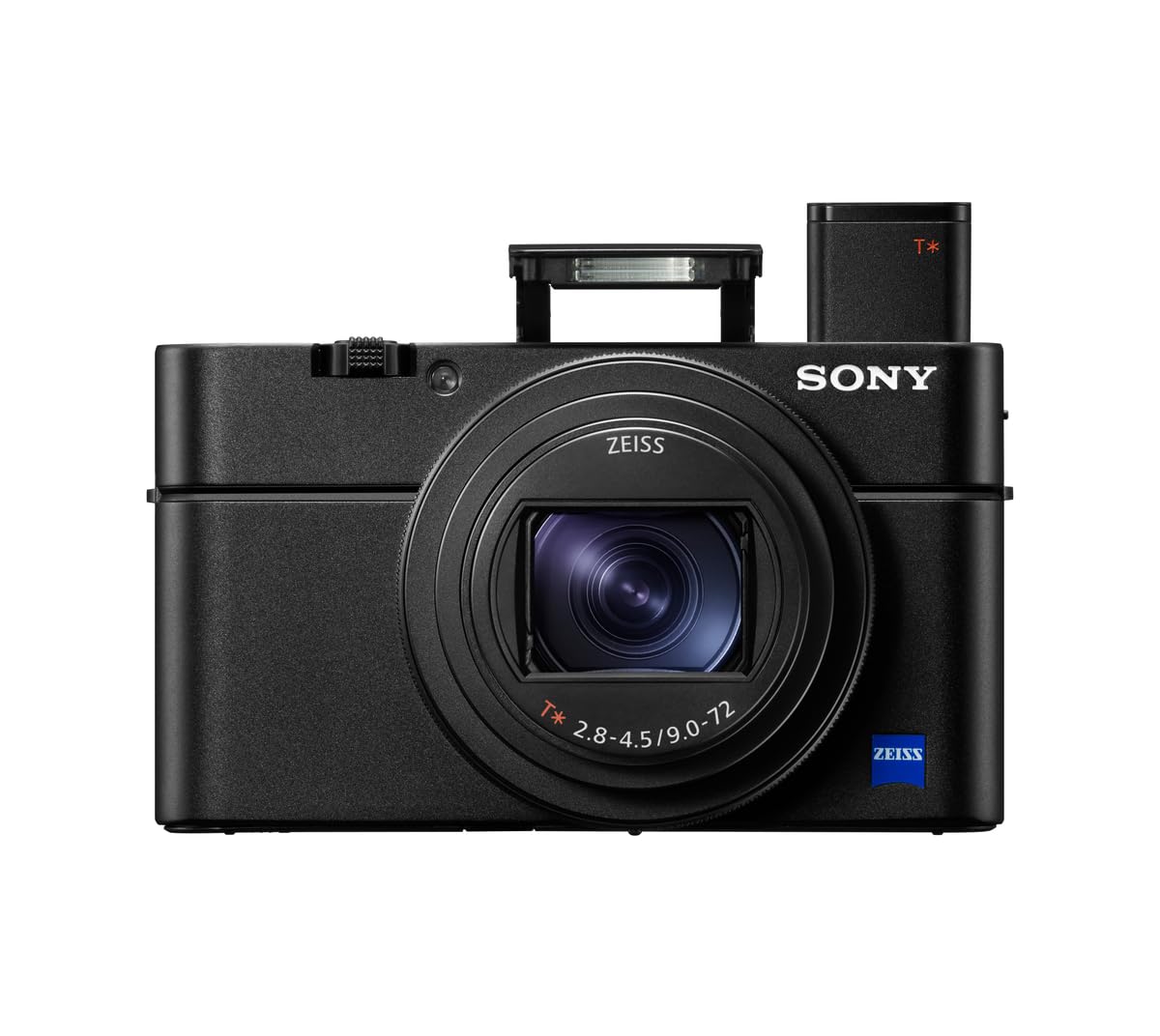
A 1 inch sensor compact zoom is the best fit if you want to hike light or follow venue rules that ban detachable lens cameras. Typical lenses run from 24 to 200mm, or 24 to 100mm with a brighter f/1.8 to f/2.8 aperture, and many include a pop up electronic viewfinder. The body is about the size of a deck of cards, yet the optical telephoto reach beats smartphone digital zoom.
Street Photographers and Everyday Documentary Shooters
Fixed prime APS C compacts suit photographers who want discreet portability with large sensor background blur. A 28mm or 35mm equivalent f/2.0 or f/2.8 pancake style lens sits in front of an APS C sensor, so the camera slips into a coat pocket while delivering image quality comparable to bulkier interchangeable lens bodies of the same sensor size.
Vloggers, Content Creators, and Family Hybrid Shooters
If your shooting splits between family portraits and 4K travel video, choose a compact APS C or Micro Four Thirds hybrid. Look for a fully articulating touchscreen, a multi capsule built in microphone with a wind screen, and autofocus that shifts smoothly from your face to an object held up to the lens. These bodies also accept extra lenses later, which keeps the system useful as your skills grow.
Key Features to Compare in Mid Range Digital Cameras
Sensor Size Hierarchy: 1 Inch vs Micro Four Thirds vs APS C
Sensor surface area, not megapixel count, is the main driver of low light cleanliness and natural background blur. A 1 inch type sensor (13.2 by 8.8mm) is several times larger than a typical smartphone sensor, which lets compact zoom lenses collapse flat for your pocket. Micro Four Thirds (17.3 by 13mm) roughly doubles that area, while APS C (about 23.5 by 15.6mm) is around triple the area of a 1 inch chip, giving shallower depth of field and cleaner high ISO indoor photos.
Built In Zoom Lenses vs Fixed Prime Lenses vs Interchangeable Mounts
Decide up front whether you will ever buy a second lens. A built in zoom compact covers wide 24mm landscapes and tight telephoto portraits in one sealed unit, though its aperture in low light cannot match a prime. A fixed prime locks you to one focal length, usually 28mm or 35mm, with a bright aperture and often a leaf shutter that syncs with flash at fast speeds. An interchangeable lens camera lets you add everything from ultra wide glass to long birding lenses, at the cost of a larger bag.
Maximum Lens Aperture: Constant f/1.8 to f/2.8 vs Variable f/3.5 to f/6.3
A lower f number means a wider opening and more light reaching the sensor. An f/1.8 or f/2.8 lens gathers several times more light than an f/5.6 or f/6.3 kit lens, which matters indoors and at dusk. A bright 24 to 100mm lens excels in dim rooms, whereas a 24 to 200mm f/2.8 to f/4.5 lens gives up some low light brightness for roughly double the outdoor reach.
Real Time Eye Autofocus and Readout Speed
Eye autofocus keeps candid photos sharp on a face instead of the background. Modern mid range models use on sensor phase detection pixels with subject recognition that tracks human eyes, pet faces, or birds across the frame. In the upper mid tier, stacked sensors read out fast enough for high speed silent electronic shooting with little rolling shutter distortion.
Built In ND Filters, Leaf Shutters, and USB C Charging
A built in neutral density (ND) filter lets you shoot wide open in bright sun for blurry portrait backgrounds, or keep a slow shutter for smooth video without screwing filters onto the lens. Several compacts include a 3 stop version at the press of a button. Also check for USB C charging and direct webcam streaming over USB, which saves carrying a separate charger or capture card.
Comparing Mid Range Digital Camera Formats Side by Side
Weighing pocketability against zoom reach and sensor size makes it easy to pick the right format for your bag.
| Digital Camera Format | Sensor Size | Fits in Jeans/Coat Pocket? | Optical Zoom Range | Best Buyer Match |
|---|---|---|---|---|
| 1 Inch Travel Zoom Compact | 1.0 inch (13.2 x 8.8 mm) | Yes (shirt or jacket pocket) | 3x to 8.3x (24 to 200 mm) | Travelers, concerts, and light hikers |
| Fixed Prime Street Compact | APS C (23.5 x 15.6 mm) | Yes (coat pocket slim) | 1x fixed (28mm or 35mm f/2.8) | Street, documentary, and everyday carry |
| Vlogging Hybrid Camera | 1 Inch or APS C | Small sling bag / jacket | Wide zoom or interchangeable | YouTube, travel video, and family creators |
| Interchangeable Mirrorless Kit | APS C or Micro Four Thirds | No (neck strap or camera bag) | Unlimited (swap lenses) | Enthusiasts wanting future lens growth |
Price Tiers: What Your Budget Gets You
Entry Enthusiast Compacts and Vlog Kits (Around $600 to $850)
At around $600 to $850 you typically get 1 inch vlogging compacts with bright f/1.8 to f/2.8 zoom lenses, directional microphones, and flip out screens, plus entry APS C mirrorless kits with 16 to 50mm power zoom lenses. These easily beat smartphones in skin texture, optical zoom clarity, and audio.
Core Travel Zooms and Hybrid Sweet Spot (Around $850 to $1,250)
Stepping up to around $850 to $1,250 brings weather sealed APS C bodies with high resolution OLED viewfinders and 10 bit 4K video. You also find pocketable 1 inch travel zooms with pop up viewfinders and 24 to 200mm lenses.
Premium Fixed Prime Compacts and Prosumer Kits (Around $1,250 to $1,650)
Between roughly $1,250 and $1,650 you find fixed prime APS C street cameras, some with built in stabilization, leaf shutters, and film simulation profiles. Metal bodied interchangeable lens bundles with fast f/2.8 zoom glass also sit here.
Common Mistakes to Avoid When Buying a Digital Camera
- Buying a $150 "4K 64MP" camera from an unknown marketplace brand: These use tiny webcam class sensors and digital interpolation that often looks worse than a recent smartphone; stick to established optical camera makers.
- Choosing a fixed prime 28mm compact if you love zooming in on wildlife: A prime cannot zoom optically; pick an interchangeable lens camera or a 24 to 200mm travel zoom instead.
- Ignoring the lack of an electronic viewfinder for bright beach or snow travel: Composing on a rear screen in glare is hard; look for a built in or pop up viewfinder.
- Forgetting that retractable pocket zoom lenses are not dust sealed: Keep a motorized lens compact in a zippered case away from sand, since grit can jam the telescoping barrel.
- Shooting only basic 8 bit JPEG files when lighting is tricky: RAW + JPEG capture lets you share quick JPEGs to your phone while keeping the raw file for shadow recovery later.
Care, Battery Management, and Travel Maintenance Tips
Compact cameras use small lithium ion packs to keep the grip pocket friendly, which commonly yields about 220 to 350 shots per charge. On a full day of sightseeing, turn off Bluetooth and WiFi when you are not transferring photos, set the rear screen sleep timer to around thirty seconds, and carry a slim USB C power bank or two spare batteries.
On cameras with motorized telescoping zoom barrels, brush dust off the outer lens cylinders with a soft camel hair brush before powering down, so grit is not pulled inside as the lens retracts. Store the camera with a silica gel packet in humid climates, and wipe the lens with a microfiber cloth rather than your shirt.
If you also shoot product photos or film tutorials, a compact with a flip screen and clean 4K makes overhead shots easy. A small tabletop tripod and soft window light do more for those photos than any lens upgrade.
Frequently Asked Questions
Are mid range compact digital cameras still better than flagship phones?
Yes in several ways, though not in every situation. True 1 inch and APS C sensors, real optical zoom up to 200mm, mechanical apertures, and physical dials give you more control and less processing than a phone. Phones still win for convenience and instant sharing.
What is the difference between a digital camera and a mirrorless camera?
A mirrorless camera is one type of digital camera. "Digital camera" is the broader term covering fixed lens compacts, where the lens is permanently attached, and interchangeable lens mirrorless or DSLR bodies.
Is a 1 inch sensor big enough for travel photography?
Yes, a 1 inch sensor is a strong balance for travel. It is several times the area of a phone sensor, which gives crisp prints and usable twilight shots, while staying small enough for a 24 to 200mm zoom to retract flat into a shirt pocket.
Can I transfer photos from a mid range digital camera straight to my phone?
Yes, most current mid range cameras include WiFi and Bluetooth with a free iOS and Android app. You can also use a short USB C cable for faster raw and 4K video transfers, if your camera supports it.
Why are fixed lens APS C compact cameras so popular right now?
They put a large APS C sensor, often 24 megapixels or more, into a slim rangefinder style body. Many add film color profiles, so photographers can shoot high quality images everywhere without carrying a camera bag.
Final Thoughts
Choosing the best mid range digital cameras comes down to pocketable convenience versus interchangeable lens flexibility. For travel, concerts, and hiking, pick a 1 inch pocket zoom with a pop up viewfinder or an APS C fixed prime street compact. If you want room to grow into portrait primes and telephoto lenses, choose a compact APS C mirrorless kit. Compare the picks in the table above and match them to your budget tier.


