
The Best Mid Range Door Speakers for 2026: Car Audio Upgrade Guide
Disclosure: We may earn a commission when you buy through links on this page, at no extra cost to you. As an Amazon Associate I earn from qualifying purchases. Learn more

Replacing muffled factory speakers? Compare component and coaxial setups, power handling, cone materials and fitment to choose the best mid range door speakers.
Factory door speakers are usually built with thin paper cones, small ceramic magnets and budget plastic baskets, which is why stock systems tend to sound muffled in the vocals, boomy in the bass and harsh in the treble. If you spend hours commuting or on the road, a swap to the best mid range door speakers is one of the most noticeable audio upgrades you can make, bringing clearer vocals, better instrument definition and tighter mid bass straight from your car doors.
Whether you are replacing worn 6.5 inch factory speakers or building a component system around an aftermarket amplifier, a few specifications decide the result. This guide compares component and coaxial designs, explains cone and surround materials, covers RMS power handling, and gives practical door installation advice. The picks in the table below are chosen with those points in mind.


How to Choose the Best Mid Range Door Speakers
Good door speakers balance sensitivity, mounting depth and driver design for the tricky acoustic space inside a car door. Check these benchmarks before you buy.
Component Speaker Systems vs 2 Way Coaxial Speakers
Component sets give better imaging, while coaxial speakers are easier to install. Door speakers come in these two main configurations, and the choice affects both sound and installation effort.
- Component Speaker Systems: Separate the mid bass driver from the tweeter and use an external passive crossover box. The woofer stays in the door while the tweeter goes on the dashboard or sail panel, lifting the soundstage to ear level for better stereo depth and imaging.
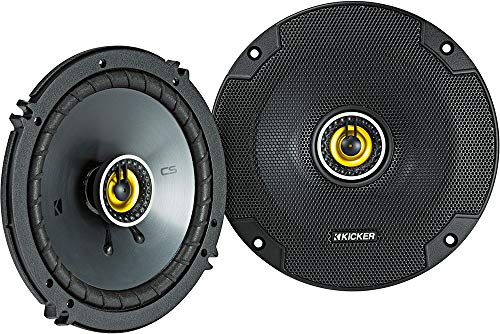
- Coaxial 2 Way Speakers: Mount the tweeter on a bridge over the mid bass cone. They drop into factory locations with simple plug and play installation and no extra tweeter holes to drill.
Woofer Cone Composition and Butyl Rubber Surrounds
Polypropylene or composite cones with rubber surrounds hold up best in a car door. The cavity sees freezing winters, hot summers and humidity, and stiff, light cones also stay controlled during heavy mid bass.
- Polypropylene and Carbon Composite Cones: Resist humidity and moisture, and their rigidity helps limit cone breakup distortion on strong bass notes.
- Butyl Rubber Surrounds: Cheap foam surrounds often crumble after several years, while butyl rubber stays supple and handles sun exposure and door slam vibration much better.
Sensitivity Ratings and Power Matching (RMS vs Peak)
Match speakers to your power source using continuous RMS wattage, not the inflated peak figure printed on the box. RMS shows the power a voice coil can handle continuously without heat damage.
Also check sensitivity, measured in dB at 1W/1m. If a stock head unit supplies only ten to fifteen watts RMS per channel, choose speakers rated around 91 dB to 93 dB so they play loud and dynamic without an amplifier. If you plan to add an amplifier, pick speakers whose RMS rating sits close to the amp's output per channel, with a little headroom.
Tweeter Diaphragm Materials: Silk Domes vs Metal Alloys
Silk domes sound smoother, while metal domes sound brighter, so pick by listening preference and cabin noise.
- Soft Silk and Textile Domes: Give warm, smooth highs that are easy to listen to on long commutes without fatigue.
- Aluminum and Titanium Domes: Give fast transients and bright treble that cut through road noise, which suits loud cabins and convertibles.
Mounting Depth, Basket Diameter, and Factory Fitment
Measure the depth of your door cavity before ordering, because the window glass travels right behind the speaker opening. An oversized magnet can make the glass hit the speaker.
Look for shallow baskets (often about two to 2.5 inches deep), or buy vehicle specific adapter rings that move the speaker forward safely inside the door card. Also check the mounting hole pattern and the clearance for the door panel grille, since a speaker that fits the hole can still touch the panel.
Passive Crossover Network Quality and Attenuation Switches
A good crossover sends lows to the door woofer and highs to the tweeter cleanly. In a component set, look for film capacitors and air core inductors, which are common in better crossover boxes.
Many include a tweeter attenuation switch (0 dB, -3 dB or +3 dB). It lets you soften treble when tweeters sit close to your ears on the window pillars.
Checking Speaker Polarity with a Simple Battery Test
Reversed wiring is one of the most common DIY mistakes. When one door speaker is out of phase, its cone moves opposite to the other side, which thins out mid bass and makes the soundstage hollow.
You can check polarity with an ordinary 1.5 volt AA battery. Briefly touch the leads to the battery terminals, and the cone should move outward when positive is connected correctly. Label the wires before reassembling the door panel.
Door Panel Fastener Clips and Rattling Prevention
Fresh trim clips keep a door panel quiet. Old plastic door card clips often break or loosen during removal, and loose panels buzz when new speakers play strong bass.
Keep a pack of universal automotive trim clips on hand during installation. Replacing worn clips and adding thin adhesive foam tape around clip holes helps keep the panel quiet at higher volume.
What Mid Range Means for Door Speakers
Mid range door speakers sit between bare bones factory units and premium audiophile sets, usually at around $80 to $250 per pair. At that level you typically get real upgrades in materials and build, not just a bigger number on the box.
Expect polypropylene or composite cones, rubber surrounds, better magnets, and either a decent coaxial design or an entry level component set with a proper crossover. Spending much more mainly adds refinement, and it only pays off if you also add an amplifier and sound deadening.
Matching Speakers to Your Listening Habits
Choose by how you listen, because the best pair for a podcast commuter is not the best pair for a bass heavy playlist. Think about volume, music style and how loud your cabin gets.
- Vocals, podcasts and acoustic music: A silk dome tweeter and a component layout give natural voices and relaxed highs.
- Rock, pop and electronic: Look for higher RMS handling, a stiff cone and a metal or hybrid tweeter for punch and energy.
- Noisy cabins and convertibles: Brighter tweeters and higher sensitivity help the music stay clear over wind and tire noise.
- Stock head unit only: Prioritize sensitivity of 90 dB or more and moderate power handling.
Common Buying Mistakes to Avoid
Most disappointing upgrades come from a few avoidable errors. Check each of these before you order.
- Buying by peak watts: Peak numbers are marketing, so compare RMS instead.
- Ignoring door depth: A deep magnet that hits the window glass is a common and frustrating problem.
- Skipping the amplifier question: Low sensitivity speakers on a weak head unit sound quiet and thin.
- Leaving the door untreated: Even excellent speakers sound loose in a rattling, unsealed door.
Door Speaker Sizes and Fitment Formats Compared
Choose the diameter and shape that matches your factory cutout, since a correct fit saves adapters and cutting.
Standard 6.5 Inch Round Speakers
The 6.5 inch round speaker is the most common size in European, Japanese and American cars. It balances mid bass, smooth vocals and wide availability of aftermarket adapter brackets.
Oval 6x8 and 5x7 Inch Formats
Oval speakers are used in many Ford and Mazda vehicles and bolt into factory oval openings without custom cutting. The cone area gives good bass fullness for the size.
Oversized 6x9 Inch Truck and SUV Door Speakers
Commonly found in trucks and large sedans, 6x9 speakers move more air thanks to their elliptical cones. That gives strong mid bass punch that can fill in for a small subwoofer.
Essential Installation and Sound Dampening Practices
Sound dampening and tidy installation matter almost as much as the speaker itself. These four habits reduce rattles and improve bass.
- Apply butyl sound dampening sheets inside the door skin: Aluminum backed butyl on the outer door skin reduces sheet metal resonance and makes the door a stiffer speaker enclosure.
- Install foam speaker baffles or sealing rings: Dense foam around the speaker face directs sound through the door panel grille instead of letting it bounce inside the door card.
- Confirm positive and negative wiring: Reversing connections on one side puts the speakers out of phase and cancels bass.
- Secure wiring harnesses: Wrap loose speaker wires with fleece tape and anchor them to the door frame with zip ties to prevent buzzing.
Before you close the door panel, play a familiar track at moderate and high volume and listen for buzzes. Fix any rattle now, because it is far easier than removing the panel again.
Frequently Asked Questions
Can I install mid range door speakers without an aftermarket amplifier?
Yes, high sensitivity door speakers rated above 90 dB run well from a factory car stereo. Adding a four channel amplifier later unlocks more dynamic range and punch.
What is the difference between component and coaxial door speakers?
Component speakers separate the woofer and tweeter for better imaging at ear level. Coaxial speakers combine both drivers in one unit, which makes installation easier.
Why does sound deadening improve door speaker bass?
Sound deadening reduces vibration in thin sheet metal and helps seal the door, so the speaker behaves more like it is in an enclosure. The result is tighter, stronger low bass.
How long do aftermarket door speakers typically last?
Quality speakers with polypropylene cones and butyl rubber surrounds often last many years, commonly ten or more with normal use. Heat, moisture and sustained overpowering shorten that life.
How much should I spend on mid range door speakers?
Most buyers find good value at around $80 to $250 per pair. That range usually covers durable cone and surround materials, and you can put any leftover budget into sound deadening or an amplifier.
Final Thoughts
Replacing muffled factory speakers starts with the basics: rigid polypropylene cones, supple butyl rubber surrounds, a tweeter that matches your taste, and power matched by RMS. Combined with proper door dampening and correct wiring, the best mid range door speakers deliver clear vocals, solid mid bass and a believable soundstage. Compare the picks in the table above and confirm your door depth and speaker size before ordering.


