
Best Mid Range Projectors for 2026: 4K Home Theater, Lumens, and Buyer Guide
Disclosure: We may earn a commission when you buy through links on this page, at no extra cost to you. As an Amazon Associate I earn from qualifying purchases. Learn more
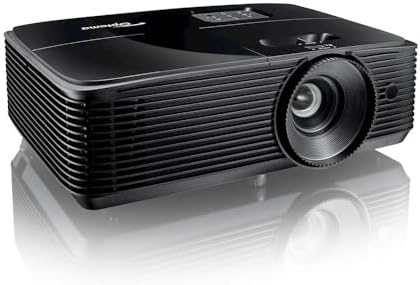
Choosing a projector for movie nights, sports or console gaming? This guide to the best mid range projectors explains lumens, throw distance and light sources.
Anyone who wants a 100 to 120 inch picture without paying for a dedicated theater setup, and without trusting a $90 box that advertises "15,000 Lux Lumens" but barely lights a dark room, belongs in the middle of the market. In the roughly $550 to $1,500 bracket, the best mid range projectors typically offer 1,500 to 3,500 ANSI/ISO lumens, true 1080p or pixel shifted 4K sharpness, laser or LED light engines, and low input lag for gaming. Use the picks in the table below to compare home theater and portable models side by side.
A 100 to 120 inch image gives a theater scale that flat panel televisions struggle to match at this price. If you are also planning the rest of a media room, our guide to the best smart TVs helps you compare a screen against a projector.

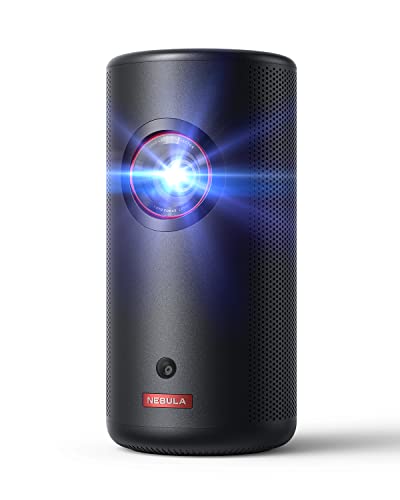


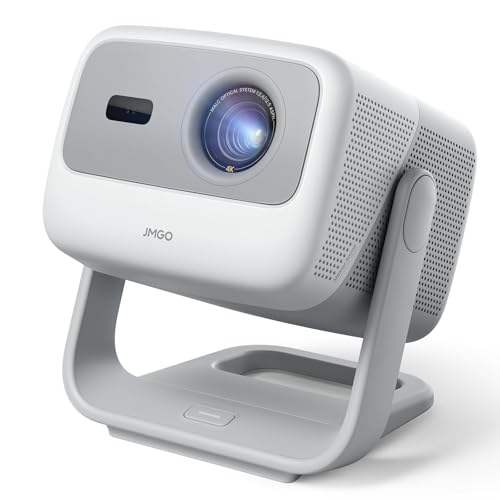
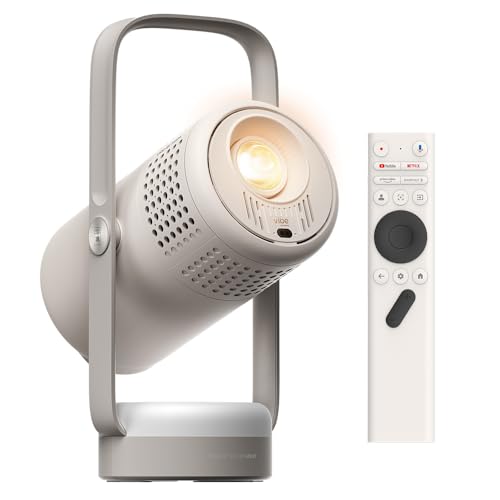

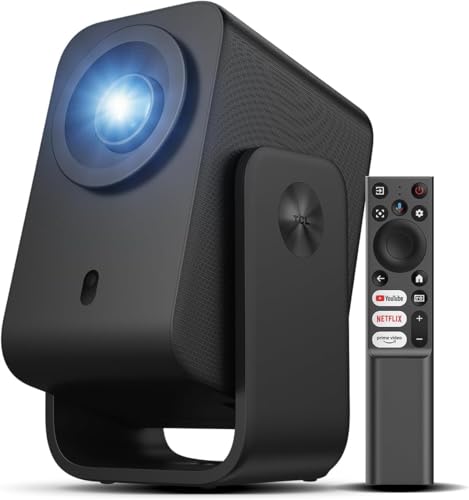
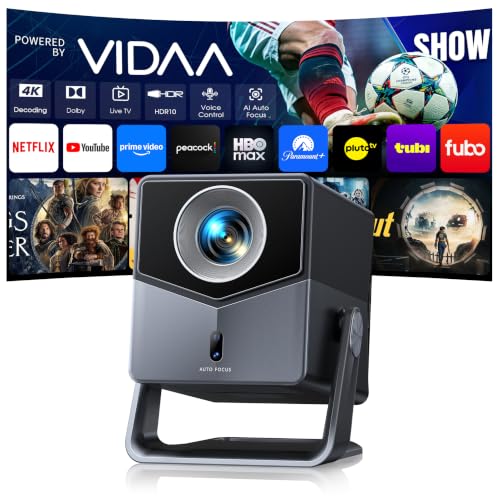

Who Should Buy Which Mid Range Projector?
The right model depends mostly on how much light your room has and where the projector will sit. Three common situations cover most buyers.
Dark Basement and Dedicated Home Theater Movie Lovers
If you control the lighting with blackout curtains or watch at night, contrast, black level depth and color accuracy matter far more than a huge lumen number. Choose a 4K pixel shifted DLP or 3LCD home cinema projector of around 1,800 to 2,600 ANSI lumens with a multi element glass lens, vertical lens shift, and dynamic iris or laser dimming. Dark scenes then look deep gray black rather than washed out silver.
Look for support for HDR10 and a calibrated cinema picture mode, and check that the fan stays quiet in that mode, since a loud fan is easy to hear during soft dialogue. Painting the walls and ceiling a dark, matte color also improves perceived contrast at no cost.
Bright Living Rooms, Sports Fans, and Daytime Gamers
If light leaks around your blinds or lamps stay on, you need more light output to overpower glare. Look for a 3,000 to 3,800 ANSI/ISO lumen 3LCD or laser model with a low latency game mode, ideally around 16ms at 4K 60Hz. Pairing it with an ambient light rejecting (ALR) gray screen improves daytime viewing noticeably.
Brighter projectors usually run their fans harder, so check the listed noise level, which is often between 28 and 36 dB in standard mode. Eco modes cut brightness but make long game sessions more comfortable.
Small Apartments, Bedrooms, and Backyard Movie Nights
Renters who cannot drill a ceiling mount, and families who carry a projector to the patio, do well with a compact laser or LED lifestyle projector or a short throw model. These usually add a rotating stand, autofocus, automatic keystone and built in streaming apps, so a 100 inch image can be ready in a minute or so. Just confirm the streaming apps you use are officially supported.
For outdoor use, a portable inflatable or tension frame screen and a small Bluetooth speaker make a simple setup. Wait until dusk, because even a 2,000 lumen model looks faint in direct evening sun.
Key Features That Separate Real Projectors From Marketing Hype
ANSI / ISO Lumens vs Fake "Light Source / Lux" Numbers
Real brightness is measured in ANSI or ISO 21118 lumens, not in the inflated "lux" or "lumen" figures some budget listings print. Those inflated numbers often describe the raw LED bulb rather than the light reaching your wall. As a rough guide:
- 500 to 1,000 ANSI / ISO Lumens: Fine for dark bedrooms, night backyard movies, or smaller 80 inch screens with the lights off.
- 1,500 to 2,400 ANSI / ISO Lumens: The sweet spot for dark to dim home theater rooms on a 100 to 120 inch screen.
- 2,800 to 4,000+ ANSI / ISO Lumens: Better for living rooms with moderate daytime light or very large 135 to 150 inch screens.
If a listing never mentions ANSI or ISO, treat the brightness claim with suspicion. Established makers publish the measured figure in the spec sheet.
Imaging Engine: Single Chip DLP vs 3LCD
Mid range projectors use one of two core technologies, and each suits different viewers. DLP uses a Texas Instruments micromirror chip with a color wheel, LED array or laser. It gives sharp pixel edges, a sealed optical block and the lowest input lag, though a small share of viewers notice brief "rainbow effects" on bright subtitles. 3LCD uses three liquid crystal panels at once, so there is no rainbow effect and color brightness matches white brightness, which helps cartoons and sports in brighter rooms.
Light Source: Lamp vs 4LED vs Laser
The light engine decides how much maintenance you face over the years. Traditional lamps are cheaper upfront but dim over roughly 3,000 to 5,000 hours and need a replacement bulb, often around $120 to $200. LED and laser engines are commonly rated for 20,000 to 30,000 hours, turn on within seconds, and generally cover a wider color range.
At four hours of viewing a night, a 20,000 hour light source lasts well over a decade, so you can skip the replacement bulb entirely. Over several years that often offsets a higher purchase price.
Throw Ratio and Optical Zoom vs Digital Keystone
Throw ratio is the distance from lens to screen divided by screen width, and it tells you where the projector can sit. Measure your room before ordering:
- Standard Throw (1.15:1 to 1.50:1): Needs roughly 8.5 to 11 feet to fill a 100 inch diagonal 16:9 screen. Suits coffee tables, rear shelves or ceiling mounts.
- Short Throw (0.50:1 to 0.80:1): Fills 100 inches from about 3.5 to 5.5 feet, so people walking behind you do not cast shadows.
- Ultra Short Throw (0.20:1 to 0.30:1): Sits on a media console just inches from the wall, with no cables across the room.
Prioritize optical zoom (about 1.2x to 1.6x) and vertical lens shift over digital keystone. Heavy digital correction shrinks the active image on the chip, costs sharpness and can leave a faint gray border in dark rooms.
Comparing Mid Range Projector Architectures Side by Side
Matching the light source and throw geometry to your room layout prevents placement headaches on movie night.
| Projector Type | True ANSI Lumens | Throw Distance (for 100") | Light Source Lifespan | Best Room Match |
|---|---|---|---|---|
| 4K DLP Cinema (Lamp/4LED) | 1,800 to 3,200 ANSI | 8.2 to 11 ft (Standard) | 4,000 (Lamp) / 25,000 (LED) hrs | Dark/dim home theaters & low lag gaming |
| 3LCD Bright Room Projector | 2,800 to 4,000 ANSI | 8.5 to 13 ft (Wide zoom) | 5,000 to 20,000 hrs | Living rooms, sports, zero rainbow effect |
| Smart Gimbal Laser Cube | 1,200 to 2,500 ISO | 8.0 to 10.5 ft (Auto fit) | 25,000+ hrs (Triple Laser) | Bedrooms, apartments, & backyard patios |
| Short Throw Gaming/Cinema | 2,000 to 3,000 ANSI | 3.5 to 5.5 ft (Short throw) | 4,000 to 25,000 hrs | Small rooms & front coffee table placement |
Price Tiers: What Your Budget Gets You
Entry Enthusiast 1080p DLP, 3LCD, and Portable Lasers (About $500 to $800)
Around $500 to $800 buys genuine name brand 1080p home theater projectors of roughly 2,200 to 3,500 real ANSI lumens, plus compact 1080p laser gimbal models. At a normal ten foot viewing distance, a true 1080p projector with good optics usually looks sharper and brighter than a cheap box labeled "4K" with weak lumens.
Core 4K UHD Pixel Shift and Lifestyle Laser Sweet Spot (About $800 to $1,250)
Around $800 to $1,250 is where true 4K UHD (3840x2160) pixel shifted DLP and 3LCD cinema units appear. Expect low latency gaming modes, about 1.3x optical zoom with vertical lens shift, and bright LED or laser gimbal models with wide color support for HDR10 and HLG content.
Upper Mid Range High Lumen 4K Lasers and UST Entry (About $1,250 to $1,700+)
From around $1,250 to $1,700 and up, you find 3,000+ lumen 4K laser or LED projectors with wider lens shift, motorized focus and HDMI eARC for soundbars. Entry level ultra short throw laser projectors also begin here.
Common Mistakes to Avoid When Setting Up a Projector
- Projecting onto a glossy or textured wall: Shiny paint creates a hot spot in the center, and white walls and ceilings bounce light back and wash out blacks. A fixed frame matte white or gray screen, often around $120, can improve contrast more than spending $500 extra on the projector.
- Relying on heavy sideways digital keystone correction: Placing the projector far off to one side costs resolution and leaves a gray trapezoid frame. Center the lens square to the screen whenever possible.
- Using a long passive HDMI cable: Copper cables can drop 4K 60Hz HDR signals over long ceiling runs. Use an active optical HDMI cable for runs past about 20 feet.
- Blocking cooling vents in a tight cubby: Leave at least 6 to 8 inches around intake and exhaust grills so fans stay quiet and parts last.
- Buying a smart projector without checking Netflix licensing: Some Android projectors cannot run HD Netflix natively. Verify official support, or plug a streaming stick (around $30) into the HDMI port.
- Ignoring the audio: Built in projector speakers are usually small, often 5 to 10 watts. A soundbar or a pair of powered speakers makes a bigger difference to movie night than extra resolution.
Care, Air Filter Cleaning, and Bulb Maintenance Tips
On 3LCD and lamp based projectors, a removable air filter traps household dust before it can settle on internal panels. Every two to three months, open the filter cover and vacuum the mesh, and never run the projector with the filter removed. On sealed DLP laser and LED models, just keep the front lens clean with an air blower and a clean microfiber cloth.
If your projector uses a mercury lamp, let the cooling fan finish its cooldown cycle (often about 60 seconds) before unplugging. Cutting power early traps heat around the bulb and can shorten its life.
Store a portable projector in its case or under a dust cover between uses, and avoid leaving it in a hot car or a damp garage. Wipe the vents with a dry cloth, and update the firmware occasionally so streaming apps keep working.
Frequently Asked Questions
How many ANSI lumens do I actually need for a home projector?
For a dark bedroom or basement theater, 1,500 to 2,200 true ANSI/ISO lumens is plenty for a 100 to 120 inch screen. For sports or games in a living room with some ambient light, aim for 2,800 to 3,500 or more, ideally with an ALR or gray screen.
Is pixel shifted 4K DLP as sharp as native 4K?
At normal viewing distances, it looks very close. Texas Instruments' fast pixel shifting places the full 8.3 million pixels of a 3840x2160 frame on screen within each frame, and many such projectors carry 4K UHD certification from the Consumer Technology Association.
What is the "rainbow effect" on DLP projectors?
It is a brief flash of red, green and blue streaks that some viewers see on single chip DLP projectors using a color wheel. It shows up most when your eyes dart across bright white text on black. A 3LCD, fast LED or triple laser projector eliminates or greatly reduces it.
Can a mid range projector replace a living room TV for everyday use?
Yes, for afternoon and evening viewing, a laser or LED projector with an ALR screen can stand in for a TV. In a sunlit room with large uncovered windows at noon, a bright TV still has the advantage.
Are mid range projectors good for PS5, Xbox Series X, and PC gaming?
Yes, gaming tuned models are a strong fit for consoles and PCs. Many report input lag near 16ms at 4K 60Hz and under 10ms at 1080p 120Hz or 240Hz, which rivals many televisions.
Final Thoughts
Choosing the best mid range projectors comes down to matching verified ANSI/ISO lumens, throw ratio and light source longevity to your room. For a dark home theater and console gaming, pick a 4K pixel shifted DLP or 3LCD model with optical zoom and lens shift. For bright living rooms, step up to 3,000+ lumens, or choose a smart laser cube for bedroom and backyard nights. Compare the picks in the table above, then measure your throw distance before you buy.


