
The Best Mid Range Smart Watches for 2026: Connected Fitness and Daily Guide
Disclosure: We may earn a commission when you buy through links on this page, at no extra cost to you. As an Amazon Associate I earn from qualifying purchases. Learn more

Busy professionals and active people can pick the best mid range smart watches with bright displays, solid GPS and useful health sensors.
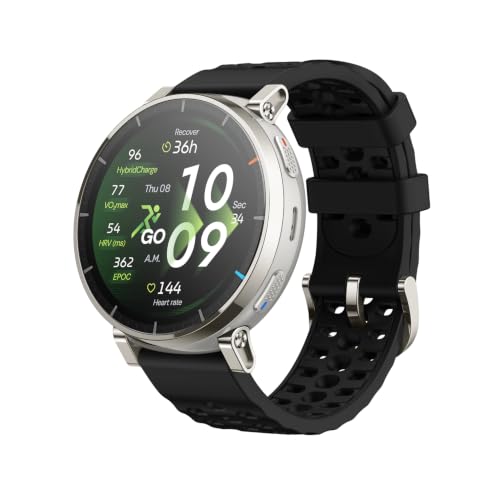
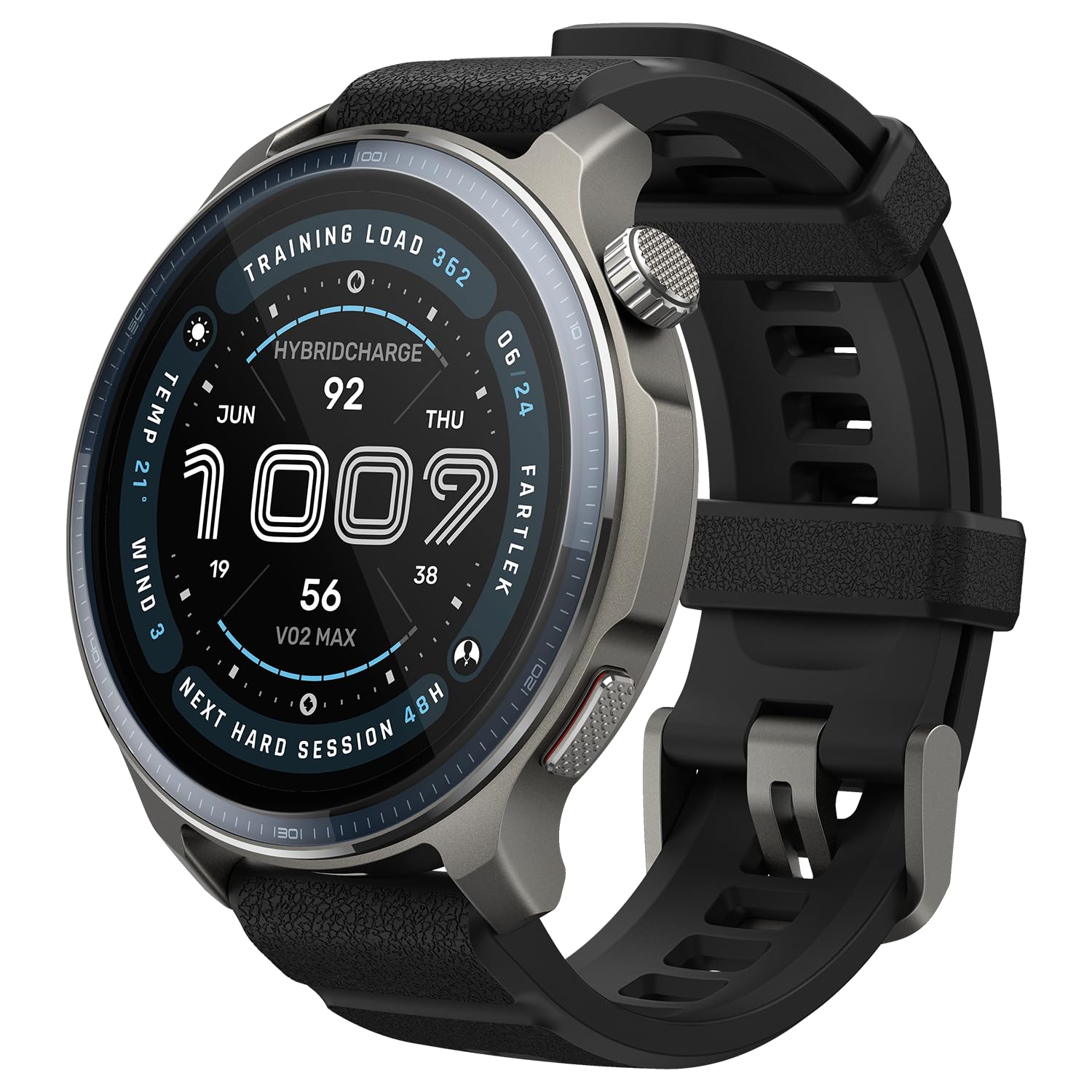
Active people and busy professionals often want GPS, heart rate tracking and phone notifications on the wrist without paying flagship prices. The best mid range smart watches cover that need, usually for around $200 to $400, with bright AMOLED screens, multi satellite GPS, sleep tracking and water resistance suitable for pool swimming.
Competition between big tech brands and fitness specialists has pushed features down to this price tier. Aluminum or titanium cases, multi day battery life and advanced optical sensors are now common. This guide explains operating systems, sensor accuracy, battery trade offs and app ecosystems so you can match a watch to your phone and your routine. The picks in the table show current options to compare.




How to Choose the Best Mid Range Smart Watches: Buying Guide
The right smartwatch balances health tracking with smooth phone integration. Check these core points before you buy, starting with the phone you own.
Smartphone Operating System Compatibility: Wear OS vs WatchOS vs RTOS
Your phone decides which watches work well for you, so check compatibility first.
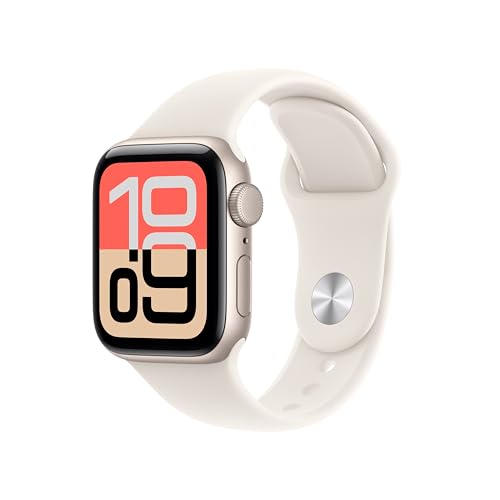
- Apple WatchOS (Apple Watch SE): The natural choice for iPhone users, with iMessage, Siri, Apple Pay and rich third party apps. It does not pair with Android phones.
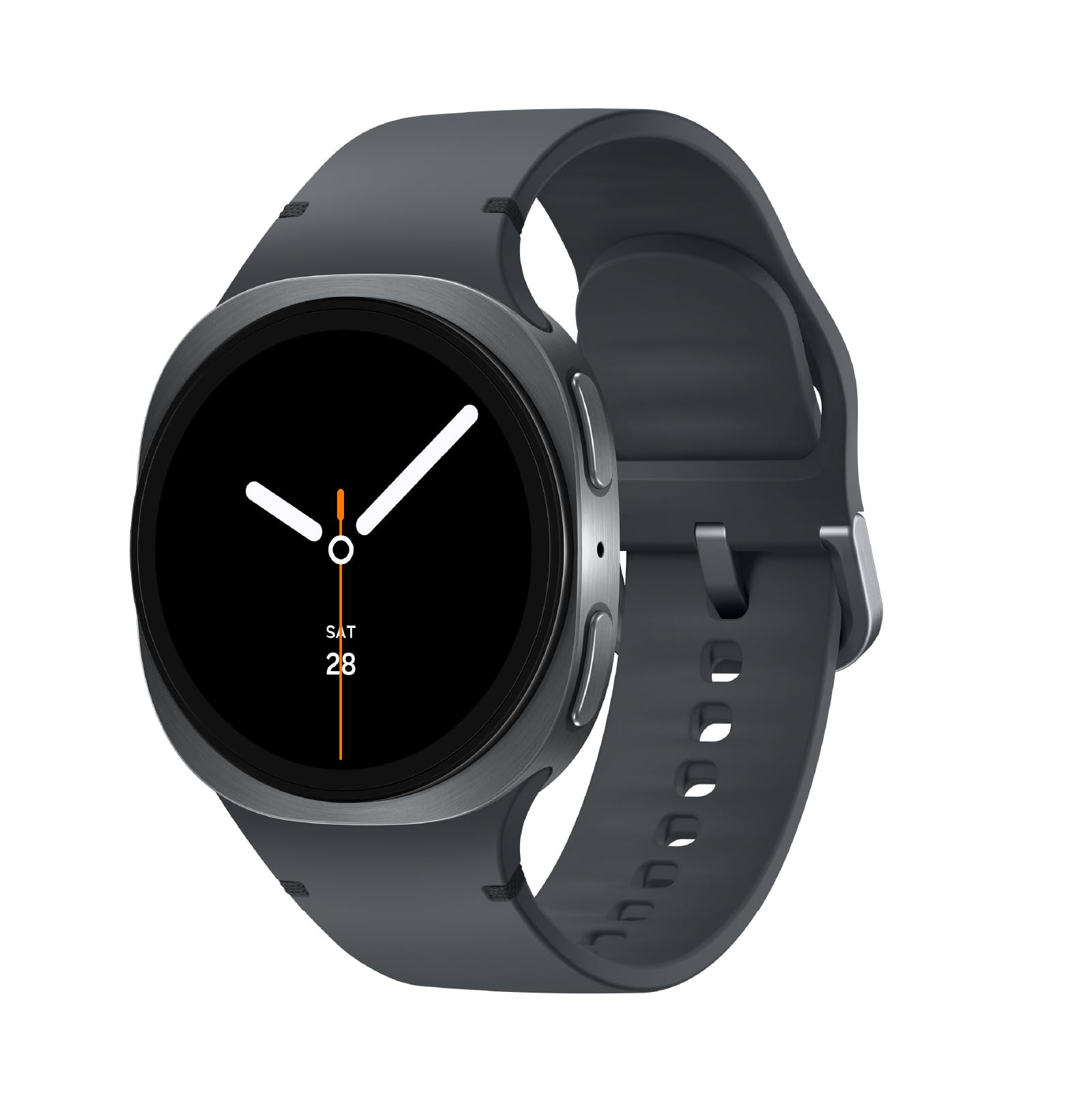
- Google Wear OS (Samsung Galaxy Watch and Pixel Watch): Built for Android users, with Google Maps navigation, Google Wallet, Google Assistant and Play Store apps.
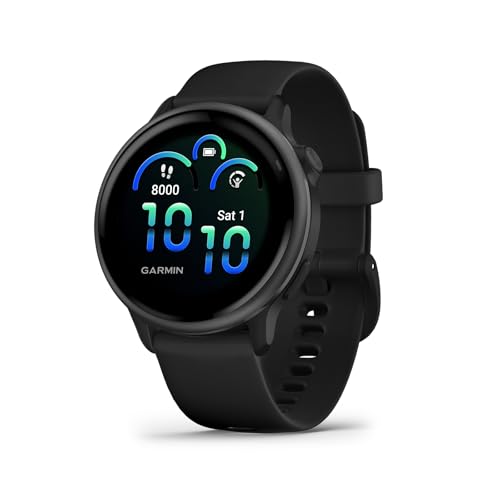
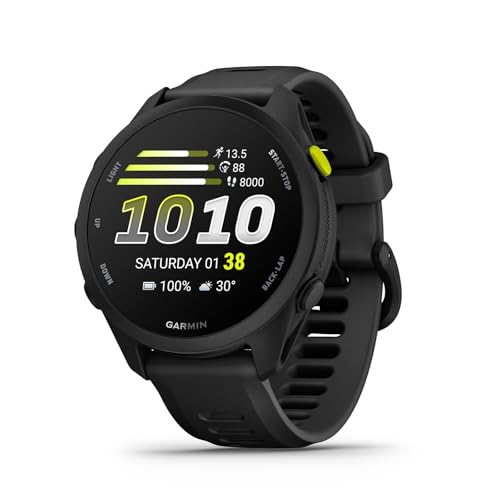
- Lightweight real time operating systems (Garmin and Amazfit): Work with both iOS and Android, favoring long battery life and fitness analytics with simpler notification handling.
Display Technology: Always On AMOLED vs Transflective Memory in Pixel
AMOLED suits everyday use, while transflective screens suit long outdoor days.
- AMOLED displays: Offer saturated colors, deep blacks and high peak brightness, often around 1,000 nits on newer models. They look like miniature phone screens and support animated, customizable watch faces.
- Transflective memory in pixel (MIP) screens: Found on some Garmin outdoor watches. They reflect sunlight, so they get easier to read in bright light while using very little battery, which suits trail runners and cyclists.
Health and Biometric Sensor Arrays: Heart Rate, SpO2, and Sleep Staging
A good mid tier watch gives you useful trend data, not medical diagnoses. Look for these sensors:
- Continuous optical heart rate: Tracks resting heart rate, workout zones and heart rate variability (HRV) to show stress and recovery trends.
- Pulse oximetry (SpO2): Estimates blood oxygen levels, often overnight, and can flag changes worth discussing with a professional.
- Sleep stage tracking: Splits sleep into light, deep and REM phases and often produces a daily recovery score.
Onboard GPS Tracking: Multi Satellite and Dual Band Navigation
Built in GPS lets you run, hike or cycle without carrying your phone. Look for multi satellite GNSS support covering GPS, GLONASS, Galileo and BeiDou.
Some mid range watches add dual frequency GPS, which listens on two bands at once. That helps keep routes accurate under tree cover and between tall buildings.
Battery Endurance: Daily Charging vs Multi Day Freedom
Battery life mostly depends on the software platform. Full featured watches with app stores, such as Apple Watch and Wear OS models, usually last one to two days and need a regular top up.
Fitness focused watches on lightweight firmware often reach a week or more per charge. That suits camping trips and anyone who wants to wear a watch overnight for sleep tracking without charging gaps.
Water Resistance and Swim Tracking Metrics
Choose at least a 5 ATM (50 meters) water resistance rating. That rating is generally suited to pool swimming, showering and snorkeling, though not high speed water sports or diving.
Many mid range models include swim modes that record lap count, stroke type, distance and SWOLF efficiency scores.
Quick Release Watch Straps and Universal Lug Sizing
Standard strap fittings let one watch work with both gym and dressy outfits. Look for 20 mm or 22 mm quick release spring bars instead of proprietary connectors.
With standard pins you can swap a sweat friendly fluoroelastomer sport band for a Milanese steel mesh loop in seconds, no tools needed. It also makes replacement bands cheap and easy to find.
Emergency SOS, Incident Detection, and Safety Accelerometers
Safety features add real value for solo exercisers and older users. Look for automatic fall detection and Emergency SOS, supported by gyroscopes and accelerometers.
If the watch detects a hard fall and you do not respond, it can alert emergency contacts and share your location. Check which features need a paired phone or a cellular plan before relying on them.
Popular Mid Range Smartwatch Categories Compared
Three wearable profiles cover most buyers, so pick the one that matches your daily routine.
Everyday Lifestyle and Productivity Smartwatches
These suit office workers and commuters. They usually have aluminum cases, rich app stores, wrist calling and contactless payments, with a focus on notifications and daily step tracking.
Hardcore Endurance and Sports Fitness Watches
These suit marathon runners, triathletes and hikers. Expect fiber reinforced polymer cases, scratch resistant glass or sapphire, physical buttons that work with wet or gloved hands, and training load and recovery metrics.
Ultra Long Battery Health and Wellness Trackers
These suit people focused on sleep, stress and step goals. They are slim and light, often with AMOLED touchscreens and about two weeks of battery, so there is little daily charging.
Essential Habits for Optimal Smartwatch Health and Accuracy
Four simple habits keep readings accurate and the battery healthy over time.
- Wear the watch snugly about one finger width above the wrist bone: A loose fit lets ambient light disturb the optical sensor, while a snug fit improves heart rate readings during exercise.
- Clean the sensor array on the case back weekly: Sweat, sunscreen and skin oils can coat the sensor window, so wipe it with a damp microfiber cloth after hard workouts.
- Rinse the watch with fresh water after ocean swims: Salt can leave deposits in microphone ports and on charging contacts.
- Trim notification alerts: Turning off promotional app notifications in the companion app reduces vibration use and extends battery life.
Screen Protection for Active Wear
A scratch resistant display is worth paying for if you train outdoors. Sapphire crystal or Corning Gorilla Glass resists scuffs from rocks, gym equipment and door frames far better than plain glass or plastic.
Smart Home Pairings Worth Considering
A smartwatch can control more than your workouts, since many models send alerts and voice commands from your phone and smart home apps to your wrist.
It is also handy for timers while your hands are busy and for checking a notification from across the house. Confirm app support for your watch before counting on these features.
Frequently Asked Questions
Can I answer phone calls directly from a mid range smartwatch?
Yes, models with a built in speaker and microphone let you take calls from your wrist over Bluetooth. Your phone usually needs to be nearby unless the watch has cellular. Sound quality is fine for short calls but not for noisy places.
Do mid range smartwatches support contactless payments?
Yes, models with NFC support payment platforms such as Apple Pay, Google Wallet, Garmin Pay and Samsung Pay. Which service works depends on the watch and your bank. Set up your cards in the companion app before you leave home.
Can a smartwatch track sleep accurately?
It can give a useful estimate, though it is not a medical sleep study. By combining heart rate, HRV and wrist movement, modern watches map light, deep and REM stages and show trends over weeks. Wearing the watch snugly improves results.
Can I store and listen to music offline without carrying my phone?
Yes, many mid range watches have onboard storage for offline playlists from services such as Spotify, Amazon Music or Deezer. You then pair wireless Bluetooth earbuds directly to the watch. Check the storage size and which services are supported.
How long does a mid range smartwatch last before it needs replacing?
Most last about three to five years of regular use. Battery wear and ending software updates are the usual reasons to replace one. Choosing a brand with a long update record helps.
Final Thoughts
A good smartwatch changes how you track health, meet fitness goals and stay on top of messages. Start with phone compatibility, then weigh display type, GPS quality, sensors and battery life against how you actually live.
With those priorities set, the best mid range smart watches deliver strong features without flagship prices. Compare the picks in the table above and choose the one that fits your phone and routine.


