
Best Running Watches: Types Compared and How to Choose
Disclosure: We may earn a commission when you buy through links on this page, at no extra cost to you. As an Amazon Associate I earn from qualifying purchases. Learn more

Running watch types compared side by side and how to choose the best running watches for your training.
A running watch turns every run into useful data. It tracks distance, pace and heart rate with GPS, guides you through intervals, estimates race times and shows how well you are recovering. Choices range from simple GPS watches around $150 to multisport smartwatches costing several hundred dollars, and the differences show up in GPS accuracy, battery life, training features and screen quality. The best running watches track your runs accurately, last long enough for your longest efforts and present training data you will actually use.
This guide compares the main types of running watches side by side, explains how to choose by GPS, heart rate, battery, water resistance and fit, highlights options for specific runners and covers setup and care.



Types of Running Watches Compared
Entry GPS running watches suit beginners and casual runners, advanced training watches suit runners preparing for races, multisport watches suit triathletes and smartwatches suit people who want one device for running and daily life.
| Type | Best For | Pros | Cons | Typical Price |
|---|---|---|---|---|
| Entry GPS running watch | Beginners, 5K to half marathon | Simple, long battery, affordable | Fewer advanced metrics | Around $150 to $270 |
| Advanced training watch | Race focused runners | Training load, recovery, maps, music on some | Higher price, more settings | Around $350 to $600 |
| Multisport watch | Triathletes and cyclists | Swim, bike, run profiles and transitions | Larger and pricier | Around $400 to $800 |
| Smartwatch | Daily wear plus casual running | Apps, payments, notifications | Short battery, less training depth | Around $200 to $800 |
Entry GPS Running Watches
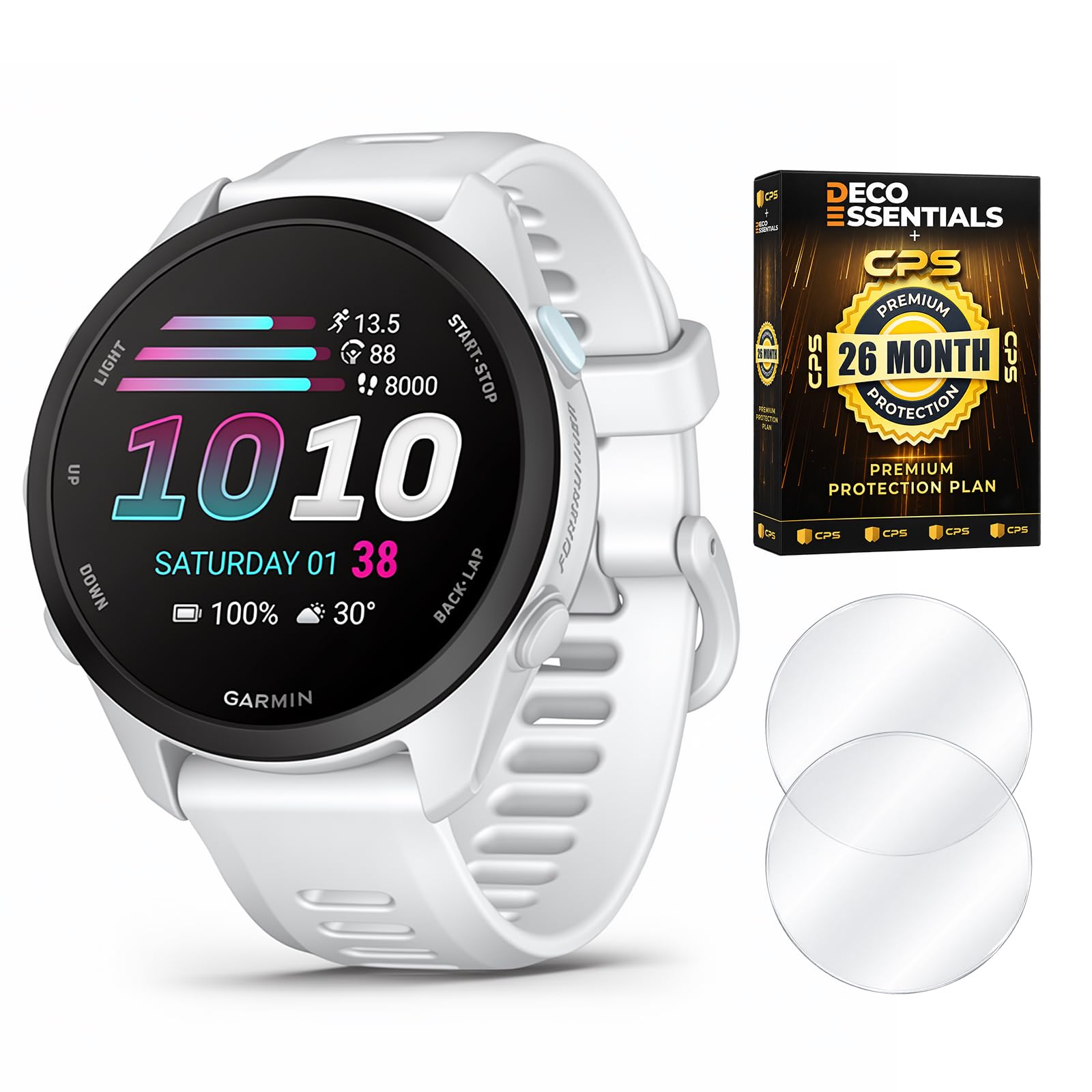
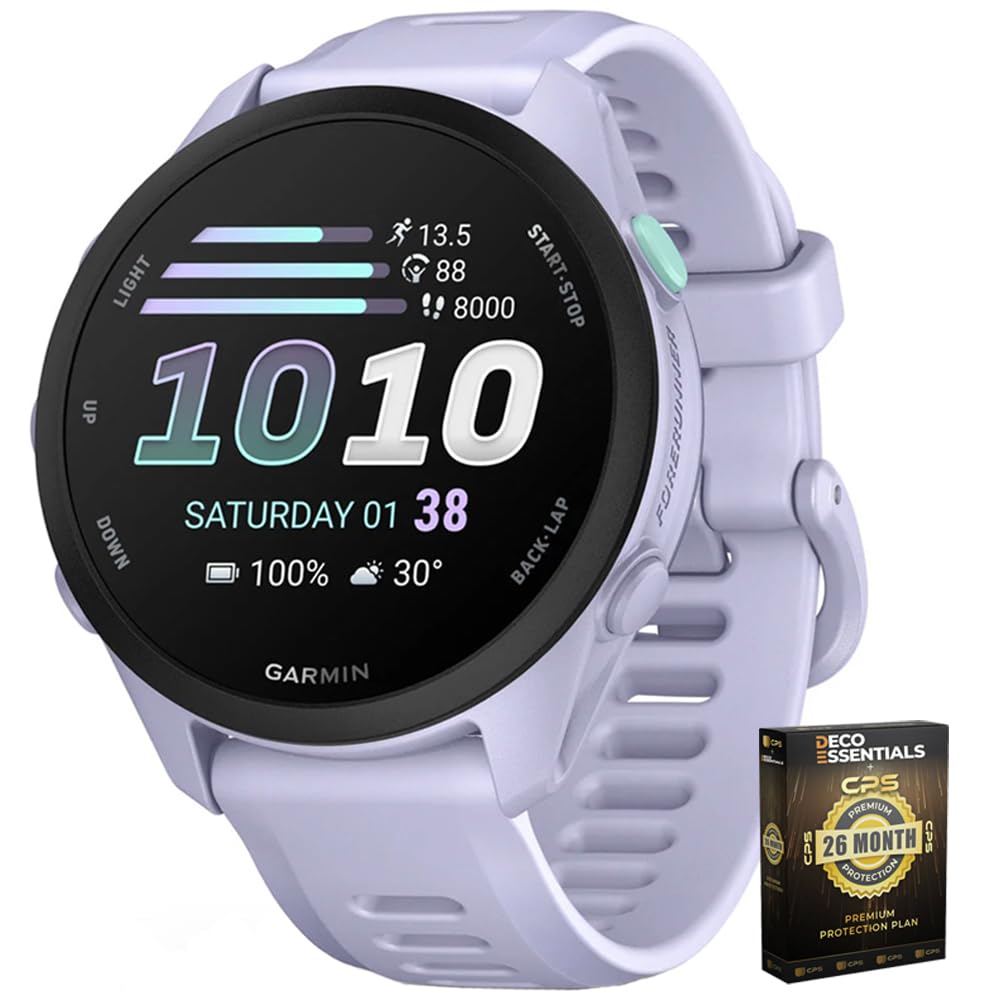
Entry GPS watches like the Garmin Forerunner 55 track distance, pace and heart rate, offer suggested daily workouts and last up to about two weeks in smartwatch mode and around 20 hours with GPS. They are easy to use, light and comfortable for all day wear.
They skip some advanced features like detailed maps, music storage and in depth training load analysis, but most new and recreational runners never miss them.
Choose an entry GPS watch if you run a few times a week and want reliable basics.
Advanced Training Watches
Advanced watches add training readiness, recovery time, training load, race predictors, structured workouts on the watch and sometimes music storage and AMOLED screens. Newer models like the Forerunner 70 and Forerunner 170 Music add bright AMOLED displays, while models like the Forerunner 745 offer detailed training stats and on device workouts.
They cost more but help runners follow plans and avoid overtraining.
Multisport Watches
Multisport watches support swimming, cycling and running in one activity with quick transitions, plus pool and open water swim tracking. The Forerunner 735XT and higher tier models serve triathletes well.
Smartwatches
Smartwatches emphasize apps, messaging, payments and health tracking, and many offer capable running modes. Battery life is usually shorter, often one to two days, and training analysis is lighter than dedicated running watches. For Apple users, see our best Apple Watches guide.
Running Watch vs Smartwatch: Which Should You Choose?
Choose a dedicated running watch if training performance, battery life and GPS accuracy matter most, and choose a smartwatch if you want apps, notifications and a single device for everyday life.
- Battery life: running watches often last days to weeks; smartwatches often need daily charging.
- Training features: running watches offer deeper metrics and coaching.
- Buttons vs touch: physical buttons work better with sweaty hands and gloves.
- Apps and payments: smartwatches lead.
- Price: entry running watches cost less than premium smartwatches.
How to Choose the Right Running Watch
GPS Accuracy and Satellite Systems
Accurate GPS gives reliable pace and distance. Watches that support multiple satellite systems or multi band GPS perform better among tall buildings and trees. If you run trails or in cities, prioritize models with multi band or multi constellation support.
Heart Rate Tracking
Wrist based optical heart rate sensors work well for steady runs. For intervals and precise heart rate zones, pair a chest strap if your watch supports it. Remember that wrist heart rate is for fitness tracking, not medical use.
Battery Life
Check both smartwatch mode and GPS mode battery life. For marathons, look for at least 15 to 20 hours of GPS. Ultra runners need much more. AMOLED screens look great but use more power than memory in pixel displays.
Water Resistance Rating
Most running watches carry a 5 ATM rating, safe for swimming and showers. Multisport watches support pool and open water swim tracking. Avoid hot tubs and saunas unless the manufacturer allows it.
Case Size and Wrist Fit
Running watches come in sizes around 40 to 47mm. Smaller cases suit smaller wrists and are more comfortable at night for sleep tracking. Larger cases fit bigger batteries and screens.
Strap and Band Options
Silicone bands are sweat resistant and easy to clean. Nylon hook and loop bands breathe well and adjust quickly. Quick release pins let you swap bands for work or races.
Screen Type and Legibility
AMOLED screens are bright and colorful for indoor and daytime reading. Memory in pixel screens are highly readable in direct sun and save battery. Choose large digits and customizable data screens for easy glancing mid run.
Training Features and App
Look for structured workouts, race predictions, pace guidance, recovery advice and a companion app that is easy to use. Garmin Connect, for example, syncs runs and suggests workouts based on your history.
Best Running Watches for Specific Needs
Best Running Watches for Android: Which Type Works Best
The best running watches for Android users are dedicated GPS watches from Garmin and similar brands, which work with both Android and iPhone apps, or Android compatible smartwatches. Garmin watches deliver notifications from Android phones and sync runs through the Garmin Connect app.
Best Running Watches for Kids: Which Type Works Best
For young runners, choose a simple, lightweight entry GPS watch or a kids' fitness tracker with a small case, durable band and easy controls. Parents should review data sharing and privacy settings in the app.
Best Running Watches for Marathon Training
Marathoners benefit from long GPS battery life, structured workouts, race predictors and pace guidance features like Garmin's PacePro.
Best Running Watches for Trail Runners
Trail runners should prioritize multi band GPS, maps or breadcrumb navigation, long battery life and rugged builds.
Running Metrics Explained
- Pace: minutes per mile or kilometer; average pace shows overall effort, while lap pace helps with intervals.
- Cadence: steps per minute; many runners aim for a quick, light cadence to reduce overstriding.
- Heart rate zones: five effort bands based on max heart rate that help you run easy days easy and hard days hard.
- VO2 max estimate: a fitness score that tends to rise as aerobic fitness improves.
- Training load: the combined stress of recent workouts, used to warn against doing too much too soon.
- Recovery time: a suggested rest window before your next hard session.
- Race predictor: estimated finish times for 5K, 10K, half and full marathon based on your data.
How to Train With a Running Watch
A running watch helps most when you use its data to guide effort, not just record it. Run most of your weekly miles in easy heart rate zones, where you can talk in full sentences, and save higher zones for one or two quality sessions. Load structured workouts like intervals or tempo runs onto the watch so it alerts you when to speed up and slow down. Check recovery and training readiness before hard days, and compare weekly mileage so you increase it gradually, often by no more than about 10 percent per week. After races, use the stats to set realistic goals for the next training block.
Common GPS and Heart Rate Problems
- Slow GPS lock: sync the watch with its app before runs so satellite data stays current, and stand still in an open area while it connects.
- Jumpy pace: use lap or average pace, enable multi band GPS if available, and avoid starting under tree cover or tall buildings.
- Heart rate spikes at the start: tighten the band slightly, warm up and consider a chest strap for intervals.
- Distance short on tracks: use the watch's track run mode, which corrects for curves.
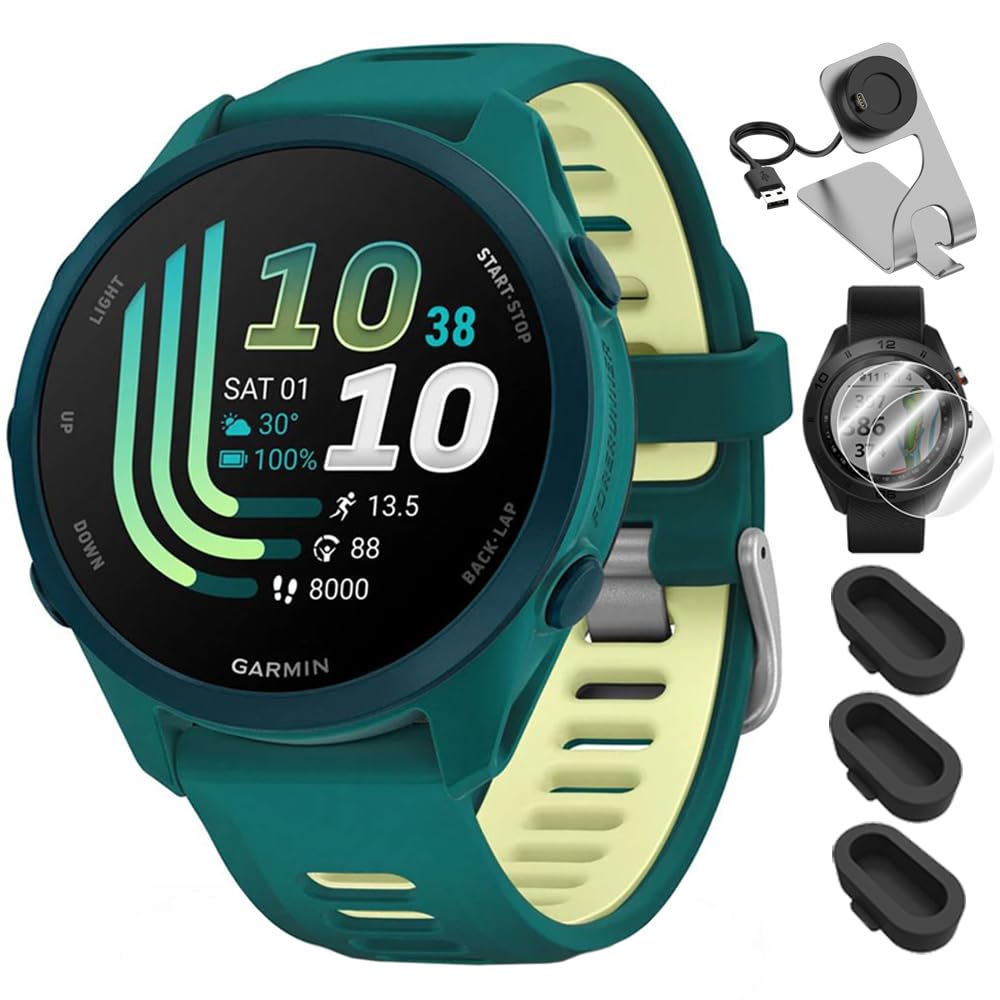
Useful Running Watch Accessories
- Chest heart rate strap: improves accuracy during intervals and in cold weather.
- Spare charging cable: keep one in your gym or travel bag.
- Screen protector: protects the display from scratches on trails.
- Quick release bands: swap between sport and casual looks.
- Foot pod: adds cadence and treadmill pace data on some watches.
Garmin Forerunner Lineup at a Glance
Garmin's Forerunner range is the most common family of dedicated running watches, so it helps to understand how the tiers differ.
- Forerunner 55: the entry GPS model with suggested workouts, PacePro, race predictors and up to about two weeks of smartwatch battery.
- Forerunner 70 and 170 Music: newer models with 1.2 inch AMOLED displays and training readiness; the 170 Music adds on watch music storage.
- Forerunner 745: an older multisport style model with detailed training stats and on device workouts.
- Forerunner 735XT: a multisport GPS watch with heart rate, popular with triathletes.
- Forerunner 970: a premium running smartwatch for serious athletes, often bundled with accessories.
Older models often drop in price when new versions launch, which makes them strong value buys if they still receive updates.
Sleep and Recovery Tracking
Many running watches track sleep, heart rate variability and stress to estimate how recovered you are. These insights help you decide whether to push hard or take an easy day. For best results, wear the watch snugly overnight and keep a consistent sleep schedule. A smaller, lighter case is more comfortable for overnight wear, which is worth considering if recovery tracking matters to you.
How Much to Spend on the Best Running Watches
- Under $200: entry GPS watches like the Forerunner 55 with core running features.
- Around $250 to $400: AMOLED and music models with training readiness and more metrics.
- Around $400 to $800: multisport and premium watches with maps, multi band GPS and advanced training tools.
Setup and Care Tips
- Enter accurate height, weight, age and max heart rate in the app for better estimates.
- Wait for a GPS lock before starting your run.
- Wear the watch snug, about a finger width above the wrist bone, for better heart rate readings.
- Rinse the watch and band with fresh water after sweaty runs or swims.
- Update firmware regularly for accuracy and new features.
- Charge before long runs and races.
Running Watches: Your Questions Answered
How long does a running watch battery last?
Entry running watches like the Forerunner 55 last up to about two weeks in smartwatch mode and around 20 hours of GPS. Advanced models vary; AMOLED screens and music reduce battery life, while battery saving modes extend it.
Is a smartwatch worth it over a running watch?
A smartwatch is worth it if you want apps, payments and notifications and run casually. A dedicated running watch is better for serious training, longer battery life and more accurate pace and distance data.
Do I need a chest strap?
Not for most runs. Wrist heart rate works well for steady efforts. A chest strap improves accuracy during intervals, hill repeats and cold weather when wrist readings can lag.
How water resistant should a running watch be?
A 5 ATM rating handles rain, showers and swimming. Divers need specialized dive watches. Avoid pressing buttons underwater unless the watch is rated for it.
What case size fits my wrist?
Wrists under about 6.5 inches usually suit 40 to 42mm cases, while larger wrists suit 45 to 47mm. Try the watch on for comfort during sleep and runs.
Can a running watch play music?
Some can. Models with music storage, such as the Forerunner 170 Music, store songs or sync playlists from streaming services so you can run with Bluetooth headphones and leave your phone at home. Music storage usually adds cost and reduces battery life during playback.
Are running watches accurate on treadmills?
Treadmill distance comes from the watch's accelerometer, so accuracy varies. Calibrate the watch after a treadmill run if it allows, or use a foot pod for more consistent pace and distance indoors.
Can a running watch track other workouts?
Yes. Most running watches include profiles for cycling, pool swimming, strength training, HIIT, yoga and walking. The Forerunner 55, for example, includes running, cycling, track run, virtual run, pool swim, Pilates, HIIT and breathwork profiles.
When should I replace my running watch?
Many running watches last four to six years. Replace yours when the battery no longer covers your longest runs, when software updates end or when you need features like maps or multi band GPS.
Our Verdict
Choose a running watch by how you train. Entry GPS watches like the Garmin Forerunner 55 suit most new and casual runners, advanced training watches suit race focused runners, multisport watches suit triathletes and smartwatches suit daily wearers who run casually. Prioritize GPS accuracy, battery life and a comfortable fit, and the best running watches will help you train smarter. Check the product table above for current models and prices.


