
Best Underwater Cameras: Every Type Explained Side by Side
Disclosure: We may earn a commission when you buy through links on this page, at no extra cost to you. As an Amazon Associate I earn from qualifying purchases. Learn more

Rugged compacts, action cameras, 360 cameras, kids cameras and housed mirrorless setups compared for snorkeling and diving.
Capturing a sea turtle gliding past, a colorful reef or kids splashing in the pool takes a camera that can survive water, sand and drops. Today's options range from rugged waterproof point and shoots to action cameras, 360 cameras, budget snorkel cameras and full mirrorless rigs inside dive housings. Each type handles depth, image quality and ease of use differently. This guide to the best underwater cameras compares them side by side so you can pick the right one for your next trip.
The short answer: snorkelers and families should choose a rugged waterproof compact like the OM System Tough TG-7, around $580, for excellent photos and close up macro shots, or an action camera like the DJI Osmo Action 5 Pro, around $320, for stable video; budget buyers can start with an AKASO Brave 4 Pro around $90, and serious divers who want the best image quality should use a mirrorless camera in a dedicated dive housing.


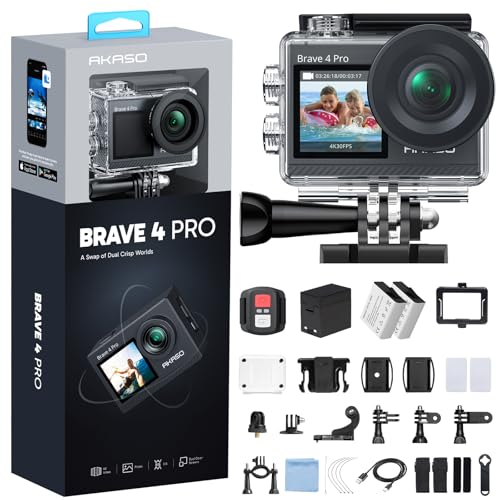

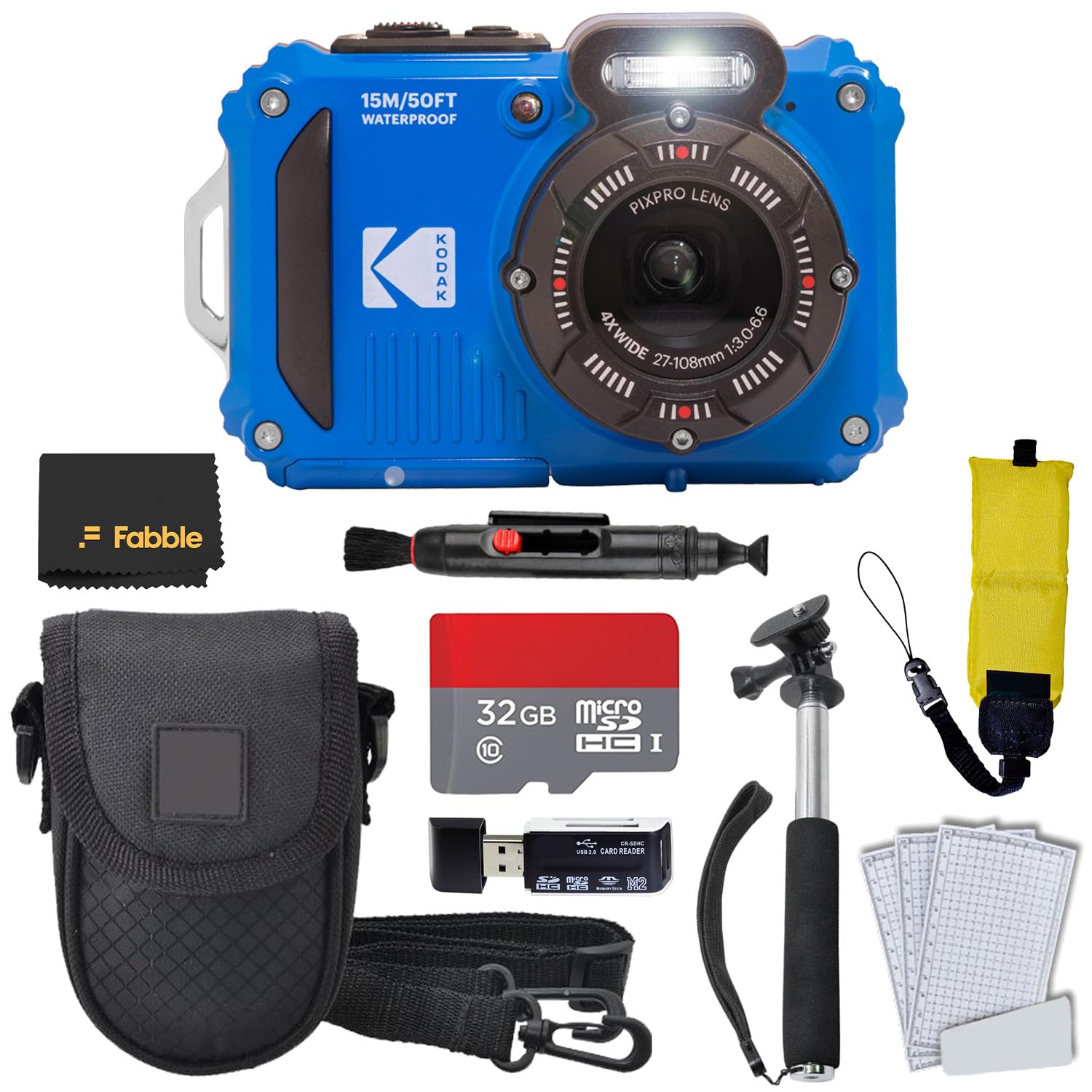

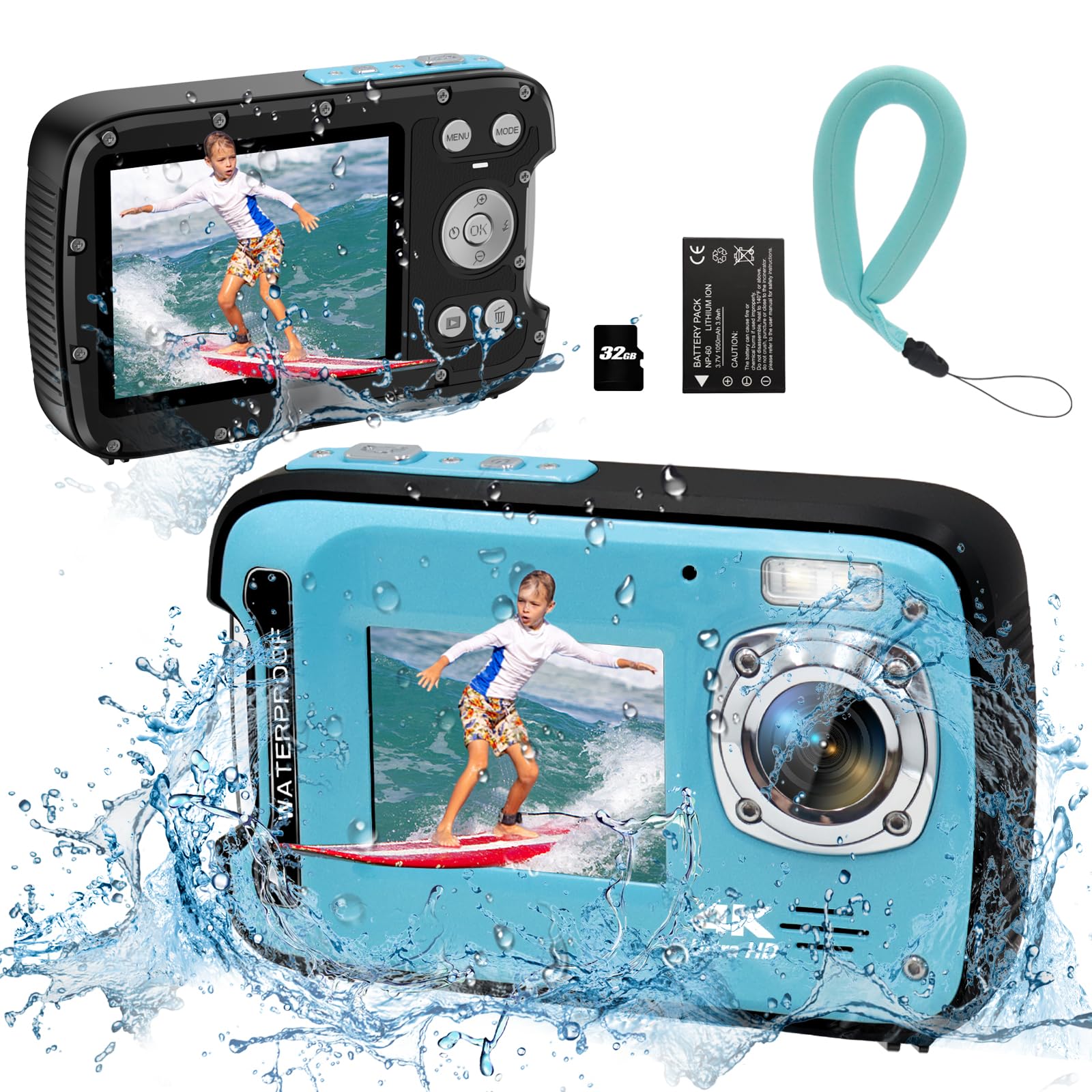
Top 3 Picks at a Glance
These three cameras from the product table above represent the strongest choices for photos, video and tight budgets.


Types of Underwater Cameras Compared
The table below summarizes the main underwater camera types before we look at each one.
| Type | Best For | Pros | Cons | Typical Price |
|---|---|---|---|---|
| Rugged waterproof compact | Snorkeling, family trips, macro photos | Waterproof without a case, optical zoom, easy controls | Small sensor limits low light | around $230 to $580 |
| Action camera | Video, surfing, snorkeling, diving with housing | Excellent stabilization, compact, mounts | Wide lens, weaker still photos | around $90 to $550 |
| 360 camera | Immersive reef and pool video | Captures everything, reframe later | Lens protection needed, more editing | around $400 to $600 |
| Kids and budget waterproof cameras | Children, pool days, casual use | Very affordable, simple | Basic image quality, shallow depth limits | around $40 to $90 |
| Mirrorless in dive housing | Serious divers and photographers | Best image quality, interchangeable lenses | Expensive, bulky, housing required | around $1,500 to $5,000 or more |
Action Cameras
Action cameras like the GoPro HERO13 and DJI Osmo Action 5 Pro are waterproof to around 10 to 20 meters without a housing and much deeper with optional dive cases. Their electronic stabilization keeps footage smooth while swimming, and wide lenses capture reefs and schools of fish. Many offer color correction modes for underwater scenes.
Their limits are wide fixed lenses that make distant subjects small and smaller sensors that struggle in deeper, darker water. Action cameras suit snorkelers, surfers and divers who prioritize video.
Rugged Waterproof Compacts
Rugged compacts like the OM System Tough TG-7 and Kodak PIXPRO WPZ2 are built to be waterproof, shockproof and freezeproof without extra cases. They offer optical zoom lenses and traditional camera controls, making them better for still photos than action cameras. The TG-7 excels at underwater macro photography, capturing tiny sea creatures in sharp detail.
These cameras suit snorkelers, families and travelers who want great photos with simple operation. Small sensors limit performance in very low light.
360 Cameras
360 cameras like the Insta360 X5 record everything around you, letting you choose angles later. They produce immersive footage of reefs and pool play and can hide the selfie stick for a floating camera effect. Lens guards or dive cases protect the exposed lenses underwater, and editing takes more time than with standard cameras.
Mirrorless Cameras in Housings
Serious underwater photographers use mirrorless cameras inside dedicated housings rated for 40 to 100 meters. Large sensors and interchangeable lenses deliver the best image quality, especially with strobes or video lights. The trade offs are cost, bulk and complexity, making them suited to dedicated divers.
Action Cameras vs Rugged Compacts: Which Should You Choose?
- Video: Action cameras win with superior stabilization and high frame rates.
- Photos: Rugged compacts win with optical zoom, better macro and more natural framing.
- Depth: Rugged compacts reach around 15 meters without a case; action cameras reach 10 to 20 meters bare and deeper with housings.
- Ease of use: Rugged compacts feel like traditional cameras; action cameras are best controlled with touchscreens and apps.
- Mounting: Action cameras attach to helmets, masks and poles easily.
Choose an action camera if video matters most, and a rugged compact if you want great snorkeling photos and macro shots.
How to Choose the Right Underwater Camera
Autofocus and Stabilization
Water moves constantly, so stabilization is vital for video. Action cameras use electronic stabilization and horizon leveling for smooth footage. Rugged compacts use fast autofocus and optical stabilization for sharp photos. Macro modes help focus on subjects just centimeters away.
Size, Weight, and Ergonomics
Underwater cameras should be easy to hold with one hand and wrist straps. Bright colors make them easier to spot if dropped. Large buttons help when wearing gloves. Floating straps or handles prevent losing cameras in open water.
Sensor Size and Image Quality
Larger sensors capture more light, which matters because water absorbs light quickly as you go deeper. Action cameras with 1/1.3 inch sensors outperform older models in dim conditions. Mirrorless cameras deliver the best quality with large sensors. Shooting in RAW helps correct colors later.
Ease of Use for Your Skill Level
Beginners benefit from underwater scene modes, automatic color correction and simple menus. Advanced users want manual exposure, RAW support and compatibility with external lights and strobes.
Durability and Waterproof Rating
Check the waterproof depth without a housing. Snorkeling needs 3 to 5 meters, while recreational diving needs 18 to 40 meters, usually requiring a housing. Shockproof and freezeproof ratings add protection for adventure travel.
Picking the Right Underwater Cameras for Different Uses
Best Underwater Cameras for Video: Which Type Works Best
The best underwater cameras for video are action cameras with strong stabilization, 4K recording and underwater color modes. The DJI Osmo Action 5 Pro and GoPro HERO13 produce smooth, vibrant footage and accept dive housings for deeper water. Add a red filter or video light for color at depth.
Best Underwater Cameras for Kids: Which Type Works Best
The best underwater cameras for kids are simple, durable and inexpensive, such as waterproof kids cameras around $40 with large buttons and wrist straps. Older kids can use budget action cameras like the AKASO Brave 4 Pro with a waterproof case.
Best Small Underwater Cameras
The best small underwater cameras fit in a pocket or mount to a mask. Action cameras and compact floating cameras are lightweight and travel friendly, while rugged compacts like the TG-7 pack zoom lenses into small bodies.
Underwater Photography Tips
Water absorbs red light first, so colors fade as you go deeper. Stay close to your subject, ideally within a meter, and shoot near the surface in bright sunlight for the best colors. Use underwater white balance modes or red filters, and add video lights or strobes for dives. Approach marine life slowly and never touch reefs or animals.
Keep the sun behind you for well lit subjects, and shoot slightly upward toward the surface for dramatic silhouettes. Burst mode helps capture moving fish.
Snorkeling vs Scuba Diving: What Your Camera Needs
Snorkelers stay near the surface, usually within a few meters, where sunlight keeps colors vivid. A rugged compact or action camera waterproof to 10 to 15 meters is plenty, and no housing is required. Floating straps or handles are important, since snorkelers often hold the camera at arm's length and a dropped camera can sink quickly in open water.
Scuba divers descend 10 to 30 meters or more, where pressure increases and light fades. Cameras need housings rated beyond your maximum depth, and lights or strobes become essential for color. Controls must be easy to operate with gloves, and divers benefit from cameras that support manual white balance and RAW files for color correction. Check that the housing has large, clearly marked buttons and a vacuum seal check if available.
Lighting and Filters for Better Underwater Color
Water filters out red, orange and yellow light within the first few meters, leaving footage blue or green. Red or magenta filters restore warmth in blue and green water respectively, and they are inexpensive add ons for action cameras. Video lights add continuous illumination for close subjects, while strobes provide powerful flashes for still photos.
Position lights to the sides of the camera rather than directly behind it to reduce backscatter, the bright specks caused by light reflecting off particles in the water. For snorkeling in sunny shallow water, natural light and an underwater color mode are often enough.
Traveling with Underwater Cameras
Pack cameras in carry on luggage with batteries charged to around 50 percent for flights, following airline lithium battery rules. Bring spare batteries and memory cards, since charging opportunities on boats are limited. A small dry bag protects the camera and phone between snorkel stops. Check seals and O rings before each day in the water, and carry silicone grease and a cleaning cloth for maintenance on the go.
Editing Underwater Photos and Video
Even good footage benefits from editing. Adjust white balance to remove blue or green casts, increase contrast slightly and boost red tones carefully for natural color. Many action camera apps include underwater presets. For photos, shooting RAW gives the most flexibility in programs like Lightroom. Trim video clips to the best moments and add music to share highlights from your trip.
Care and Maintenance Tips
Rinse cameras in fresh water after every use, especially after saltwater, and soak them briefly to dissolve salt from buttons and seals. Dry thoroughly before opening battery or card doors. Inspect and clean seals and O rings before each trip, and replace them if damaged. Store cameras in dry, padded cases, and never leave them in direct sunlight on the beach.
Common Mistakes to Avoid
- Ignoring depth ratings. Exceeding a camera's rated depth can cause leaks and permanent damage.
- Skipping seal checks. Sand or hair on an O ring can let water in; inspect before every swim.
- Opening doors while wet. Dry the camera and your hands before opening battery or card compartments.
- Forgetting a floating strap. Cameras dropped in open water often sink and are lost.
- Shooting too far away. Water reduces clarity; get close to subjects for sharp, colorful shots.
Underwater Cameras for Families
Family beach vacations and pool days are among the most common reasons to buy an underwater camera. Durable rugged compacts with large buttons and simple modes let kids and adults share the camera easily, while shockproof designs survive drops on sand and pool decks. Budget kids cameras give children their own device to experiment with, and inexpensive action cameras capture splashy video of everyone in the water. Choose bright colors so cameras are easy to find in bags and on the beach.
How Much to Spend on an Underwater Camera
Around $40 to $90 buys kids cameras and budget action cameras for pool days and casual snorkeling. Around $230 to $350 brings rugged compacts and quality action cameras with great stabilization. Around $500 to $600 covers premium rugged compacts and top action and 360 cameras. Dedicated dive rigs with mirrorless cameras, housings and lights cost several thousand dollars.
Underwater Cameras: Your Questions Answered
Which is better for low light underwater?
Cameras with larger sensors and bright lenses perform best in low light underwater. Newer action cameras with 1/1.3 inch sensors improve dim scenes, while mirrorless cameras with strobes deliver the best results on deeper dives. Adding a video light helps any camera.
How much should I spend on my first underwater camera?
Plan to spend around $90 to $350 for a first underwater camera. Budget action cameras suit occasional snorkeling, while rugged compacts and quality action cameras deliver better results for regular trips.
How deep can underwater cameras go?
Most rugged compacts and action cameras go around 10 to 20 meters without a case. Dive housings extend depth to 40 to 60 meters or more. Always check ratings before diving.
What specs matter most for beginners?
Beginners should focus on waterproof depth, ease of use and stabilization. Underwater modes and automatic color correction help produce good results without manual settings. Choose a camera that floats or includes a floating strap.
Is a smartphone enough instead?
A smartphone in a waterproof pouch works for shallow pool shots, but it is risky and limited. Touchscreens do not work underwater, pouches can leak and phones are expensive to replace. Dedicated underwater cameras are safer and easier to use.
Do underwater cameras float?
Most underwater cameras do not float on their own. Attach a floating strap or handle, especially when snorkeling in deep water. Some budget cameras include floating straps in the box, which is worth looking for.
Can I use an underwater camera in a pool?
Yes, underwater cameras work great in pools. Rinse them with fresh water afterward to remove chlorine, which can wear seals over time. Pools are a good place to practice before a snorkeling trip.
Do I need a dive housing for snorkeling?
No, most rugged compacts and action cameras are waterproof enough for snorkeling without a housing. A housing adds protection against scratches and allows deeper dives. Use one if you plan to scuba dive or want extra security for an expensive camera.
The Bottom Line
The right underwater camera depends on whether you prioritize photos, video or budget. Rugged compacts excel at snorkeling photos and macro, action cameras deliver stable video, 360 cameras capture immersive scenes and budget models suit kids and pool days. Serious divers can step up to mirrorless housings.
Compare the best underwater cameras in the product table above to find the right camera for your adventures.


