Best 12V RV TVs: Power Draw, Mounting, Reception and Streaming on the Road
Disclosure: We may earn a commission when you buy through links on this page, at no extra cost to you. As an Amazon Associate I earn from qualifying purchases. Learn more

Best 12V RV TVs run straight from the camper battery. Compare power draw, mounting, antenna reception and streaming features.
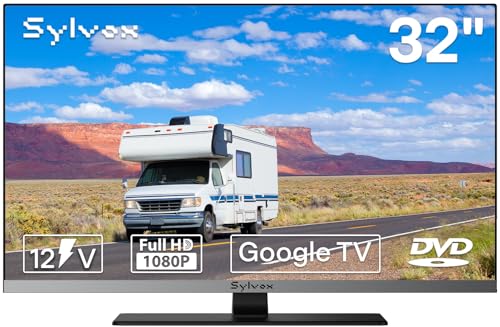
A television built for a camper runs on the vehicle's own battery system, so you can watch without an inverter or a generator. That convenience comes with design differences from a home TV: lower power draw, a sturdier build and often a built-in DVD player. The best 12V RV TVs balance picture quality with the limits of life on a battery.
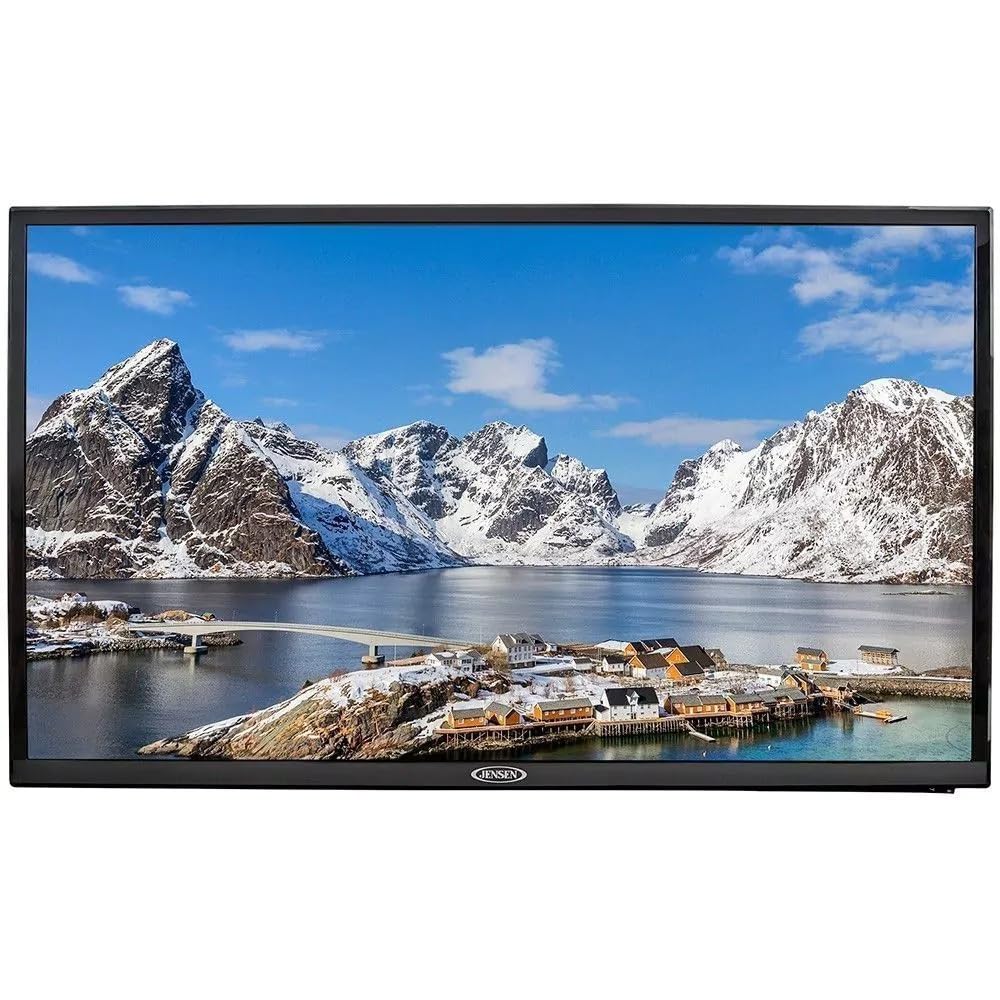
This guide covers power use, mounting, signal reception and smart features, and points out what to check before you buy. The product table above lists several sizes from compact to large.





Why 12 Volt Matters in an RV
Campers store power in 12 volt batteries. A normal TV needs mains power, which means an inverter that wastes energy converting from DC to AC and back. A 12 volt television plugs into the battery system directly, which is more efficient and keeps your electrical system simple.
Many models also accept a wide voltage range, which tolerates the swings between a charging and a discharging battery. Check the listing for the stated input range and connector type, and decide where the power will come from.
Screen Size and Resolution
RV living spaces are small, so a very large screen can dominate the room. Mid-size sets of around 22 to 32 inches suit most layouts, while larger sets suit bigger coaches. Match the size to your seating distance, and measure the wall before you order.
Full HD gives a clear picture on screens this small, and anything higher has little extra benefit at RV viewing distances. Check the brightness if you will watch in a sunny cabin.
Mounting and Vibration
Travel shakes everything. Use a proper bracket with a locking arm, and check the screw pattern that your TV uses. A swing-out arm lets you view from a bed or dinette, then fold flat for driving. Secure the screen when moving, since road vibration can loosen fixings.
Do not rely on the stand for travel. A stand is fine at camp, but a mounted or strapped TV is safer on the move. Our guide to the best RV TVs covers more mounting options.
Smart Features, DVD and Connections
Many RV models include smart platforms, built-in DVD players and several inputs. Smart features need Wi-Fi, which you may not have at a remote campsite, so a DVD player or a USB port is a handy backup. Check the HDMI inputs for a streaming stick or game console.
Look for a headphone jack if you share small spaces, and check whether the speakers are decent. A compact soundbar is a good addition, and our guide to the best soundbars for TVs helps you choose.
Reception and Antennas
Over-the-air channels depend on your location and the quality of your antenna. A TV with a good tuner helps, and an outdoor or amplified antenna improves reception at camp. See our guide to the best antennas for TVs for advice.
Satellite and streaming add options when you are out of range. A TV that supports the services you use removes a lot of hassle.
Power Draw and Battery Planning
A smaller, efficient set uses far less energy than a large one. Work out how long you will watch each day and compare it with your battery capacity. If you run a solar setup, a modest TV is easier to support.
Leave the TV off standby when not in use, since idle draw adds up over days. A power meter or battery monitor shows the real consumption.
Durability and Travel Readiness
A good RV TV tolerates temperature swings, dust and vibration better than a home set. Look for solid construction and a secure stand or mount. Keep the original packaging if you plan to remove the TV for winter storage.
Check the warranty and the seller's return policy, since shipping a large TV for repair is awkward. Buyer feedback about transit damage and screen faults is especially useful.
Choosing the Best 12V RV TVs by Budget
Small budget models give a basic picture and a DVD player, which suits occasional use. Mid-priced models add smart features, better panels and larger sizes. Premium models offer brighter screens and refined build.
Pick the size and connections you need first, then spend on picture quality. Skip features that depend on Wi-Fi if you often camp in remote places.
Wiring and Installation Safely
Use a dedicated fused circuit from the battery or distribution panel, with wire thick enough for the TV's draw and a fuse near the source. Check polarity before connecting, because reversed wiring can damage the set. If you are not confident with wiring, ask a qualified installer, since an error in a camper electrical system can be dangerous.
Route cables so they cannot chafe, and keep the plug accessible for removal. A cigarette-lighter style adapter is convenient but can loosen on rough roads, so a hardwired connection is better for permanent installs. For other uses, see our guide to the broader 12V TV range.
Mistakes to Avoid
The common mistakes are buying too large a screen, ignoring the mounting pattern and forgetting about reception. Another is assuming a smart TV works without internet, which leaves a blank screen in a remote spot. Some buyers also overlook the power connector and need an adapter.
Before ordering, measure your wall space, check how you will mount the set and decide how you will get signal. A few minutes of planning saves a lot of trouble at camp.
Frequently Asked Questions
Can I run a normal TV in my RV?
Yes, with an inverter, but it wastes power. A 12 volt TV is more efficient.
How much power does an RV TV use?
It varies by size and brightness. Smaller screens use far less, and the listing should state consumption.
Do I need an antenna?
For over-the-air channels, yes. Streaming needs internet instead.
Can I travel with the TV mounted?
Only with a secure bracket designed for vibration, and ideally locked in place.
Is a built-in DVD player useful?
Yes for areas without internet, and for families with a disc collection.
Wrapping Up
Choose a size that fits your space, check the power input and mounting, and plan for reception. The best 12V RV TVs run efficiently from your battery, survive the road and keep your entertainment simple. Use the product table above to compare options and check the return policy before ordering.
Prices and availability can change, so check the product page before ordering.