Best 12V TVs for Vans, Boats, Cabins and Off-Grid Living
Disclosure: We may earn a commission when you buy through links on this page, at no extra cost to you. As an Amazon Associate I earn from qualifying purchases. Learn more

Best 12V TVs for vans, boats, trucks and off-grid cabins: how DC power input, size, reception and solar budgets shape the choice.
Not every place with a battery has a wall socket. Vans, boats, trucks, tiny homes and off-grid cabins often run on low-voltage direct current, and a television designed for it saves the energy an inverter would waste. The best 12V TVs are efficient, compact and built for conditions a living room set never sees.
This guide looks at where these TVs make sense, how to judge power input, how big a screen you can power and how to get a signal. The product table above lists sizes and styles to compare, from small cabin screens to larger smart models.


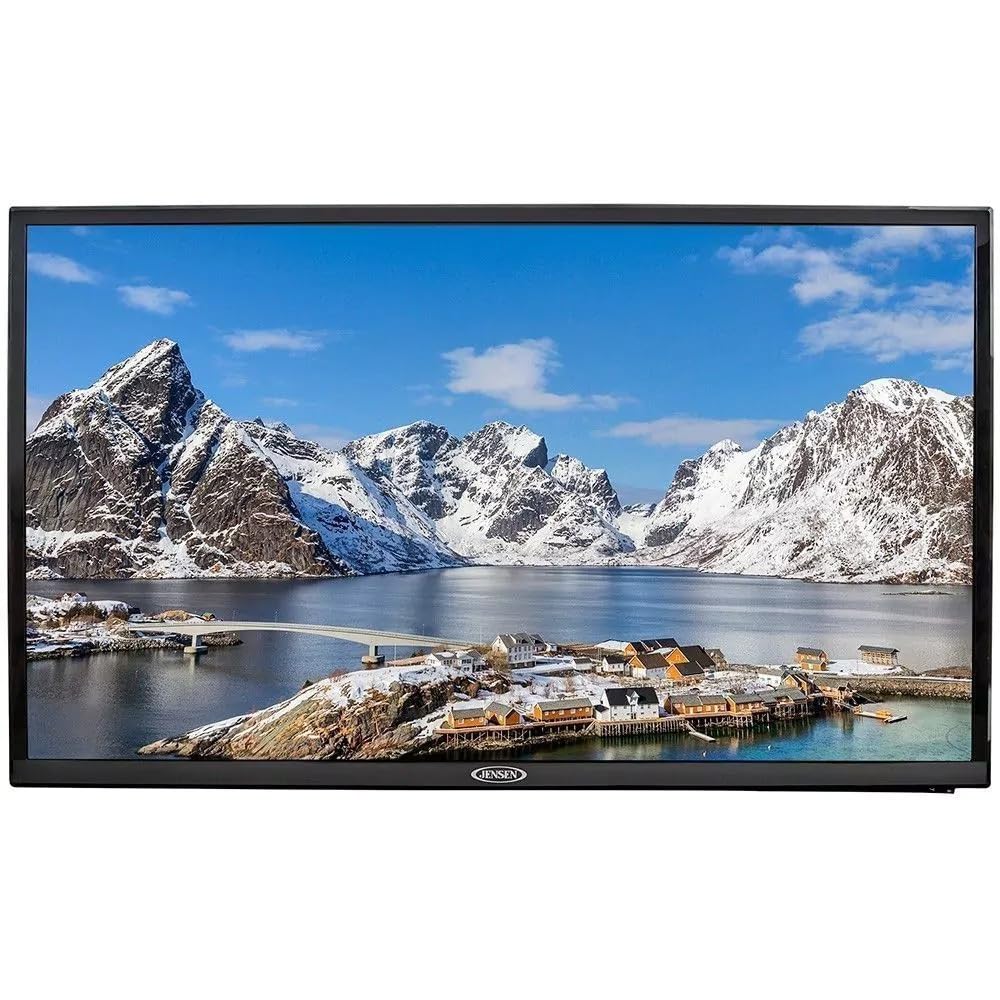


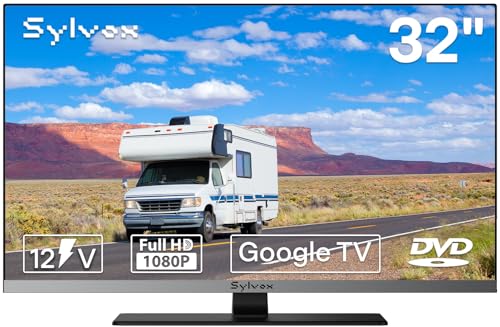


Where a 12 Volt TV Makes Sense
A 12 volt set suits any setup where a battery is the main power source. In a campervan, it runs from the leisure battery.
On a boat, it sits on the house bank. In an off-grid cabin, it hooks up to a solar and battery system. Because there is no AC conversion, it uses less power and keeps wiring simple.
If your vehicle is a large camper with a mains hookup, you might prefer a model designed for caravans, and our guide to 12V RV TVs covers that setting in detail.
Understanding the Power Input
Look at the voltage range the TV accepts, the connector style and the stated power consumption. Some sets handle a wide input range, which suits batteries that swing between charging and discharging. Others are strict and may need a regulator.
Consider how the TV connects: a plug-in adapter is convenient, while a hardwired connection is neater and safer for a permanent install. If you want mains use as well, check whether a mains adapter is in the box.
How Big a Screen Can You Power
Screen size drives power draw. A small screen can run for hours on a modest battery, while a large one may drain a small system quickly. Work out your daily viewing time, multiply by the TV's draw and compare with your battery and solar capacity.
For many small spaces, a screen in the range of the low twenties to low thirties of inches is the balance between viewing comfort and power use. Larger sets suit roomy cabins with strong solar.
Reception, Streaming and Discs
Signal sources vary by location. Over-the-air channels need a good antenna, and our guide to the best antennas for TVs helps you choose. Streaming needs internet, which may be limited off-grid, so a built-in disc player or USB playback gives you offline options.
Smart platforms add convenience but depend on Wi-Fi and software updates. If you rely on a phone hotspot, check data use and consider downloading content in advance.
Solar and Battery Considerations
Solar systems have limited daily energy. Plan your viewing around sunny periods, and avoid running a TV in standby overnight, since it quietly consumes power. A battery monitor helps you see how much a movie costs in battery capacity.
Choose a TV with an efficient backlight and a low brightness setting for evenings. Lowering brightness saves power and is easier on the eyes at night.
Mounting and Movement
On a moving platform, secure everything. Use a mount designed for vibration, with a locking arm, or fold the TV away for travel. On boats, consider moisture and salt air, and keep the screen away from direct spray.
In a fixed cabin, a simple wall mount or a stand on a shelf works. Make sure there is airflow behind the set, since heat shortens life.
Choosing the Best 12V TVs by Budget
Basic models give a decent picture and simple controls for occasional viewing. Mid-priced models add smart features and larger screens. Premium models add higher-quality panels and ruggedness.
Spend on efficiency and build before extras. If you rarely have internet, skip smart platforms and prefer a model with a good tuner and inputs. Compare with our general guide to the best smart TVs if you plan to use streaming.
Matching the Screen to the Space
Sit where you will actually watch and measure the distance to the wall. In a narrow van, a small screen on a swing arm often feels bigger than a fixed large one, because you can bring it closer. In a boat cabin, check headroom and where the mount will not block a hatch.
Think about a second viewing position, such as a bunk or cockpit. If you will watch from two places, a mount that swivels is more valuable than an extra few inches of screen.
Connecting the TV Properly
Treat the supply like any other low-voltage circuit: protect it with a fuse rated for the TV, use cable sized for the length of the run and keep connections tight. Low-voltage systems carry high current for their power, so thin wire gets hot. Mark the positive and negative leads clearly before you connect.
If the TV flickers or resets, suspect a voltage drop from a long or thin cable, a loose terminal or a flat battery before blaming the set. Fit a voltmeter to your battery bank so you can see sag during use.
Storage and Upkeep
In places that freeze or swelter, unplug the TV and move it indoors if you can. Keep the screen clean with a soft dry cloth, and avoid spray cleaners that can run into the edges. Dust the vents so heat can escape.
Before a trip, run the TV for a short time to confirm it still powers up, and check that mounts and cables are in good shape. A small spare adapter or fuse is cheap insurance in remote places.
Frequently Asked Questions
Can a 12 volt TV run from a car battery?
Yes, but running it with the engine off can drain the battery. Use a leisure battery or a monitored system.
Do I need an inverter?
Not with a true 12 volt TV, which is the main advantage.
Is a smart TV good off-grid?
Only with a data connection. Otherwise, rely on antenna or disc playback.
How can I reduce power use?
Lower the brightness, turn off the TV when not watching and avoid standby.
Are these TVs good in boats?
They can be, if mounted securely and protected from moisture.
Wrapping Up
Check the power input, size the screen to your battery and plan how you will get a signal. The best 12V TVs are efficient, secure and simple to run where mains power is not available. Use the product table above to compare models and check the return window before ordering.
Prices and availability can change, so check the product page before ordering.