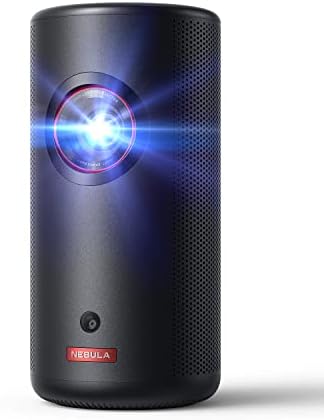
Best Action Video Cameras: Which Type Is Right for You?
Disclosure: We may earn a commission when you buy through links on this page, at no extra cost to you. As an Amazon Associate I earn from qualifying purchases. Learn more

Classic action cams, 360 cameras, wearable mini cams and budget models compared by pros, cons, ideal users and price.
Shopping for an action camera used to mean picking one small waterproof box and calling it done. Today the category has split into classic box cameras, 360 cameras that record everything around you, tiny wearable cams that clip to your chest and low cost models that cover the basics. This guide to the best action video cameras compares each type side by side so you can match the camera style to the way you actually ride, swim, ski or vlog.
The short answer: most people should buy a classic box style action camera with a large sensor, strong stabilization and front and rear screens; choose a 360 camera if you want to reframe shots after the fact, a wearable mini cam if weight and hands free POV matter most, and a budget model only for occasional, casual use.


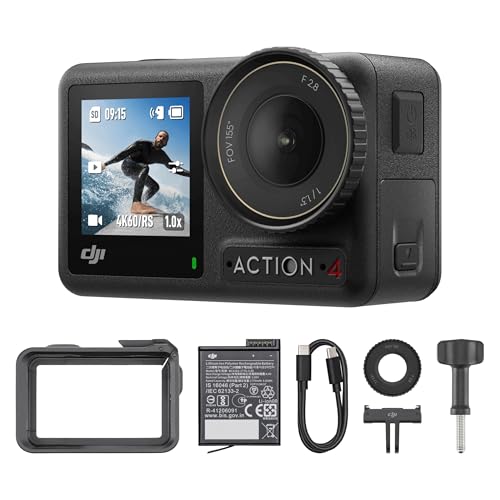


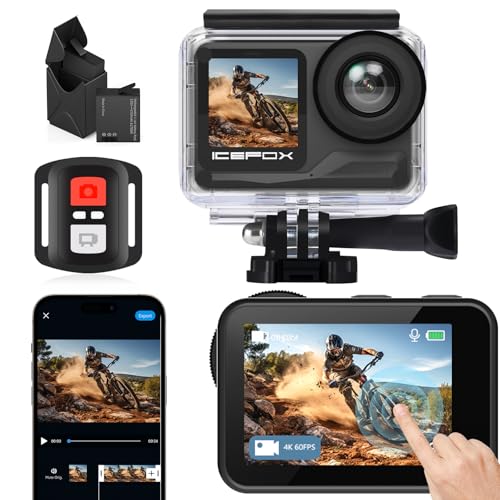

Top 3 Picks at a Glance
These three cameras represent the strongest choice in the three most popular types.


How Action Video Cameras Compare to Other Options
Before comparing action cameras with other gear, it helps to see the main action camera types next to each other. The table below summarizes where each style shines and where it falls short.
| Type | Best For | Pros | Cons | Typical Price |
|---|---|---|---|---|
| Classic box action camera | Most riders, swimmers, travelers and vloggers | Waterproof body, excellent stabilization, huge mount ecosystem, front screen | Small sensor limits low light, fixed wide lens | around $180 to $550 |
| 360 action camera | Motorcycle and ski riders, creators who edit | Captures every angle, reframe later, invisible selfie stick effect | Larger files, more editing time, exposed lenses scratch easily | around $240 to $750 |
| Wearable mini cam | Hands free POV, pets, parents, light travel | Very light, magnetic mounts, discreet | Shorter battery life, less rugged, fewer controls | around $250 to $400 |
| Budget action camera | Kids, occasional beach days, backup camera | Low price, accessory kits included | Weaker stabilization, poor low light, slower apps | around $50 to $180 |
| Mirrorless camera | Cinematic travel films, interviews | Large sensor, interchangeable lenses, shallow depth of field | Bulky, fragile, needs housing for water | around $600 to $2,500 |
| Smartphone | Casual clips and quick social posts | Always with you, easy sharing | Expensive to break, poor mounting, overheats | already owned |
Action Video Cameras vs Smartphones
Modern phones shoot beautiful 4K video, so many people wonder why they would carry a second device. The difference shows up the moment things get wet, fast or bumpy. An action camera is waterproof without a case, survives drops onto rock and pavement, and mounts securely to a helmet, handlebar or chest harness where a phone would be risky.
Phones still win for casual clips, low light scenes and instant sharing. If your typical footage is a walk through a city or a birthday party, your phone is enough. If you mountain bike, surf, ski or kayak, a dedicated camera protects your expensive phone and captures angles a phone simply cannot.
Action Video Cameras vs Mirrorless Cameras
Mirrorless cameras use far larger sensors and interchangeable lenses. They produce richer colors, cleaner night footage and the soft background blur that makes travel films look cinematic. They are also heavier, need careful handling and require an expensive housing before they go anywhere near water.
Action cameras trade that image quality for toughness, tiny size and extreme stabilization. Many creators carry both: a mirrorless camera for planned scenes and interviews, plus an action camera on a helmet or pole for the moments where a larger body would be impossible or dangerous to use.
Action Video Cameras vs Pocket Gimbal Cameras
Pocket gimbal cameras put a small camera on a motorized three axis stabilizer. They produce very smooth handheld walking shots and often have slightly better low light quality than a box camera. However, they are not waterproof, the moving gimbal is fragile, and they are awkward to mount on a bike or helmet.
Choose a pocket gimbal for vlogging on foot and travel walk throughs. Choose an action camera when you need water resistance, impact protection and secure mounting during sport.
Who Should Choose Action Video Cameras?
Action cameras are the right tool for anyone who records while moving through rough or wet environments. Cyclists and mountain bikers use them on helmets and handlebars. Surfers, snorkelers and swimmers rely on built in waterproofing. Skiers and snowboarders appreciate the cold weather batteries and glove friendly controls on newer models. Motorcyclists often prefer 360 cameras because they can pick the best angle later instead of guessing during the ride.
Travelers who want one tough camera for hikes, boat trips and city walks also benefit, especially if they value small size over shallow depth of field. Parents use wearable mini cams to record play from a child's eye level without holding a phone.
On the other hand, if you mostly film indoors, at night or in controlled settings like interviews, a mirrorless camera or even a recent smartphone will give better results. People who want a soft blurred background or optical zoom should also look elsewhere, because action cameras use fixed wide angle lenses.
How to Choose the Right Action Video Camera
Once you know which type fits your activities, compare models on the following points. These factors separate the best action video cameras from cameras that disappoint after the first trip.
Sensor Size and Image Quality
Sensor size matters more than megapixels or headline resolution. Most action cameras use sensors between 1/2.3 inch and 1/1.3 inch. Larger sensors such as the 1/1.3 inch type found in recent DJI and Insta360 models collect more light, which improves dynamic range and reduces noise in shade or at dusk. Resolution of 4K is plenty for most viewers; 5.3K or 8K helps mainly when you plan to crop, reframe or stabilize heavily in editing. Also look for a 10 bit color mode if you want to color grade footage later.
Size, Weight, and Ergonomics
A camera that is comfortable to carry is a camera you will actually use. Classic box cameras weigh around 145 to 155 grams, while wearable mini cams can weigh under 60 grams, which makes a big difference on a cap or chest strap. Front facing screens make vlogging easier, and large physical buttons help when you wear gloves. Quick release magnetic mounts save time when you switch between helmet, bike and handheld use.
Durability and Weather Sealing
Check the waterproof depth without a housing. Many current cameras are waterproof to around 10 to 20 meters straight out of the box, which covers swimming and snorkeling. Divers need a dive housing for deeper water. Replaceable lens covers are valuable because a scratched lens ruins every shot afterward. For winter sports, look for batteries designed to work in cold temperatures and anti fog inserts or coatings.
Low Light Performance
Low light is the classic weakness of action cameras. Larger sensors, wider apertures and dedicated night or low light modes make a real difference for sunrise rides, forest trails and indoor skate parks. Stabilization can also smear details in dim scenes, so cameras that combine a bigger sensor with smart noise reduction usually look cleaner. If you film mostly at night, expect to compromise or consider a mirrorless camera.
Autofocus and Stabilization
Action cameras use fixed focus wide lenses, so autofocus is rarely a concern; nearly everything from about 30 centimeters to infinity stays sharp. Stabilization is the real priority. Electronic stabilization with horizon leveling keeps footage level even when the camera rotates on a helmet or handlebar. Compare the maximum horizon lock angle and whether stabilization works at high frame rates, since some cameras disable features at 4K 120 fps.
Best Action Video Cameras for Specific Needs
Different activities reward different strengths. Here is how the main types line up for common situations.
Best Bit Action Video Cameras: Which Type Works Best
When people search for the best bit action video cameras, they usually care about bit depth and bitrate, the two numbers that decide how much detail and color survives compression. Look for 10 bit color, a high maximum bitrate of around 120 Mbps or more, and a flat color profile for grading. Classic box cameras such as the DJI Osmo Action 5 Pro and GoPro HERO13 Black lead here, while budget models often record only 8 bit at lower bitrates.
Best Type for Cycling and Motorcycling
For cycling, a classic box camera with strong horizon leveling on a helmet or handlebar mount is the simplest setup. Motorcyclists often prefer a 360 camera on an invisible selfie stick, which creates third person shots that look as if a drone followed the bike.
Best Type for Water Sports
Surfers and swimmers should choose a classic box camera that is waterproof without a case, plus a floating hand grip. Bright colored grips make the camera easy to find if it slips loose.
Best Type for Kids and Casual Use
A budget action camera with an accessory kit is fine for children, pool parties and occasional beach days. If it gets lost or broken, the loss is small, and the included mounts cover most needs.
How to Make Your Action Video Camera Last Longer
A little care keeps an action camera working for years. Use a lens cloth, not your shirt, because fabric grinds sand and grit into the lens cover. Carry a spare battery, since cold weather and high frame rates drain batteries quickly, and swapping is better than running the camera to zero repeatedly. Store the camera in a dry, padded bag between trips.
After salt water or muddy rides, rinse the camera in fresh water with the battery door closed, then dry it before opening any door. For 360 cameras, fit lens guards whenever you are not recording, because their bulging lenses scratch more easily than flat covers. Keep the firmware updated, because manufacturers regularly improve stabilization and fix bugs.
Action Video Cameras: Your Questions Answered
How much should I spend on my first one?
Plan to spend around $180 to $350 for a first action camera that you will be happy with. That range covers previous generation flagship models with excellent stabilization and waterproofing. Budget cameras under $100 work for casual use but usually disappoint with shaky footage and weak low light. Spending more than $400 makes sense mainly if you need the newest sensor, 10 bit color for editing or a 360 camera.
What do resolution and frame rate numbers like 4K 120 mean?
The first number is resolution and the second is frames per second. 4K gives sharp detail on large screens, while 120 frames per second lets you slow footage down to quarter speed smoothly. For normal playback, 4K at 30 or 60 frames per second is enough. Higher resolutions like 5.3K or 8K mainly help when you crop or reframe in editing.
Is a smartphone enough instead?
A smartphone is enough for casual clips, but not for rough sports. Phones are not designed to be mounted on helmets, dropped on rocks or submerged without a case, and replacing one costs far more than an action camera. Phones also overheat during long recordings in the sun. If you only film walks, meals and family events, keep using your phone.
Which is better for low light?
Models with larger 1/1.3 inch sensors handle low light best among action cameras. Current flagship box cameras and premium 360 cameras with these sensors produce cleaner footage at dusk and indoors. Even so, any action camera trails a mirrorless camera in darkness. Turning off high frame rates and using a dedicated night mode also helps.
What specs matter most for beginners?
Beginners should focus on stabilization, battery life and ease of use. Strong electronic stabilization with horizon leveling makes footage watchable without editing. A front screen helps framing, and a simple phone app speeds up sharing. Waterproofing without a case is a big bonus. Resolution beyond 4K and advanced color profiles can wait until you start editing seriously.
Do I need a memory card with a special speed rating?
Yes, use a fast microSD card rated V30 or higher, ideally from the manufacturer's recommended list. High bitrate 4K and 5.3K recording writes a lot of data, and slow cards cause dropped frames or sudden stops. Cards of 128GB to 256GB are a practical size for a full day of filming.
Common Mistakes When Buying an Action Camera
The most common mistake is buying on resolution alone. A camera that advertises 8K but has weak stabilization and a tiny sensor will produce worse footage than a 4K camera with excellent stabilization. Another mistake is ignoring the mount ecosystem. A camera is only useful if it attaches securely to your helmet, bike, board or chest, so check which mounts are included and how widely compatible accessories are sold.
Many buyers also underestimate battery life. Most action cameras record roughly 60 to 150 minutes per charge depending on settings, and cold weather cuts that further. Budget for at least one spare battery and a charging case. Finally, do not forget storage and editing time. 360 cameras and high resolution modes create very large files, so you need fast cards, a capable phone or computer and patience for exporting.
Essential Accessories for Every Type
A few accessories make any action camera more useful. A helmet mount, chest harness and handlebar clamp cover most sports. A short extension pole or selfie stick doubles as a tripod for vlogging. Spare batteries with a dual charger keep you recording through long days. For water use, add a floating grip and an anti fog insert.
360 camera owners should add lens guards and a long invisible selfie stick, while wearable mini cam users benefit from magnetic pendants and clip mounts. A small external microphone adapter improves audio for vloggers, since built in mics struggle with wind at speed.
Wrapping Up
Choosing an action camera starts with choosing the right type. Classic box cameras are the safest all round choice for most people, 360 cameras give creators freedom to reframe later, wearable mini cams suit light hands free POV, and budget models cover occasional use. Within any type, prioritize sensor size, stabilization and real waterproofing over headline resolution.
Match the camera to your activities, budget for spare batteries and a fast memory card, and you will capture footage you are proud to share. Review the product table above to compare the best action video cameras by type, price and features.