
Best Affordable Office Chairs: Budget, Midrange, and Premium Picks
Disclosure: We may earn a commission when you buy through links on this page, at no extra cost to you. As an Amazon Associate I earn from qualifying purchases. Learn more

Office chairs from around $40 to $275 sorted by price tier, with three picks and the features worth paying for.
Office chair prices run from about $40 for a basic mesh seat to well over $1,000 for designer ergonomic models, and the gap in comfort is not always as large as the gap in price. Knowing where your money actually makes a difference is the key to buying well. This guide to the best affordable office chairs breaks the market into budget, midrange and premium tiers so you can see what each level delivers and where spending a little more pays off.
The short answer: for most people working four or more hours a day, a chair around $100 to $200 with adjustable lumbar support, a breathable mesh back, seat height and tilt adjustment and a sturdy base is the best value; spend closer to $250 to $300 only if you sit eight hours or more, are tall or need adaptive lumbar and 4D armrests.
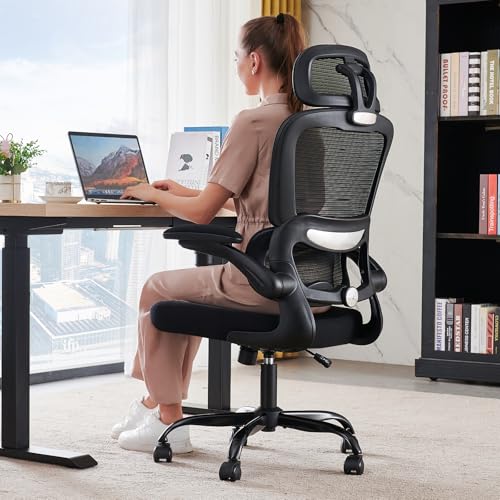
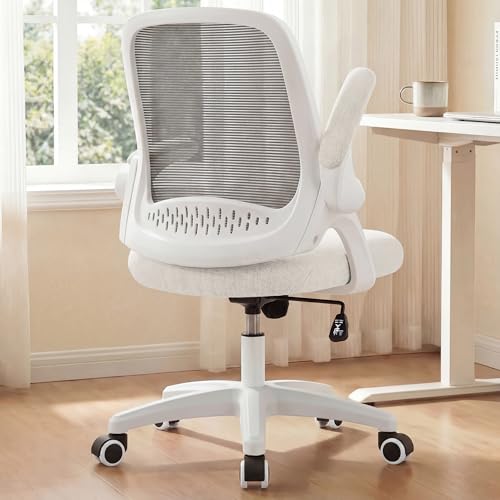
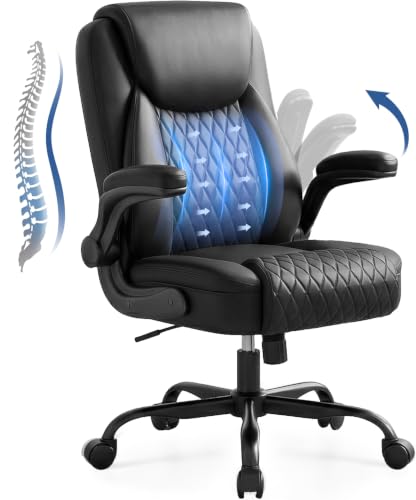
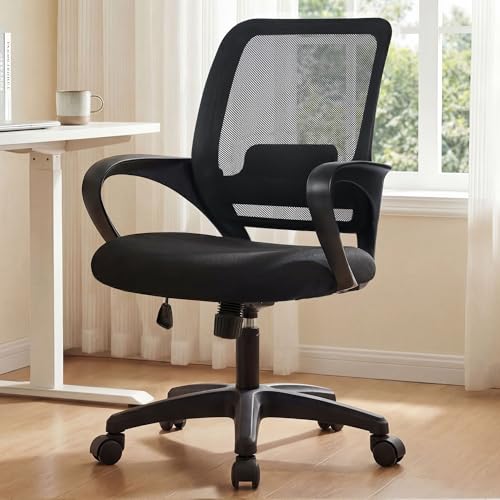
Top 3 Picks by Budget
Each pick below comes from the product table above and represents the strongest value at its price level.


Best Budget Pick
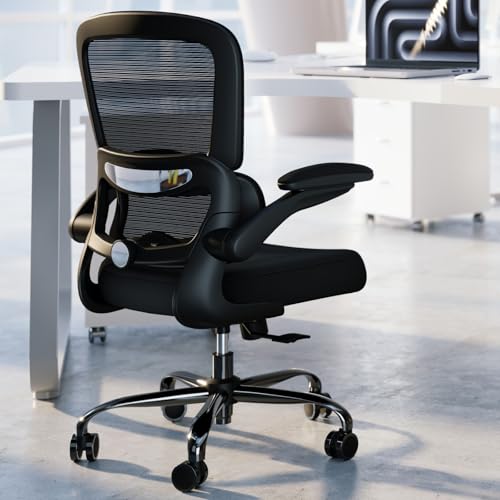
The TRALT Ergonomic Desk Chair, at around $100, is the choice for students, remote workers on a tight budget and anyone furnishing a spare room office. Its two standout strengths are an adjustable lumbar mechanism that changes depth to fit the curve of your lower back, and a high resilience molded foam seat designed to keep its shape instead of flattening after a few months. It also uses a BIFMA certified gas cylinder and a metal core base rated for 330 pounds, two components that commonly fail first on cheap chairs.
The main limitation is the lack of a headrest. TRALT deliberately skipped it to keep the price down, so people who like to lean back and rest their head during calls may want to step up a tier.
Best Midrange Pick
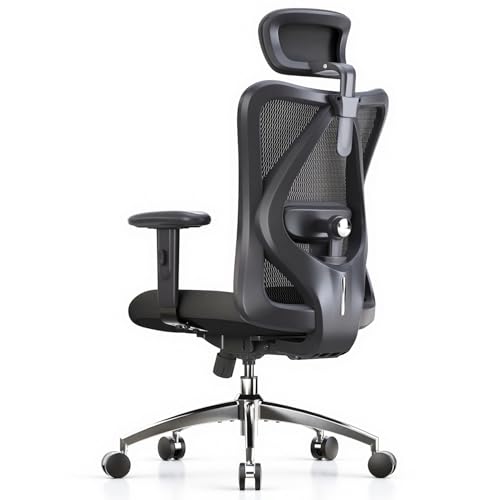
The SIHOO M18, usually around $150 to $170, suits people who sit most of the workday and want fuller support without a premium price. Its first strength is four point support covering head, back, hips and arms, including an adjustable headrest that the budget tier usually lacks. Its second is a breathable mesh backrest that keeps you cooler during long sessions than padded leather style chairs. SIHOO lists a weight capacity of 150 kilograms, roughly 330 pounds.
The limitation is that the armrests have limited adjustment compared with 4D armrests on pricier chairs, so people with unusual desk heights may not get perfect arm positioning.
Best Premium Pick
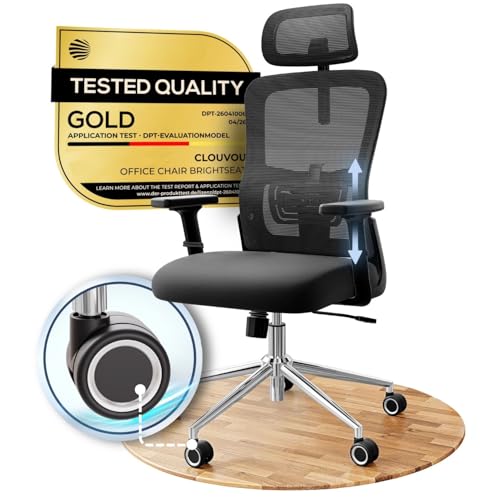
The CLOUVOU Ergonomic Office Chair, around $200, is our pick for buyers who want a noticeably more refined chair while still staying in affordable territory. Its two biggest strengths are targeted lumbar support built for users up to 6.5 feet tall, and a backrest that reclines up to 135 degrees for relaxed reading or short breaks. Ultra quiet wheels and adjustable armrests round out a chair that feels more expensive than it is.
The limitation is that it costs about twice as much as the budget pick, so people who sit only a couple of hours a day may not notice enough difference to justify the extra spend.
What Your Money Gets You at Each Price Tier
Office chair pricing follows fairly predictable patterns on Amazon. Here is what to expect at each level.
Budget Tier: What to Expect
Budget chairs run from around $40 to $110. At this level you get a mesh back, seat height adjustment, basic tilt and usually fixed or flip up armrests. Better chairs near the top of the tier add adjustable lumbar depth and a certified gas lift. The trade offs are thinner foam, limited recline and armrests that do not move in multiple directions. These chairs suit students, part time home workers and anyone who sits up to about four hours a day. Compact flip up arm models like the NEO CHAIR around $40 to $70 also fit small rooms well because they slide fully under a desk.
Midrange Tier: The Sweet Spot for Most Buyers
Midrange chairs fall roughly between $110 and $200. This tier adds adjustable headrests, thicker and denser seat foam, better lumbar adjustment, tilt lock at multiple angles and higher weight ratings. Build quality improves noticeably, especially in the base, wheels and cylinder. For full time remote workers who sit six to eight hours, this is the sweet spot where comfort improves most per dollar. Many chairs here also come with longer warranties, which is a good sign of durability.
Premium Tier: When Spending More Pays Off
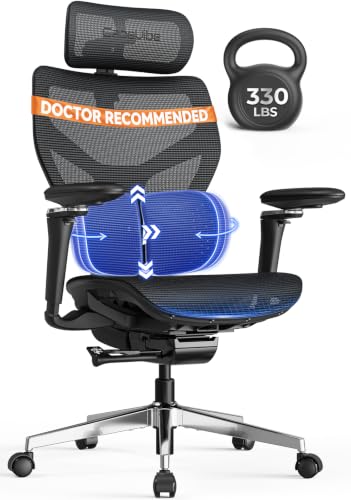
Within the affordable category, premium means roughly $200 to $300. Chairs at this level, such as the CabeVibe C3 around $275, add adaptive lumbar systems that move with your back, 4D armrests, adjustable seat depth, synchro tilt mechanisms and larger frames for tall users. Spending more pays off if you sit eight or more hours daily, are taller than about six feet, have existing back discomfort or share the chair with someone of a very different size. Beyond about $300, you enter brand name ergonomic territory where returns diminish for most home users.
Features Worth Paying For (and Ones to Skip)
Not every feature on a spec sheet deserves your money. Here is how to prioritize when shopping for the best affordable office chairs.
What You Can Realistically Get on a Budget
Around $100 realistically buys a mesh back, adjustable lumbar depth, seat height adjustment, basic tilt with tension control and a 250 to 330 pound weight rating. Expect to give up a headrest, seat depth adjustment and multidirectional armrests. Do not save money on the gas cylinder or base, because sinking cylinders and cracked bases are the most common budget chair failures. Look for BIFMA certified cylinders and metal reinforced bases even at low prices.
Ergonomics and Adjustability
Seat height adjustment is essential at every price, since your feet should rest flat with knees near 90 degrees. Adjustable lumbar support is the single most valuable upgrade for back comfort. Tilt lock lets you fix the backrest upright for focused work or reclined for calls. 4D armrests, which move up, down, forward, back and rotate, are worth paying for if you type for long periods, but 2D armrests are fine for most people.
Size, Dimensions, and Weight Capacity
Measure your space and your body before buying. Check the seat height range against your height; taller users often need a range that reaches 21 inches or more. Seat width around 19 to 21 inches suits most adults, while seat depth should leave two to four fingers of space behind your knees. Confirm the weight capacity has a comfortable margin, and measure under your desk if you want the chair to slide underneath when not in use.
Comfort and Cushioning
Seat foam quality decides how comfortable a chair feels after the first hour. High density, high resilience molded foam keeps its shape for years, while low density foam flattens within months. Mesh seats breathe well but can feel firm for some people. For long sessions, a waterfall seat edge that curves downward reduces pressure on the back of your thighs and improves circulation.
Features You Can Skip
Built in footrests, massage functions, cup holders and racing style styling add cost without improving posture. Extremely deep recline angles look appealing but rarely get used during work. Leather style upholstery looks premium but traps heat and tends to peel on cheaper chairs. Put that money toward better lumbar support or a sturdier base instead.
Long Term Costs to Factor In
The sticker price is not the full cost of owning a chair. Casters often wear out first, and replacement rollerblade style wheels cost around $20 to $35 for a set, especially if you need soft wheels for hardwood floors. A chair mat to protect floors or carpet adds another $25 to $60. Gas cylinders can be replaced for around $20 to $40 instead of buying a new chair.
Warranty length is a good indicator of total cost of ownership. A $100 chair with a one year warranty that needs replacing after two years can cost more over time than a $200 chair with a longer warranty that lasts five years or more. Factor in whether the manufacturer offers free replacement parts, which several budget brands now do.
How to Set Up an Affordable Office Chair for Maximum Comfort
Even an inexpensive chair feels much better when adjusted properly. Start with seat height: sit with feet flat on the floor and adjust until your thighs are roughly parallel to the ground and your knees sit near 90 degrees. If your desk is too high for that position, use a footrest rather than raising the chair until your feet dangle.
Next, set the lumbar support so it presses gently into the small of your back, just above your belt line. If the chair has seat depth adjustment, leave two to four fingers of space between the seat edge and the back of your knees. Adjust armrests so your shoulders stay relaxed and elbows rest near 90 degrees while typing. Finally, set tilt tension so the backrest supports you when you lean back without pushing you forward.
Take a short break every 30 to 60 minutes to stand and stretch. No chair, however expensive, replaces regular movement during a long workday.
Mistakes to Avoid When Buying Affordable Office Chairs
The most common mistake is choosing a racing style gaming chair for office work purely because it looks supportive. Many inexpensive gaming chairs use fixed pillows instead of adjustable lumbar support and trap heat with faux leather. Another mistake is ignoring the return policy. Comfort is personal, so buy from sellers that accept returns within at least 30 days.
Buyers also often overlook assembly. Most affordable chairs ship flat and take 15 to 30 minutes to assemble with included tools. Follow the instructions carefully, tighten bolts again after the first week and check that the gas cylinder is fully seated in the base. Finally, do not judge a chair solely by star averages; read recent comments about foam durability and cylinder sinking after several months of use.
FAQs
Is an expensive office chair worth it?
An expensive office chair is worth it only if you sit for many hours every day or have specific needs. For full time workers, tall users or people with back discomfort, better lumbar systems, adjustable seat depth and durable construction make a real difference. For part time use, a well built chair around $100 to $200 delivers most of the comfort benefits at a fraction of the price.
What features matter most for long hours?
Adjustable lumbar support, quality seat foam and proper seat height range matter most for long hours. These three features keep your spine supported and reduce pressure on your thighs and lower back. A breathable mesh back helps you stay cool, and tilt lock lets you change posture during the day. Adjustable armrests and a headrest are helpful additions for eight hour days.
How long should a good office chair last?
A good affordable office chair should last around three to seven years with regular use. Budget models may need new casters or a gas cylinder after a couple of years, while midrange and premium chairs with denser foam and stronger bases last longer. Longer warranties and available replacement parts usually indicate a chair built to last.
How do I choose the right size?
Choose a chair whose seat height range lets your feet rest flat with knees near 90 degrees. Check seat width and depth against your body, leaving two to four fingers of space behind your knees. Tall users should look for higher backrests and models listed for heights over six feet, while petite users benefit from lower minimum seat heights and shallower seats.
Is mesh or foam better for an office chair?
Mesh is better for breathability, while foam is better for plush cushioning. Many of the best value chairs combine a mesh back with a molded foam seat, which keeps your back cool while providing comfortable support under your hips. Pure mesh seats suit hot rooms and people who prefer firm support.
Our Verdict
Comfortable seating does not require a huge budget. Prioritize adjustable lumbar support, durable seat foam and a reliable gas cylinder and base, then add a headrest or 4D armrests only if your workday justifies them. Budget buyers will be well served by a chair around $100, full time remote workers should aim for the $150 to $200 sweet spot, and tall or long hour users can stretch to around $275.
Use the tiers above to set your budget, then compare the best affordable office chairs in the product table above to find the right fit for your body and workspace.


