
Best Cameras for Sports Photography: Everything to Know Before Your First Purchase
Disclosure: We may earn a commission when you buy through links on this page, at no extra cost to you. As an Amazon Associate I earn from qualifying purchases. Learn more

A plain English guide to cameras for sports: autofocus, burst rates, sensor sizes, telephoto lenses and first shoot setup.
Capturing a goal, a slam dunk or a sprint finish is far harder than photographing a landscape. Players move fast and unpredictably, lighting changes from bright afternoon fields to dim school gyms and the decisive moment lasts a fraction of a second. Your phone struggles with all of that, which is why a dedicated camera makes such a difference. This guide to the best cameras for sports photography starts with the basics, explains each spec in plain English and walks you through your first shoot.
The short answer: first time sports shooters should choose a mirrorless camera with subject tracking autofocus, a burst rate of at least 10 frames per second and a telephoto zoom lens reaching 200 to 300 mm or more, which costs around $1,000 to $2,000 with a lens; APS C cameras give extra reach for the money, while full frame cameras handle low light gyms and night games better.


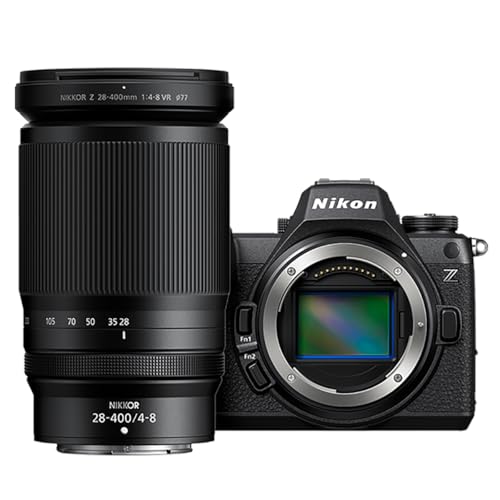
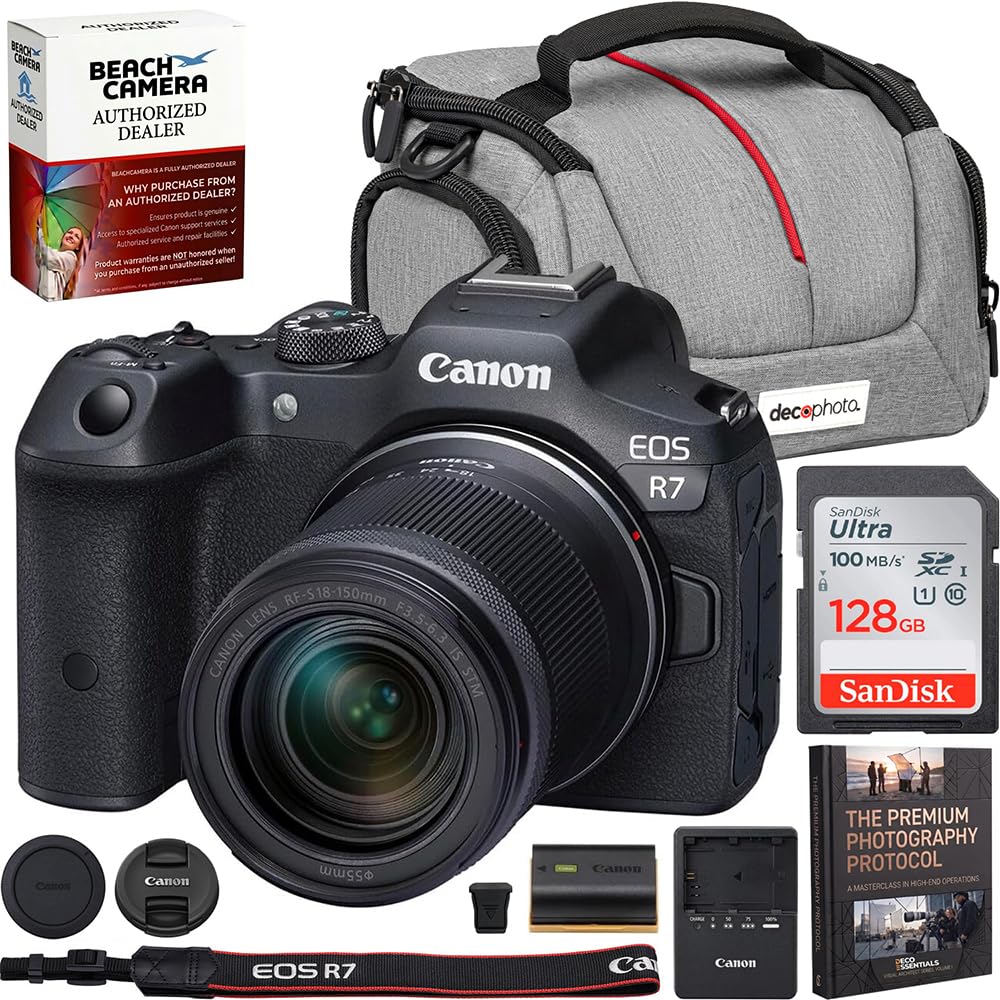
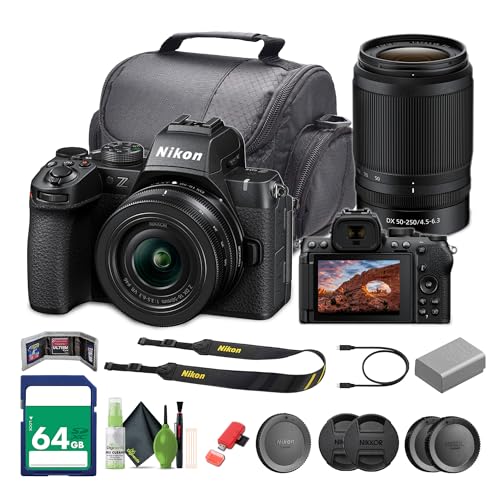

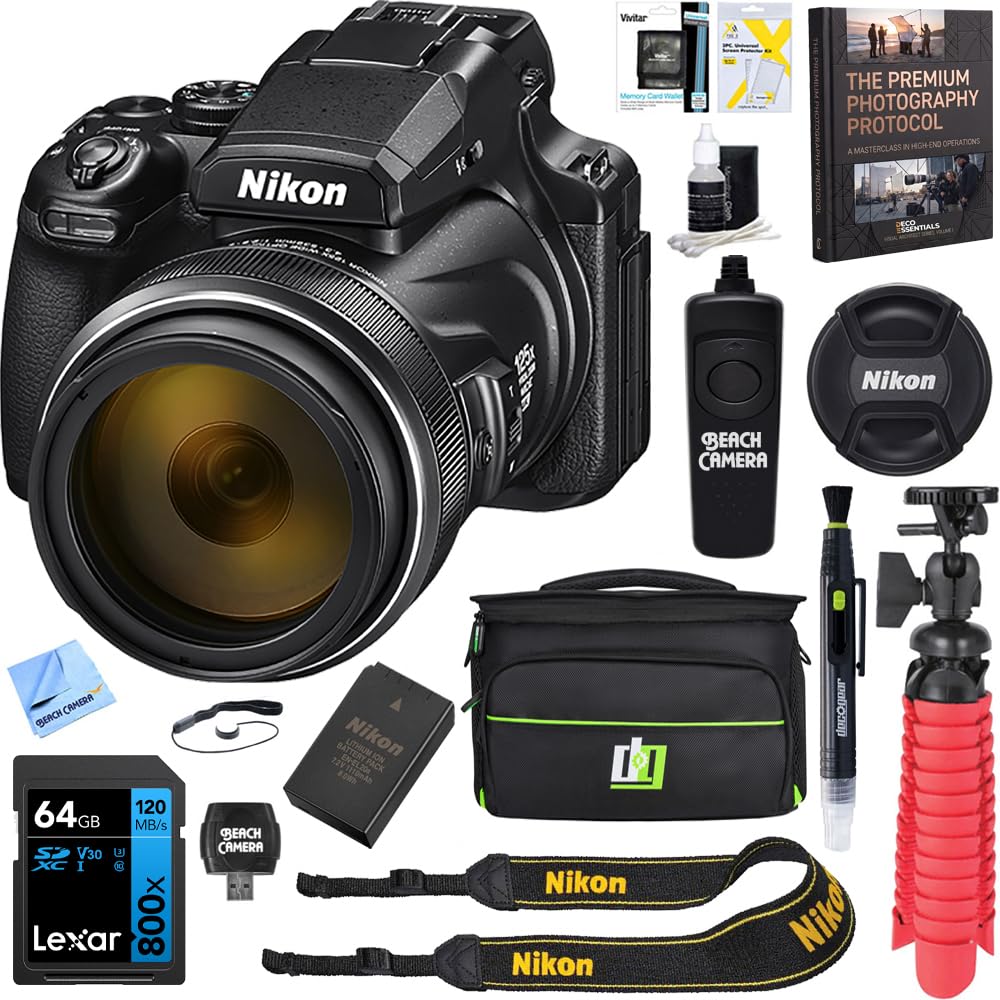

Top 3 Picks at a Glance
These three cameras from the product table above cover the best all rounder, the easiest beginner option and a full frame upgrade.


Cameras 101: The Basics
A camera captures light through a lens onto a sensor, which converts it into a digital image. For sports, most people use mirrorless cameras, which have replaced DSLRs for most new buyers. Mirrorless cameras use an electronic viewfinder that shows exactly how the image will look, and their autofocus systems can recognize and follow people, balls, cars and animals.
A few basic terms help. Shutter speed is how long the sensor is exposed; fast speeds like 1/1000 second freeze motion. Aperture, written as f numbers like f/2.8 or f/5.6, controls how much light the lens lets in; lower numbers mean more light. ISO is the sensor's sensitivity; higher ISO helps in low light but adds noise. Burst rate, measured in frames per second, is how many photos the camera takes per second while you hold the shutter button.
Interchangeable lens cameras let you swap lenses, which matters for sports since you need a telephoto zoom to reach the action. Superzoom point and shoot cameras have one built in lens with huge zoom range, a simpler and more affordable option for casual sports.
Key Specs Explained in Plain English
Here is what each major spec means and what to choose for sports.
Features That Matter for Sports Photography
Sports photography demands speed above all. Look for subject tracking autofocus that recognizes people and follows them across the frame, a burst rate of at least 10 frames per second and a large buffer so the camera keeps shooting without pausing. A fast memory card, ideally UHS II SD or CFexpress, helps the camera clear images quickly.
A minimal viewfinder blackout between shots lets you follow the action continuously. Weather sealing protects the camera during rain at outdoor games, and long battery life ensures you last through tournaments.
Sensor Size and Image Quality
Sensor size affects image quality, low light performance and reach. APS C sensors, used in cameras like the Sony a6700 and Canon EOS R10, apply a crop factor of about 1.5 to 1.6x, making telephoto lenses act longer, which is great for distant action. Full frame sensors, like in the Nikon Z6III, capture more light for cleaner images in gyms and night games.
Micro Four Thirds sensors, such as in the OM System OM 1 Mark II, offer a 2x crop for even more reach in compact bodies. Megapixels matter less than autofocus and speed; 20 to 33 megapixels is plenty for sports.
Lens and Zoom Range
The lens determines how close you can get to the action. Focal length measured in millimeters indicates zoom: 70 to 200 mm suits courtside basketball and volleyball, while 100 to 400 mm or longer suits soccer, football and baseball from the sidelines. Kit lenses around 18 to 150 mm work for close action but fall short for large fields.
Aperture matters for indoor sports; lenses with f/2.8 apertures let in more light for faster shutter speeds, while budget telephotos at f/5.6 to f/6.3 work best outdoors in daylight.
Autofocus and Stabilization
Modern autofocus systems recognize faces, eyes, bodies and even vehicles, tracking subjects as they move. Continuous autofocus mode, often called AF C or Servo, adjusts focus constantly as players move. Wide coverage autofocus points across the frame help with off center subjects.
Image stabilization, either in the body (IBIS) or in the lens, reduces blur from shaky hands, especially with long lenses. However, stabilization does not freeze subject motion; you still need fast shutter speeds for sports.
Low Light Performance
Many games happen in dim gyms or under stadium lights at night. Larger sensors and fast lenses produce cleaner images at high ISO settings. Full frame cameras typically handle ISO 6400 to 12800 with acceptable noise, while APS C cameras look best below ISO 6400. Modern noise reduction software can clean up high ISO images significantly.
Size, Weight, and Ergonomics
Sports shooting often means holding a camera and long lens for hours. A deep grip, intuitive buttons and a comfortable viewfinder make a big difference. APS C bodies and lenses are lighter and easier to carry, while full frame setups with long lenses can weigh several pounds. Consider a monopod for long games to reduce fatigue.
Choosing Cameras for Your Situation
Best Lens and Cameras for Sports Photography: Tips for First Time Buyers
Choosing the best lens and cameras for sports photography means pairing a fast focusing body with a telephoto zoom that matches your sport. For youth soccer or football, start with a 100 to 400 mm lens on an APS C body; for indoor basketball, choose a faster 70 to 200 mm f/2.8 lens. A two lens kit like the Nikon Z50II bundle covers both close and distant action.
Best Point and Shoot Cameras for Sports Photography: Tips for First Time Buyers
The best point and shoot cameras for sports photography offer long optical zoom, fast autofocus and simple operation. Superzooms like the Nikon COOLPIX P1100 with 125x zoom or the Canon PowerShot SX70 with 65x zoom reach distant players without changing lenses. They suit parents and casual fans shooting outdoor games in good light.
Best for Indoor Sports
Indoor gyms require a camera with good high ISO performance and a lens with a wide aperture. Full frame bodies or APS C bodies paired with f/2.8 lenses give the best results.
Rookie Mistakes to Avoid
- Using too slow a shutter speed. Sports need 1/500 second or faster to freeze action; 1/1000 or faster for fast sports.
- Relying on the kit lens. Short kit lenses cannot reach far side action; budget for a telephoto zoom.
- Using single shot autofocus. Switch to continuous autofocus so the camera tracks moving players.
- Buying a slow memory card. Slow cards cause the camera to stop shooting mid burst.
- Ignoring the background. Choose positions with clean backgrounds and good light, not just closeness to the action.
Getting Started: Setup and First Use
Charge the battery fully and carry a spare battery, since burst shooting and electronic viewfinders drain power quickly. Insert a fast memory card and format it in the camera. Set the camera to shutter priority mode, called S or Tv, and choose a shutter speed of 1/1000 second. Use auto ISO so the camera adjusts brightness automatically.
Switch autofocus to continuous mode with subject tracking, and set the drive mode to high speed burst. Practice following players in the viewfinder before the game starts. Use a lens cloth, not your shirt, to clean the lens, and keep a rain cover handy for outdoor events. After the game, back up your images promptly and cull the best shots from each burst.
Camera Settings Cheat Sheet for Common Sports
Different sports call for slightly different settings. For soccer, football and lacrosse outdoors in daylight, use 1/1000 to 1/2000 second, auto ISO and a 100 to 400 mm lens, shooting from the sidelines near the goal or end zone. For baseball and softball, use 1/1000 second or faster and position yourself along the first or third base line for clear views of batters and fielders.
Indoor basketball and volleyball require 1/640 to 1/1000 second, wide apertures of f/2.8 if possible and ISO between 3200 and 12800. Shoot from the baseline or corners for faces and action. For swimming and track, use fast shutter speeds and pre focus on a lane or finish line. Motorsports allow slower panning shots around 1/125 to 1/250 second to show speed with blurred backgrounds.
How Much to Spend on Cameras for Sports Photography
Setting a budget helps narrow the choices. Around $500 to $1,200 buys superzoom point and shoot cameras, which offer enormous zoom ranges in one body and suit parents photographing outdoor games in daylight. They are simple to use but struggle indoors and with very fast action.
Around $1,000 to $2,000 is where most of the best cameras for sports photography sit for first time buyers. This range includes APS C mirrorless cameras with subject tracking autofocus, fast burst rates and kit lenses, plus telephoto bundles. These setups handle youth sports, high school games and amateur leagues well, especially outdoors.
Above about $2,500, full frame bodies and professional telephoto lenses deliver better low light performance, faster autofocus and more durable construction. Lenses often cost as much as the camera, so set aside budget for glass. A used or previous generation telephoto lens can be a smart way to stretch your money.
Essential Accessories for Sports Shooters
A few accessories make sports photography easier. Fast memory cards keep up with burst shooting, and carrying two cards prevents running out of space. Spare batteries are essential for long tournaments. A monopod supports heavy lenses and steadies your shots without the bulk of a tripod.
A comfortable camera strap or harness distributes weight during long days, and a rain cover protects your gear during outdoor games. A padded backpack keeps lenses organized and safe. Finally, editing software with good noise reduction helps rescue indoor and night shots.
Frequently Asked Questions
What features matter most in cameras for sports photography?
Fast tracking autofocus, high burst rates and a capable telephoto lens matter most. Subject tracking keeps players sharp, burst rates of 10 frames per second or more capture peak moments and a telephoto lens brings distant action close. Good high ISO performance, weather sealing and long battery life are valuable extras.
How much zoom do I need for sports?
Most sports need a lens reaching at least 200 to 400 mm on an APS C camera. Courtside sports like basketball work with 70 to 200 mm, while field sports from the sidelines benefit from 300 to 400 mm or more. Superzoom point and shoot cameras offer equivalent ranges far beyond that in one lens.
Which is better for low light sports?
Full frame cameras with fast f/2.8 lenses are best for low light sports. Larger sensors produce cleaner images at high ISO, and wide aperture lenses let in more light. APS C cameras can still work indoors with fast lenses and noise reduction software.
Is a smartphone enough instead?
A smartphone is enough for close casual shots but not for most sports photography. Phones struggle with distant players, fast motion and dim gyms, producing blurry or noisy images when zoomed. A dedicated camera with a telephoto lens and tracking autofocus captures far sharper action shots.
How much should I spend on my first sports camera?
Plan to spend around $1,000 to $2,000 for a first sports camera with a suitable lens. Entry level APS C bodies with telephoto kits start near $1,000, while advanced APS C and full frame setups cost more. Superzoom point and shoot cameras around $500 to $1,200 are a simpler, cheaper alternative for casual use.
Should I buy a DSLR or mirrorless camera for sports?
Mirrorless cameras are the better choice for most new sports shooters. They offer advanced subject tracking autofocus, silent electronic shutters and accurate electronic viewfinders. Manufacturers now focus new lenses and bodies on mirrorless systems. Used DSLRs can still be good values, but they lack the latest tracking features.
Do I need weather sealing?
Weather sealing is very helpful if you shoot outdoor sports in rain, snow or dust. Sealed bodies and lenses resist moisture and grit, reducing the risk of damage. If your camera is not sealed, use a rain cover and keep a towel handy for wet games.
Wrapping Up
Sports photography rewards speed, reach and reliable autofocus. Choose a camera with subject tracking and fast bursts, pair it with a telephoto lens suited to your sport and learn the basic settings for freezing motion. Beginners will do well with an APS C mirrorless kit, low light shooters should consider full frame and casual fans can enjoy a superzoom point and shoot.
Compare the best cameras for sports photography in the product table above to find the right camera for your sport and budget.


