
The Best Cameras for Travel: Buying Guide and Top Picks
Disclosure: We may earn a commission when you buy through links on this page, at no extra cost to you. As an Amazon Associate I earn from qualifying purchases. Learn more

Three travel camera picks plus a guide to size, zoom, sensors and battery life.
Smartphones take great snapshots, but on a big trip they fall short in a few predictable places: distant wildlife, dim cathedrals, fast moving street scenes and long days that drain the phone you also need for maps and tickets. A dedicated travel camera fixes those gaps while staying light enough to carry all day. The best cameras for travel balance image quality, zoom range, size and battery life for the kind of trips you take.
This guide covers three top picks, then explains the features that matter on the road, the main camera types, care tips and answers to common questions from first time camera buyers.

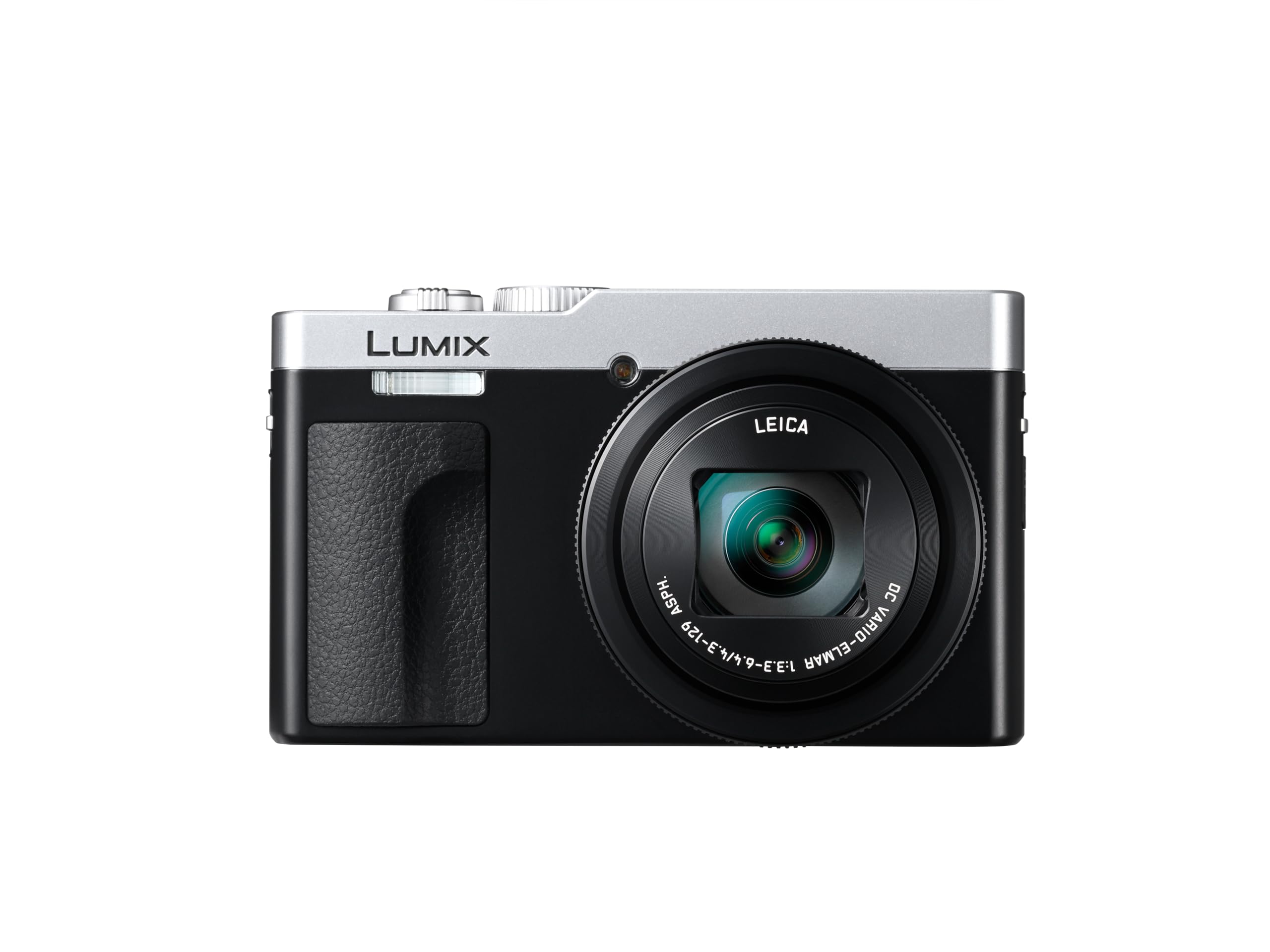

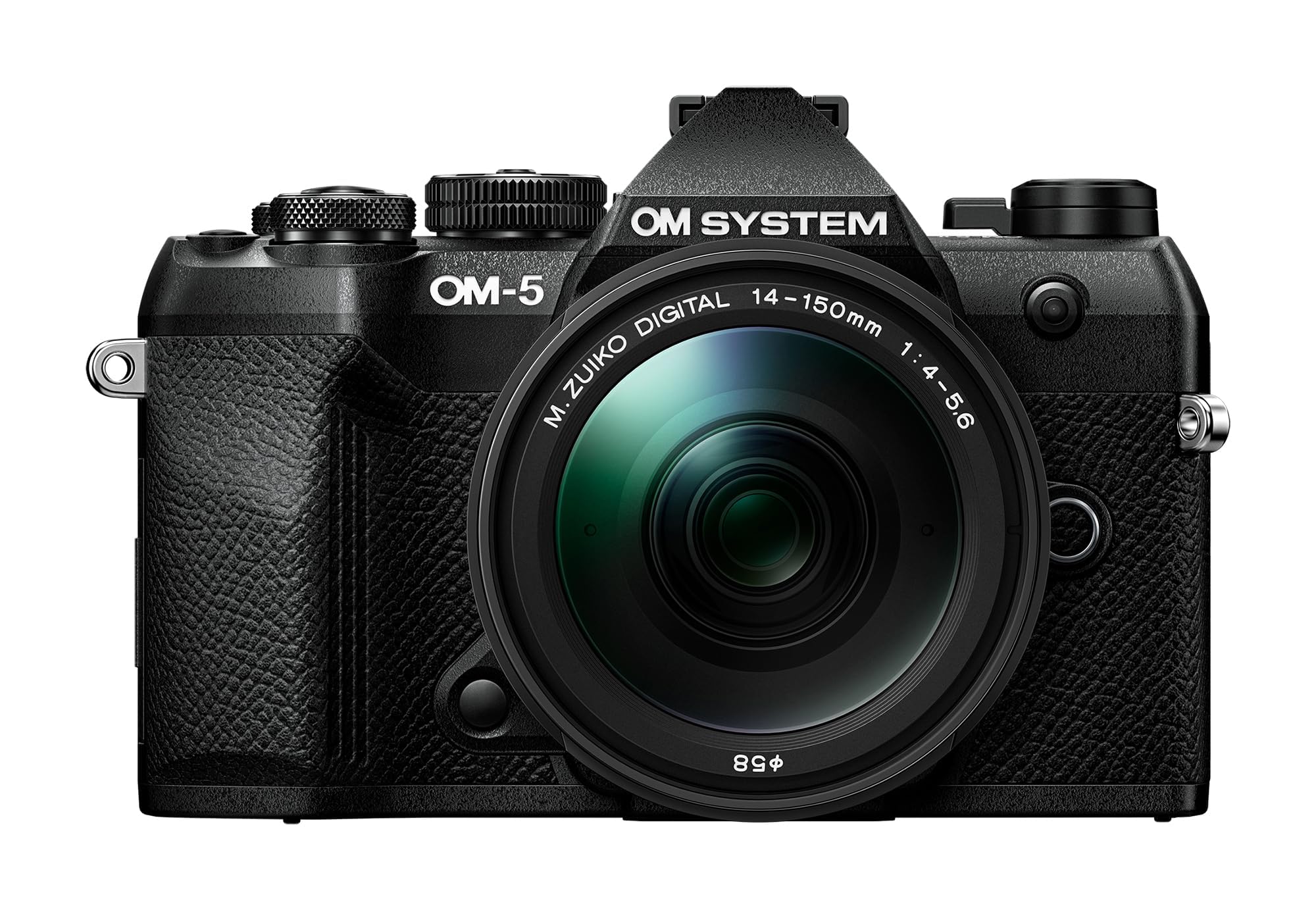
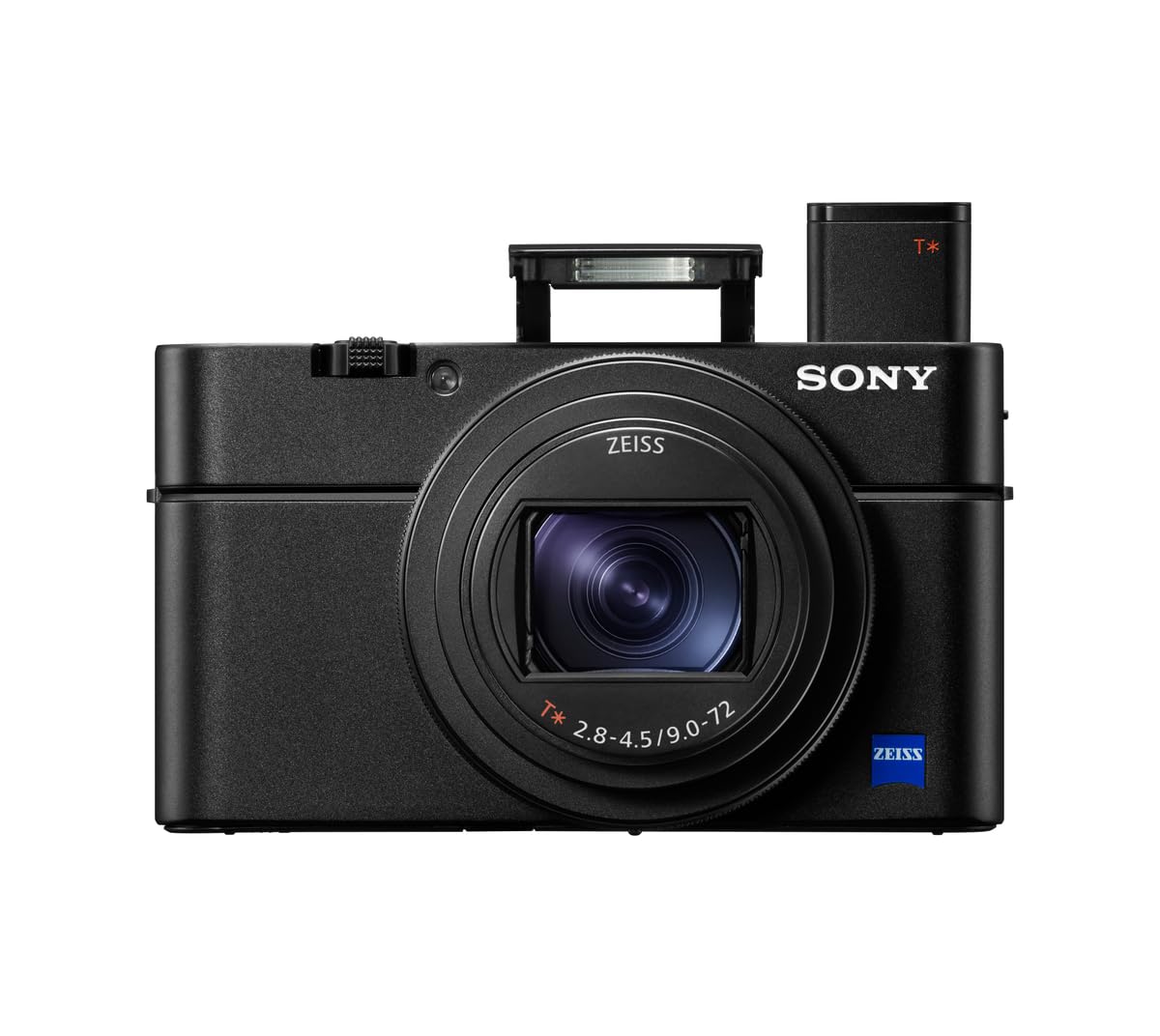


Our Top 3 Picks at a Glance
The Sony Alpha a6400 with 16-50mm lens is our best overall travel camera, the Panasonic LUMIX ZS99 is the best value for zoom and the Sony ZV-1 II is the best for beginners.
Best Overall: Sony Alpha a6400 Mirrorless Camera with 16-50mm Lens
The Sony a6400 suits travelers who want interchangeable lens image quality in a compact body. At around $1,198 with the 16-50mm kit lens, it pairs an APS-C sensor, far larger than a phone sensor, with Sony's fast autofocus and a flip up screen for selfies and vlogging.
Its two standout strengths are image quality in low light compared with compacts and access to Sony's large E-mount lens lineup, from light primes to long travel zooms. The kit lens retracts for a small package. The limitation is that the body lacks in body stabilization, so pair it with stabilized lenses for low light and video, and expect to carry extra lenses for wide zoom range.

Best Value: Panasonic LUMIX ZS99
The LUMIX ZS99 suits travelers who want maximum zoom in a pocketable camera. At around $698, its listing highlights a 30x zoom lens covering 24 to 720mm equivalent and 4K video and photo modes, and Panasonic markets it specifically for travel and concerts.
Its strengths are reach that no phone can match, from wide landscapes to distant wildlife and architecture details, and a compact body that slips into a jacket pocket. The limitation is a smaller sensor than mirrorless cameras, so image quality falls behind in dim light; it shines in daylight.

Best for Beginners: Sony ZV-1 II
The Sony ZV-1 II suits beginners and travel vloggers who want better photos and video than a phone without learning a complex camera. At around $898, it is a premium compact with a 1-inch type sensor, a wide 18 to 50mm equivalent zoom and 4K video, per Sony.
Its strengths are simple, smartphone like controls with good automatic modes and a wide lens that fits group shots and selfies at arm's length. A flip out screen helps for vlogging. The limitation is the short zoom range, so it suits city trips and people rather than wildlife.

How to Choose the Best Cameras for Travel: Buying Guide
Choose by size you will actually carry, then zoom range, sensor size, stabilization and battery life. These factors decide which of the best cameras for travel fits your trips.
Features That Matter for Travel
Travel cameras need to be light (ideally under about 1.5 lb with lens), quick to start and simple to use on the move. Wi-Fi or Bluetooth transfer to your phone lets you share and back up photos daily. USB-C charging lets you top up from the same power bank as your phone, and a flip screen helps with selfies and tricky angles.
Measuring for Size and Portability
Think about where the camera will ride: a jacket pocket fits premium compacts and travel zooms; a small sling bag fits a mirrorless body with a kit lens. If a camera is too big to carry every day, you will leave it in the hotel. Check weight with lens and battery, not body only.
Sensor Size and Image Quality
Larger sensors gather more light, giving cleaner images in dim interiors and at night. Phones and travel zooms use small sensors; premium compacts like the ZV-1 II use 1-inch sensors; mirrorless cameras like the a6400 use larger APS-C sensors, and full frame cameras are larger still. For mixed travel, 1-inch or APS-C is a strong balance.
Durability and Weather Sealing
Weather sealing protects against rain, dust and sand. Rugged models like the OM SYSTEM OM-5 Mark II advertise weather sealing for outdoor travel. Action cameras such as the GoPro HERO13 are waterproof without a housing. Non sealed cameras need a rain cover or dry bag in wet weather.
Autofocus and Stabilization
Fast, reliable autofocus with eye and subject tracking helps catch candid moments and moving subjects. Image stabilization, in the lens or body, reduces blur in low light and smooths handheld video. If a body lacks stabilization, choose stabilized lenses.
Lens and Zoom Range
A 24 to 70mm equivalent range covers landscapes, streets and portraits. Wildlife and safari trips need 200mm or more; travel zooms like the ZS99 reach 720mm. Mirrorless cameras let you change lenses, but carrying several adds weight. A single all in one zoom is the most practical travel lens.
Battery Life and Charging
Mirrorless cameras often get a few hundred shots per charge, fewer with heavy video. Carry a spare battery, and prefer cameras that charge over USB-C so you can use a power bank on trains and flights. Check airline rules for carrying spare lithium batteries in your carry on.
Types of Cameras for Travel
Four camera types cover most travel needs.
Mirrorless Cameras
Mirrorless cameras offer large sensors, interchangeable lenses and excellent image quality in compact bodies. They suit travelers who prioritize photo quality and creative control, but cost more and add weight with extra lenses.
Premium Compact Cameras
Premium compacts like the Sony ZV-1 II, Canon PowerShot G7 X Mark III and Sony RX100 VII use 1-inch sensors in pocketable bodies. They suit city trips, vloggers and travelers who want a big step up from a phone without changing lenses.
Travel Zoom Cameras
Travel zooms like the Panasonic LUMIX ZS99 offer long zoom ranges in small bodies. They suit sightseeing, wildlife and concerts in good light, though small sensors limit low light quality.
Action Cameras
Action cameras like the GoPro HERO13 are tiny, waterproof and built for adventure, with wide angle lenses and strong video stabilization. They suit snorkeling, hiking, cycling and skiing but are not ideal for zoom or portraits.
Best Cameras for Specific Needs
Match the camera to your trip style: mirrorless for photography focused trips, compacts for city breaks, travel zooms for sightseeing and action cameras for adventure.
Best Cameras for Adventure Travel
For hiking, snorkeling and cycling trips, choose a waterproof action camera like the GoPro HERO13 or a weather sealed mirrorless body like the OM SYSTEM OM-5 Mark II. Rugged builds, strong stabilization and light weight matter more than maximum resolution.
Best Cameras for City Trips
For museums, food and street photography, a pocketable 1-inch compact such as the Sony ZV-1 II or Canon PowerShot G7 X Mark III is discreet and quick to use. A bright lens helps in dim interiors where flash is often banned.
Best Security Cameras for Travel
The best security cameras for travel are compact, battery powered models that RVers and vacation homeowners use to monitor their own property, with local storage and phone alerts. Always follow local laws and rental rules, and never record spaces where others expect privacy.
What Travel Cameras Cost at Each Price Tier
Each budget buys a different balance of size, zoom and image quality.
| Tier | Typical Price | What You Get | Best For |
|---|---|---|---|
| Entry | Around $500 to $750 | Travel zooms with long lenses, action cameras | Sightseeing, adventure, budget trips |
| Mid | Around $800 to $1,250 | 1-inch premium compacts, entry mirrorless kits | Most travelers and vloggers |
| Premium | Around $1,300 to $2,500 | Weather sealed mirrorless kits, top compacts, fixed lens premium cameras | Photography focused trips |
Travel Camera Accessories Worth Packing
A few small accessories make a travel camera far more useful.
- Spare battery and USB-C cable: long sightseeing days drain batteries faster than you expect.
- Extra memory card: a second card protects against failure and lets you separate trips.
- Wrist or sling strap: keeps the camera secure in crowds and on boats.
- Compact travel tripod or clamp: enables night shots, group photos and time lapses.
- Rain cover or dry bag: essential for non sealed cameras in wet climates.
- Lens cloth and blower: keep dust, sand and fingerprints off the lens.
Travel Photography Tips for Better Photos
- Shoot early and late: golden hour light near sunrise and sunset flatters landscapes and buildings, and crowds are thinner.
- Include people for scale: a person in front of a monument shows its size and adds a story.
- Use zoom to isolate details: carvings, food and market stalls often make stronger photos than wide views.
- Raise ISO rather than miss the shot: modern sensors handle higher ISO well, and a sharp noisy photo beats a blurry one.
- Respect local rules: ask before photographing people and check rules at museums and religious sites.
Setup and Care Tips
- Update firmware and set the date, time and time zone before you leave, so photos sort correctly by day.
- Format a fresh memory card in camera and carry a spare card.
- Back up photos nightly to your phone, laptop or cloud storage.
- Use a lens cloth and blower to clean dust, never your shirt.
- Pack the camera in a padded bag and keep it in your carry on when flying.
- Let cameras warm up in a sealed bag when moving from cold to warm rooms to avoid condensation.
Cameras: Your Questions Answered
What features matter most in cameras for travel?
Size, zoom range, sensor size and battery life matter most. Choose a camera light enough to carry every day, with zoom suited to your subjects, a sensor large enough for dim interiors and USB-C charging for long days on the road.
What specs matter most for beginners?
Good automatic modes, a flip screen and simple controls matter most for beginners. A 1-inch sensor compact like the Sony ZV-1 II offers a clear upgrade from a phone without manual settings, while a mirrorless camera rewards learning over time.
Is a smartphone enough instead?
A smartphone is enough for many travelers, especially for snapshots and social media. A dedicated camera adds optical zoom, better low light quality from larger sensors and saves your phone's battery for navigation and tickets.
Which is better for low light?
A camera with a larger sensor is better for low light. APS-C mirrorless cameras outperform 1-inch compacts, which outperform small sensor travel zooms and phones in dim interiors and at night. Stabilization and bright lenses also help.
How much should I spend on my first one?
Around $700 to $1,200 buys an excellent first travel camera. That range covers travel zooms, premium compacts and entry mirrorless kits. Spend more only if you want specialized lenses or professional features.
Mirrorless or compact: which is better for travel?
Mirrorless is better for image quality and flexibility; compact is better for portability. Choose mirrorless if photography is a trip priority, and a compact if you want a camera that disappears into a pocket.
Can I bring camera batteries on a plane?
Yes, but spare lithium camera batteries must go in your carry on, not checked bags. Batteries installed in the camera can travel either way under most airline rules. Keep spares in their cases or tape the terminals, and check your airline's watt hour limits for larger batteries.
Do I need a camera with interchangeable lenses for travel?
Not necessarily. Many travelers are happier with a fixed lens compact or travel zoom that needs no lens changes. Interchangeable lenses make sense if you want ultra wide landscapes, long wildlife zooms or bright lenses for night photography.
Final Thoughts
Pick the camera you will carry every day, then match zoom and sensor size to your trips. The Sony a6400 suits photography focused travelers, the LUMIX ZS99 suits zoom lovers on a budget and the Sony ZV-1 II suits beginners and vloggers. Keep those points in mind and the best cameras for travel will bring home photos your phone cannot. Compare current models in the product table above, and see our guide to the best cameras for bloggers and vloggers if video is your focus.


