
Best Instant Cameras of 2026: Complete Buying Guide
Disclosure: We may earn a commission when you buy through links on this page, at no extra cost to you. As an Amazon Associate I earn from qualifying purchases. Learn more

Instant cameras compared by film format, ease of use and running cost, with three picks for every budget.
There is something special about pressing a shutter and holding a real photo in your hand a minute later. Instant cameras have made a huge comeback for parties, weddings, travel and scrapbooking, and the choice now ranges from simple point and shoot models to hybrid cameras that save digital copies and print from your phone. This guide to the best instant cameras explains which features matter, which film formats make sense and which models suit kids, casual shooters and photographers.
The short answer: most people will be happiest with an easy, automatic Instax Mini camera, families with young children can save money with a kids' instant print camera, and anyone who wants control over every shot should choose a hybrid camera that lets you pick the best photos before printing.

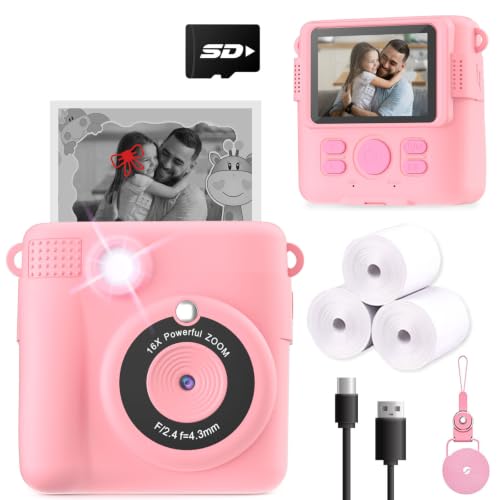

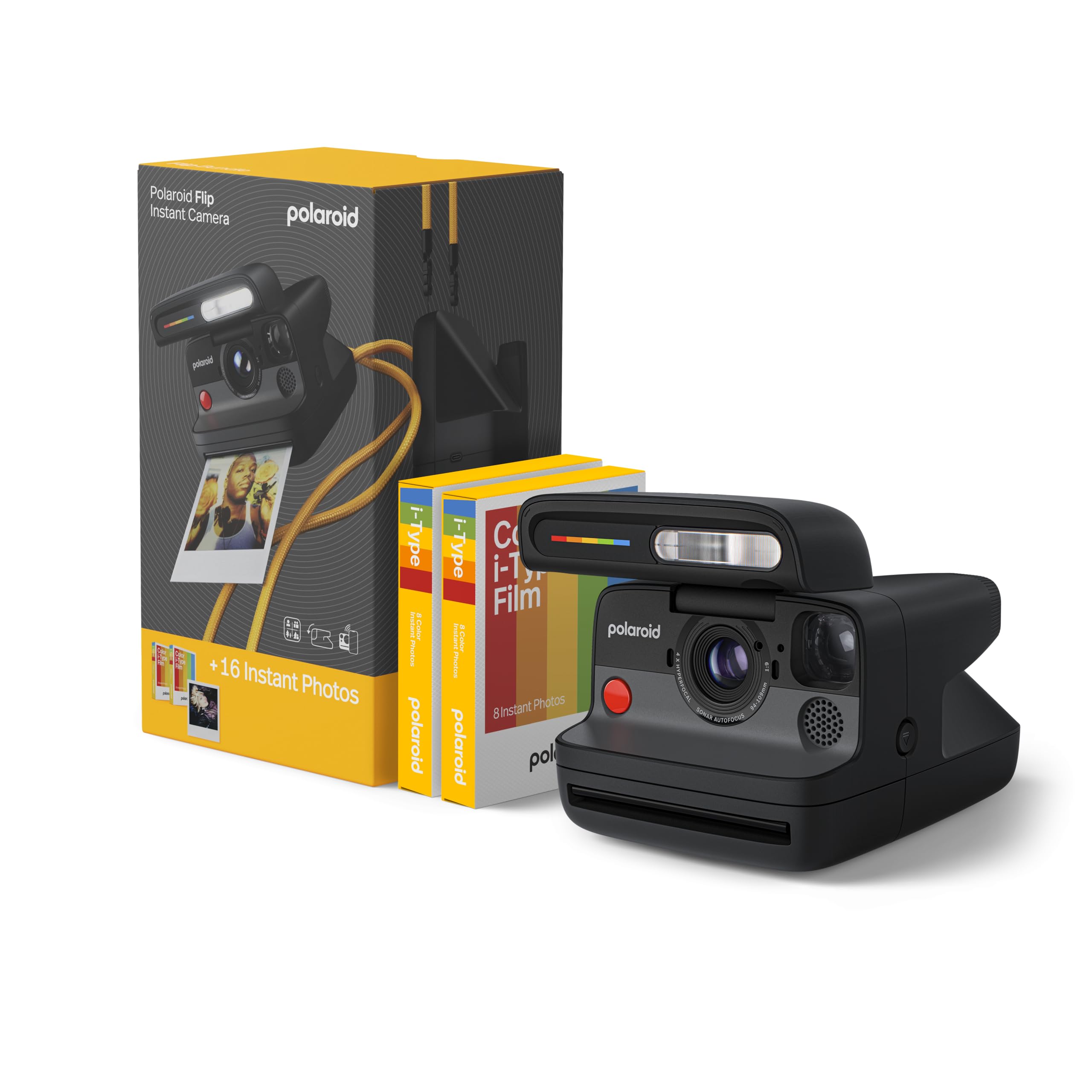

Our Top 3 Picks at a Glance
The Fujifilm Instax Mini 12 is the best overall instant camera for most people, the ESOXOFFORE Instant Print Camera is the best value for kids and the Fujifilm Instax Mini EVO is the best premium pick for creative control.
Best Overall: Fujifilm Instax Mini 12
The Instax Mini 12 suits first time instant shooters, teens and anyone who wants fun photos without fiddling with settings. At around $83, it is the easiest way into instant photography.
Its two standout strengths are automatic exposure and flash control, which helps prevent washed out photos in bright or dim rooms, and a twist lens design with a built in selfie mirror and close up mode with parallax correction. It prints 2 by 3 inch Instax Mini photos in about five seconds, and the film is widely available and among the cheapest per shot. The limitation is that it offers little manual control and no way to preview or reprint a shot, so every press of the shutter uses a sheet of film.

Best Value: ESOXOFFORE Instant Print Camera for Kids
The ESOXOFFORE Instant Print Camera suits children aged about 3 to 12 who want to take and print photos without parents worrying about the cost of film. At around $34, it is far cheaper to run than film cameras.
Its strengths are thermal paper printing, which produces black and white prints in about a second with no ink, and a full digital camera underneath with a 2.4 inch screen, 1080p video, filters and a 32GB card for saving color copies. It charges by USB C and has a shockproof shell. The limitation is that prints are black and white thermal paper rather than true color instant film, so it is a fun toy camera rather than a keepsake camera.

Best Premium Pick: Fujifilm Instax Mini EVO
The Instax Mini EVO suits creative shooters who want the charm of instant prints without wasting film on bad shots. At around $199, it is a hybrid camera that captures digitally first and prints only the photos you choose.
Its strengths are 10 lens effects combined with 10 film effects for 100 looks, plus the ability to save images to a microSD card and print photos from your phone over Bluetooth using the free app. Dual shutter buttons make portrait and landscape shots comfortable. The limitation is the higher price, and the microSD card is sold separately.

How to Choose the Best Instant Cameras: Buying Guide
Instant cameras look simple, but a few choices make a big difference to how much you enjoy them and how much you spend over time.
Film Format and Print Size
Film format is the most important decision because you will keep buying it. Instax Mini prints are credit card sized, about 2 by 3 inches, and are the most affordable and widely stocked. Instax Square prints are about 2.4 inches square and feel more like a classic snapshot. Instax Wide prints are roughly twice as wide as Mini, which suits group photos and landscapes. Polaroid i Type and 600 film produce larger, square prints with a classic look but cost more per shot and take longer to develop.
Image Quality and Exposure
Instant film has a soft, dreamy character, so do not expect smartphone sharpness. What matters most is exposure: cameras with automatic exposure and flash control produce far fewer dark or blown out prints. Hybrid cameras give the most consistent results because you can check the image before printing.
Hybrid vs Analog
Analog instant cameras expose film directly, which is part of the magic but means every mistake costs money. Hybrid cameras capture a digital image, let you apply effects and choose what to print, and often double as phone printers. Analog suits spontaneous fun; hybrid suits people who care about every print.
A practical way to choose is to think about how you will use the prints. If they go into wallets, journals or on the fridge, Mini is perfect. If you want photos to frame or hang on a wall, Square, Wide or Polaroid formats look better at a distance. Whatever you pick, make sure the film is easy to buy near you, since running out mid event is frustrating.
Size, Weight and Ergonomics
Mini cameras are light enough to carry all day at a festival or wedding. Wide and Polaroid cameras are bulkier and better suited to planned shooting. A wrist strap, a selfie mirror and a comfortable shutter position make a big difference for casual use.
Power and Battery Life
Many basic Instax cameras run on AA batteries, which are easy to replace while traveling. Hybrid and Polaroid models usually use rechargeable batteries charged by USB, so pack a cable or power bank for long events.
Lens, Focus and Close Up Modes
Most instant cameras have fixed focus lenses that work best a few feet from your subject. Close up or selfie modes help with tight shots, and some Polaroid models add autofocus systems. Check the minimum focus distance if you love close portraits.
Running Costs
Film is the ongoing cost. Instax Mini film is usually the cheapest per shot, Square and Wide cost a little more and Polaroid film costs the most. Kids' thermal print cameras use cheap paper rolls. Work out roughly how many photos you plan to take each month before choosing a format.
Types of Instant Cameras
Instant cameras fall into four main groups, each with a different balance of fun, control and cost.
Classic Analog Instant Cameras
Point and shoot film cameras like the Instax Mini and Polaroid Now are simple, fun and great for parties. You press the shutter and the print pops out, with no screen and no second chances.
Hybrid Instant Cameras
Hybrid models combine a digital sensor with a built in printer. You review shots on a screen or app, add effects and print only the keepers, saving film and frustration.
Kids' Instant Print Cameras
These digital cameras print on thermal paper without ink. They are inexpensive to run, durable and designed for small hands, though prints are usually black and white.
Wide and Large Format Instant Cameras
Wide and Polaroid format cameras produce bigger prints that suit group photos, landscapes and display. They are larger to carry and cost more per shot.
Best Instant Cameras for Specific Needs
Different buyers want different things from an instant camera, so here is how to narrow the choice.
Best Instant Cameras for Kids
For younger children, a thermal print camera is the most practical choice: prints cost almost nothing, there is no film to waste and the cameras are built to survive drops. Older kids and teens usually love a colorful Instax Mini, which is simple enough to use straight out of the box and produces real color prints for scrapbooks and bedroom walls.
Best Instant Cameras for Men
Many buyers shopping for a partner, dad or friend prefer a camera with a classic, understated design. A hybrid model in black or brown with retro styling, or a Polaroid camera with a bold, vintage look, makes a thoughtful gift that feels more grown up than a pastel point and shoot.
Best Instant Cameras for Photographers
Photographers usually want control over exposure, composition and which frames get printed. Hybrid cameras and instant cameras with manual modes give that control, and Wide or Polaroid formats offer more room for composition. Some photographers also pair a phone printer with their main camera to make instant prints from any shot.
Vintage and Retro Instant Cameras
Older Polaroid cameras can still be found secondhand, and many work with modern film from Polaroid. They have great character but can be unreliable, so buy from sellers who check that the rollers and shutter work, and expect higher film costs.
Analog Fun vs Hybrid Control: Which Should You Choose?
Choose an analog instant camera if you love surprise, want something simple enough for anyone to use and accept that some shots will miss. Choose a hybrid camera if film cost worries you, you want to apply effects or you like printing photos from your phone as well. Hybrids cost more upfront but can save money over time because you only print the photos you like.
Instant Film Formats Compared
| Format | Approx. Print Size | Best For | Relative Cost Per Shot |
|---|---|---|---|
| Instax Mini | 2.1 x 3.4 in | Parties, wallets, scrapbooks | Lowest |
| Instax Square | 2.8 x 3.4 in | Classic square snapshots | Medium |
| Instax Wide | 4.3 x 3.4 in | Groups and landscapes | Medium |
| Polaroid i Type / 600 | 3.5 x 4.2 in | Vintage look, display | Highest |
| Thermal paper | Varies | Kids' cameras | Very low |
Instant Cameras for Weddings, Parties and Events
Instant cameras are a hit at weddings, birthdays and baby showers because guests can take a photo, stick it in a guest book and write a message beside it. For events, choose a camera that uses inexpensive film, such as an Instax Mini, so you can buy several packs without breaking the budget. Wide format cameras work well for group shots at a reception, while a couple of simple Mini cameras on tables encourage guests to take candid photos.
Plan on roughly one pack of film for every few guests if you want the camera to be used freely, and keep spare batteries and film in a labeled box. Put a small card next to each camera explaining how to turn it on and where to stand, since many guests will never have used one. A hybrid camera is handy for the couple or host, because it saves a digital copy of every shot as well as printing favorites.
Accessories Worth Buying
A few inexpensive accessories make instant photography easier and more fun.
- A padded case protects the lens and keeps film out of the sun.
- Photo albums sized for your format keep prints flat and safe.
- Clip lights or string displays turn prints into wall decor.
- Close up or filter lenses add creative options on some models.
- A microSD card is essential for hybrid cameras that save digital copies.
- Rechargeable AA batteries save money on cameras that use them.
Tips for Better Instant Photos
- Keep the sun behind you and avoid shooting straight into bright light.
- Stay within the focus range, usually a few feet from your subject.
- Use the flash indoors even when the room looks bright to your eyes.
- Shield fresh prints from bright light while they develop, and do not shake them.
- Store film in a cool place and let it reach room temperature before shooting.
How to Display and Store Instant Photos
Instant prints last for many years when they are kept away from direct sunlight, heat and humidity, which can fade colors or warp the print. Store finished photos in acid free albums or boxes, and avoid cutting prints, since the chemical pod inside the border keeps the image stable. For display, use frames with UV protective glass or rotate prints on a string display so none sit in strong sunlight for months. If a print matters to you, scan it or keep the digital copy from a hybrid camera so you have a backup.
How to Make Your Instant Camera Last Longer
Keep the lens clean with a soft microfiber cloth, and store the camera in a padded case away from heat and humidity. Remove batteries if you will not use the camera for a few months to avoid corrosion. Never open the film door mid pack, which exposes the remaining sheets. Clean the rollers gently with a dry cloth if prints start showing streaks or spots, and keep film in its sealed foil pack until you need it.
Instant Cameras: Your Questions Answered
These are the questions buyers ask most often before choosing an instant camera.
Is a smartphone enough instead?
A smartphone takes sharper photos, but it cannot hand someone a physical print on the spot. If you love the idea of instant prints but want phone quality, a hybrid camera or a pocket phone printer gives you both. For parties, guest books and travel journals, a dedicated instant camera is more fun and more social.
Which instant film is cheapest?
Instax Mini film is usually the cheapest true color instant film per shot, especially in multipacks. Thermal paper used by kids' cameras is cheaper still, though prints are black and white.
Which is better for low light?
Instant film needs plenty of light, so use the flash indoors and at night. Hybrid cameras handle low light better because the digital sensor can be adjusted before printing.
How much should I spend on my first one?
Around $70 to $100 buys an excellent, easy Instax Mini camera. Budget around $150 to $250 for a hybrid or Polaroid model, and remember to add the cost of film.
What specs matter most for beginners?
Automatic exposure, a built in flash, a selfie mirror and an affordable film format matter most. Fancy effects are fun later, but reliable exposure is what makes beginners happy with their first prints.
Final Thoughts
The three things that matter most are the film format, reliable automatic exposure and whether you want analog fun or hybrid control. Most people will love a simple Instax Mini, families with young children can save with a kids' thermal print camera and creative shooters should step up to a hybrid model. Use this guide to choose the best instant cameras for the way you shoot, then check the product table above for current prices. For sharper everyday photos, see the best digital cameras.


