Best Office Desk Chairs: Which One Fits the Way You Use It?
Disclosure: We may earn a commission when you buy through links on this page, at no extra cost to you. As an Amazon Associate I earn from qualifying purchases. Learn more

How to choose among the best office desk chairs by situation, with the features that matter for comfort, support and durability.
You can spend $40 or $1,700 on a desk chair, and both will hold you up. The difference shows up after the third hour of a workday, when a poor chair leaves your lower back aching and your shoulders tense, while a good one keeps you supported without you noticing it at all. The best office desk chairs are the ones that match your body, your desk and the way you actually sit, and that is what this guide helps you find.
Instead of ranking chairs, this guide matches chair types to real people and situations: gift shoppers, value seekers, first time buyers and people who want the best performance money can buy. It then explains the features worth comparing, the mistakes buyers make and how to keep a chair comfortable for years. The product table above includes options from budget mesh chairs to premium ergonomic designs.


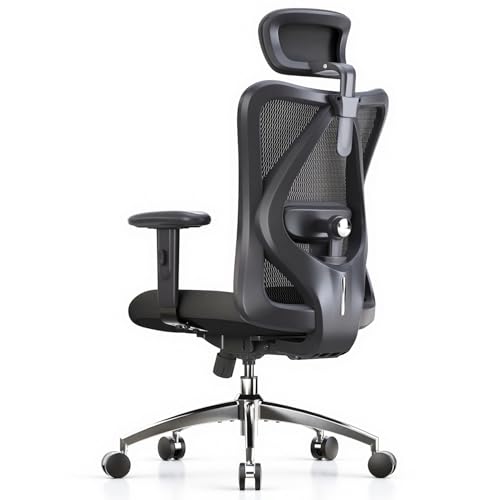
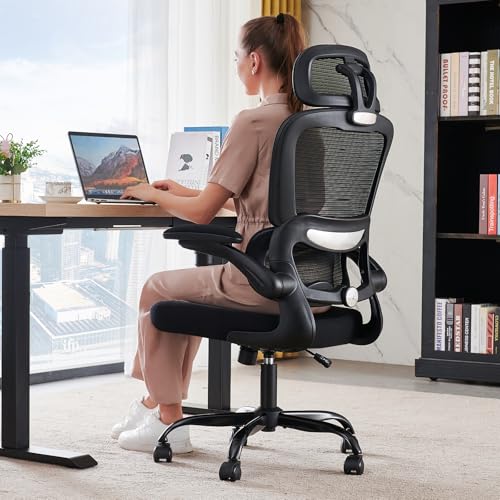
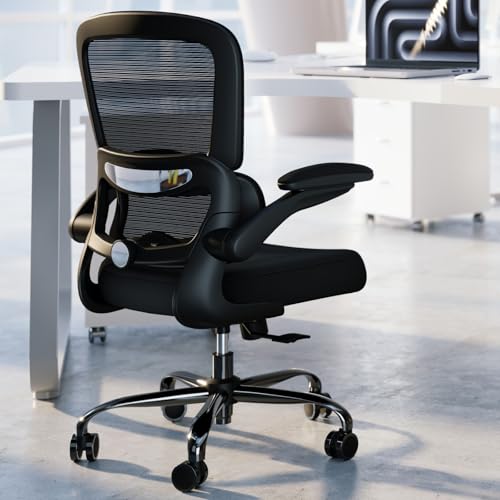
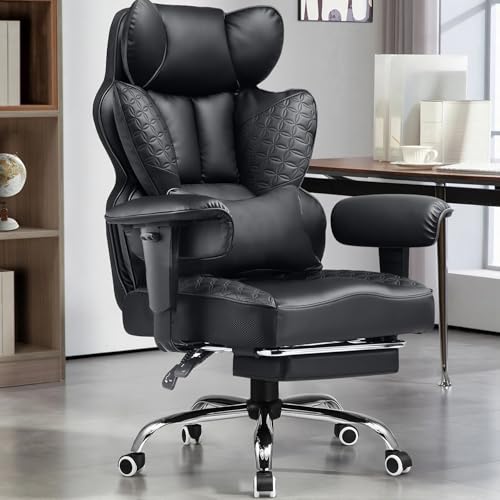
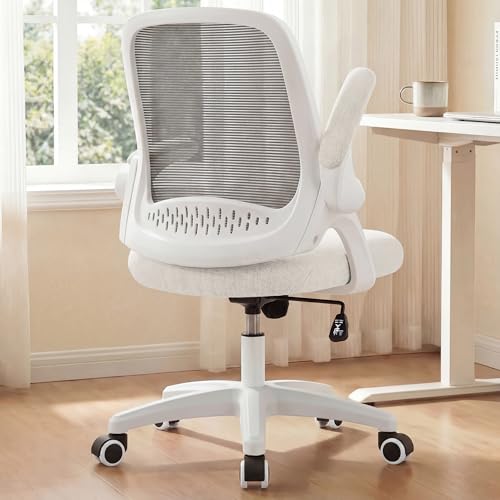
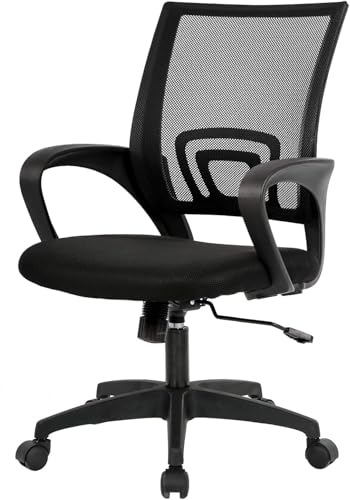
Who Should Buy Which Office Desk Chairs?
Start by deciding which of these groups you belong to. It narrows the field faster than any spec sheet.
For Gift Shoppers
Buying a chair for someone else is tricky because fit is personal. Choose a chair with wide adjustability: seat height, armrest height and a backrest that works for a range of body sizes. Mesh chairs with adjustable lumbar support are a safe bet, since they suit most people and stay cool. Neutral colors such as black or gray fit any decor.
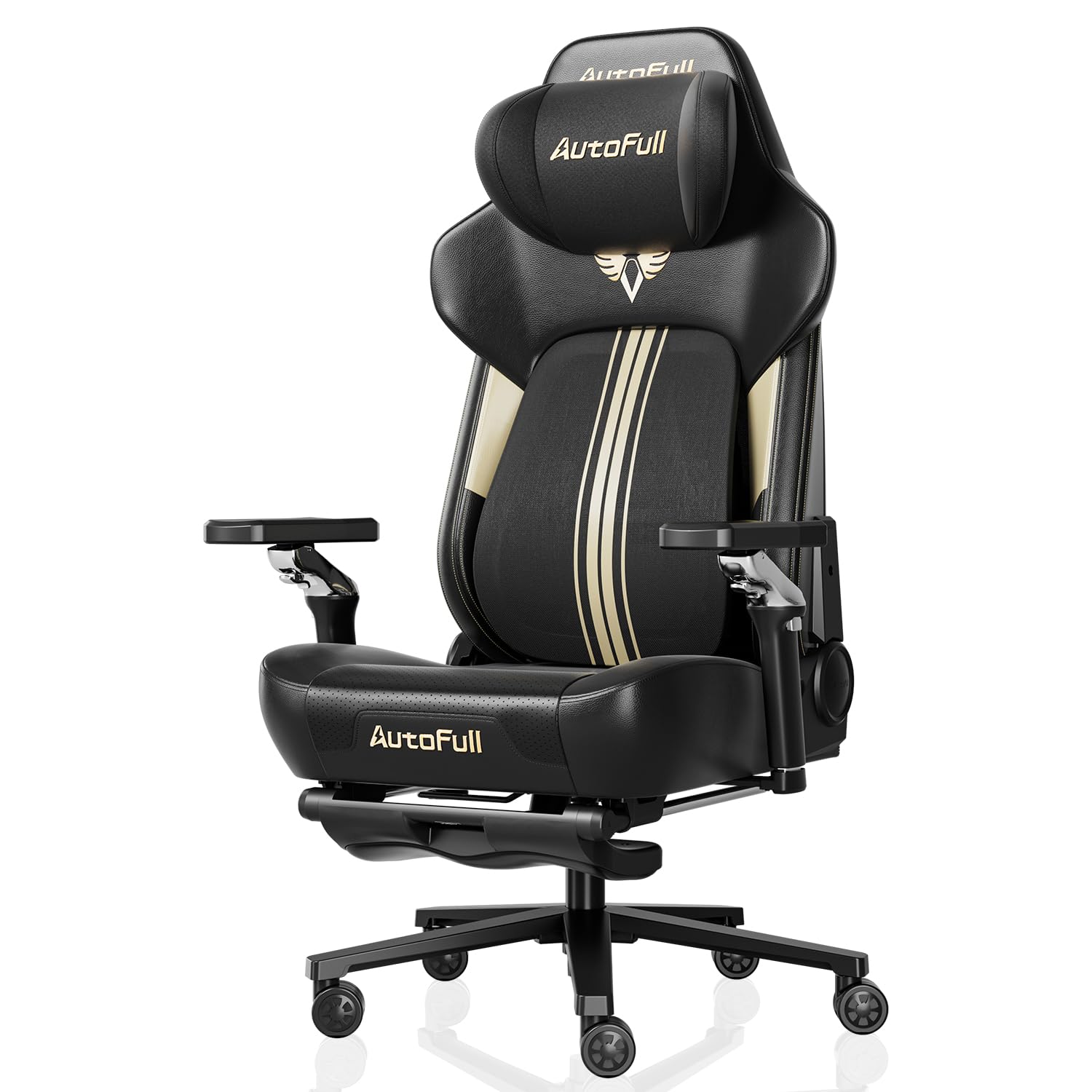
Check the return policy before buying, and include the receipt or gift receipt so the recipient can exchange it if it does not fit. Midrange chairs from well known brands offer a good balance of comfort and price for a gift. If you know the recipient games after work, a gaming style chair with a headrest and reclining backrest can double as a home office chair.
For Value Seekers
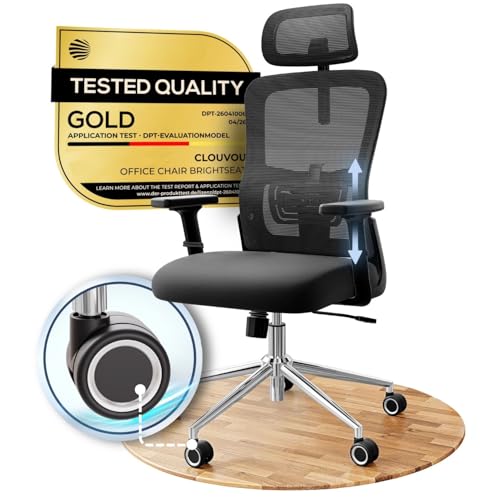
Value seekers want solid comfort without paying premium prices. Budget mesh chairs around $40 to $100 offer adjustable height, basic lumbar support and swivel bases that handle several hours of daily use. Many meet BIFMA durability standards, which indicates they have been evaluated for strength and stability by industry criteria.
The trade offs at this price are fewer adjustments, thinner seat cushions and shorter warranties. For a few hours a day, a well chosen budget chair can be perfectly comfortable. For full time work, spending a little more on adjustable lumbar support and armrests pays off quickly in comfort.
For First Time Buyers
First time buyers, such as students and people starting to work from home, should focus on three things: correct seat height for their desk, lumbar support and armrests that let shoulders relax. A midrange ergonomic mesh chair around $100 to $250 typically covers these well, with adjustable headrests and backrest tilt on many models.
Before buying, measure your desk height and consider your height and weight. Read the listed seat height range and weight capacity, and choose a chair that fits comfortably within both.
For People Who Want the Best Performance
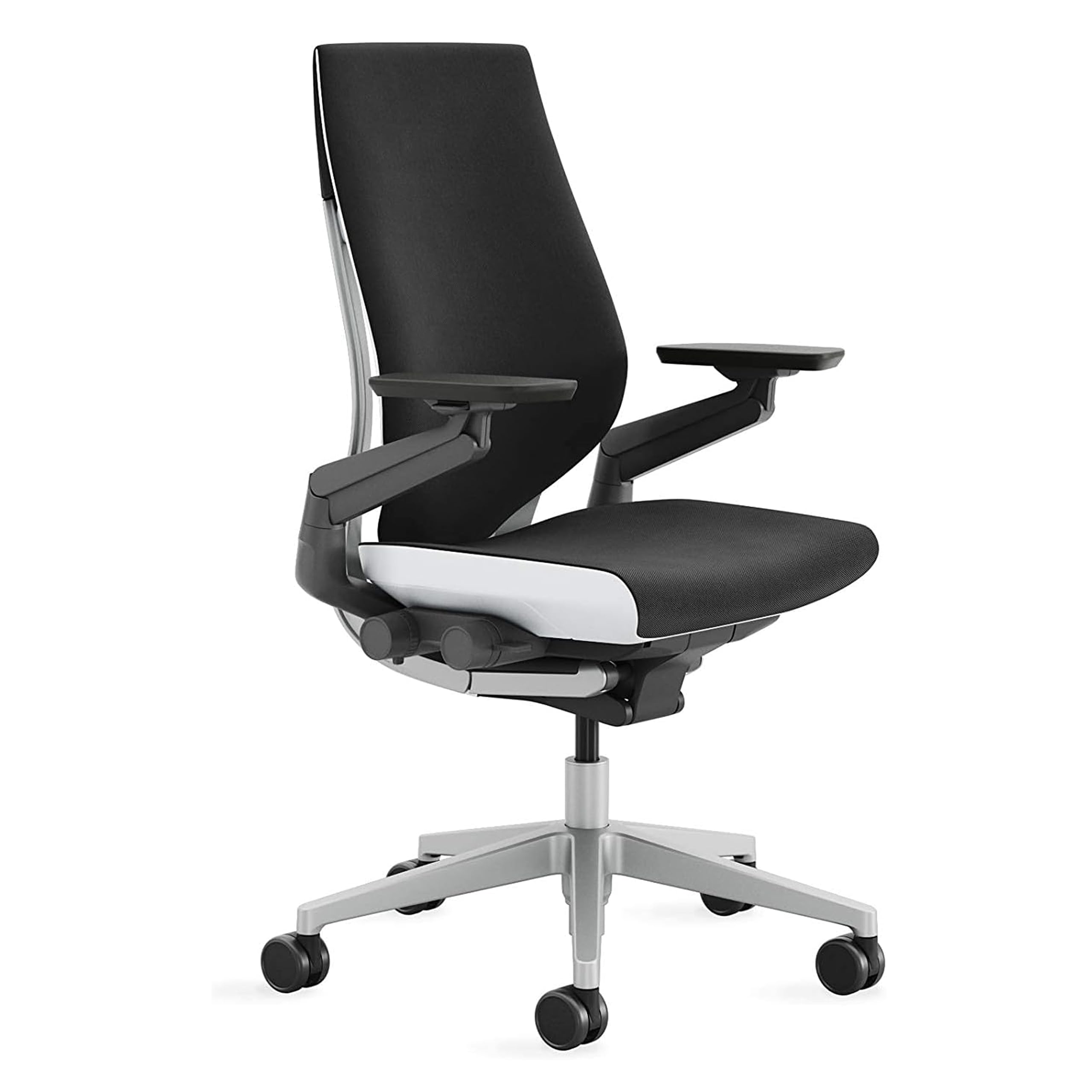
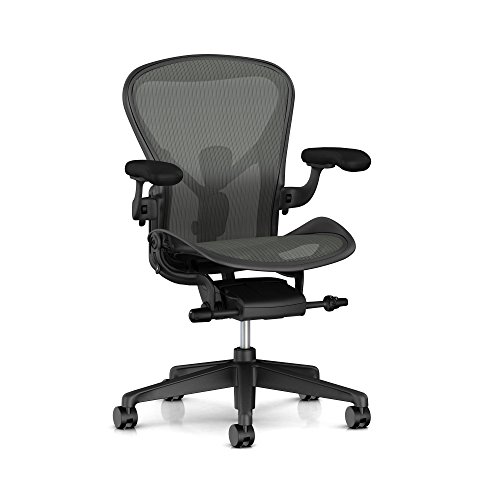
People who sit eight hours or more a day, or who have back or neck concerns, benefit most from premium ergonomic chairs such as the Herman Miller Aeron and Steelcase Gesture or Leap. These chairs offer advanced adjustability, sophisticated tilt mechanisms that move with your body, high quality materials and warranties that often last a decade or more.
They cost several times more than midrange chairs, but they are built to last for many years and are designed by brands with long ergonomics research programs. For heavy daily use, the cost per hour of sitting becomes small over a long lifespan.
Choosing Office Desk Chairs for Your Situation
A few specific needs come up often. Here is what to prioritize for each.
Best Ergonomic Office Desk Chairs: What to Prioritize
The best ergonomic office desk chairs support the natural curve of your spine and adjust to your body. Prioritize adjustable lumbar support, seat height and seat depth, armrests that move up, down and inward and a backrest that reclines with tension control. A seat that lets your feet rest flat with knees near hip height reduces strain.
Ergonomics is about adjustment, not just a label. A chair marketed as ergonomic but missing lumbar or armrest adjustment may not fit you well, so check the actual adjustments listed.
Best Office Desk Chairs for Diabetics
People managing diabetes often pay closer attention to circulation in the legs and feet during long periods of sitting. Chairs with a rounded waterfall seat edge reduce pressure behind the knees, and seat depth adjustment prevents the front edge from pressing into the thighs. A footrest helps keep feet supported and knees at a comfortable angle.
Breathable mesh can help with comfort in warm rooms. No chair replaces medical advice, so follow your doctor's guidance on movement breaks and foot care, and stand or walk regularly during the day.
Best Office Desk Chairs for Small Spaces
Apartments and shared rooms call for compact chairs with smaller footprints, armless or flip up arm designs that slide under desks and lighter frames that are easy to move. Mesh backs look less bulky than padded executive chairs and keep small rooms feeling open.
Best Office Desk Chairs for Big and Tall Users
Larger users need higher weight capacities, often 350 to 400 pounds or more, wider seats, taller backrests and heavy duty bases and casters. Look for reinforced steel or aluminum bases and seats at least 20 inches wide. Standard chairs rated for 250 pounds may wear out quickly or feel cramped.
Best Office Desk Chairs for Gamers Who Also Work
Many people game and work at the same desk. Hybrid buyers should look for an ergonomic chair with a headrest, adjustable lumbar support and a reclining backrest for relaxed gaming, plus breathable materials for long workdays. Gaming style chairs with footrests suit relaxing between matches, while ergonomic mesh chairs suit marathon work sessions.
Best Office Desk Chairs for Shared Desks
When several people share one desk, such as a family computer or a hot desk at home, quick adjustments matter most. Choose a chair with easy to reach levers for seat height, armrests and lumbar position, and a wide weight and height range. Simple controls encourage everyone to adjust the chair for their own body rather than putting up with the last person's settings.
Key Features to Compare
Once you know your category, compare chairs on these features.
Build Quality and Frame
The base, gas cylinder and seat mechanism carry all the load. Steel or aluminum bases outlast plastic, and a certified gas cylinder (often class 3 or 4) provides safer, longer lasting height adjustment. BIFMA certification indicates a chair meets industry standards for strength and durability.
Smooth rolling casters protect floors and make moving easy; rubber or polyurethane casters suit hard floors, while standard nylon casters roll better on carpet. Check whether the frame feels solid without wobble or creaking.
Comfort and Cushioning
Seat cushions range from thin foam to high density molded foam, pocket springs and mesh suspension seats. High density foam holds its shape longer than cheap foam, which flattens within months. Mesh seats and backs stay cooler and distribute pressure evenly.
Padded leather or faux leather chairs feel plush but trap heat during long sessions. Choose mesh for warm climates and long hours, and padding if you prefer a softer feel and work shorter sessions.
Size, Dimensions and Weight Capacity
Compare seat height range, seat width and depth and backrest height with your body and desk. Most desks are around 28 to 30 inches tall, and seat heights around 17 to 21 inches suit many people. Shorter users may need a lower seat range or a footrest, and taller users need taller backrests and deeper seats.
Always stay within the listed weight capacity, which affects durability and safety.
Warranty and Return Policy
Warranties range from one year on budget chairs to ten or twelve years on premium models. Longer warranties reflect confidence in materials and mechanisms. Check what is covered, such as gas cylinders, mechanisms and upholstery, and how claims are handled.
A generous return window lets you sit in the chair for a few weeks before deciding, which is valuable since comfort is personal.
Ergonomics and Adjustability
Key adjustments include seat height, seat depth, lumbar support height and depth, armrest height and width, backrest tilt and tension and headrest position. Synchronized tilt mechanisms recline the seat and backrest together for natural movement. The more ways a chair adjusts, the better it can fit your body and tasks.
Use the adjustments: many people never adjust their chair after assembly and miss out on most of its comfort.
Headrests and Tilt Mechanisms
Headrests support the neck when reclining, which helps during calls, reading and gaming. They should adjust in height and angle so they meet the base of your skull rather than pushing your head forward. Tilt mechanisms range from simple center tilt to knee tilt and synchronized tilt; better mechanisms keep your feet on the floor while reclining and lock at several angles.
Mesh, Fabric or Leather
Mesh breathes best and resists sweat buildup, fabric feels soft and comes in many colors, and leather or faux leather looks executive and wipes clean easily. Faux leather can peel over time on budget chairs, so check reviews about durability. Mesh tension varies by brand; firmer mesh offers more support.
Price Tiers at a Glance
| Price Range | What You Typically Get | Best For |
|---|---|---|
| Under $100 | Mesh or padded seats, height adjustment, fixed or flip up arms, basic lumbar | Part time use, students, guest rooms |
| $100 to $300 | Adjustable lumbar, headrests, 2D or 3D armrests, recline with lock | Most home offices and full time remote work |
| $300 to $700 | Better mechanisms, seat depth adjustment, sturdier frames, longer warranties | Daily long hours, people with back concerns |
| Over $700 | Premium ergonomic designs, advanced tilt, 10 year plus warranties | Heavy daily use, long term investment |
Among the best office desk chairs, the biggest comfort jump usually happens between the first and second tiers, where adjustable lumbar support and better armrests appear.
How to Set Up Your Chair for Good Posture
Even the best chair needs adjusting. Start with seat height: your feet should rest flat with thighs roughly parallel to the floor. Slide the seat depth so you can fit a few fingers between the seat edge and the backs of your knees. Raise or lower the lumbar support until it fits the curve of your lower back.
Set armrests so your shoulders stay relaxed and elbows bend at about 90 degrees, close to your sides. Your monitor should sit at or slightly below eye level, about an arm's length away. Adjust recline tension so you can lean back comfortably without being pushed forward or falling back.
Pairing Your Chair with Your Desk
A chair and desk work as a system. If your desk is too high, raise the chair and add a footrest; if it is too low, consider desk risers or a height adjustable desk. Armrests should slide under the desk surface or sit level with it so you can pull close to the keyboard. Standing desk users should still choose a supportive chair for the hours they sit.
Useful Accessories
A footrest helps shorter users and anyone whose feet do not reach the floor. A chair mat protects floors and makes rolling easier on carpet. Seat cushions and lumbar pillows can improve comfort on budget chairs, and replacement rubber casters quiet a chair on hard floors.
Common Mistakes to Avoid When Buying Office Desk Chairs
- Buying by looks alone: stylish chairs without adjustments can cause discomfort during long days.
- Ignoring seat height: a chair that cannot reach the right height for your desk forces poor posture.
- Skipping lumbar support: lower back support is one of the most important ergonomic features.
- Overlooking weight capacity: exceeding limits shortens lifespan and can be unsafe.
- Not adjusting after assembly: spend ten minutes setting height, armrests and lumbar position.
- Forgetting the floor: hard floors may need a chair mat or rubber casters to prevent scratches.
How to Make Your Office Desk Chair Last Longer
Tighten screws and bolts a few weeks after assembly and every few months, since they can loosen with use. Clean mesh with a vacuum brush and mild soapy water, wipe leather with a damp cloth and treat it with conditioner occasionally, and spot clean fabric according to the care label.
Remove hair and debris from casters so they roll smoothly. Avoid leaning back on two legs or standing on the chair, and do not exceed the weight capacity. Use a chair mat on carpet to reduce strain on casters and the base. If the chair slowly sinks, the gas cylinder may be wearing out; replacement cylinders are inexpensive and usually easy to install with basic tools.
Office Desk Chairs: Your Questions Answered
How do I choose the right size?
Choose a chair whose seat height lets your feet rest flat on the floor with knees at roughly hip height, and whose seat depth leaves two to four fingers of space between the seat edge and the back of your knees. Taller users need taller backrests and deeper seats, while shorter users may need a lower seat range or a footrest.
What features matter most for long hours?
For long hours, prioritize adjustable lumbar support, seat depth adjustment, adjustable armrests and a reclining backrest with tension control. Breathable mesh helps prevent heat buildup, and a supportive seat cushion that keeps its shape reduces pressure points. Combine a good chair with regular breaks to stand and move.
How long should a good office desk chair last?
Budget chairs often last two to five years with daily use, midrange chairs around five to eight years and premium ergonomic chairs a decade or more. Gas cylinders, casters and armrest pads can often be replaced, extending a chair's life. Warranty length is a good indicator of expected durability.
Is an expensive office desk chair worth it?
An expensive chair is worth it if you sit many hours every day, have back or neck concerns or want a chair that lasts many years. Premium chairs offer better materials, more adjustments and long warranties. For occasional use, a quality midrange chair provides most of the comfort at a fraction of the price.
Mesh or leather: which is better?
Mesh is better for long hours and warm rooms because it breathes and supports evenly, while leather or faux leather feels plush and wipes clean easily. Real leather lasts well with care, but budget faux leather can crack or peel over time. Choose mesh for comfort and climate, leather for style and easy cleaning.
Do I need armrests?
Armrests help support your arms and reduce shoulder and neck tension, especially when typing for long periods. They should adjust in height so they do not push your shoulders up. If your desk is low or you prefer moving freely, flip up or removable armrests offer flexibility.
How hard is it to assemble an office chair?
Most office chairs assemble in 15 to 30 minutes with the included tools: attach the casters to the base, insert the gas cylinder, mount the seat and attach the backrest and armrests. Premium chairs often arrive mostly assembled. Read the instructions first and tighten all bolts fully, then check them again after a week of use.
Are gaming chairs good for office work?
Gaming chairs can work well for office use, especially models with adjustable lumbar pillows, headrests and reclining backrests. Some people find the racing style side bolsters restrictive or the faux leather warm during long days. Ergonomic mesh office chairs often offer better adjustability and breathability for full time work.
Wrapping Up
Match the chair to your body and routine before comparing prices. Gift shoppers should choose adjustable, neutral designs with easy returns, value seekers can find comfortable budget mesh chairs, first time buyers should focus on seat height, lumbar support and armrests and people who sit all day benefit from premium ergonomic chairs with long warranties.
Compare the options in the product table above with the features in this guide, and you will find the best office desk chairs for the way you work. For more ergonomic focused picks, see our guide to the best office desk chairs ergonomic.