
240mm vs 360mm AIO: Which Is Better in 2026?
Disclosure: We may earn a commission when you buy through links on this page, at no extra cost to you. As an Amazon Associate I earn from qualifying purchases. Learn more

240mm vs 360mm aio: how radiator size changes cooling and noise, what your case must support, and when the smaller one is enough.
Picking 240mm vs 360mm aio coolers is a question of heat, noise and case space. A 360mm radiator carries half again as much cooling surface as a 240mm one, which gives your processor more headroom or lets the fans run slower for the same temperature. The product table right after this introduction lists liquid coolers in both sizes.
The guide below explains what the size difference really changes, what your case must support, and when the smaller radiator is the smarter buy.


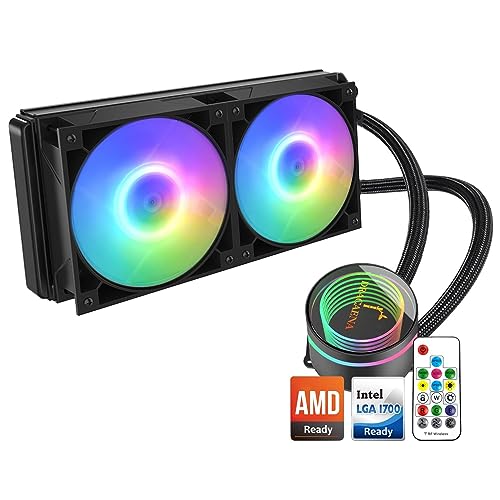
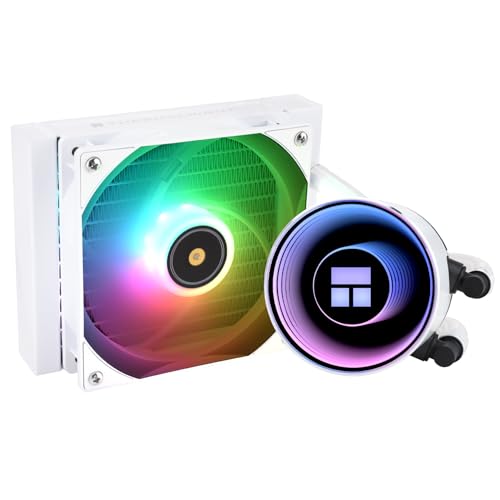
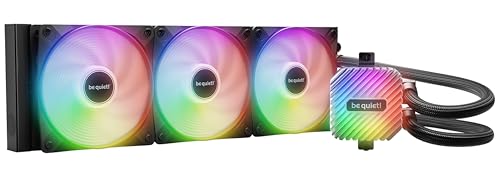

How Radiator Size Affects Cooling
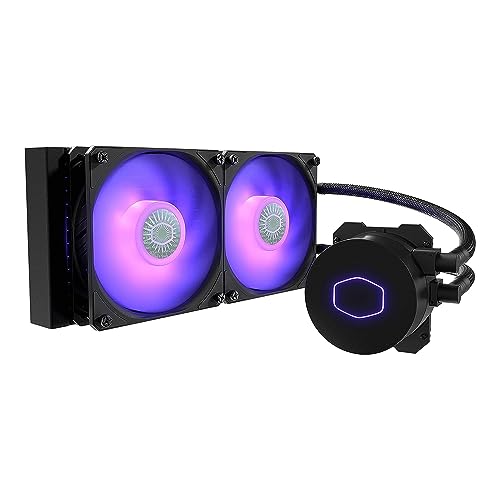
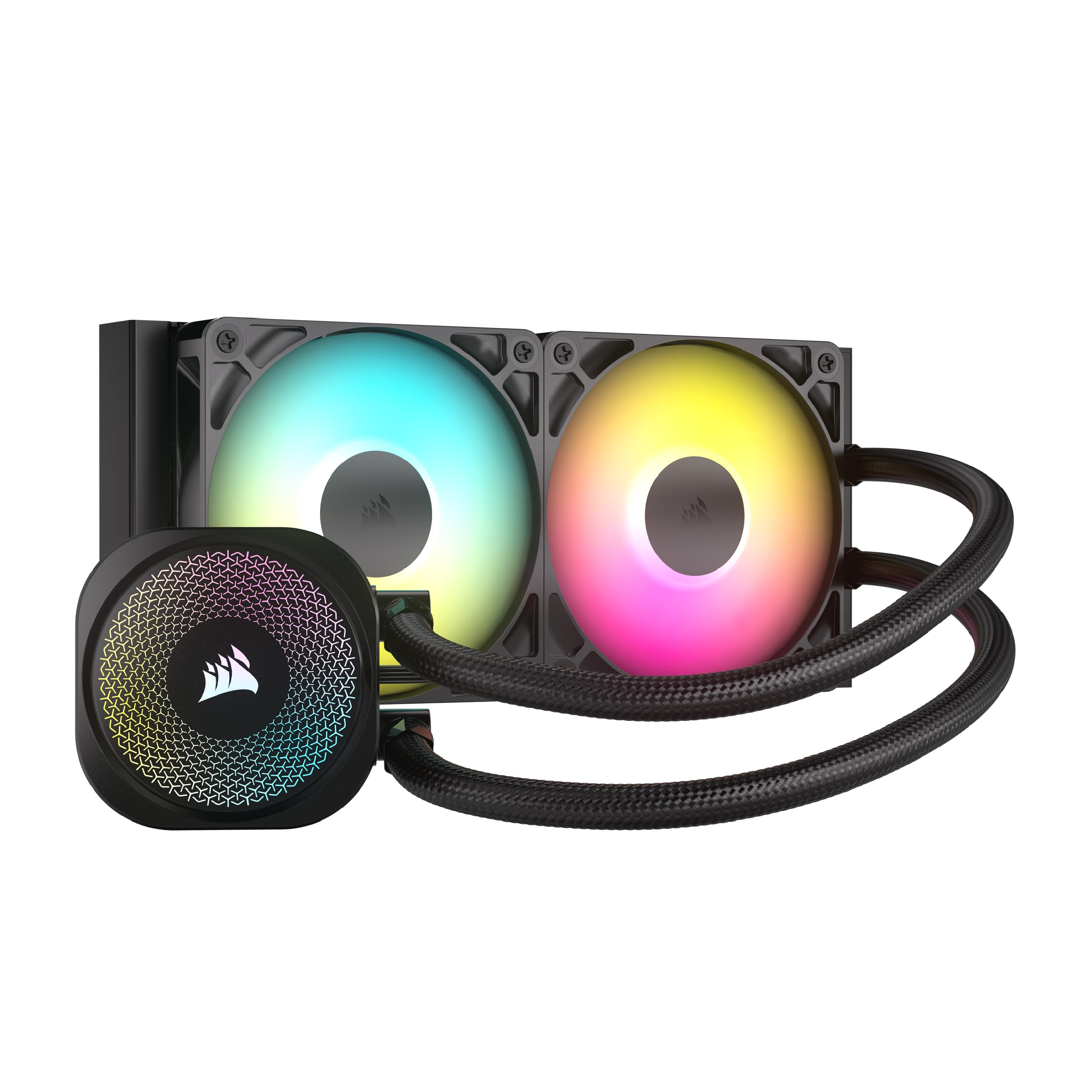
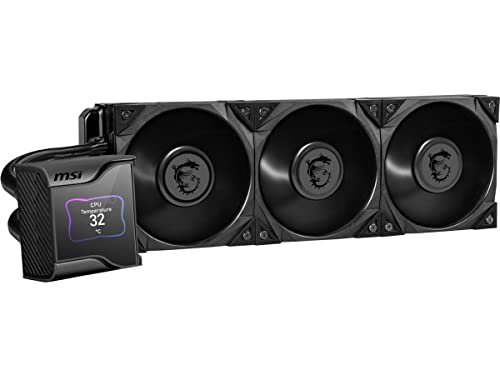
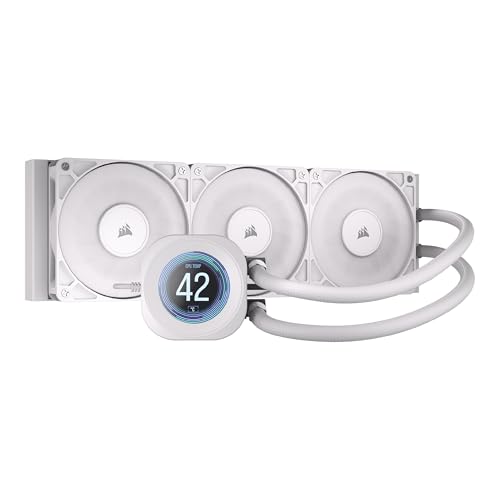
An all-in-one liquid cooler moves heat from the processor into liquid, then into a radiator where fans blow it into the air. A 240mm radiator takes two 120mm fans, and a 360mm takes three. More fans over more fin area means more heat can be shed at a given fan speed.
The result is not a fixed temperature drop but a choice. A 360mm cooler can keep a hot processor cooler under heavy load, or it can run the same temperature as a 240mm cooler at lower fan speeds, which is quieter. The gain is largest with high-power processors that draw a lot of watts under load.
- Mainstream processors at moderate power: a 240mm cooler is usually enough.
- High-end chips that run hot: a 360mm cooler gives useful headroom.
- Overclocking or long rendering sessions: the larger radiator pays off.
Noise and Fan Speed
Noise comes from fans and the pump. With more radiator area, the fans on a 360mm cooler can slow down and still hold temperatures, so the system may run quieter under load. On a 240mm cooler pushing a hot chip, the fans must spin up, which adds noise.
The pump is a constant source of sound, and a quality pump hums softly. Some coolers let you change the pump speed in the BIOS or software, which helps in a quiet room. Check noise comments from independent sources and look at how the cooler behaves at idle as well as at full load.
Case Compatibility
This is often the deciding factor. A 360mm radiator needs a case with room for it, typically in the roof or the front, and clearance for the fans and the pump block. Many compact and mid-size cases only take a 240mm radiator, or a 280mm one. Check the case's cooling support list for the maximum radiator size in each position.
Mounting position matters too. A radiator in the front of the case takes in cool air and usually gives the lowest processor temperatures, but it heats the air that reaches the graphics card. A roof-mounted radiator exhausts warm air directly, which is easier on the rest of the system. Make sure the tubes reach the processor, since short tubes limit placement.
Clearance checks
Look at the motherboard's top edge. Tall memory modules or large heatsinks near the processor can collide with a radiator mounted in the roof, particularly a thick one with fans. Measure the space or read the case's stated limit for radiator plus fan thickness.
Price and Value
A 360mm cooler costs more than a 240mm one from the same line, though the gap varies. If the premium is small, buying the larger radiator is a sensible long-term choice. If it is large, spending on a better processor or graphics card usually improves performance more than a few degrees of cooling.
Consider air cooling as an alternative. A good tower air cooler matches many 240mm liquid coolers for lower cost, with no pump and fewer parts to fail. Our best CPU cooler guide compares air and liquid choices, and the Arctic Liquid Freezer III Pro 360 review covers one popular 360mm model.
Reliability, Warranty and Looks
All-in-one coolers are sealed, so they need no maintenance, but they can lose performance over years as the liquid permeates slowly through the tubing and the pump ages. Most come with a warranty of several years, which is a useful sign of confidence. Larger radiators have no special reliability disadvantage, though more fans means more parts.
Design is a matter of taste. Many coolers add lighting, a small display on the pump block or sleek tubing. These features do not change cooling, so decide whether you want them. A plain model with the same radiator size often costs less.
Installation Basics
Install the radiator and fans first, then the pump block on the processor with a thin layer of paste. Keep the radiator's tubes lower than or level with the pump when possible, since air can collect in the highest point and make the pump noisy. Connect the pump to the proper header so it runs at full speed, and the fans to a header you can control by temperature.
Tighten the mounting screws evenly to avoid uneven pressure on the processor. After you finish, watch the temperatures for a few minutes of light use before running heavy loads, to confirm that the cooler works as it should.
Radiator Thickness and Fan Choice
Radiators differ in thickness as well as length. A thicker radiator packs more fin area but offers more resistance to airflow, so it benefits from fans designed for static pressure. Slim radiators work well with general-purpose fans. Many coolers ship with matched fans, and swapping them for quieter models is an easy upgrade later.
Fan speed control matters as much as fan quality. Set a fan curve that stays low at idle and ramps up smoothly, rather than jumping at small temperature changes. A gentle curve avoids the cycle of spinning up and down during light tasks that many people find annoying.
240mm vs 360mm aio: Which Should You Choose?
Choose 240mm if you
- Have a case with limited radiator space.
- Use a mainstream processor that does not run very hot.
- Want a lower price and simpler installation.
Choose 360mm if you
- Own a high-power processor or plan to overclock.
- Want lower noise at the same temperatures.
- Have a case that supports it comfortably.
FAQ
Is a 360mm AIO much better than 240mm?
It gives more headroom and lower noise on hot chips, though on cooler processors the difference is small.
Will a 360mm radiator fit my case?
Check the case's cooling support list for the roof and front. Many mid-size cases only take 240mm.
Are AIO coolers better than air coolers?
Not always. A strong air cooler can match a small AIO for less money and with no pump.
How long do AIO coolers last?
Often five years or more, though the pump and liquid can wear out earlier in some models.
When comparing 240mm vs 360mm aio, the right call is about the processor and the case: pick 240mm for mainstream chips and compact builds, and 360mm when heat and noise headroom matter.


