
9800x3d vs 285k: Which Is Better in 2026?
Disclosure: We may earn a commission when you buy through links on this page, at no extra cost to you. As an Amazon Associate I earn from qualifying purchases. Learn more

9800x3d vs 285k: AMD cache-heavy gaming chip against Intel top Core Ultra, covering games, creative work, power and platform.
Few matchups divide builders like 9800x3d vs 285k, because it puts AMD's gaming-focused cache chip against Intel's top Core Ultra desktop processor. The Ryzen 7 9800X3D has eight cores tuned for games, while the Core Ultra 9 285K has 24 cores in a mix of performance and efficiency designs. The product table right after this introduction lists current chips from both camps.
Below you will find gaming, creative work, power and heat, platform cost and who should buy which.
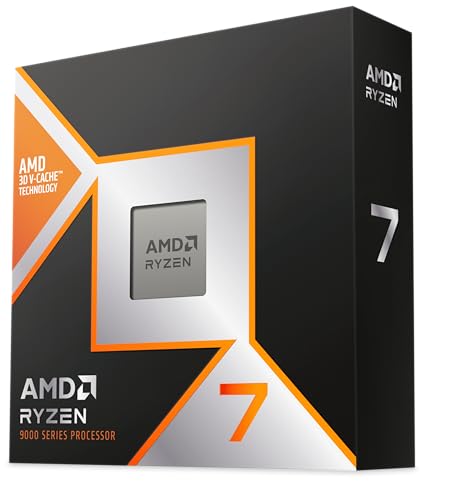

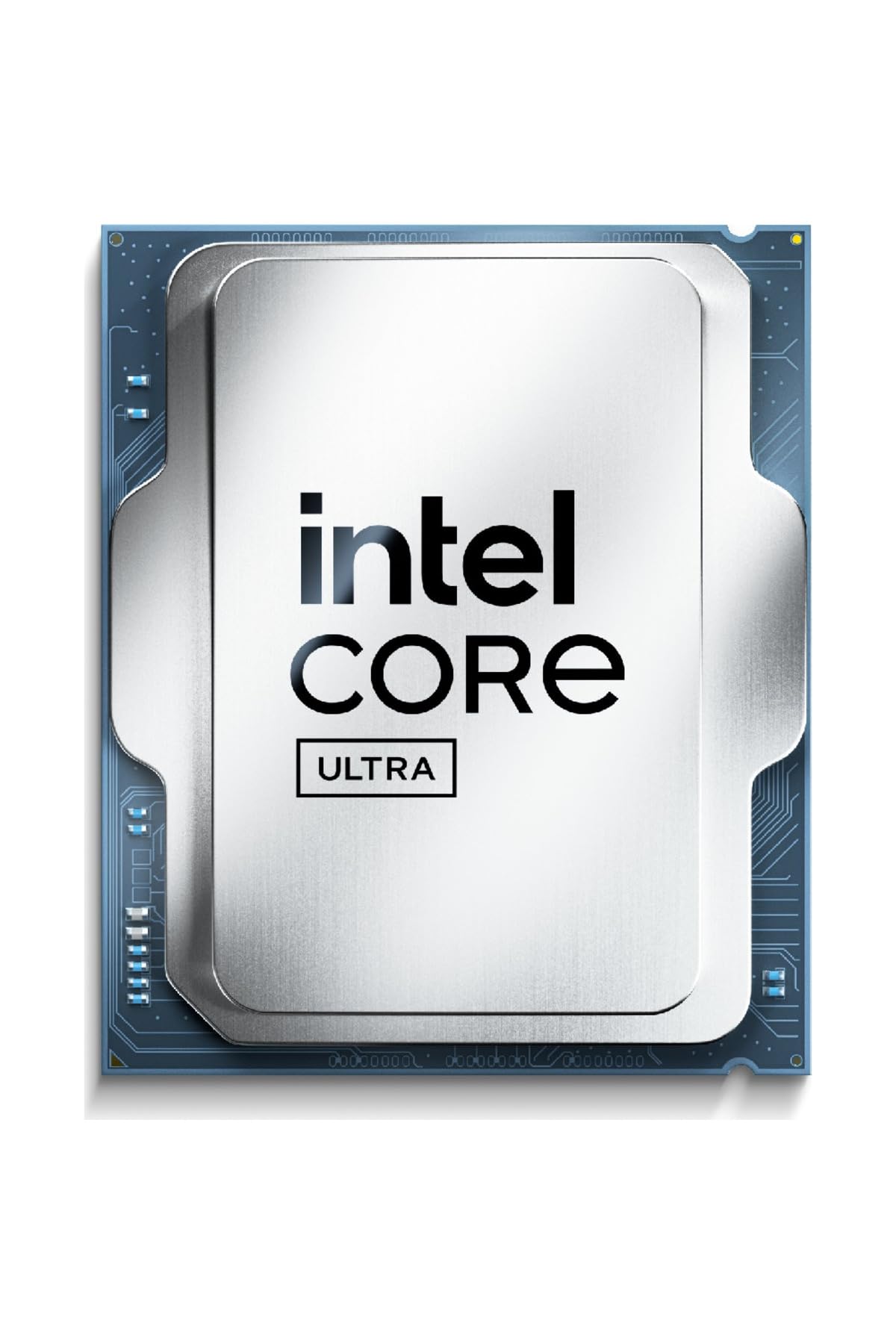


What Each Chip Is Built For
The 9800X3D has 8 cores, 16 threads and 96MB of L3 cache, with a boost clock up to 5.2GHz. Its stacked 3D V-Cache keeps game data close to the cores, which is where the chip gets its edge. The maker calls it a gaming processor first, and that focus shows in the design.
The Core Ultra 9 285K has 24 cores, 8 performance cores and 16 efficiency cores, with 24 threads and boost speeds up to 5.7GHz. It offers 40MB of cache, PCIe 5.0 support and integrated graphics. It is a flagship for people who want top results across many types of work, with gaming as one of several strengths.
Gaming Results
For gaming, the X3D approach has proved very effective. Reviewers have commonly found the 9800X3D at the top of gaming charts, especially in games limited by the processor, and in titles that benefit from a large cache. At lower resolutions the lead is easiest to see, and in competitive games it translates to higher and steadier frame rates.
The 285K is a capable gaming chip but is generally behind in most game comparisons. At 4K with a powerful graphics card, the practical gap often shrinks to a few frames. If you only care about games, the AMD chip is the more convincing choice.
Creative and Heavy Work
With 24 cores, the 285K shines in tasks that scale across many threads: 3D rendering, video encoding, large code builds and running several demanding programs at once. In those jobs it can outpace an eight-core processor by a wide margin, no matter how good the cache is. If your income depends on render times, this is the chip's strongest argument.
The 9800X3D is no slouch for everyday productivity and handles photo editing, browsing and moderate video work with ease. But it has fewer cores, so very parallel jobs take longer. If you need both elite gaming and strong creative performance, consider a higher-core X3D model, covered in our guide to the best CPU.
- Gaming first: 9800X3D.
- Rendering, encoding, compiling: 285K.
- Mixed use: weigh how many hours go to each.
Power, Heat and Cooling
The X3D chip tends to run efficiently in games and manageable on temperatures, which suits compact cases and quiet builds. Intel's Arrow Lake family improved efficiency compared with earlier Intel designs and aims at a cooler, quieter experience, but a 24-core processor under full load still produces significant heat.
Neither processor includes a cooler. Choose a strong air cooler or a liquid cooler of 240mm or larger for the 285K if you plan sustained heavy work. The 9800X3D benefits from a good cooler too, since its stacked cache design needs proper heat removal to hold boost clocks.
Platform and Upgrade Path
The 9800X3D uses Socket AM5, a platform AMD has said it will support for several years, which suggests an easier path to later upgrades. The 285K uses Intel's 800 series boards, which the maker describes as the platform for the Core Ultra desktop line. Compare board prices for each, because features such as Wi-Fi, USB ports and memory support vary widely.
Both use DDR5 memory, so your kit choice is similar, though best settings differ between platforms. Read our Ryzen 7 9800X3D review for more on that chip's behavior.
Price and Value
The two processors have often been priced in the same band, but availability and demand change the street price, so look at the table for the newest figures. When comparing total cost, add the motherboard, the cooler and any memory differences. In many builds the gaming chip delivers more performance per dollar for games, and the Intel chip more for heavy multi-threaded work.
Real-World Workloads Compared
Think about a typical week. If you spend most evenings gaming and a few hours on office or browsing tasks, the 9800X3D covers everything with room to spare. If you spend your days exporting video, running simulations or compiling code, the 285K's extra cores save real time, and that time adds up over a year.
Streamers face a middle case. Gaming while encoding a live stream loads the processor from two sides, and extra cores can help the stream stay smooth. Many streamers use the graphics card's hardware encoder, which removes most of the load, so a strong gaming chip is still a fine choice.
Tuning and Memory Behavior
Both platforms reward a little tuning, but neither requires it. On AMD, a well-chosen DDR5 kit at the recommended speed and the EXPO profile deliver most of the benefit, and the stacked cache reduces the chip's dependence on fast memory. On Intel, faster memory can lift results more noticeably, so higher-speed kits pay off a bit more.
Keep firmware current on either platform, because early boards sometimes shipped with settings that were later improved. A short session of updating the BIOS and chipset drivers is the easiest speed-up available.
9800x3d vs 285k: Which Should You Choose?
Choose the 9800X3D if you
- Play competitive or demanding games at high frame rates.
- Want an efficient, cool-running system.
- Prefer a platform with a longer expected life.
Choose the 285K if you
- Render, encode or compile for a living.
- Value integrated graphics and Intel's media features.
- Run many demanding applications at the same time.
Practical Notes Before You Order
Confirm the motherboard supports the chip out of the box, since some boards need a BIOS update first. Choose a power supply with enough headroom for your graphics card, and keep an eye on case airflow. After assembly, enable the memory profile and check temperatures in a few demanding programs.
FAQ
Which is better for gaming, 9800X3D or 285K?
The 9800X3D is generally stronger for gaming.
Which is better for rendering?
The 285K has far more cores and usually wins in highly threaded work.
Do I need a special motherboard?
Yes. The 9800X3D needs an AM5 board and the 285K needs an Intel 800 series board.
Do these processors come with coolers?
No. Both need a separately purchased cooler.
The short answer on 9800x3d vs 285k is simple: the AMD chip is the gamer's choice, and the Intel chip is the pick for heavy creative and multi-threaded work.


