
AMD Ryzen 7 7800X3D Alternative for 2026: Faster, Cheaper and Intel Options
Disclosure: We may earn a commission when you buy through links on this page, at no extra cost to you. As an Amazon Associate I earn from qualifying purchases. Learn more

AMD Ryzen 7 7800X3D Alternative: newer cache chips, cheaper eight core parts, an AM4 path and Intel rivals compared by gaming speed, price and platform.
The Ryzen 7 7800X3D earned its reputation as a gaming processor with a huge cache and modest power draw, but it is not the only way to a fast gaming PC. This guide to the best amd ryzen 7 7800x3d alternative covers newer cache chips, cheaper eight core parts and Intel options, with notes on who each one suits.
The product table lists processors that compete with the 7800X3D on gaming speed, price or platform. The sections below explain how to choose between them.



What the 7800X3D Sets as the Standard
The listing shows an 8 core, 16 thread chip on a 5 nm process with 8 MB of L2 and 96 MB of L3 cache, a 4.20 GHz clock and a maximum operating temperature of 89 degrees Celsius. It runs on Socket AM5 and includes integrated Radeon graphics. That large cache, not the clock speed, is the reason it leads many game charts.
Any alternative has to either beat it in games, cost clearly less or run on a platform you already own.
Amd Ryzen 7 7800x3d Alternative for More Speed
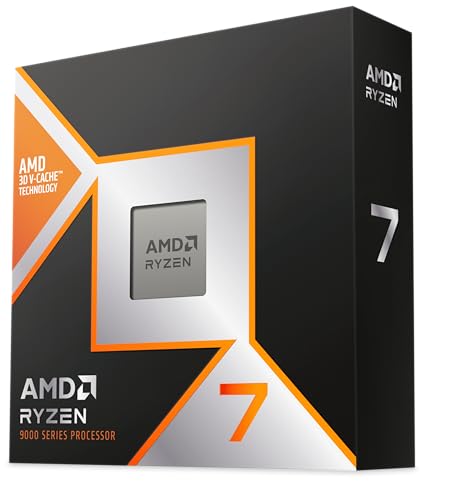
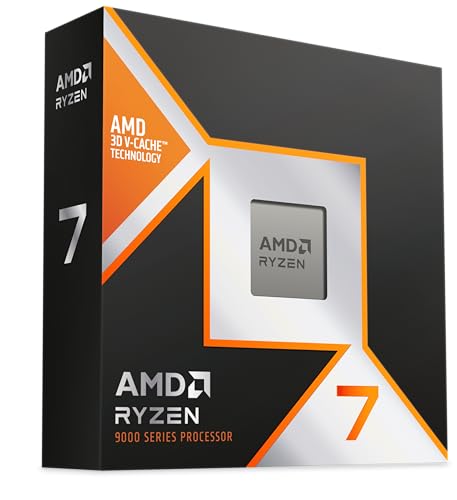
The Ryzen 7 9800X3D is the direct successor. It carries 96 MB of L3 cache on Zen 5, with up to 5.2 GHz clocks, and AMD calls it its fastest gaming processor. It fits the same AM5 boards and costs more than the 7800X3D, so check the gap before you commit.
The Ryzen 7 9850X3D appears in the catalog as an even newer cache model. If the price premium over the 9800X3D is small, it is worth a look, but compare it with the cost of a stronger graphics card first, since that usually gives more frame rate per dollar.
Cheaper Eight Core Choices
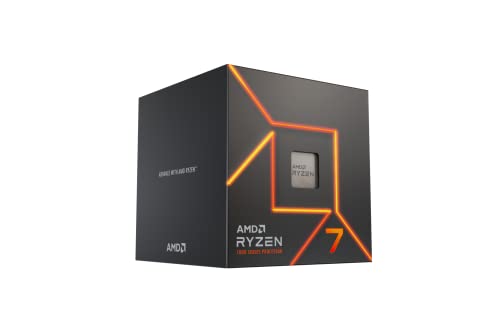
The Ryzen 7 7700 and Ryzen 7 9700X keep the eight core layout without the big cache and cost less. The 9700X lists 8 cores, 16 threads, a boost clock of 5.5 GHz and 40 MB of cache on Zen 5, and it ships without a cooler. In heavy rendering or encoding they are as good as the cache chips or better, and in many games they come close at higher resolutions.
- Pick the 7700 for the lowest price on AM5.
- Pick the 9700X for newer cores and a higher boost clock.
- Pick a cache chip when frame rates in processor-bound games are the goal.
- Keep a good cooler in the budget, since several listings omit one.
Higher Core Count Options
The Ryzen 9 7950X3D adds sixteen cores with cache on part of the chip. It suits people who game and also run heavy creative work. It costs more than the 7800X3D, and games rarely use the extra cores.
Intel Alternatives
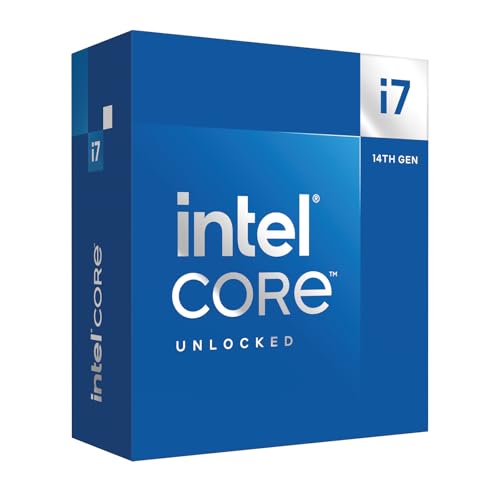
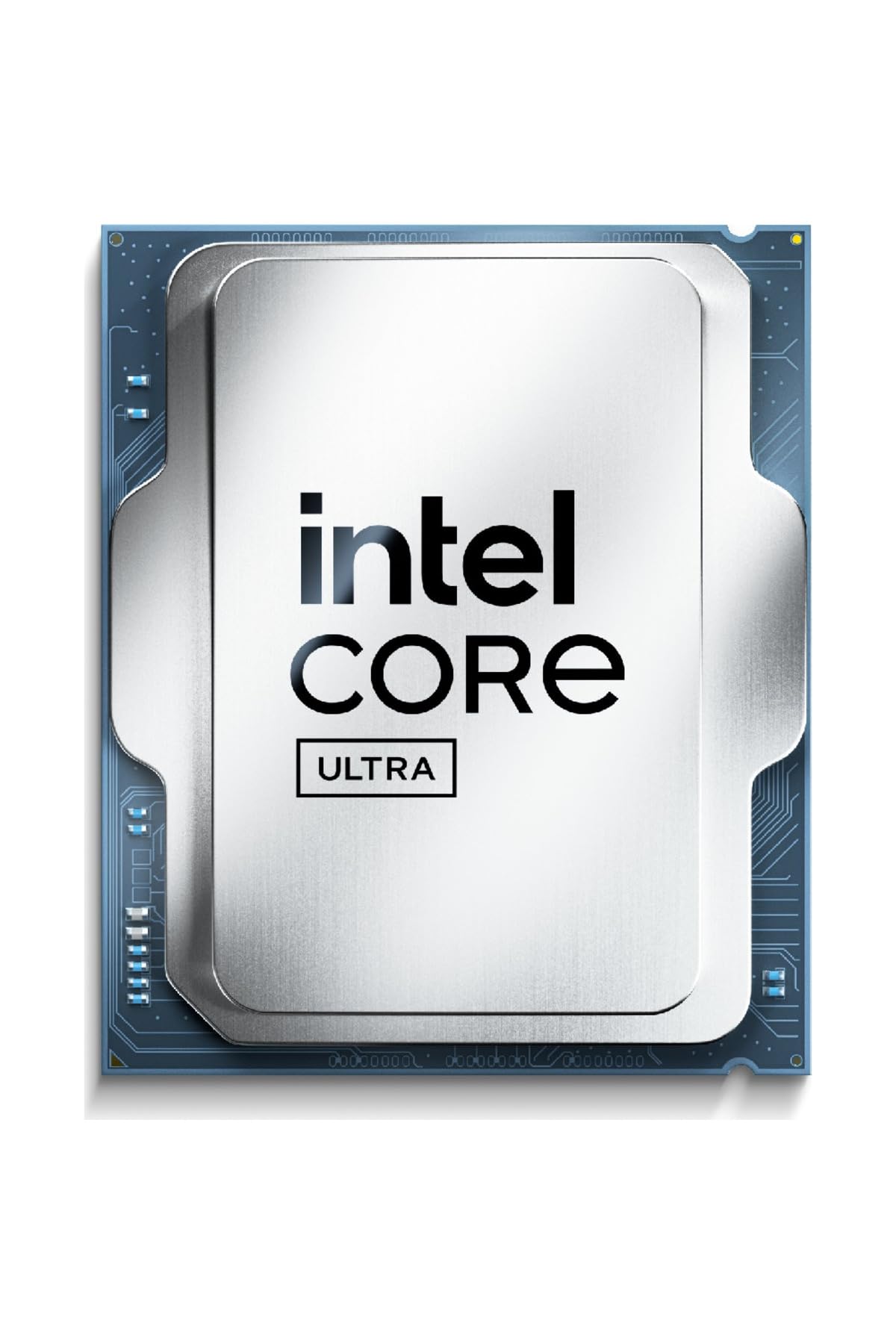
The Core i7-14700K lists 20 cores (8 performance and 12 efficiency), up to 5.6 GHz and support for DDR4 and DDR5. The Core Ultra 7 265K lists 20 cores and up to 5.5 GHz on Intel's newer 800 series platform, and the Core Ultra 9 285 steps up to 24 cores. These chips are excellent for mixed work and good in games, but they use more power than the 7800X3D and need a strong cooler.
An Older AM4 Path
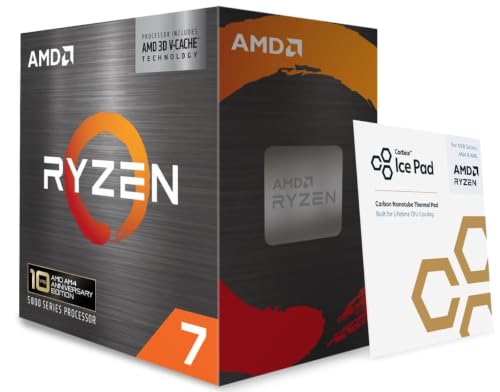
The Ryzen 7 5800X3D carries 100 MB of cache on Socket AM4 with DDR4-3200 support, with no cooler included. It is a clever upgrade for owners of an AM4 system, because it needs no new board or memory. It is not a good buy for a new build, since the platform has no future.
Matching the Platform to Your Plans
New AM5 builders can take any AM5 chip in the table and add stronger ones later. If you already own an Intel board, stay with Intel unless the gaming gain justifies a full platform change. The board and memory add more to the bill than the processor, so check the full cost.
Power, Heat and Cooler Needs
Cache chips are known for running efficiently in games, which keeps fan noise down. Chips with high core counts and unlocked Intel parts push more heat into the case, so match the cooler to the chip. A 240 mm liquid cooler or a large dual tower air cooler suits the hungrier ones, while a mid-priced tower cooler is enough for the eight core AMD parts.
A quality power supply with spare capacity also matters more with Intel's high end chips, since they can spike in power use. Check the listing for the power rating of the chip you choose.
How Much Does the Processor Matter at Your Resolution
At 4K, nearly every chip in the table delivers the same frame rate, because the graphics card is the limit. At 1440p the differences grow in processor-heavy games, and at 1080p with a fast graphics card they show most clearly. If you play at 4K, save money by choosing a cheaper chip and put the savings into the graphics card.
If you play competitive shooters at very high frame rates on a 240Hz monitor, a cache chip makes the most difference. Casual single player gamers will rarely feel it.
Who Should Pick What
Choose the 9800X3D for the best gaming speed, the 9700X for a balanced and cheaper build, the 7950X3D for mixed gaming and work, and an Intel chip for DDR4 flexibility or heavy multitasking. Stay with the 7800X3D if it is on a fair offer, because it remains a superb gaming chip.
Related reading: the AMD Ryzen 7 9800X3D Review, then the best CPU guide.
FAQs
What is the best alternative to the Ryzen 7 7800X3D?
The Ryzen 7 9800X3D if you want more speed. The Ryzen 7 9700X is the best cheaper choice.
Is the 7800X3D still worth buying?
Yes, especially at a lower price. It remains one of the best gaming processors for its power use.
Do these chips include a cooler?
Several do not. Check the listing for each one.
Is an Intel chip better for work?
Intel's high core count chips are strong for heavy multitasking, but they draw more power.
Final Thoughts
The best amd ryzen 7 7800x3d alternative depends on whether you value speed, price or platform. Compare the options in the table and confirm the cooler before you order.


