
AMD Ryzen 7 9800X3D Review for 2026: Who Needs the Fastest Gaming Chip
Disclosure: We may earn a commission when you buy through links on this page, at no extra cost to you. As an Amazon Associate I earn from qualifying purchases. Learn more

AMD Ryzen 7 9800X3D Review: what its cache delivers in games, who should skip it, plus cooling, platform and smart buying tips for a scarce chip.
The Ryzen 7 9800X3D is the processor that gaming builders point to when someone asks for the fastest gaming chip, and it earns that reputation through a large cache rather than through raw clock speed. This amd ryzen 7 9800x3d review explains what the design changes, who gets a real benefit from it and how to buy one without overpaying.
The chip sells out and returns at changing prices, so the guide also covers how to read an offer and what to prepare around it.



What the Maker Says It Does
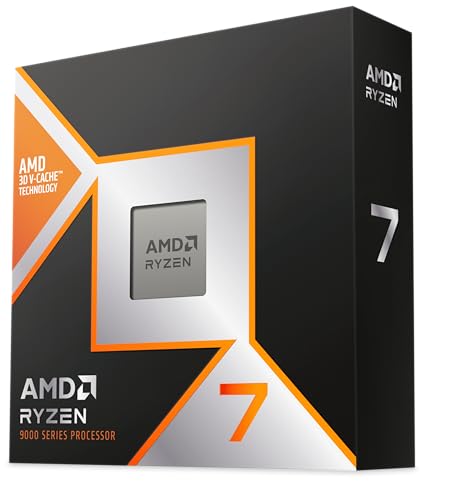
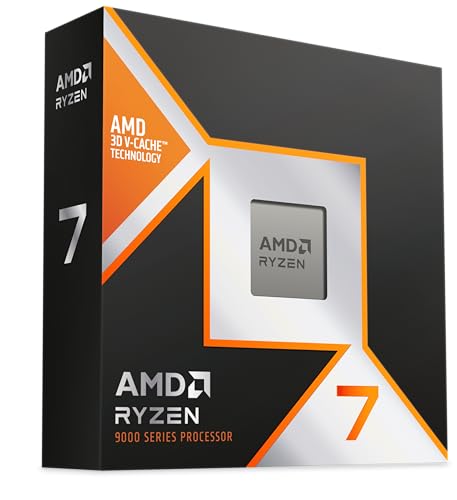
AMD's listing describes the 9800X3D as an eight core, sixteen thread processor built on Zen 5 with next generation 3D V-Cache. It claims about a 16 percent improvement in instructions per clock over the previous generation, 96 MB of L3 cache and clocks up to 5.2 GHz. The cache layout also improves thermal behavior compared with the earlier 3D design, which lets the chip run at higher clocks. It drops into proven Socket AM5 boards and ships without a cooler.
Take the claimed numbers as the maker's figures, and rely on game by game results from reviewers for the true gaps.
Amd Ryzen 7 9800x3d Review: Where It Shines
It shines in games that depend on the processor: simulators, large strategy games, open worlds with many objects and competitive shooters at high refresh rates. At 1080p and 1440p with a fast graphics card, the lead is clear. At 4K the graphics card sets the limit, and the advantage narrows.
It also makes frame times smoother. A game that averages the same frame rate on two chips can feel better on the cache chip, because the dips are shallower.
Who Should Not Buy It
It is a poor value if you play at 4K with a mid-range card, since the card is the limit. It is also not the right pick for heavy rendering, where chips with more cores finish sooner. And it is a waste if you play mostly lighter titles that already hit your monitor's refresh rate.
- Mid-range graphics card with a 60Hz monitor: save the money.
- Rendering and encoding first: look at 12 or 16 core chips.
- Tight budget: the 7800X3D or a 9700X gives more value.
Cooling and Power
Because the listing says a cooler is not included, buy one. A good tower cooler or a 240 mm liquid cooler is a sensible match. The chip is efficient in games, so noise stays modest. One seller page lists a 120 W figure for the chip, which is manageable for any decent cooler.
Platform Requirements
You need an AM5 motherboard and DDR5 memory. A B650 or X870 board suits the chip, and a mid-priced board is enough because the processor does not draw heavy power in games. Install the latest BIOS before first boot and enable the memory profile.
Buying Smart
Offers include the maker's own listing, resellers that attach premiums and bundles with motherboards at inflated prices. Compare the price with the maker's usual level, and avoid sellers who add a large markup for stock. Check the seller's return terms, and prefer a listing marked new with a maker warranty.
If the price is far above normal, wait. Prices on top gaming chips tend to settle after demand cools.
Compared With Its Neighbors
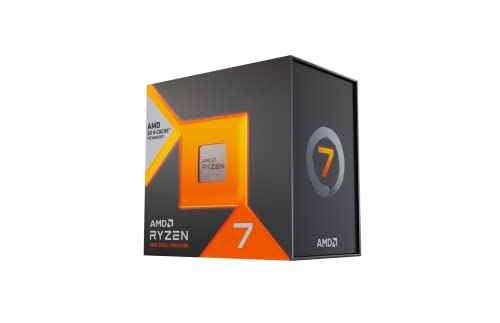
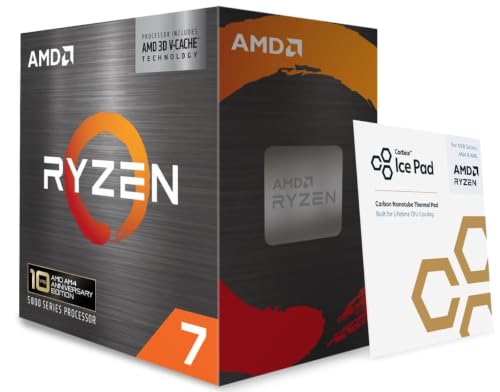
The 7800X3D is the previous generation cache chip, and it costs less. It remains a very good gaming processor, and many players will not notice the difference in daily play. The 9850X3D appears as a newer cache model, and it sits above the 9800X3D in price. Chips with sixteen cores and cache, such as the 9950X3D, serve gamers who also do heavy creative work.
The 9700X is a non-cache eight core option that costs much less. It is a fine choice for play at 4K and for mixed work, though it falls behind in processor-heavy games.
First Boot and Settings
Update the BIOS before you install the chip if your board is old, then enable the memory profile and check that the cooler fan curve behaves sensibly. Install the chipset driver in Windows, and keep it current. The cache chip does not reward manual overclocking, so leave the boost settings at their defaults and tune memory only if you enjoy it.
Run a short game session while watching temperatures. If they sit comfortably below the chip's limit, your cooling is adequate.
Graphics Cards That Match
The chip pairs best with a strong graphics card, such as an RX 9070 XT class card or better, at 1080p to 1440p. With a mid-range card, the processor will wait for the card, and you will not see its full lead. Choose the monitor first, then the card, and let the processor follow.
Case, Noise and Build Tips
A mid-size case with a front intake and a rear exhaust fan keeps this chip cool. Compact builds work too, thanks to its modest heat output in games, as long as the cooler clears the side panel. If noise matters, set a gentle fan curve in the BIOS, because the processor rarely needs full fan speed during play.
Plan for a quality power supply sized to the graphics card, a fast NVMe drive for games and a 32GB DDR5 kit. Those three choices matter more to the overall feel of the PC than any further processor spending.
Longevity
An eight core chip with this much cache will stay strong for years, and the AM5 platform leaves room for later upgrades. Owners who buy it now can expect to keep it through several graphics card upgrades before the processor becomes the weak link.
Related reading: the AMD Ryzen 7 9700X Review, then the AMD Ryzen 7 9800X3D vs AMD Ryzen 7 9700X comparison.
FAQs
Is the 9800X3D worth buying?
For high refresh gaming with a strong graphics card, yes. For other uses, cheaper chips offer better value.
Does it include a cooler?
No. The listing says cooler not included.
What memory does it use?
DDR5 on an AM5 board.
How is it different from the 7800X3D?
It uses Zen 5 and a newer cache design, with higher clocks, and it costs more.
Final Thoughts
This amd ryzen 7 9800x3d review points to a superb gaming chip that suits strong graphics cards and high refresh monitors. Check the price against the maker's usual level, buy a cooler and confirm your board before you order.


