
Arlo vs Eufy Security Camera: Cloud Plan or Local Storage?
Disclosure: We may earn a commission when you buy through links on this page, at no extra cost to you. As an Amazon Associate I earn from qualifying purchases. Learn more

Arlo vs eufy security camera compared on plans, local storage, solar power, video quality and smart detection.
Arlo and Eufy are two of the biggest names in wire-free home cameras, and they approach ownership from opposite sides. The arlo vs eufy security camera decision comes down to the monthly plan and where your video lives: Arlo leans on the cloud and a paid plan, while Eufy leans on local storage with no monthly fee.
The product table right after this intro lists cameras from both brands, indoors and out, so you can compare price and type before you read the differences.


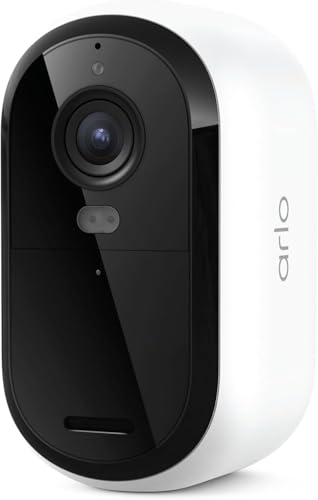

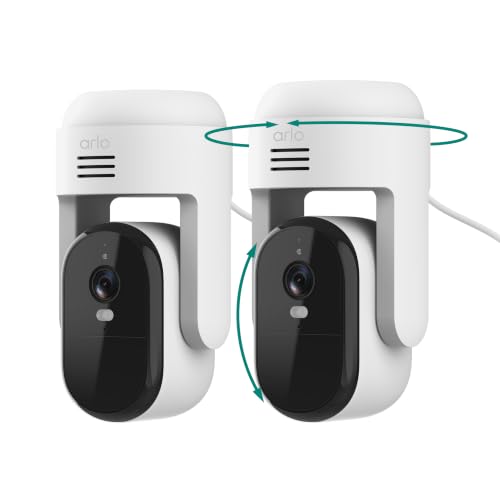
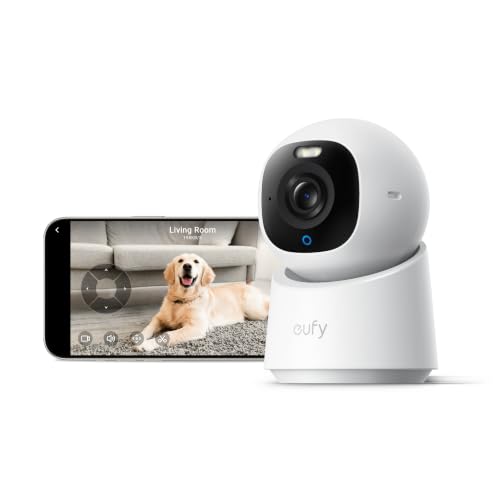
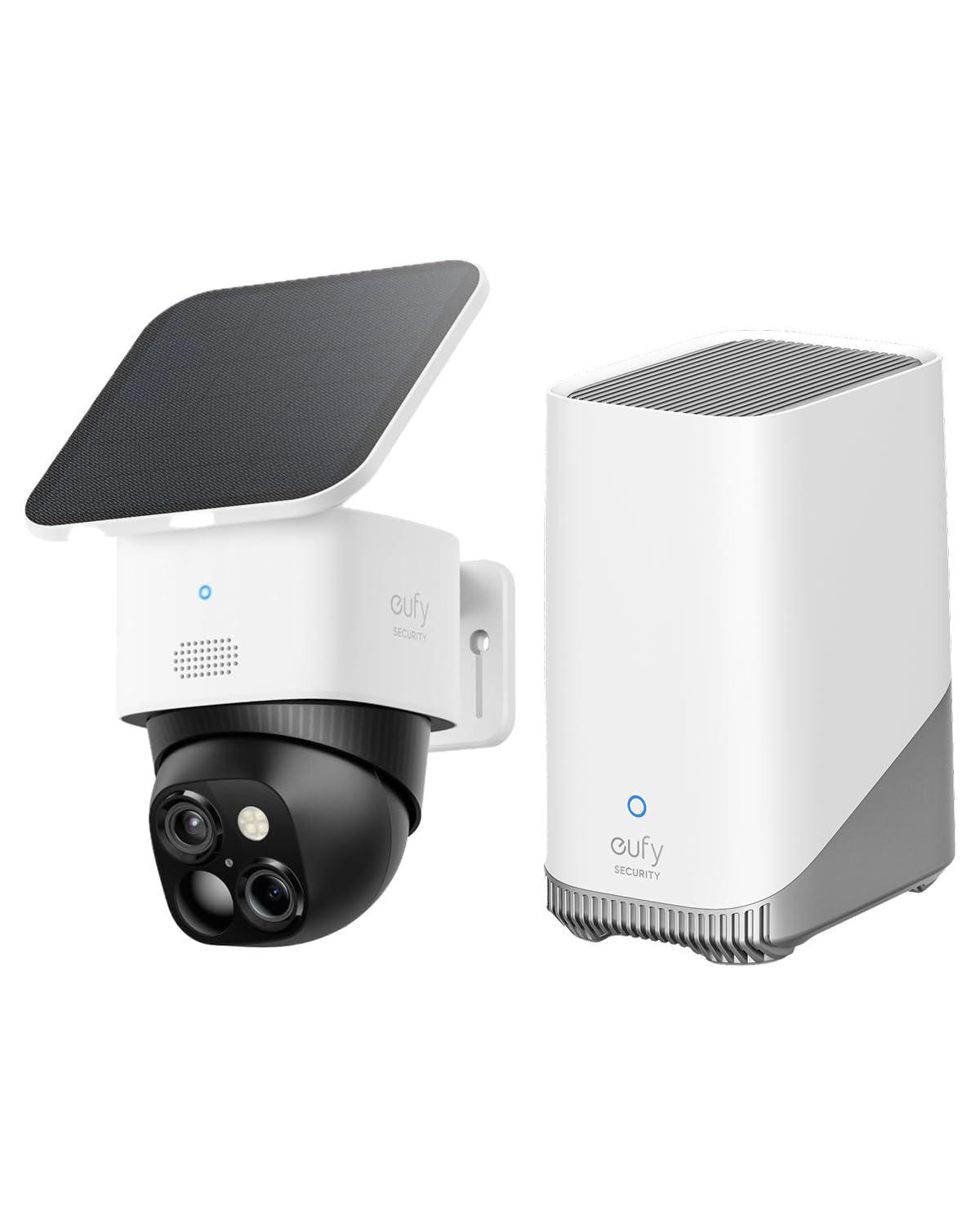

Two Different Business Models
Arlo
Arlo cameras connect straight to Wi-Fi and send clips to the cloud. Live view and basic alerts work without a plan, but video history, smart detection and emergency response need the Arlo Secure plan after a trial. The app is polished, and the hardware is easy to install.
Eufy
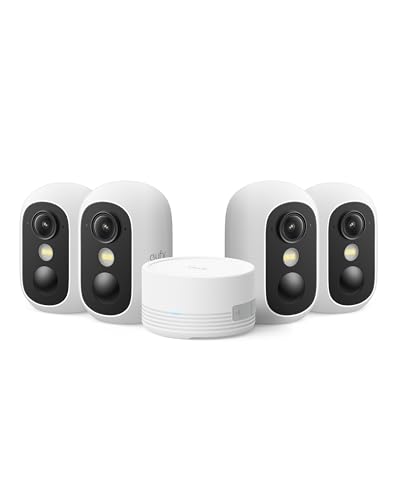
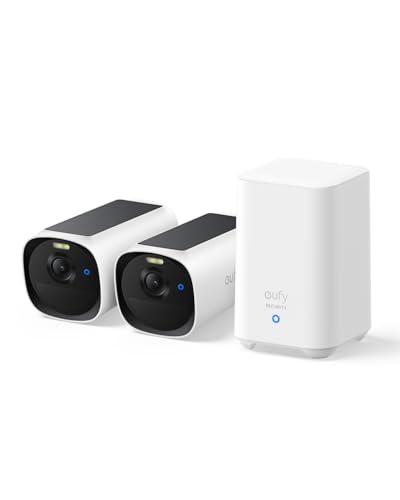
Eufy sells many models that store video locally, either on a card in the camera or in a hub called HomeBase. The listings stress no monthly fee, local AI detection and optional expansion with a hub. Some indoor models record straight to a card, so no cloud is needed at all.
Video Quality
Both brands offer 2K cameras, and Eufy also sells 3K and 4K models. Arlo's Pro line adds HDR and a strong zoom. Eufy's higher end models add dual lenses and extra zoom. For most porches and driveways, any of these give a clear picture in daylight and a usable color night view.
Night Vision
Both lines offer color night vision with a spotlight. The practical difference is in the details: a brighter spotlight and a better sensor give clearer faces at a distance, so check recent feedback for the exact model.
Power Options
Arlo's popular cameras run on rechargeable batteries, and the Pro line has a removable battery. Eufy offers battery cameras, wired cameras and solar models with a panel that keeps the camera charged. If you do not want to climb a ladder to charge a battery, a solar Eufy model is attractive.
- Arlo: rechargeable batteries, optional solar chargers, wired indoor models.
- Eufy: solar cameras, battery cameras, wired floodlights and indoor models.
Smart Features
Both brands detect people, vehicles, animals and packages. Eufy emphasizes on-device AI, so detection happens on the camera or the hub, and Arlo emphasizes cloud features such as captions and search with its plan. If privacy and keeping video at home matter, Eufy fits well. If you prefer polished cloud features, Arlo does.
Smart Home Integration
Both support voice assistants and several smart home platforms, with some differences by model. Check the listing for HomeKit, Alexa and Google Home support if you rely on one of them.
Cost Over Time
Eufy's up-front cost is often higher for a kit with a hub, but there is no monthly fee. Arlo cameras can look cheaper at the start, and the plan adds up each month. Over three years, the plan can double the effective price of a single camera, so compare the total, not the sticker.
Local Storage Explained
With local storage, video is saved on a card or a hub in your home. You can view clips in the app, and nothing needs a paid plan to stay available. The risk is theft or damage: if someone takes the camera or hub, the clips go with it. Some Eufy models offer optional cloud backup for that reason.
With cloud storage, clips are saved on the company's servers, so they survive a stolen camera, and you can view them from anywhere. The price is the plan. Many households pick local storage for indoor cameras and cloud for entrances, to balance cost and safety.
Hubs and Expansion
Eufy's HomeBase connects cameras, stores video and runs local AI. It adds cost but makes a larger system easier to manage. Arlo cameras need no hub, which keeps a small system simple, though some Arlo lines can use a hub for local storage.
Typical Setups
A Small Home With a Front Door and Backyard
Two battery or solar cameras cover the main entries. With Eufy, you add a hub if the model needs one. With Arlo, you add two cameras and the plan. Choose based on whether you prefer a monthly fee or higher upfront cost.
A Larger Property
For a bigger lot, you may want four or more cameras, and costs add up quickly. Eufy's local storage keeps costs down. Arlo's plan may cover many cameras at a single fee, depending on the tier, so check the plan rules.
Indoor Pet or Baby Monitoring
Both brands sell indoor pan and tilt cameras that track motion. Eufy's indoor camera records to a card, and Arlo's indoor camera sends clips to the cloud with a plan. Keep an indoor camera away from private areas, and use the privacy modes when you are home.
Reliability and Support
Both brands have a large user base, so help is easy to find. Look at recent feedback for the exact model, since camera lines change every year. Keep the firmware updated, and register the camera for warranty. If you rely on a camera for important security, add a backup power source for the router.
Which Should You Buy?
Choose Eufy if you want to avoid subscriptions and keep video at home. Choose Arlo if you want a polished app and strong cloud features and accept a plan. For indoor use, both sell good pan and tilt cameras at low prices.
For more picks, see the best security camera guide and the eufy solocam s340 review.
FAQs
Does Eufy need a subscription?
No. The listings advertise local storage with no monthly fee, with optional cloud services.
Does Arlo work without a plan?
Live view and basic alerts do. Video history and smart features need the plan.
Which has better battery life?
It depends on the model and the activity level. Solar Eufy models avoid the problem.
Which is easier to set up?
Both are simple, and Arlo's camera-only setup needs no hub.
Final Verdict
In the arlo vs eufy security camera decision, Eufy wins on cost and local storage, and Arlo wins on app polish and cloud features. Compare the table, add up the plan costs and check the product page for current pricing.


