
Best Smart Home Thermostat at Every Price: What Your Money Really Gets You
Disclosure: We may earn a commission when you buy through links on this page, at no extra cost to you. As an Amazon Associate I earn from qualifying purchases. Learn more

What budget, midrange and premium smart thermostats really offer, from Amazon and Nest to ecobee and Honeywell, plus the features worth paying for.
Smart thermostats range from around $80 to well over $300, and the price gap is not always obvious from the box. Every model lets you change the temperature from your phone, but the extras, like room sensors, learning schedules, air quality monitoring and premium displays, vary a lot. This guide to the best smart home thermostat options explains what each price tier really gets you, so you spend only on the features that cut your energy bills and keep your home comfortable.
The short answer: most homes should buy a midrange smart thermostat around $150 to $180, such as the ecobee Smart Thermostat Enhanced, which adds occupancy sensing, a C wire adapter and support for every major voice assistant; budget buyers can get the Amazon Smart Thermostat around $80 for basic scheduling with Alexa, while the Google Nest Learning Thermostat around $230 is worth it if you want automatic learning and an included room sensor.



Top 3 Picks by Budget
These three thermostats come from the product table above and represent the best value in each price tier.


Best Budget Pick
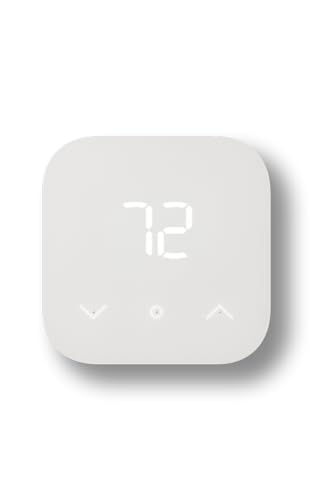
The Amazon Smart Thermostat, around $80, is for renters and first time smart home buyers who use Alexa and want simple app control without a big investment. Its first strength is reliable hardware built with Honeywell Home thermostat technology, paired with an Alexa app that guides you through installation step by step. Its second strength is ENERGY STAR certification, which often qualifies it for utility rebates that can bring the effective price even lower.
The limitation is ecosystem: it works only with Alexa, so Google Home and Apple Home users should look elsewhere. It also requires a C wire or the separate power adapter.
Best Midrange Pick
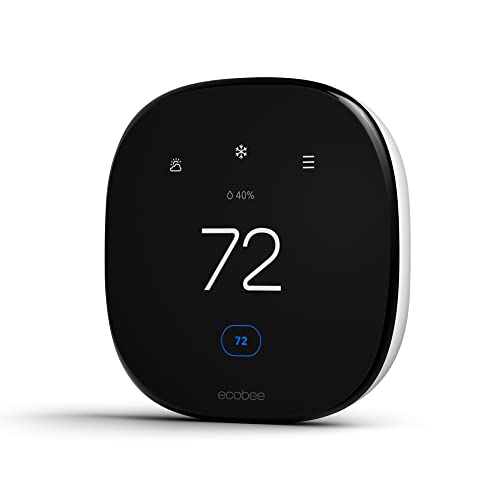
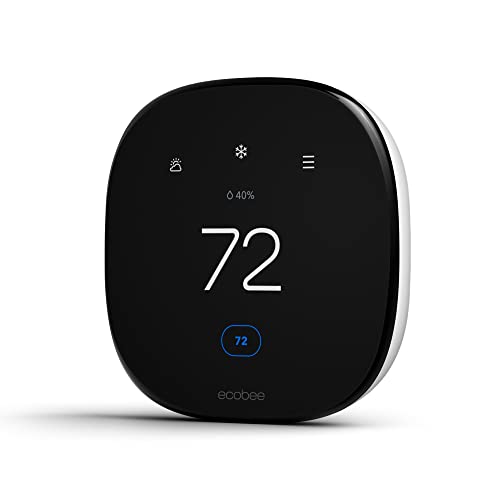
The ecobee Smart Thermostat Enhanced, around $180, suits most homeowners who want strong energy savings and broad compatibility. Its first strength is built in occupancy sensing that detects when people are home and adjusts heating or cooling automatically, with ecobee claiming savings of up to 26% per year. Its second strength is compatibility: it works with Alexa, Google Assistant, Apple HomeKit and SmartThings, and it includes a Power Extender Kit for homes without a C wire.
The limitation is that room sensors are sold separately, so balancing hot and cold rooms costs extra.
Best Premium Pick
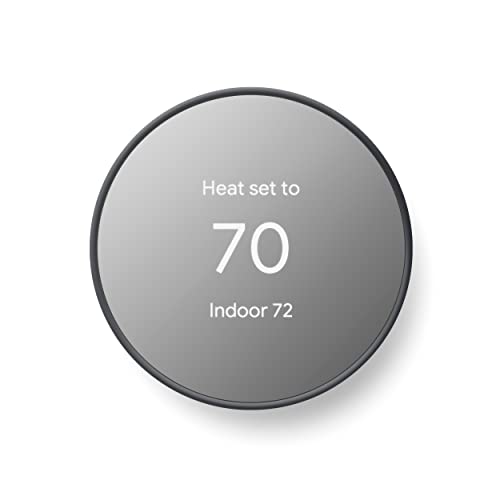
The Google Nest Learning Thermostat 4th Gen, around $230, is for buyers who want a thermostat that programs itself. Its first strength is learning: it builds a schedule from your adjustments and even accounts for how sunlight and outdoor temperature affect your home, with Google claiming up to 31% savings on heating and cooling. Its second strength is the included Nest Temperature Sensor, which lets you prioritize a bedroom or office, plus a large display readable from across the room.
The limitation is price; you pay roughly double the budget tier for learning and design.
What Your Money Gets You at Each Price Tier
Smart thermostat prices on Amazon fall into three clear tiers. Knowing what each tier includes helps you decide where your money goes furthest.
Budget Tier: What to Expect
Budget smart thermostats cost around $80 to $130. At this level, you get WiFi control through a phone app, programmable schedules, ENERGY STAR certification and voice control through at least one assistant. The Amazon Smart Thermostat and Google Nest Thermostat both sit here. The tradeoffs are simple displays, no remote room sensors and limited automation. Many budget models need a C wire or adapter. This tier suits apartments, small homes and anyone who mainly wants to adjust the temperature from bed or the office.
Midrange Tier: The Sweet Spot for Most Buyers
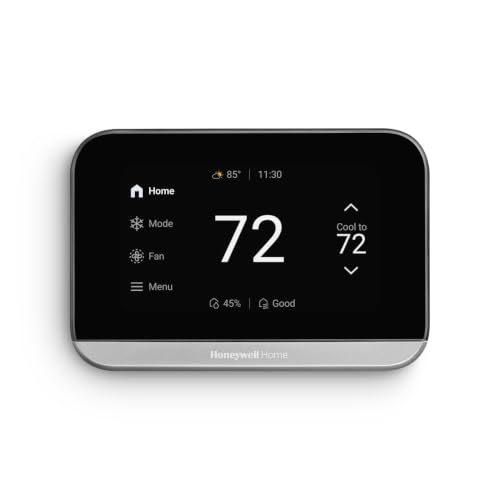
Midrange models cost around $150 to $200 and include the ecobee Smart Thermostat Enhanced, Honeywell Home RTH9600WF, Honeywell Home X7S and Sensi Touch 2. You gain touchscreens, occupancy or presence detection, support for optional room sensors, HVAC maintenance alerts and broader smart home compatibility, often including Matter or Apple Home. Most also include C wire adapters. The tradeoff is that sensors usually cost extra. For typical single family homes, this tier delivers nearly all the energy savings of premium models at a lower price.
Premium Tier: When Spending More Pays Off
Premium smart thermostats cost around $230 to $300 and include the Google Nest Learning Thermostat and ecobee Smart Thermostat Premium. These models add self learning schedules, included room sensors, larger high resolution displays and, on some ecobee models, built in air quality monitoring and smart speakers. Spending more pays off in larger homes with uneven temperatures, households with unpredictable schedules and buyers who want a thermostat they never have to program. For a small apartment, the extra features rarely justify the cost.
Features Worth Paying For (and Ones to Skip)
Not every feature on the box saves you money. Here is how the main features stack up and which tier offers them.
Home Size and Room Sensors
Room sensors are worth paying for in homes larger than about 1,500 square feet or with multiple floors, where one hallway thermostat cannot read every room. Sensors let the thermostat average temperatures or prioritize occupied rooms, fixing a hot upstairs bedroom or a cold basement office. Sensors appear in the midrange tier as optional add ons and come included with premium models like the Nest Learning Thermostat. In small apartments, skip them.
Energy Savings Ratings and ENERGY STAR
ENERGY STAR certification is worth insisting on at every price. Certified thermostats meet EPA requirements for energy saving features, and the EPA estimates they save an average of about $90 a year. Certification also unlocks many utility rebates. Brand savings claims, such as up to 23%, 26% or 31%, depend on your climate, home and habits, so treat them as best case figures rather than guarantees.
C Wire Compatibility and Power
The C wire, or common wire, supplies constant power to a thermostat. Older homes often lack one. Check before you buy: Nest models work without a C wire in most homes, ecobee includes a Power Extender Kit, Honeywell Home includes an adapter or voucher and the Sensi Touch 2 requires a C wire. Paying a little more for a model that includes an adapter is worth it if your wall lacks the wire.
Installation and Placement
Most smart thermostats are easy to install yourself in 30 to 60 minutes with app guidance. Turn off power to the HVAC system at the breaker, photograph your existing wiring and label each wire before removing the old thermostat. Place the thermostat on an interior wall about five feet high, away from sunlight, vents, doors and kitchens. Professional installation, around $100 to $200, makes sense for heat pumps with multiple stages, zoned systems or homes without a C wire.
Smart Controls and Sensors
Occupancy sensing, geofencing and learning schedules are worth paying for because they save energy automatically. Remote app control and voice support are standard at every price. Extras like a built in smart speaker, customizable display colors or air quality monitoring are nice but optional. Matter support is worth having if you plan to mix brands, since it allows control across Google Home, Apple Home, Alexa and SmartThings.
HVAC System Compatibility
Compatibility is essential, not optional. Most smart thermostats work with 24V systems: gas, oil or electric forced air, heat pumps and many hot water systems. Most do not work with high voltage electric baseboard heaters. Multistage heat pumps need a thermostat that supports enough heating and cooling stages, such as the Honeywell Home X7S with up to 3 heat and 2 cool stages. Use each brand's online compatibility checker before you buy.
Choosing the Best Smart Home Thermostat for Your Ecosystem
Your smart home platform should guide the choice as much as price. Google Home users get the smoothest experience with Nest thermostats. Alexa households can choose the Amazon Smart Thermostat for basic needs or ecobee for advanced features. Apple Home users should look at ecobee or Honeywell Home models with HomeKit or Matter support. Households that mix platforms benefit most from Matter certified thermostats like the Honeywell Home X7S and Nest Learning Thermostat.
Smart Thermostat vs Programmable Thermostat
A traditional programmable thermostat costs around $30 to $60 and follows a fixed schedule you set on the device. A smart thermostat adds WiFi control, automatic away modes, energy reports and integration with voice assistants. The biggest difference is that smart models adjust automatically when plans change, while programmable models keep heating an empty home until you reprogram them. For most families, the energy savings cover the price difference within one to two years.
Common Smart Thermostat Mistakes
- Skipping the compatibility check: buying before confirming your HVAC wiring can mean a return trip or an unexpected adapter purchase.
- Constantly overriding the schedule: manual changes confuse learning thermostats and reduce savings. Adjust the schedule in the app instead.
- Ignoring away mode: enable geofencing or occupancy sensing so the system eases off when everyone leaves.
- Extreme setbacks: dropping the temperature too far overnight makes heat pumps rely on costly backup heat. Keep setbacks moderate, around 7 to 10 degrees.
Long Term Costs to Factor In
The purchase price is only part of the cost. Room sensors cost around $40 to $50 each if not included. A C wire adapter may cost around $20 to $30 if your model lacks one, and professional installation adds around $100 to $200. Batteries for room sensors need replacing every year or two. On the savings side, utility rebates of $25 to $100 are common for ENERGY STAR models, and lower heating and cooling bills often save $50 to $150 a year. Smart thermostats have no required subscriptions, and most last ten years or more. Warranties range from one year to three years, with ecobee offering three years on its Enhanced model.
Frequently Asked Questions
Do smart home thermostats really work?
Do smart home thermostats really work? Yes, smart thermostats really work to save energy for most homes. The EPA estimates ENERGY STAR certified models save about $90 per year, mainly by lowering heating and cooling when nobody is home or everyone is asleep. Savings are largest in homes that previously kept a constant temperature all day.
How often should I replace the HVAC filter?
How often should I replace the HVAC filter? Replace a standard HVAC filter every one to three months, more often with pets or allergies. Many smart thermostats, including ecobee, Nest and Sensi models, track runtime and send filter reminders through the app. A clean filter helps your HVAC system run efficiently and maximizes the savings from your thermostat.
Where is the best place to put it?
Where is the best place to put it? The best place for a smart thermostat is an interior wall in a central, frequently used room, about five feet off the floor. Avoid direct sunlight, air vents, exterior doors, windows and kitchens, which skew temperature readings. Room sensors help when the ideal spot is not possible.
What size home does one thermostat cover?
What size home does one thermostat cover? One smart thermostat controls one HVAC zone, which can cover an entire home of any size. Accuracy drops in larger or multistory homes, because the thermostat reads only its own location. Homes over about 1,500 square feet benefit from room sensors, while homes with zoned systems need one thermostat per zone.
Is it expensive to run 24/7?
Is it expensive to run 24/7? No, a smart thermostat costs almost nothing to run around the clock. It draws only a few watts from your HVAC system's low voltage power, adding just a few dollars a year to your bill. The real savings come from how efficiently it controls your heating and cooling.
Final Thoughts
The right smart thermostat depends on three things: compatibility with your HVAC wiring, the size and layout of your home and your smart home platform. Budget models handle basic scheduling well, midrange models deliver the best savings for the money and premium models make sense for larger homes or buyers who want full automation. Check the C wire situation before you order, and look for ENERGY STAR certification to claim local rebates. Compare the best smart home thermostat options in the product table above to find the one that fits your home and budget.


