
Audio Technica AT2040 Review for 2026: Who It Suits and What to Check
Disclosure: We may earn a commission when you buy through links on this page, at no extra cost to you. As an Amazon Associate I earn from qualifying purchases. Learn more

Audio Technica AT2040 Review: a dynamic podcast microphone that rejects room noise, with gain and setup advice.
This audio technica at2040 review is for podcasters and streamers who have noisy rooms and want a microphone that focuses on their voice. The AT2040 is a dynamic microphone built for speech, with a tight pickup pattern, a built-in shock mount and a multistage windscreen, and it sells at a price that makes it an easy upgrade from a headset.
Below you will find how the AT2040 differs from condenser microphones such as the AT2020, how the USB version compares, what you need to run it and who should skip it. The product table lists the AT2040 family and similar podcast microphones that are in stock.

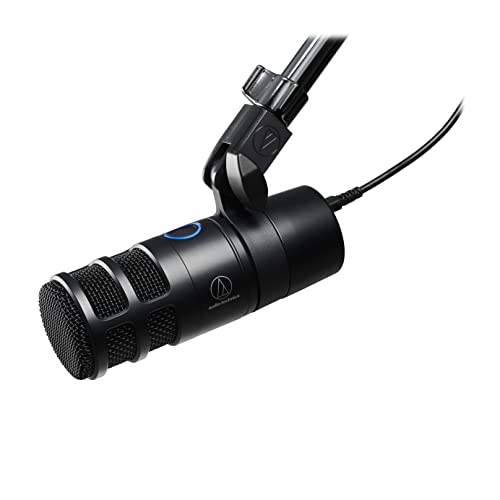


What the AT2040 Is
The AT2040 is a hypercardioid dynamic microphone with an XLR connector. Hypercardioid means the pickup pattern is tighter than a standard cardioid, so it hears your voice at the front and rejects sound from the sides and rear more strongly. Its large diaphragm gives a warm, assertive broadcast sound that is a favorite for podcasting and streaming.
It has an integrated shock mount that reduces vibration from stands and booms, and a multistage foam mesh windscreen that acts as an internal pop filter. Those parts matter because they cut the common sources of unwanted noise without extra accessories.
Why Dynamic Microphones Suit Noisy Rooms
Condenser microphones are sensitive and pick up fine detail, including fans and keyboards. Dynamic microphones are less sensitive and need you close to the capsule, but that makes them better at ignoring everything else in the room.
If you record in a bedroom, an office or a shared space, a dynamic microphone often sounds cleaner than a more expensive condenser because it hears far less of the room.
Sound Quality
The AT2040 sounds warm and clear with a strong center and controlled low end when you speak close to the microphone. Moving a hand span away loses some of that fullness, so use a boom arm and stay close. The microphone is intended for voice, not for capturing delicate acoustic instruments.
What You Need to Run It
Dynamic microphones need clean gain. The AT2040 is not very hot, so use an audio interface or mixer with a good preamp and enough gain. It does not need phantom power. If your interface has weak gain, consider a quieter preamp or an inline booster.
- An XLR audio interface or mixer.
- An XLR cable.
- A boom arm or desk stand.
AT2040USB for Plug and Play
If you want the same idea without an interface, the AT2040USB is a dynamic microphone with a USB output. It makes setup as simple as plugging in a cable and suits streamers who want a noise-rejecting microphone without extra gear.
Alternatives
The Shure SM7B and Shure MV7+ are the classic and the modern dynamic podcast microphones, at higher prices. The Samson Q2U is a cheaper dynamic microphone with USB and XLR outputs. The AT2040 sits in the middle with a clean sound and good built-in noise control.
See our best microphone guide, the blue yeti review and the dji mic mini review for more options.
Strengths and Weaknesses
- Excellent noise rejection and a warm voice sound.
- Built-in shock mount and windscreen.
- Does not need phantom power.
- Needs an interface with good gain.
- You must stay close to the microphone.
Setting It Up for Best Results
Place the microphone about two fingers to a hand span from your mouth, pointing across your lips rather than straight at them to reduce plosives. Raise the interface gain until your voice sits near the middle of the meter, and keep the microphone away from your keyboard and fan.
Keep the same position every session. Dynamic microphones change tone quickly with distance, so a marked arm position or a small piece of tape on the desk makes a consistent sound easy.
Gain, Levels and Processing
Dynamic microphones put out less signal than condensers, so you will use more gain on the interface. Start with the gain low, speak at a normal level and raise it until peaks reach about two thirds of the meter. If you hear hiss when you push the gain high, the preamp is working hard, and a better preamp or an inline booster helps more than a software filter.
A light compressor and a gentle high-pass filter turn a good recording into a polished one. Cut the lowest rumble below the voice, add gentle compression so quiet and loud words sit closer together, and leave a little room in the levels for editing. Keep the processing light so the natural tone of the voice stays intact.
Why Position Matters More Than Price
A budget dynamic microphone used well beats an expensive one used badly. Close placement, a consistent distance and a quiet background do most of the work. Spend an hour trying positions and record a short sample at each, then listen back on headphones and choose the position that sounds fullest without harshness. That simple habit repays itself on every recording afterward.
Care and Buying Notes
A dynamic microphone is rugged and forgiving. Keep the foam windscreen clean, store the microphone in a bag when you travel and avoid dropping it on a hard floor. When you buy, choose a listing that names the microphone as new and note whether it comes with a stand adapter, since the integrated shock mount uses a standard thread that fits most boom arms.
FAQ
Does the AT2040 need phantom power?
No. It is a dynamic microphone and works without it.
Is the AT2040 good for streaming?
Yes. It rejects background noise and gives voices a full, clear sound, and the AT2040USB makes it plug and play.
How does the AT2040 compare with the AT2020?
The AT2040 is a dynamic microphone for noisy rooms and speech. The AT2020 is a condenser for quiet rooms and a wider range of sources.
Can I use it for singing?
It can work for some vocals, but it is designed for speech. A condenser or a studio dynamic microphone is usually a better fit for singing.
Final Verdict
If you record speech in a room that is not perfectly quiet, this audio technica at2040 review says the AT2040 is a smart buy. Pair it with an interface that has enough gain, or choose the USB version for simpler setup, and compare options in the product table.
Prices and availability can change, so check the product page before ordering.


