
Best 10 Year Battery Smoke Detectors: Sealed Batteries and End of Life (2026)
Disclosure: We may earn a commission when you buy through links on this page, at no extra cost to you. As an Amazon Associate I earn from qualifying purchases. Learn more

Homeowners and renters: how sealed batteries, sensor types and replacement dates work when choosing the best 10 year battery smoke detectors.
A smoke detector with a sealed 10 year battery removes one chore: no more chirping at three in the morning and no yearly battery swap. The best 10 year battery smoke detectors are the ones that match your home layout, give clear alerts and show an end-of-life date you can plan around.
This guide explains how sealed-battery alarms work, which sensor types and features matter and how to install and maintain them. It uses general guidance only: always follow the manufacturer's instructions and local fire codes. The product table lists battery-powered alarms from several makers.
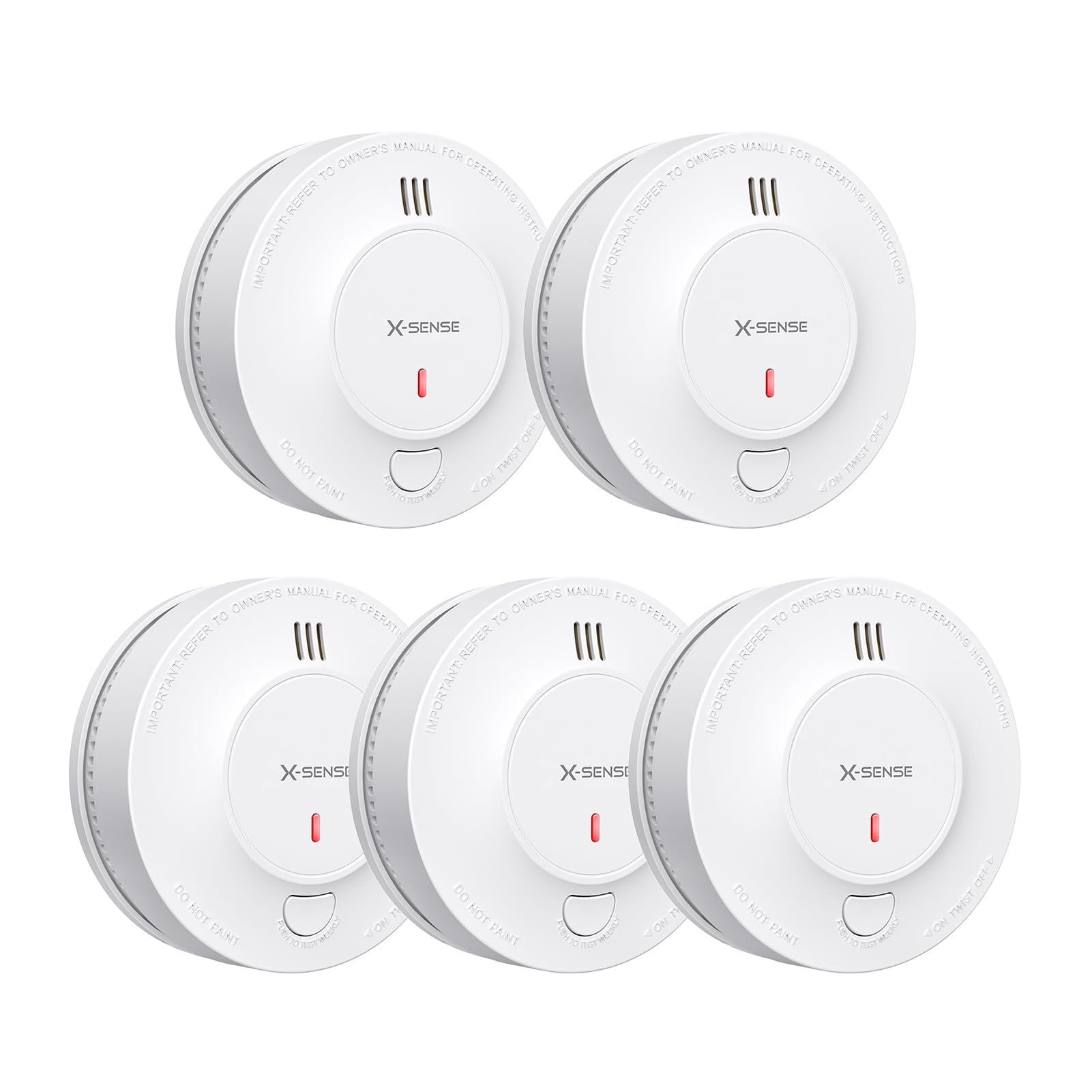
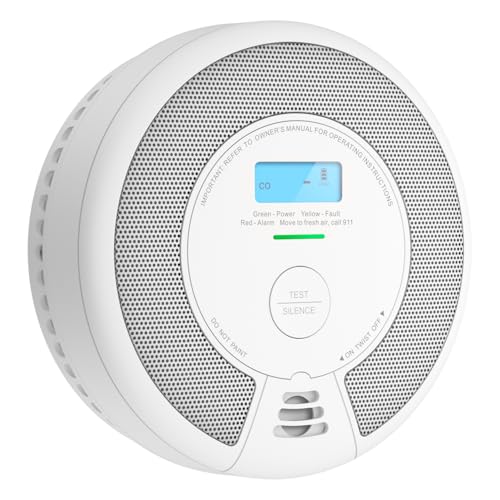
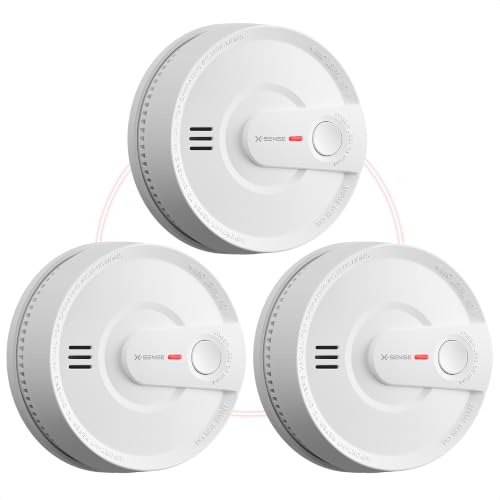
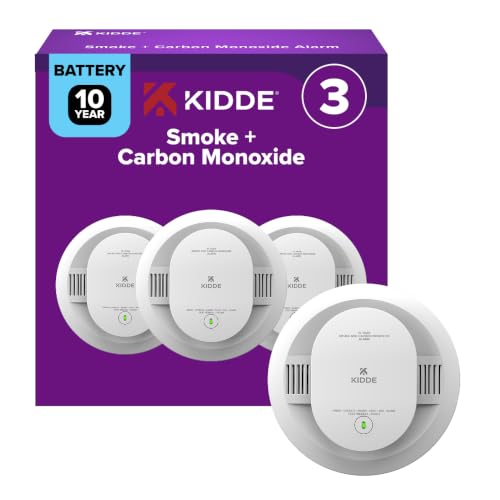
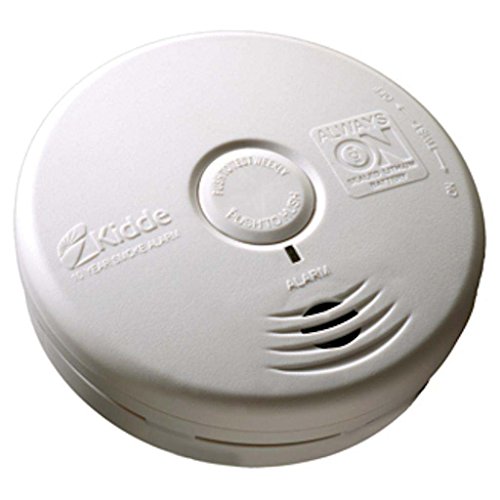
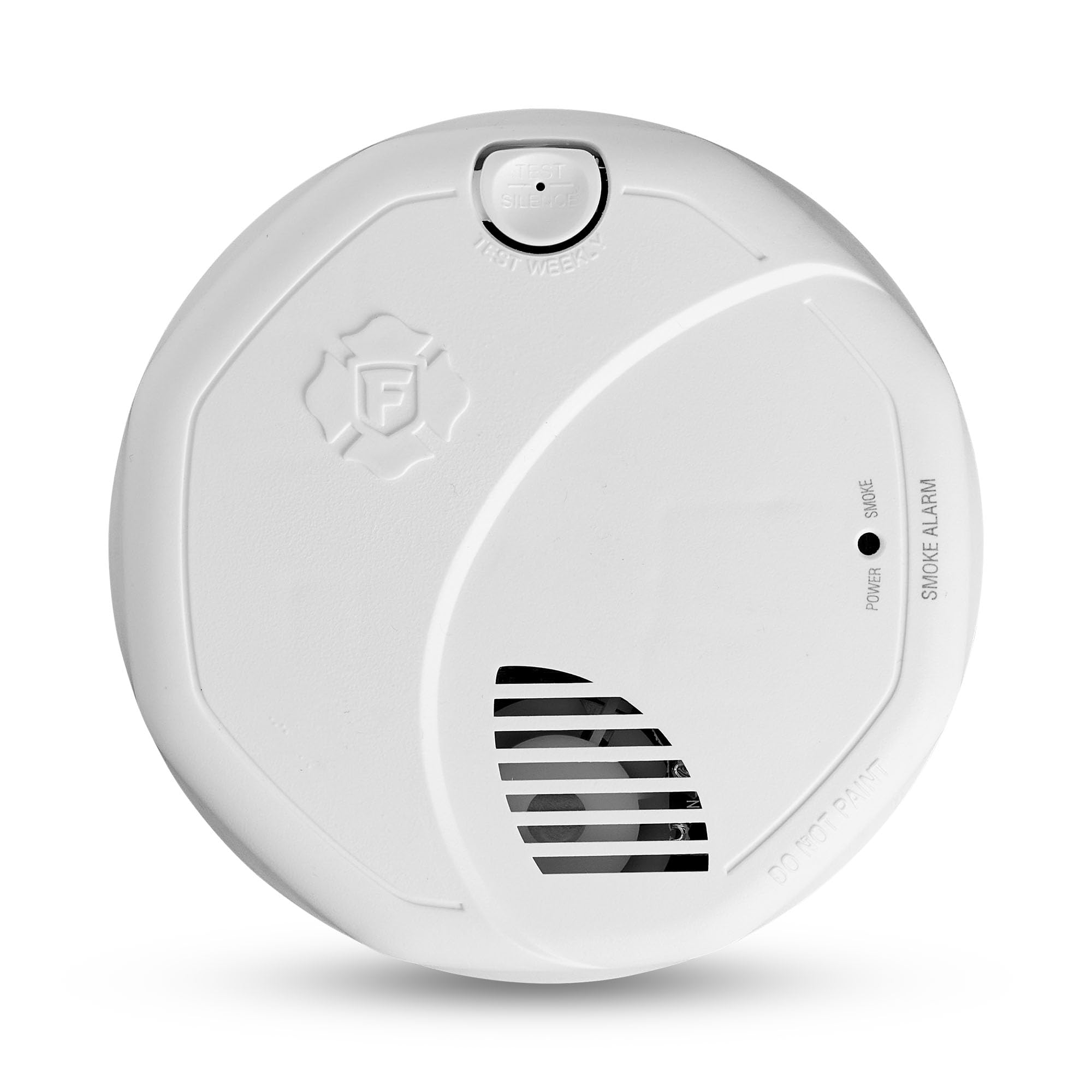


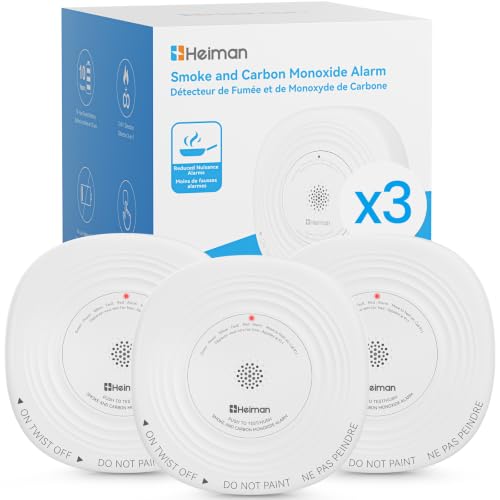
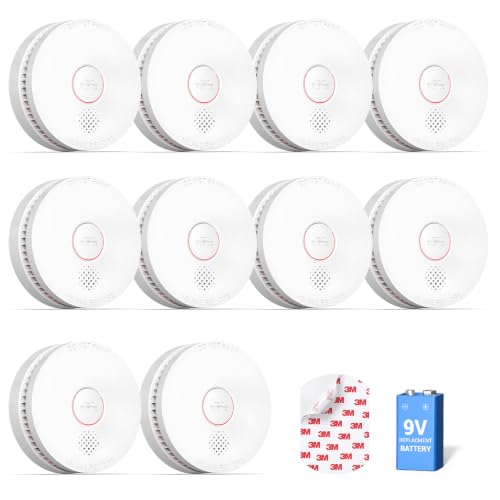
How a 10 Year Sealed Battery Works
The battery is built into the alarm and is not replaceable. It is designed to power the unit for about ten years, after which the whole alarm is replaced. This design prevents people from removing the battery and forgetting to reinstall it. It also means the alarm's end-of-life date is the real deadline for replacement, not the date the battery chirps.
Check the Manufacture Date
Smoke alarms have a limited life even with a battery that lasts. Look at the date printed on the back of the alarm, and replace the unit when the manufacturer says to. Write the install date on the alarm or in your calendar. Many modern models chirp or flash when they reach their end of life.
Sensor Types
- Photoelectric sensors respond well to slow, smoldering fires and tend to produce fewer nuisance alarms near kitchens.
- Ionization sensors respond quickly to fast, flaming fires and are more prone to cooking false alarms.
- Dual-sensor alarms combine both technologies.
Fire safety groups often suggest having both types of protection in a home, either through dual-sensor units or a mix of alarm types. Check the guidance from your local fire department.
Smoke Only or Smoke and Carbon Monoxide
Combination alarms detect smoke and carbon monoxide in one unit. They are convenient for hallways and bedrooms, but the carbon monoxide sensor has its own life span, and some combo alarms expire sooner than smoke-only units. Read the listing to see the replacement date for each sensor.
Interconnected Alarms
Interconnected alarms talk to each other wirelessly, so when one sounds, they all do. This helps in larger or multi-story homes where you may not hear an alarm on another floor. Check how many alarms can link in one group and whether they use a separate hub or link directly.
Features Worth Having
- A silence or hush button that quiets a nuisance alarm temporarily.
- Voice alerts that tell you the location of the alarm.
- A clear test button and status light.
- A smart-home app that notifies you if an alarm sounds when you are away.
- Easy mounting hardware with a lock to deter tampering.
Where to Place Alarms
Follow the maker's instructions. General practice puts an alarm inside each bedroom, outside sleeping areas and on each level of the home, including the basement. Avoid placing alarms directly next to cooking appliances, bathroom doors and vents. Ceiling placement is standard, and the manual explains the correct distance from walls.
Choosing Among the Best 10 Year Battery Smoke Detectors
Pick the sensor type, then decide on smoke only or combination, interconnected or standalone. Check that the alarm carries a recognized safety certification such as UL, and read the listing for the end-of-life date. Prices range from under $20 for a single basic alarm to over $300 for multi-packs with smart features. Buying in packs is often cheaper per alarm.
For related reading, see best batteries for smoke detectors.
Monthly Checks and Maintenance
Press the test button monthly, following the instructions in the manual. Vacuum or gently dust the alarm to keep the sensor chamber clear, and avoid painting or covering it. Replace the alarm if it fails its monthly check or if it is past its end-of-life date. Never remove the battery from a unit with a sealed battery.
Pack Sizes and Whole-Home Planning
Single alarms suit a small apartment, while multi-packs make sense for a house with several bedrooms and floors. Count the rooms that need an alarm before you shop: every bedroom, the hallway outside the bedrooms, the living area and each level, including the basement. Buying a pack with the same model keeps checks and replacement simple, because every alarm shares one set of dates and one set of instructions.
Write the number of alarms and their locations on a note. When the replacement date arrives, you will know how many to buy and where each one goes.
Mounting and Tamper Resistance
Most sealed-battery alarms mount with a bracket that twists onto a plate fixed to the ceiling. Some include a lock that stops children or guests from removing the unit. If you rent, look for alarms that mount with adhesive strips or simple screws that leave small holes. Check the instructions about the distance from corners and walls, since air movement around corners can delay smoke from reaching the sensor.
Nuisance Alarms and the Hush Feature
Steam from a shower and smoke from a toaster are the most common causes of false alarms. A hush button lets you silence the alarm for a short time while the air clears, then the alarm resets itself. Place alarms away from the kitchen and bathroom doors where possible, and use a photoelectric unit near the kitchen if the layout leaves no other option. Never take the alarm down or cover it to stop a nuisance sound.
Record Keeping and Routine
Pick a date each month for an alarm check, and a date each year to check the manufacture dates on the back of every unit. Put both on your calendar with a note listing how many alarms the home has. When one fails, replace it rather than moving a working alarm from another room, so the whole home keeps its coverage.
Frequently Asked Questions
Do 10 year alarms need battery changes?
No. The battery is sealed. You replace the whole alarm at the end of its life.
Is photoelectric better than ionization?
They respond to different fire types. Many safety groups suggest having both kinds of protection.
How often should I test my alarm?
Many makers suggest monthly. Follow the instructions in your manual.
Can I install alarms myself?
Battery models are designed for simple installation. Follow the manual and local requirements.
Final Thoughts
Pick the sensor type, check the end-of-life date and place alarms according to the maker's instructions. The best 10 year battery smoke detectors give years of reliable operation with minimal upkeep. Prices and availability can change, so check the product page before ordering.


