
Best 10 Year Smoke Detectors: Sealed Battery or Hardwired (2026)
Disclosure: We may earn a commission when you buy through links on this page, at no extra cost to you. As an Amazon Associate I earn from qualifying purchases. Learn more

Sealed battery or hardwired with backup? A clear guide to the best 10 year smoke detectors, interconnect choices and replacement dates.
A "10 year" smoke detector can mean two different things: a sealed battery that lasts a decade, or a hardwired alarm with a 10 year backup battery. The best 10 year smoke detectors for your home depend on whether you want to run wires, how many rooms you need to cover and how you want the alarms to communicate.
This guide explains the two designs, the interconnect options and what to check before you buy. It offers general guidance only, so follow the manufacturer's instructions and local requirements. The product table lists both sealed-battery and hardwired alarms.
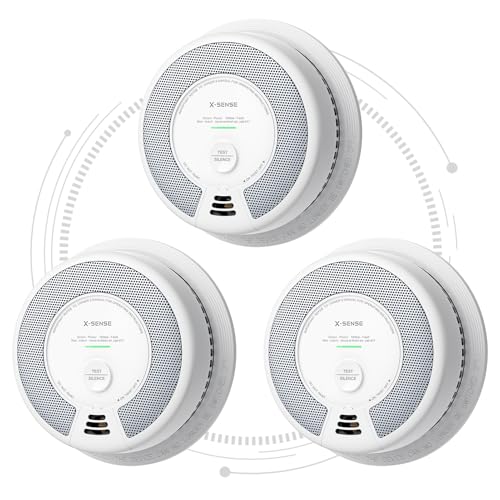

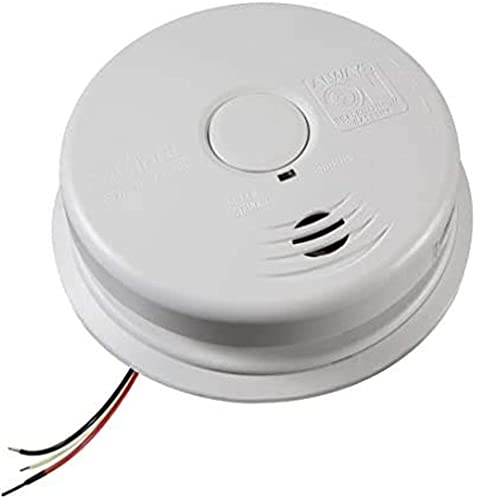
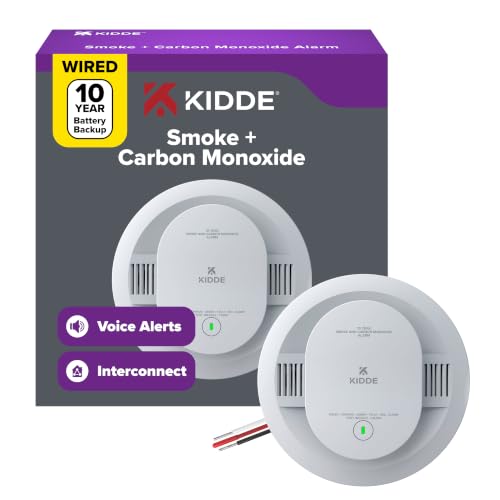


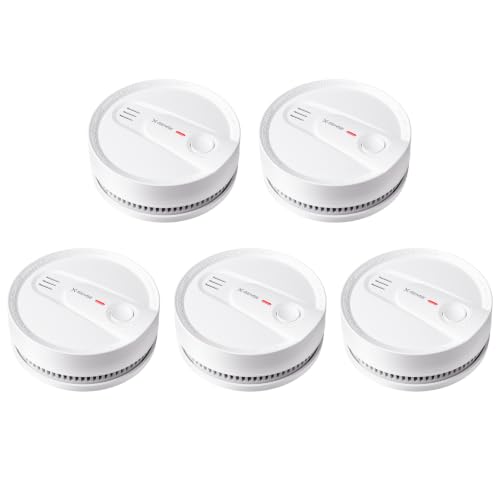
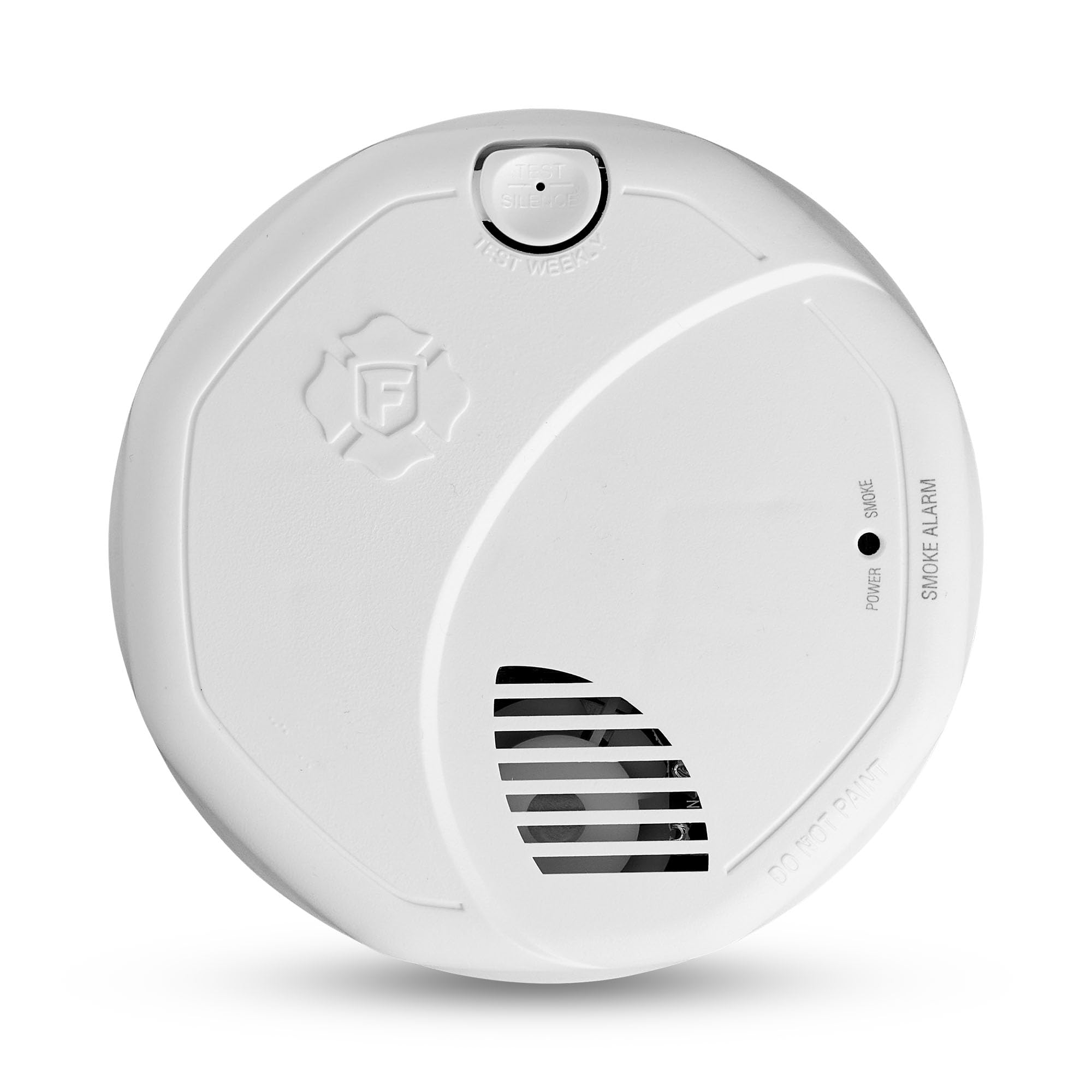
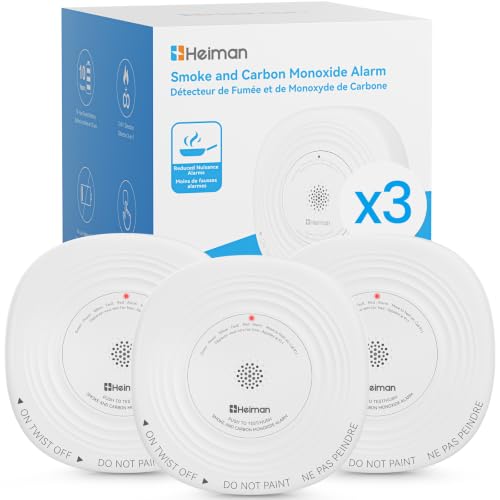
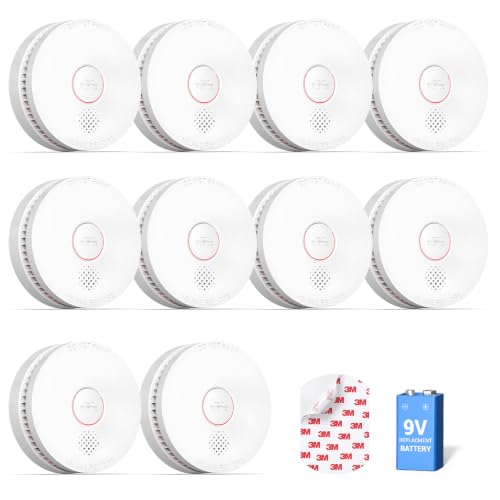
Two Kinds of 10 Year Alarms
A sealed-battery alarm runs only on its built-in battery and installs anywhere with a couple of screws. A hardwired alarm connects to your home's electrical wiring and uses the battery as a backup during outages. Hardwired alarms are common in new construction and replacements for existing hardwired units.
Which Is Right for Your Home?
If your home already has hardwired alarms, replacing them with compatible hardwired models keeps the existing wiring and interconnect. If your home has no wiring in some rooms, sealed-battery alarms are the simple choice. Many homes mix both. Check which models can connect to each other, since different makers use different systems.
Interconnect Choices
- Wired interconnect: alarms connect through a cable and sound together.
- Wireless interconnect: alarms link by radio signals and need no extra wiring.
- Smart-home linking: some alarms send alerts to a phone or work with a hub.
Interconnect helps in larger homes, because every alarm sounds when one detects smoke.
Sensors and Nuisance Alarms
Photoelectric alarms tend to be better placed near kitchens because they react less to cooking fumes. Ionization and dual-sensor units respond differently to fast and slow fires. Look for a hush feature, and place alarms away from steamy bathrooms and cooking vents.
Smoke and Carbon Monoxide Combinations
Combination alarms add carbon monoxide detection. They are convenient, but the carbon monoxide sensor may have a shorter life, so check the replacement date in the listing. Some homes use separate smoke and carbon monoxide alarms to simplify replacement schedules.
Voice and App Features
Voice alerts that name the room or the type of hazard are helpful, especially for children or visitors. Smart alarms notify your phone, which is useful when you are away. These features add cost, and they depend on a working Wi-Fi connection, so keep the basic alarm function independent of the app.
Replacement Dates and Records
Every alarm has a replacement date, often ten years from manufacture. Write the date on the alarm or a calendar and replace units on schedule. Keep the manual and receipt. If an alarm is much older than ten years, replace it even if it still sounds.
Choosing the Best 10 Year Smoke Detectors
Choose the power type and interconnect, then the sensor type and extras. Prices range from under $20 for a single battery alarm to more than $300 for large multi-pack smart sets. Buy alarms that carry a recognized safety certification and come from a maker with clear support. Packs lower the cost per alarm.
For related reading, see best smart smoke detectors and best smoke and co2 detectors.
Installation Notes
Follow the manufacturer's instructions for placement and mounting. Turn off power at the breaker before replacing a hardwired alarm, or ask a qualified electrician. Place alarms on each level and in sleeping areas, away from vents and fans. Press the test button on each alarm after installation.
Mixing Hardwired and Battery Alarms
Many homes have hardwired alarms in the older parts of the house and sealed-battery alarms in additions, garages or basements. Keep in mind that a wired alarm will not link with a wireless alarm from another brand, so decide how each group will warn the other parts of the house. If whole-home alerts matter, choose one family of alarms that can link both ways or use a smart hub that relays signals.
Working With an Electrician
Replacing a hardwired alarm is a simple job for a confident DIY person, but turning off the circuit and checking the wiring is essential. Many people hire an electrician for a whole-house replacement, which is also a good time to add alarms in rooms that lack them. Local rules may require specific alarm types or locations, especially when selling a home or after a renovation, so check what applies where you live.
Price Differences Explained
A single sealed-battery alarm costs very little, while a multi-pack of smart interconnected alarms with voice alerts costs much more. The difference buys convenience: linked alarms, voice messages, phone notifications and a more refined look. For a small home, a simple pack of battery alarms does the job. For a large home, the interconnect and voice features are the part worth paying for.
Reading the Safety Marks
Look for a recognized certification on the alarm and in the listing, such as a UL mark for smoke alarms. The mark means the alarm was evaluated to a published standard, not that it replaces good habits such as keeping an escape plan and checking alarms on schedule. For specifics, follow the manufacturer's instructions and the advice of your local fire department.
Rental Homes and Landlord Rules
If you rent, check the lease and local rules before you swap alarms, because some landlords handle alarms themselves. Battery alarms are a simple, removable option in many rentals. Keep the receipt and the manual, and let the landlord know when you replace a unit.
Frequently Asked Questions
What does 10 year mean on an alarm?
It can mean a sealed battery that lasts ten years or a backup battery for hardwired alarms. Read the listing to see which.
Can I replace a hardwired alarm with a battery alarm?
You can, but you lose the wired interconnect. Check local requirements and the manual.
How many alarms do I need?
Follow the manual and local guidance. A common practice is one in each bedroom, outside sleeping areas and on each level.
Do alarms expire?
Yes. Replace them at the date the maker states.
Final Thoughts
Decide between sealed battery and hardwired, check the interconnect and write down the replacement date. The best 10 year smoke detectors keep working quietly for years and give you clear warnings when it counts. Prices and availability can change, so check the product page before ordering.


