
Best 100 Watt Speakers for Every Need: What 100 Watts Really Means (2026)
Disclosure: We may earn a commission when you buy through links on this page, at no extra cost to you. As an Amazon Associate I earn from qualifying purchases. Learn more

Bookshelf pairs, portable Bluetooth boxes or PA speakers: how to read the watt figure and choose the best 100 watt speakers for your room and your source.
One hundred watts means very different things depending on the speaker. On a bookshelf pair it describes the amplifier power the speakers can accept, on a portable Bluetooth unit it is the built-in amp, and on a PA speaker it is the output of the powered cabinet. The best 100 watt speakers are the ones whose type matches the room and the job.
This guide sorts the main types, explains how to read the watt figure, and lists the checks that keep you from buying a speaker that looks right on paper but does not fit your setup. The product table gives you a mix of types to compare.




What 100 Watts Actually Tells You
A watt rating is about power handling or amplifier output, not loudness on its own. Loudness also depends on sensitivity, which says how efficiently a speaker turns power into sound. A speaker with high sensitivity can play louder from fewer watts than a less efficient model.
When a listing says 100 watts, find out whether it means peak or continuous (RMS) power and whether it refers to one speaker or the pair. That one question explains many surprises after delivery.
Passive Bookshelf Speakers
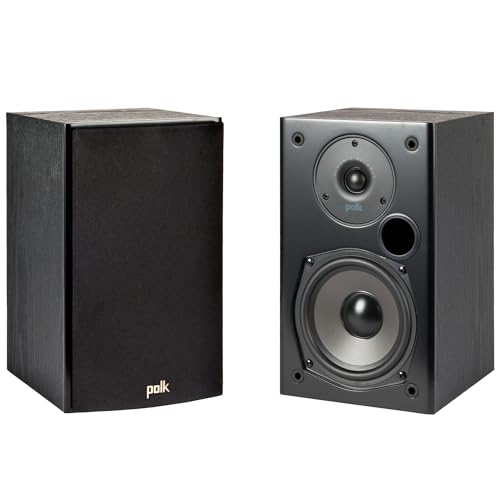
A passive pair rated for 100 watts needs a receiver or amplifier. They suit living rooms, bedrooms and small studios. A pair like this works well for music, movies and gaming when paired with a receiver that has enough power but does not strain.
Check the impedance and make sure your receiver supports it. Check the size, too, because bookshelf speakers need shelf depth and a stand or wall mount for good sound.
Portable Bluetooth Speakers
A rugged portable unit with a 100 watt amp is meant for a patio, a campsite or a pool. Look for water resistance, a battery that lasts through an afternoon and a strap or handle. Some also accept a microphone, which turns them into a small karaoke box.
Do not expect studio-grade accuracy. These speakers are built for loud, fun sound in open spaces, and they win on convenience.
Powered Studio and Desktop Monitors
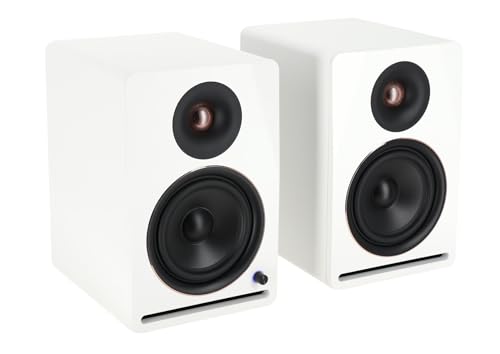
Desktop and studio monitors with built-in amps combine a pair of speakers and the power in one setup. They sit close to your ears, so 100 watts of total power is more than enough for most desks. Look for balanced inputs if you work with audio gear, or Bluetooth if you stream from a phone.
PA and Car Audio Options
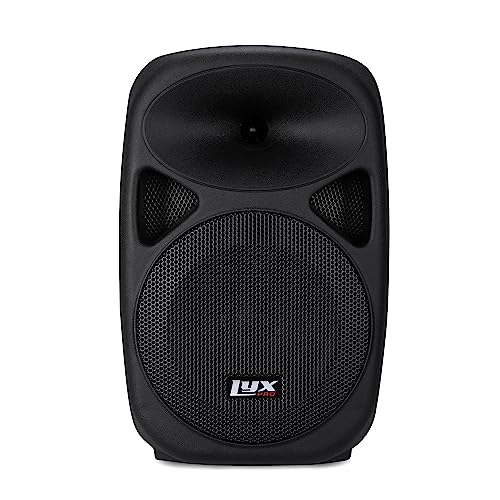
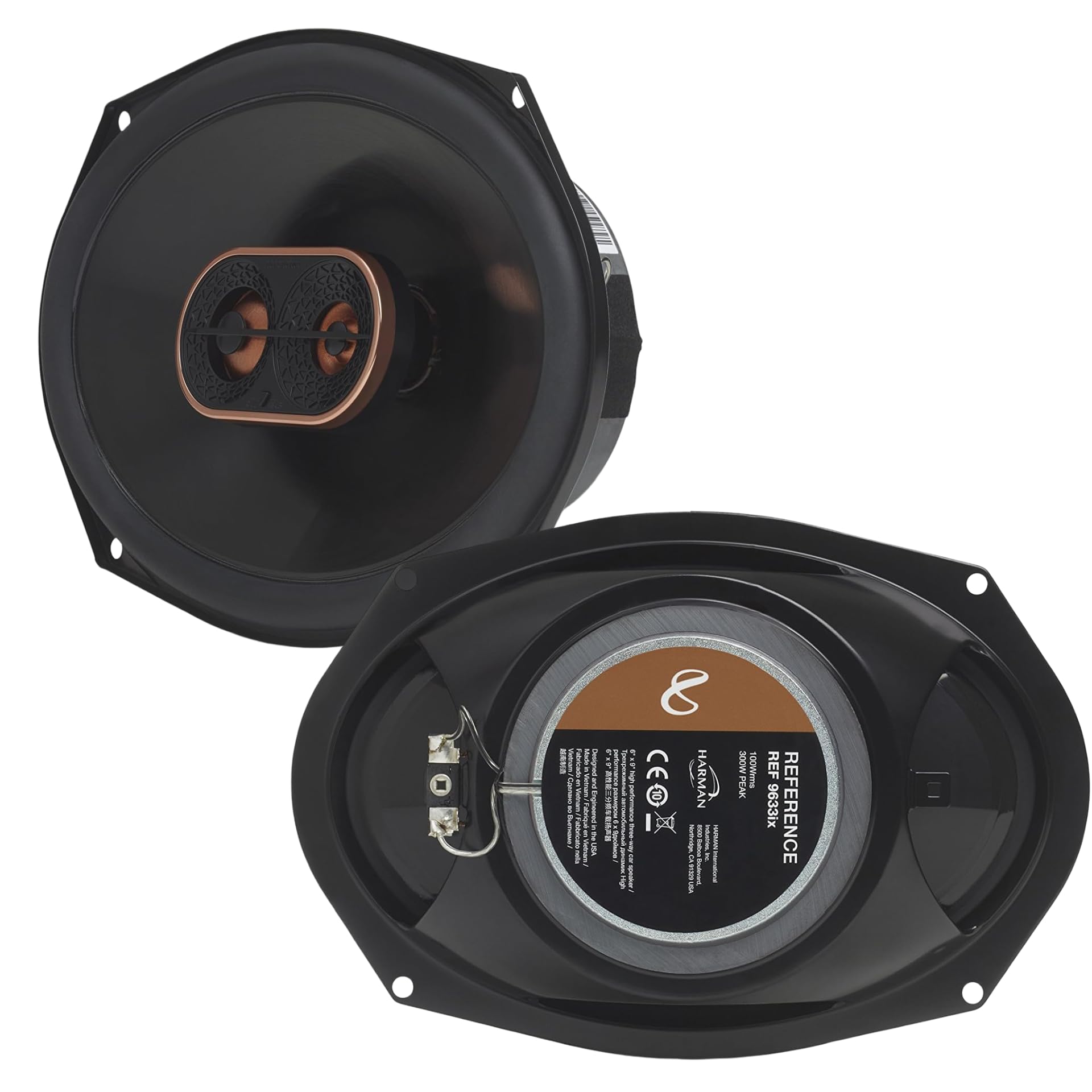
Portable PA speakers rated near 100 watts RMS are common for karaoke, small shops and classrooms. They tend to include microphone inputs and a simple mixer. Car coaxial speakers carry a 100 watt RMS rating per pair, but they need a head unit or amplifier and a proper mounting hole, so check the size and the fit for your vehicle first.
How to Choose Among the Best 100 Watt Speakers
- Decide the room: a desk, a living room, a patio or a stage.
- Choose active or passive. Active needs only a wall outlet; passive needs a matched amp.
- Check inputs against your devices: optical, HDMI ARC, Bluetooth, XLR or aux.
- Read the size and weight, especially for wall or shelf placement.
- Compare warranty length and return terms.
Prices span a wide range, from under $100 for compact party speakers to several hundred dollars for a well-built bookshelf pair or a rugged outdoor unit.
Matching the Speaker to Your Source
A TV is the most common source for a bookshelf pair. If your TV has only an optical or HDMI ARC output, you need a receiver or a soundbar-style amp to feed passive speakers, whereas powered desktop monitors usually take a simple analog or Bluetooth connection. Game consoles and laptops work best with whichever digital or analog output the speaker actually has, so check the back panel before you commit.
For outdoor and party use the source is usually a phone. That makes Bluetooth range and codec support more useful than a long list of wired inputs, though a headphone-style aux cable remains a reliable fallback when the signal gets crowded.
Budget Expectations
At around the $100 mark you can find compact powered speakers and portable party units. Between about $150 and $400 sit well-regarded bookshelf pairs, rugged outdoor speakers and compact studio monitors. Above that, you are paying for finer drivers, better cabinets or professional features. A modest speaker in a well-treated room often beats a pricey one in a bad position, so put some budget toward stands or a rug if the room echoes.
Placement for Better Sound
Place bookshelf speakers at ear height, with the tweeters aimed slightly toward your seat. Leave some space behind them so the bass does not boom. For portable units, raise them off the ground and keep them out of full sun to protect the battery.
If you are shopping on a tight budget, see best speakers under 100. For the bigger picture of power needs, read best watts for speakers.
Warranty and Returns
Speakers are easy to compare on paper and easier to judge at home. Keep the packaging for the first couple of weeks, play familiar music at several volumes, and check for buzzing, a weak channel or a loose grille. A clear return window turns a poor fit into a simple exchange.
Frequently Asked Questions
Is 100 watts loud?
For a room, yes. A well-matched 100 watt system can be louder than most people want indoors, and efficiency matters as much as the watt number.
Do I need a receiver for 100 watt speakers?
Only for passive speakers. Powered, portable and Bluetooth models include the amplifier and just need a source.
Can a 50 watt amp drive 100 watt speakers?
Yes, and it is safe as long as you avoid clipping the amp at high volume. Distortion from an overdriven small amp can harm a speaker more than extra power would.
Are 100 watt speakers good for outdoor use?
Only if they are built for it. Look for a stated weather or water rating, a sealed cabinet and a sturdy handle.
Final Thoughts
Treat the watt figure as a starting filter, then choose by type, inputs and build. The best 100 watt speakers for you are the ones that fit your room and your devices, not just the ones with the biggest number on the box. Prices and availability can change, so check the product page before ordering.


