
Best 1080p Outdoor Security Cameras: Power, Weather and Alerts (2026)
Disclosure: We may earn a commission when you buy through links on this page, at no extra cost to you. As an Amazon Associate I earn from qualifying purchases. Learn more

Homeowners watching doors and driveways: how to choose the best 1080p outdoor security cameras by power type, weather rating, night vision and storage.
Outdoor cameras face rain, heat, dust and wandering insects, so they need more than a sharp picture. The best 1080p outdoor security cameras add weather resistance, reliable night vision and sensible alerts, and the right choice depends on whether you want wire-free convenience, a floodlight or a full recording system.
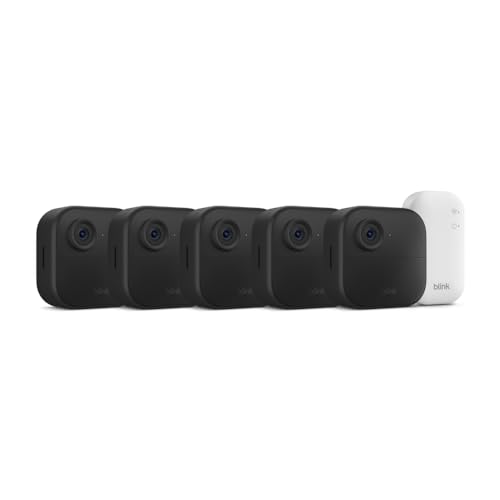
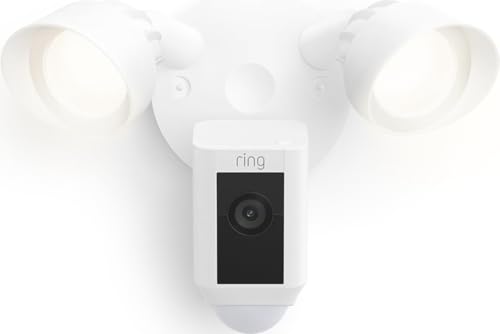
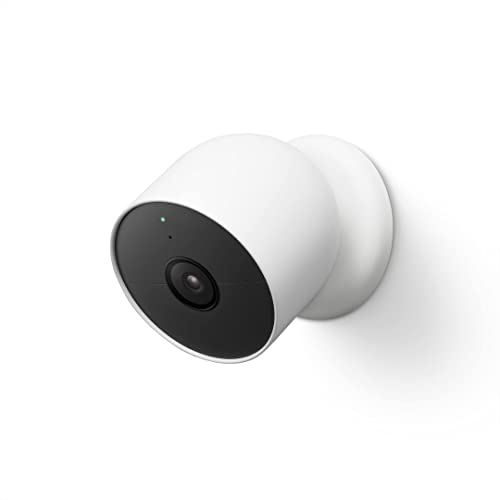
This guide covers the main outdoor camera types and the checks that avoid regrets after installation. The product table lists battery cameras, wired cameras, floodlight cameras and a multi-camera recording system.



Battery, Wired or System?
Battery cameras mount anywhere in minutes and need recharging or battery changes every few weeks to months, depending on traffic. Wired cameras use a power cable for continuous operation and are better for busy areas. A multi-camera recording system uses a recorder in your home and wired cameras, giving 24/7 recording and no monthly fee.
What 1080p Does Outdoors
Full HD is good for doorsteps, driveways and small yards. Details fade with distance, so place cameras near the area you want to watch. For long driveways or large yards, consider higher resolution or more cameras.
Weather and Build
Look for an ingress protection rating such as IP65 or IP67, which describes protection against dust and water. Cameras with a rating are designed for rain, but placing them under an eave extends their life. Check the operating temperature range for your climate, especially if winters are cold.
Night Vision and Lighting
- Infrared night vision gives a black-and-white image and works without visible light.
- Color night vision uses a small light or ambient light for a color picture.
- Floodlight cameras light the area and capture clear video, and they also deter intruders.
- Placement matters: avoid pointing a camera at a bright lamp or through a window.
Smart Alerts
A camera that sends an alert for every moving leaf will annoy you. Look for person detection, adjustable motion zones and a sensitivity setting. Some cameras offer person detection without a subscription, while others charge for it. Read the plan details before you buy.
Storage and Subscriptions
Cameras may record to a microSD card, a hub, a recorder or the cloud. Local storage avoids monthly fees but can be lost if the camera is stolen. Cloud storage costs more over time but keeps video safe. A recorder system holds weeks of video on a hard drive. Choose the model that suits your comfort with fees and risks.
Wi-Fi and Installation
Wi-Fi cameras need a strong signal at the mounting spot, so check with your phone before drilling holes. A mesh network or an extender can help. For wired power, plan the cable path and use weatherproof connectors. Mount the camera at about eight to ten feet and angle it down to reduce glare and tampering.
Privacy and Legal Notes
Point cameras at your own property, not at a neighbor's windows or yard. Be aware of local rules about recording audio and about posting signs. Use strong passwords and two-step verification, and keep the firmware updated.
Choosing the Best 1080p Outdoor Security Cameras
Pick the power type and the storage plan first, then compare night vision and alerts. Prices range from around $40 for basic battery or wired cameras to $400 for multi-camera recording systems. Consider how many cameras you need and whether a system or single units fit your property.
For related reading, see best wireless outdoor security cameras and best 1080p security cameras.
Where to Mount an Outdoor Camera
Mount the camera at a height that covers the area but is hard to reach, usually eight to ten feet, and tilt it slightly down. Place it under an eave or soffit to reduce rain on the lens and glare from the sun. Avoid pointing it at a bright porch light or through glass, which creates reflections. Cover the doors, the driveway and the paths that lead to the back of the house first, and add cameras for less obvious spots later.
Power Planning
For a battery camera, choose a spot you can reach for recharging, or add a solar panel if the model supports it. For a wired camera, plan how the cable reaches the power source and seal any holes through the wall with outdoor-rated caulk. For a floodlight camera, turn off the breaker before wiring and follow the instructions, or hire a licensed electrician.
Cold, Heat and Maintenance
Batteries drain faster in cold weather, so expect shorter run times in winter. Heat can trigger shutdowns in direct sun. Clean the lens with a soft cloth, clear cobwebs and check the mount after storms. Update firmware when the maker releases it.
Warranty and Return Window
Use the first weeks to watch how the camera performs in real weather, how many false alerts it sends and how the app handles delays. If the camera cannot keep a stable connection at the mounting spot, return it and try another model or add a Wi-Fi extender.
Sirens, Lights and Two-Way Audio
Many outdoor cameras include a siren, a spotlight or two-way audio. A siren and a light can startle someone near the door, and two-way audio lets you speak to a delivery driver while you are away. These features are useful but they are not a replacement for sensible locks and good habits. Check how loud the siren is, whether the light is color or white and whether audio is clear in the app.
Compare Alert Speed
An alert that arrives thirty seconds late helps little. Read buyer comments on how quickly the notification appears and how long the camera takes to wake from sleep. Battery cameras often take longer to start recording than wired ones, which can mean the first second of an event is missed.
Frequently Asked Questions
Do outdoor cameras need Wi-Fi?
Wi-Fi models do. Recorder systems use cables to a recorder at home, with Wi-Fi only for remote viewing.
How long do battery cameras last?
Months in light use, shorter in busy areas. Maker claims are best-case.
Are floodlight cameras better?
They give clear color video and deter some intruders, but they need wiring or a bright power source.
Can I install cameras myself?
Many can be installed by following the instructions. Hire a professional for hardwired electrical work.
Final Thoughts
Match the power and storage to your home, and place cameras where the picture counts. The best 1080p outdoor security cameras stay reliable in bad weather and give you useful alerts. Prices and availability can change, so check the product page before ordering.


