
Best 12 Inch Active Speakers: Active Speakers for Monitors, DJs and Live Sound for 2026
Disclosure: We may earn a commission when you buy through links on this page, at no extra cost to you. As an Amazon Associate I earn from qualifying purchases. Learn more

Active means the amplifier lives inside the cabinet. See how the best 12 inch active speakers handle bi-amping, monitoring and a quick setup.
Active speakers have one or more amplifiers inside the cabinet, matched to the drivers by the maker. That match is the main reason many sound engineers prefer them: less to carry, fewer cables and a system that is protected from user errors. This guide to the best 12 inch active speakers explains the design choices, the features that suit different uses and a few setup habits that make them sound better.
The table above lists current models, from budget cabinets to pro-grade loudspeakers. Read the notes below to decide which kind suits your work.


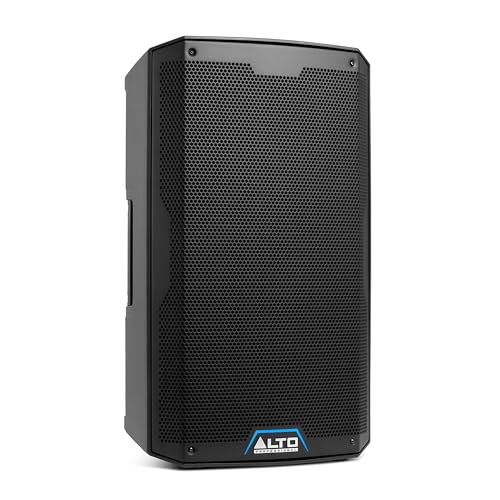


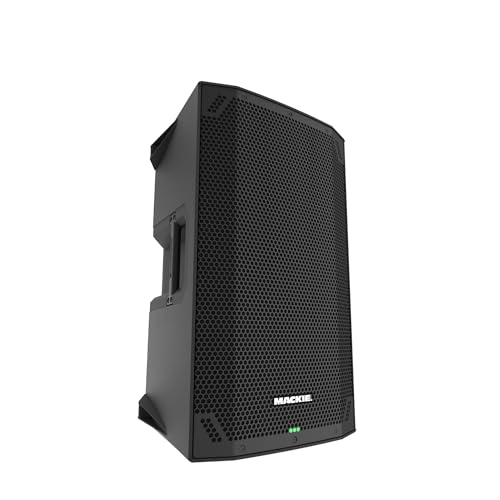
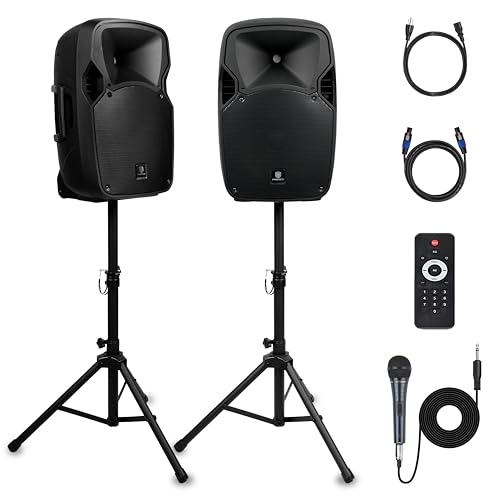
What Active Means
In a passive system, you buy speakers, a separate amplifier and speaker cables, and you match them yourself. In an active speaker, the amplifier is designed for the drivers and includes processing that protects them. You connect a mixer or a source with a line cable and plug the speaker into the mains.
The cost of this convenience is that each active speaker needs its own power connection, and if the amplifier fails, you cannot swap it independently.
Bi-Amped and Single-Amp Designs
Better active speakers use two amplifiers, one for the woofer and one for the high-frequency driver, with a crossover before the amplifiers. This gives cleaner sound at high levels because each driver gets power tuned to its job. Single-amp models are simpler and cost less, and they work fine at moderate volume.
Check the listing for how many amplifier channels the speaker has, and whether it uses efficient class D designs that keep weight low.
How to Choose the Best 12 Inch Active Speakers
Inputs and Mixer Features
Look for XLR and quarter-inch inputs, a combo microphone input and a link output. A built-in two-channel mixer helps small acts, while pro speakers leave mixing to a separate console.
Monitor Angle
Some cabinets have a second angled side so the speaker doubles as a stage monitor that points up toward the performer. If you plan to use one speaker for both main and monitor duty, check for that feature.
Equalizer and Presets
Presets for main, monitor, speech and music make setup fast. A basic bass and treble control is enough for many users, while advanced processing gives engineers more control.
Frame and Finish
Plywood and strong plastic are both used. Plastic cabinets are light and affordable, while wood is sturdier and sounds a bit more solid. Check the corners and the grille, which take the knocks.
Wireless and Streaming
Bluetooth is useful for playing background music, and some models include wireless receivers for microphones. Use wired connections for live performances.
Coverage and Rigging
Look for the stated coverage angles and for threaded points for rigging if you plan a fixed installation.
Choosing by Use
- Solo performers and duos: a compact cabinet with a built-in mixer and a microphone input.
- DJs: a clean, powerful sound, a pole mount and a headphone-friendly mixer connection.
- Bands: bi-amped cabinets with solid handling and a monitor angle.
- Schools and clubs: dependable speakers with simple controls and protection from misuse.
Signal Flow in Simple Terms
The signal begins at a microphone or an instrument, passes through a mixer that sets levels and tone, then goes to the active speaker, where the built-in amplifier boosts it. Use the speaker's level control only to match its input with the mixer output. Set the mixer's master level so the speaker's signal light shows a healthy signal without clipping.
Getting a Better Sound
Raise the speaker on a stand, away from walls, and aim it at the listeners. Use the high-pass filter on microphone channels to remove rumble. Keep cables tidy and balanced, and avoid running them next to power cables.
When the sound is muddy, cut some low-mid frequencies rather than adding treble. Gentle moves with the equalizer work better than big ones.
Using an Active Speaker as a Floor Monitor
A monitor lets performers hear themselves. Set the cabinet on its angled side so it points up at the singer, and keep it between the performer and the audience, not behind the microphone. A separate mix from the mixer, sent to the monitor only, prevents the audience from hearing the same level. Keep the monitor level just high enough to be useful, because a loud monitor raises the risk of feedback and tires the performer.
Reading Specification Sheets
Look for frequency response, maximum sound pressure level, power amplifier type and coverage angles. A frequency response that begins lower tells you the speaker plays deeper bass, but check the tolerance in decibels, because a wide tolerance flatters the number. Weight and dimensions tell you how easy the speaker is to handle. Finally, check the warranty and whether the maker lists a service network, since a loudspeaker with a failed amplifier is useless on a gig day.
Care and Handling
Let the speaker cool before you pack it away. Transport it in a padded cover and avoid dropping it. Check the power cable and the connectors regularly.
Keep drinks away from the amplifier panel. In humid or dusty places, wipe the grille with a dry cloth.
12 Inch Active Speakers: Your Questions Answered
Are active speakers better than passive ones?
They are easier to set up and are matched to their amplifier. Passive systems offer flexibility in choosing the amplifier but need more cables and knowledge.
Do I need a separate amplifier?
No. An active speaker has its amplifier inside.
Can I use active speakers for monitoring?
Yes, if the cabinet has a monitor angle or you tilt it on a stand or the floor.
How loud will a 12-inch active speaker go?
It depends on the model. Check the maximum sound pressure level in the specifications, and compare it with the size of your venue.
Final Thoughts
Active designs make good sound easy. The best 12 inch active speakers pair the right amplifier design with solid construction and inputs that fit your gear. Compare the models in the table above and choose the one that suits your venue and the way you work.


