
Best 12 Inch Midrange Speakers: Pro Audio Midrange Drivers for Cabinets and Upgrades for 2026
Disclosure: We may earn a commission when you buy through links on this page, at no extra cost to you. As an Amazon Associate I earn from qualifying purchases. Learn more

Midrange drivers carry voices and instruments. Learn how to choose the best 12 inch midrange speakers by sensitivity, power, enclosure and use.
A 12-inch midrange speaker is a driver, not a finished loudspeaker: a cone and a voice coil designed to reproduce voices, guitars, horns and the body of music, usually between the low bass and the high treble. It goes into a custom cabinet, a horn, a PA speaker repair or a car or home audio project. This guide to the best 12 inch midrange speakers explains what to look for and how to avoid common mistakes.
The table above lists current 12-inch midrange drivers from pro audio and car audio makers. Read the notes below to match one to your project. Picking among the best 12 inch midrange speakers means reading datasheets, not only titles.

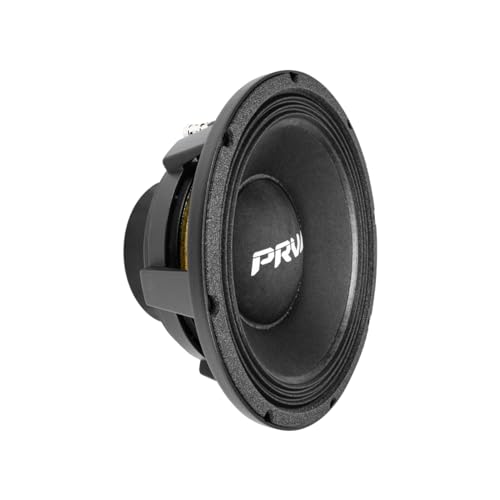
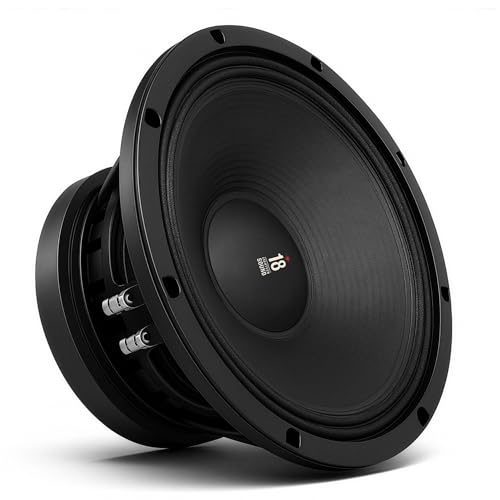

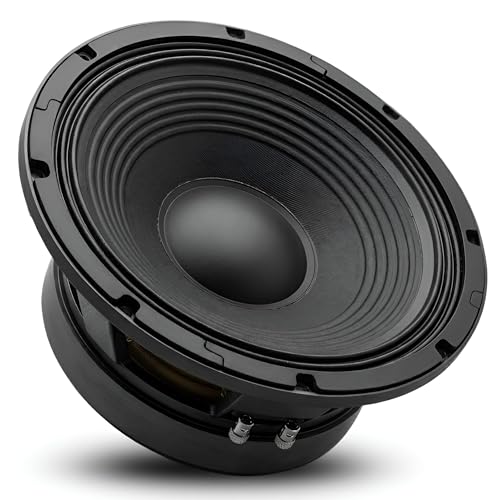
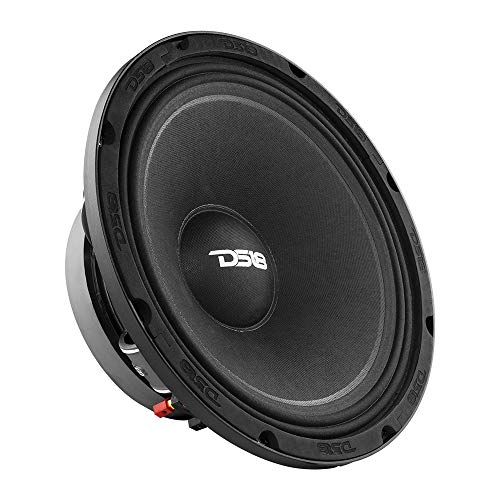

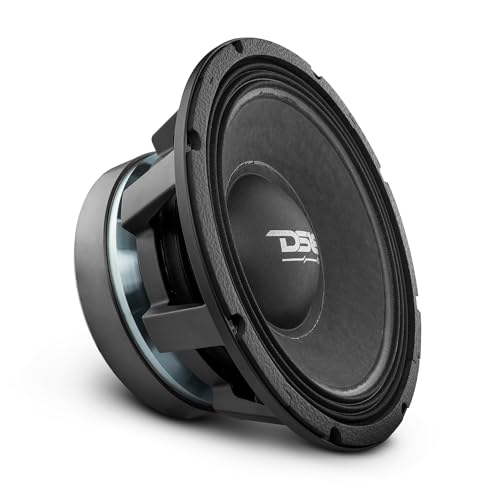
What a Midrange Driver Does
The midrange covers the frequencies where most of the music and speech lives. A good midrange driver is efficient, responds quickly and stays clear when played loud. In a two-way PA cabinet, a 12-inch woofer covers lows and mids. In a three-way system, a dedicated midrange driver handles the mids so the woofer can focus on bass.
A 12-inch midrange offers a strong, punchy presence in the midrange and is popular in pro sound and in competition car audio, where high output matters.
Specifications That Matter
Sensitivity
Sensitivity tells you how loud the driver plays with a standard input power, measured in decibels. A higher figure means a louder driver per watt, which is important for live sound. A difference of a few decibels is noticeable.
Power Handling
Look at continuous power, called RMS, rather than the largest figure. Peak or maximum power claims are marketing numbers. Make sure your amplifier delivers cleanly within the driver's RMS rating.
Impedance
Drivers are rated in ohms, commonly four or eight. Match the driver impedance to your crossover and amplifier. Series and parallel wiring change the load, so plan your wiring.
Frequency Range
A midrange driver works best in a limited band. Check the usable range and the recommended crossover points, and plan your crossover accordingly. Using a midrange below its range damages the driver.
Voice Coil and Build
A larger voice coil handles more power and heat. Look at the basket material, cone material and the surround. Steel baskets are sturdy and cast aluminum baskets dissipate heat well.
Choosing by Project
- PA speaker upgrade or repair: match the original impedance and size.
- A new three-way cabinet: choose a driver recommended for midrange duty with a defined range.
- Horn-loaded midrange: look for a driver designed for horn use with high sensitivity.
- Car audio project: choose a driver designed for high output and the enclosure space available.
- Guitar and instrument cabinets: choose a driver that suits the tone you want, and check the manufacturer's notes.
Enclosure and Crossover Planning
A midrange driver needs a sealed or ported cabinet of the right size, or a horn. The maker's datasheet gives the recommended volume and tuning. A wrong enclosure changes the sound and can damage the driver.
Use a crossover that filters bass below the driver's range and highs above it. Use a protective fuse or limiter if your amplifier is powerful.
If you are not comfortable designing a cabinet, choose a model with published plans or buy a finished loudspeaker.
Installing and Wiring
Check polarity when you connect drivers so they move in the same direction. Use proper speaker cable, tighten the terminals and seal the driver gasket. Mount the driver with all bolts and avoid overtightening. Break in the driver at moderate level for a while.
Pro Audio Versus Car Audio Midrange Drivers
Pro audio drivers are designed for live sound: high sensitivity, strong cones and sturdy baskets, and they are often used with horns in a cabinet that sits on a stand or a stage. Car audio midrange drivers are designed to play at high levels in a small space, with different mounting patterns and often with lower impedance. A driver made for a PA cabinet can work in a car project, but you have to plan the enclosure and the mounting. Read what the maker says about the intended use and buy for that purpose.
Reading Datasheets Like a Builder
A good datasheet lists parameters such as resonant frequency, equivalent volume and mechanical factors. These numbers let you model a cabinet in free design software. If a listing only shows power and size, you will have to rely on general guidance, and your results will vary. For serious builds, choose a driver with a full datasheet.
Check the mounting dimensions as well: the cutout size, the number and position of bolt holes and the depth of the driver. A driver that will not fit your baffle is a costly mistake.
Ratings and Marketing Numbers
Many drivers list very large wattage numbers, often a peak or maximum figure that is several times the continuous rating. Use the RMS figure for your amplifier choice. Be careful when two drivers with similar prices list very different power ratings, because the higher number may only reflect how the rating was measured.
Care and Troubleshooting
If the sound is distorted at low volume, check wiring and the crossover before blaming the driver. A buzzing noise may come from loose bolts, a damaged cone or a leaking enclosure. Keep drivers dry and away from direct sun. Protect them from overdriving, since a clipped amplifier signal damages voice coils.
12 Inch Midrange Speakers: Your Questions Answered
Is a midrange driver the same as a woofer?
No. A woofer is designed for low frequencies, and a midrange driver is designed to play higher mids. Some drivers do both in two-way systems.
Can I use a midrange speaker without a crossover?
Not safely. You need a crossover to protect the driver from low frequencies it cannot handle.
What is the best impedance?
Match what your amplifier and crossover need. Four and eight ohms are both common.
How much power do I need?
Match the amplifier power to the driver's RMS rating, and leave headroom to avoid clipping.
Final Thoughts
A midrange driver is a component that gives its best in the right cabinet with the right crossover. The best 12 inch midrange speakers combine high sensitivity, honest power ratings and a build that suits your project. Compare the models in the table above and read the datasheet before you plan the enclosure.


