
Best 12 Inch PA Speakers: Passive and Powered PA Speakers for Bands and Events for 2026
Disclosure: We may earn a commission when you buy through links on this page, at no extra cost to you. As an Amazon Associate I earn from qualifying purchases. Learn more

Passive pair or powered cabinet? Compare the best 12 inch PA speakers by amplification, bundles, portability and the venue they suit.
The 12-inch PA speaker is the standard working loudspeaker: it fits in a car, suits a band, a DJ or a speaker at a lectern and goes from a living room rehearsal to a wedding. This guide to the best 12 inch PA speakers explains how passive and powered designs differ, what comes in packages and how to get coverage right.
The table above lists both powered cabinets and passive models, plus combo sets that include stands and cables. Use the sections below to decide which route suits you.
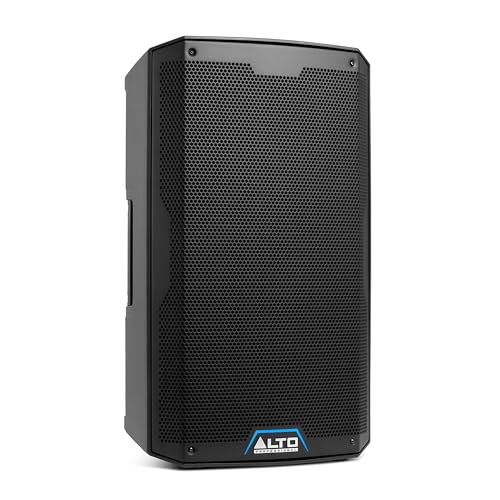

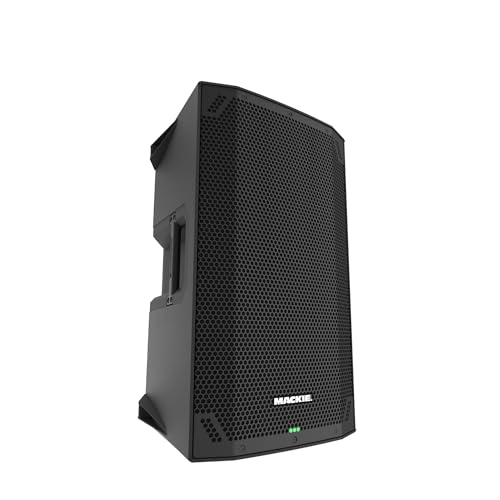


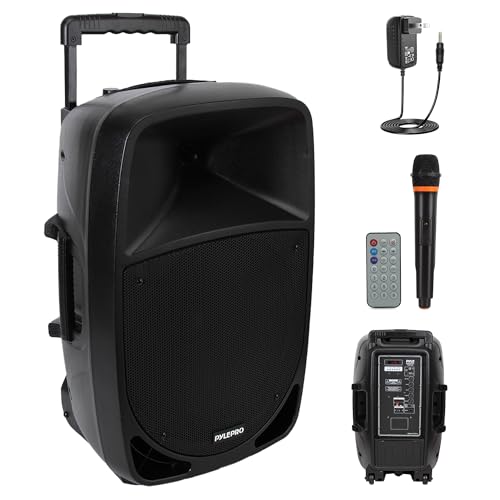
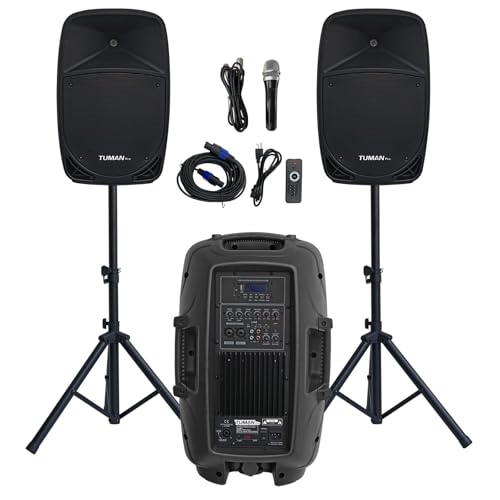
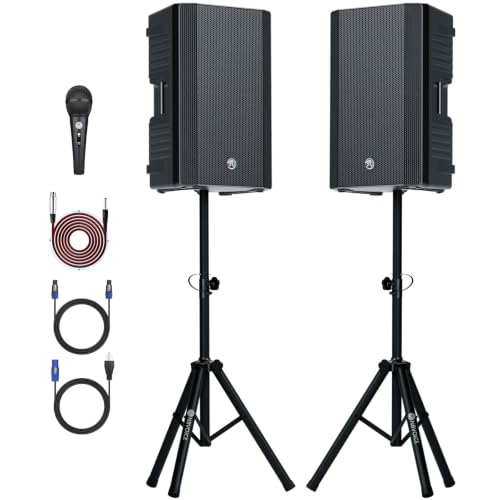
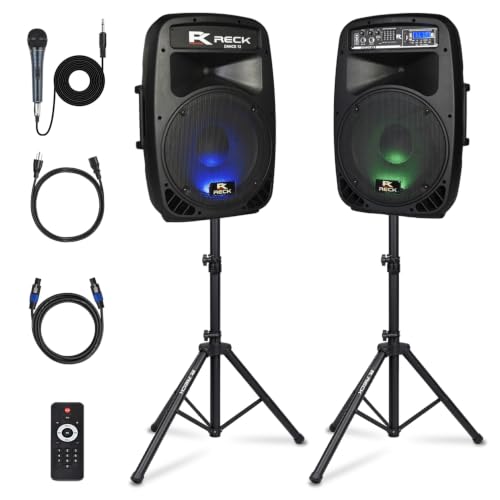
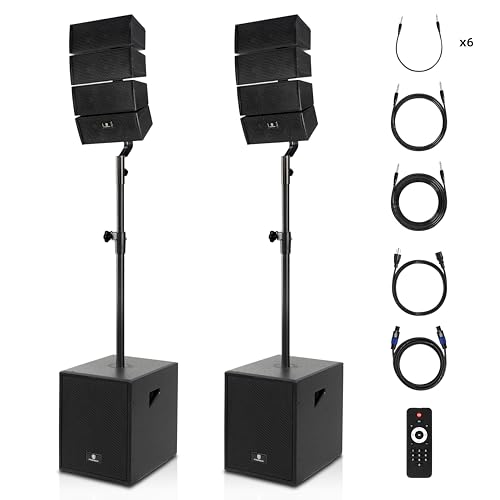
Powered or Passive
Powered speakers have an amplifier built in, so you only need a source and a power cord. Passive speakers need a separate amplifier and speaker cables, which gives you freedom to choose or upgrade the amplifier but adds more equipment and more places for errors.
For newcomers and for anyone who wants a quick setup, powered speakers are easier. For installations with a rack amplifier, or for people who already own an amplifier, passive speakers are an economical choice.
Combo Sets and Bundles
Some listings sell a pair of speakers with stands, cables and a microphone as a set. These are convenient for a beginner who needs everything in one box. Check that the speakers are the main value of the set, since weak speakers with many accessories are a poor deal. Consider buying speakers separately if you want better stands and cables later.
How to Choose the Best 12 Inch PA Speakers
Power Ratings in Perspective
Ratings given as peak or program watts are generous. RMS figures and the maximum sound pressure level are more useful. A speaker with moderate RMS power and an efficient design can be louder than a cabinet with a bigger wattage claim.
Driver and Horn Quality
The woofer handles low and mid frequencies, and a horn-loaded driver handles highs. A quality compression driver gives vocals clarity and reach. Cheaper designs use a piezo or simple tweeter that sounds harsher at high volume.
Cabinet Construction
Plywood cabinets are strong and sound solid. Molded plastic is lighter and resists weather, which suits mobile use. Check handles, corner protection and the grille.
Inputs and Processing
Powered models need XLR and line inputs and sometimes a built-in mixer. Passive models need speaker connectors such as speakon jacks, which are safer than bare terminals.
Mounting and Stage Use
Look for a pole socket to put the speaker on a stand, and angled sides for monitor use. For permanent installation, check for rigging points.
Sensitivity and Impedance for Passive Models
Passive speakers list sensitivity in decibels and impedance in ohms. Match the impedance to your amplifier's rating and choose an amplifier with enough power to drive the speakers cleanly. A higher sensitivity means the speaker is louder for a given amplifier power.
Which Type Suits Which Job
- Wedding DJ or party: powered speakers on stands, plus a subwoofer for dance music.
- Acoustic duo: a pair of powered speakers with a built-in mixer.
- Church or classroom: a pair of passive speakers on a simple amplifier or a powered pair with a microphone input.
- Fixed installation in a club: passive speakers with a rack amplifier and a processor.
- Karaoke night: a powered speaker with microphone inputs.
Coverage and Placement
Raise the speakers above the audience and aim them at the back rows, not the ceiling. Keep them in front of microphones to avoid feedback. In a long room, add a second pair or fill speakers closer to the back. Avoid placing speakers in corners unless you want extra bass.
Cables and Accessories
Use quality balanced cables for microphones and signals, speakon cables for passive speakers and heavy-gauge cables for long runs. A stand with a safe maximum load and a locking pin is safer than a flimsy tripod. A carrying cover protects the finish and the grille.
Building a System Over Time
Many people start with a pair of speakers and a small mixer, then add a subwoofer, better microphones and stands as they play more gigs. Plan for growth by choosing speakers with link outputs and standard connectors. Keep a short list of what you wish you had after each event, and buy the item that appears most often. That habit leads to a better system than buying everything at once.
Transport and Loading
Speakers are heavy and awkward, so plan the load. Use covers, keep the speakers upright in the vehicle and tie them down. A hand truck saves your back on long walks.
Lift with your legs and ask for help with larger cabinets. Check the handles before each trip, because a loose handle is a common failure and a risk to your feet.
Keeping Your Speakers Safe
Do not push amplifiers into clipping, which damages drivers. Use limiters if your gear has them. Turn off the system in the right order: amplifiers last on and first off. Keep drinks away and protect speakers from rain.
Understanding Impedance and Cable Choices
For passive speakers, the amplifier must be able to drive the combined impedance of the speakers you connect. Two speakers wired in parallel present half the impedance of one, and many amplifiers have a minimum load. Check the amplifier rating before you connect a second speaker. Use proper speaker cable, not guitar cable, which is too thin and can overheat or reduce power.
12 Inch PA Speakers: Your Questions Answered
Are powered speakers louder than passive?
Not by themselves. Loudness depends on the amplifier power, the speaker efficiency and the design. Powered models make the match easy.
Can I mix brands?
Yes, as long as the impedance and the connectors match, and the amplifier suits the speakers.
How high should I place the speakers?
Above head height, aimed at the audience, which gives more even coverage and reduces feedback.
Do I need a subwoofer?
For dance music and drums, a subwoofer helps a lot. For speech and acoustic music, a 12-inch cabinet is enough.
Final Thoughts
Choose the type that fits your gear and your patience. The best 12 inch PA speakers are easy to set up, clear at the back of the room and sturdy enough for loading in and out. Compare the models in the table above and plan stands, cables and a mixer along with them.


