
Best 12 Inch Speakers for Cars: Subwoofers, Enclosures and Fit Explained
Disclosure: We may earn a commission when you buy through links on this page, at no extra cost to you. As an Amazon Associate I earn from qualifying purchases. Learn more

Best 12 inch speakers for cars are really subwoofers: here is how to match power, enclosure and trunk space to your system.
A 12 inch driver is too large to sit in a door, so the best 12 inch speakers for cars are low-frequency drivers that live in the trunk, under a seat or behind a bench. They add the weight and depth that small door speakers cannot reproduce, and they take the bass load off the rest of the system so vocals stay clean.
This guide explains what a 12 inch car speaker actually is, how power and impedance numbers fit together, and how enclosure choice changes the sound. The product table above lists complete options, from single drivers to boxed and powered packages.


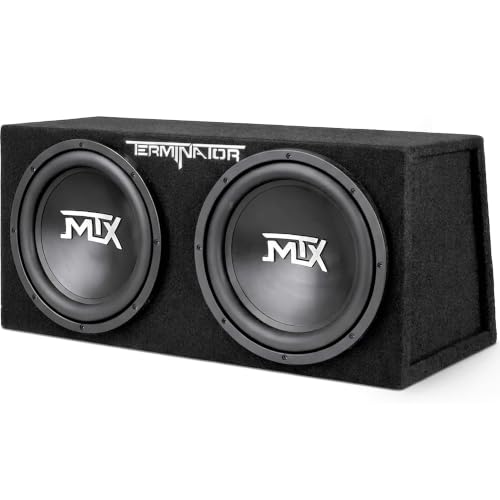


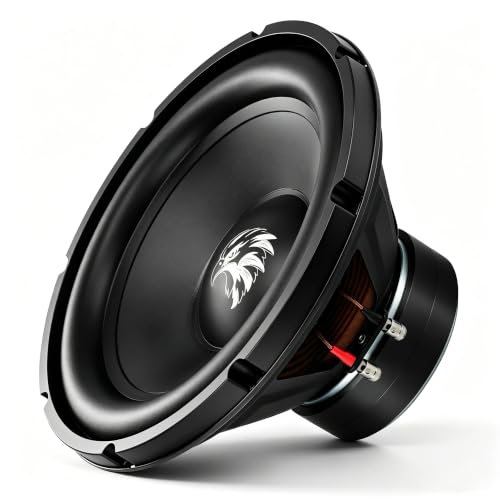

What a 12 Inch Car Speaker Really Does
Almost every 12 inch speaker sold for vehicles is a subwoofer. The cone is big enough to move a lot of air at low frequencies, which is the job door speakers handle poorly. Pair one with your existing speakers and the whole system sounds fuller, even at modest volume.
Compare that with smaller drivers: a 6 inch car speaker or a 4 inch car speaker handles mids and highs, and a 12 inch unit handles the floor-shaking part. They are partners, not substitutes.
Bare Driver, Loaded Enclosure or Powered Unit
The three formats suit different buyers. A bare driver is the cheapest way in, but you must buy or build a box and supply an amplifier. A loaded enclosure arrives with the driver already mounted in a tuned box, so you only add an amplifier and wiring. A powered unit has the amplifier built in and is the easiest to fit.
- Bare driver: best if you already know your enclosure volume and own an amplifier.
- Loaded box: the safest choice for a first install, because the box matches the driver.
- Powered unit: plug-and-play, often compact enough for under-seat mounting.
- Dual 12 packages: louder and heavier, and they claim most of a small trunk.
Power, Impedance and Wiring
Look for the continuous (RMS) rating rather than the peak figure printed in large type. Peak numbers describe a burst; RMS describes what the driver handles all day. Your amplifier should deliver close to the driver's RMS rating at the impedance you plan to wire it to.
Impedance is the other half. Single voice coil drivers are simple to wire, while dual voice coil drivers give you more ways to reach the load your amplifier prefers. If you are unsure, choose a single 4 ohm driver and a matching amplifier, then upgrade later. A proper wiring kit with correctly sized power cable matters as much as the driver, so check what the listing includes.
Enclosure Type and Trunk Space
Sealed boxes sound tight and controlled, which suits rock and fast music. Ported boxes are louder at their tuned frequency and suit hip-hop and electronic music, but they are larger. Shallow-mount and under-seat designs trade some output for the ability to keep your trunk usable.
Measure the space before you order. A 12 inch driver needs a box deeper than the cone is wide, and the whole thing weighs more than it looks. Check that the box clears your seat folding mechanism, cargo cover and spare tire well, and confirm the mounting depth listed for the driver.
Choosing the Best 12 Inch Speakers for Cars by Music and Vehicle
Think about what you play most. Listeners who favor acoustic music, podcasts and classic rock want accuracy, so a sealed enclosure with a well-controlled driver gives the cleanest result. Listeners who play bass-heavy genres usually prefer a ported box or a dual setup that can move more air.
Your vehicle matters just as much. Hatchbacks and SUVs have large open cargo areas, which soak up low frequencies and reward bigger or ported enclosures. A sedan trunk is a smaller sealed space and often sounds punchy with a single driver. Pickup trucks have very little free space, which is why under-seat powered units are popular there.
Budget and Value
Entry-level drivers cost little, but they usually need a box and an amplifier on top, so total cost climbs quickly. A complete package with box, amplifier and wiring often costs less than buying the same parts separately, and it removes the guesswork about matching.
Spend extra where it counts: a quality amplifier, thick power cable and a solid box improve sound more than a slightly pricier driver. Skip packages that advertise huge peak wattage with no continuous rating, because those numbers rarely reflect real output.
Fitting and Day-to-Day Use
Secure the box with straps or a cargo anchor, because a loose enclosure becomes a hazard in a hard stop. Run power cable away from signal cable to avoid whine, add an inline fuse near the battery, and ground the amplifier to bare metal. If you are not comfortable with car wiring, a shop install costs far less than a burned harness.
Set the amplifier gain by ear with the bass boost off. Overdriving a 12 inch speaker is the fastest way to ruin it, and distortion is the sign to turn down.
Frequently Asked Questions
Do 12 inch speakers fit in car doors?
No. Door openings are built for much smaller drivers, so a 12 inch unit belongs in the trunk, under a seat or in a custom enclosure. Treat it as an addition to your door speakers rather than a replacement.
Do I need an amplifier?
Yes, unless you choose a powered unit that includes one. A head unit cannot drive a 12 inch driver properly on its own, and underpowering a driver can damage it just as overpowering can.
Is a bigger driver always louder?
Not automatically. Amplifier power, enclosure design and the car's cabin all affect output, so a well-matched smaller setup can beat a mismatched large one. A good box and clean power usually matter more than extra cone size.
Sealed or ported?
Sealed for accuracy and a small footprint, ported for more volume at lower frequencies and more space needed.
Can I run two 12 inch drivers?
Yes, if your amplifier supports the combined impedance and your trunk has room. Check the amplifier's rated load before wiring, and remember that two drivers add weight and cost as well as volume.
Wrapping Up
Pick the format first (driver, boxed or powered), then match amplifier power to the driver's continuous rating and measure your trunk. The best 12 inch speakers for cars are the ones that fit your space, your amplifier and your music, not simply the biggest numbers. Use the product table above to compare complete options side by side.
Prices and availability can change, so check the product page before ordering.


