
Best 144Hz Monitors Under 300 in 2026: A Practical Buyer's Guide
Disclosure: We may earn a commission when you buy through links on this page, at no extra cost to you. As an Amazon Associate I earn from qualifying purchases. Learn more

What to check before choosing the best 144hz monitors under 300: speed, sharpness and build quality worth paying for.
Up to 300 dollars, a 144Hz monitor can be genuinely excellent: fast IPS panels, QHD and even 4K options, and build quality that feels worth the money. The best 144hz monitors under 300 dollars let you pick a strength, such as speed, sharpness or color, instead of settling for compromises.
This guide explains how to choose among those strengths, which features justify the extra spending and where more money stops helping. The product table above lists in-stock models.


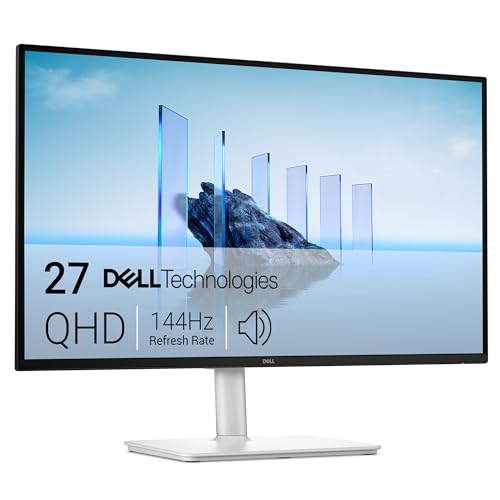
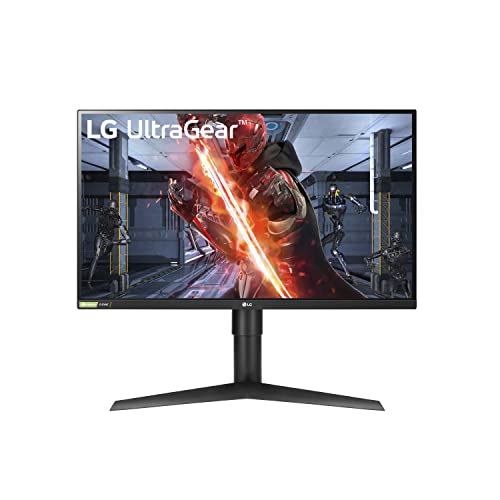


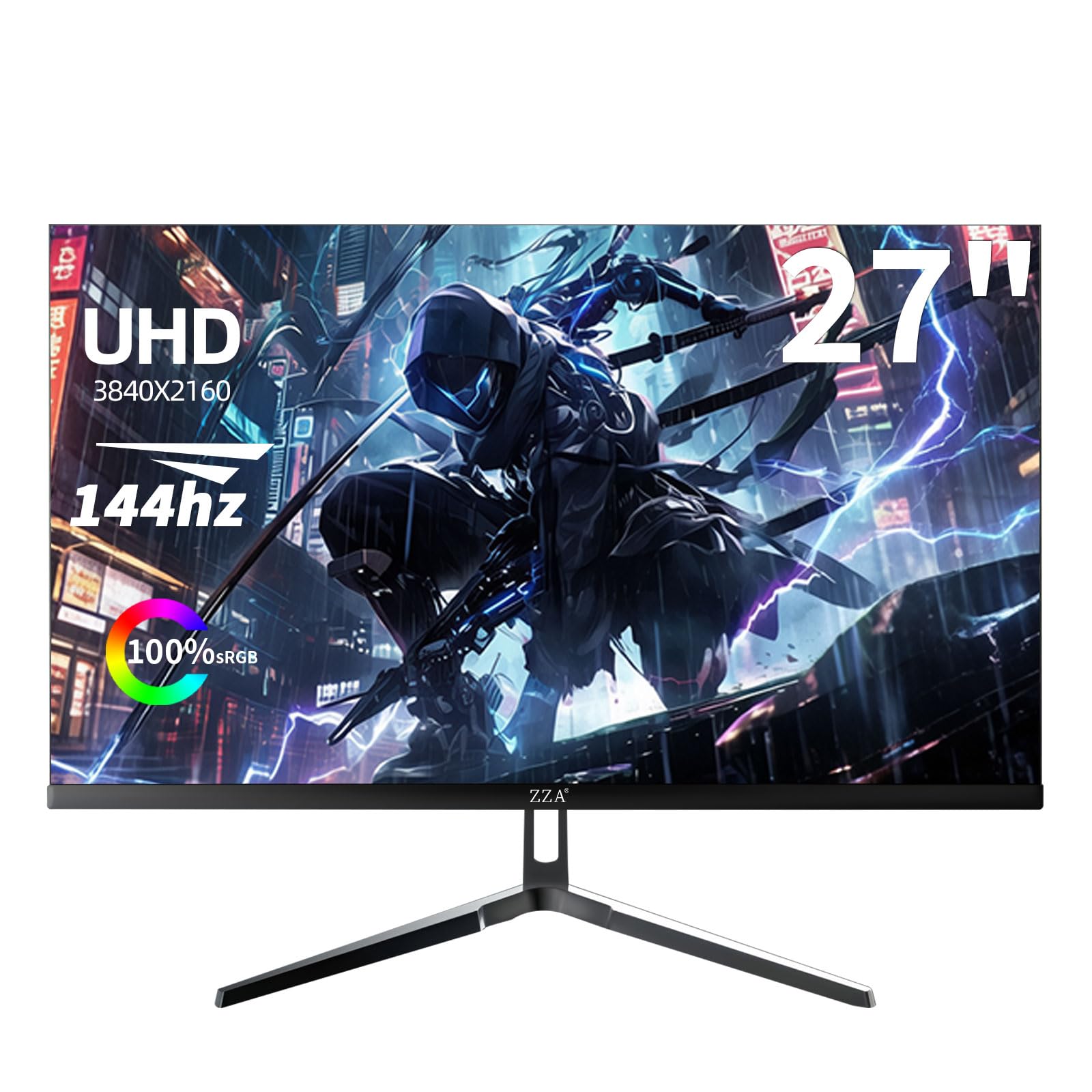

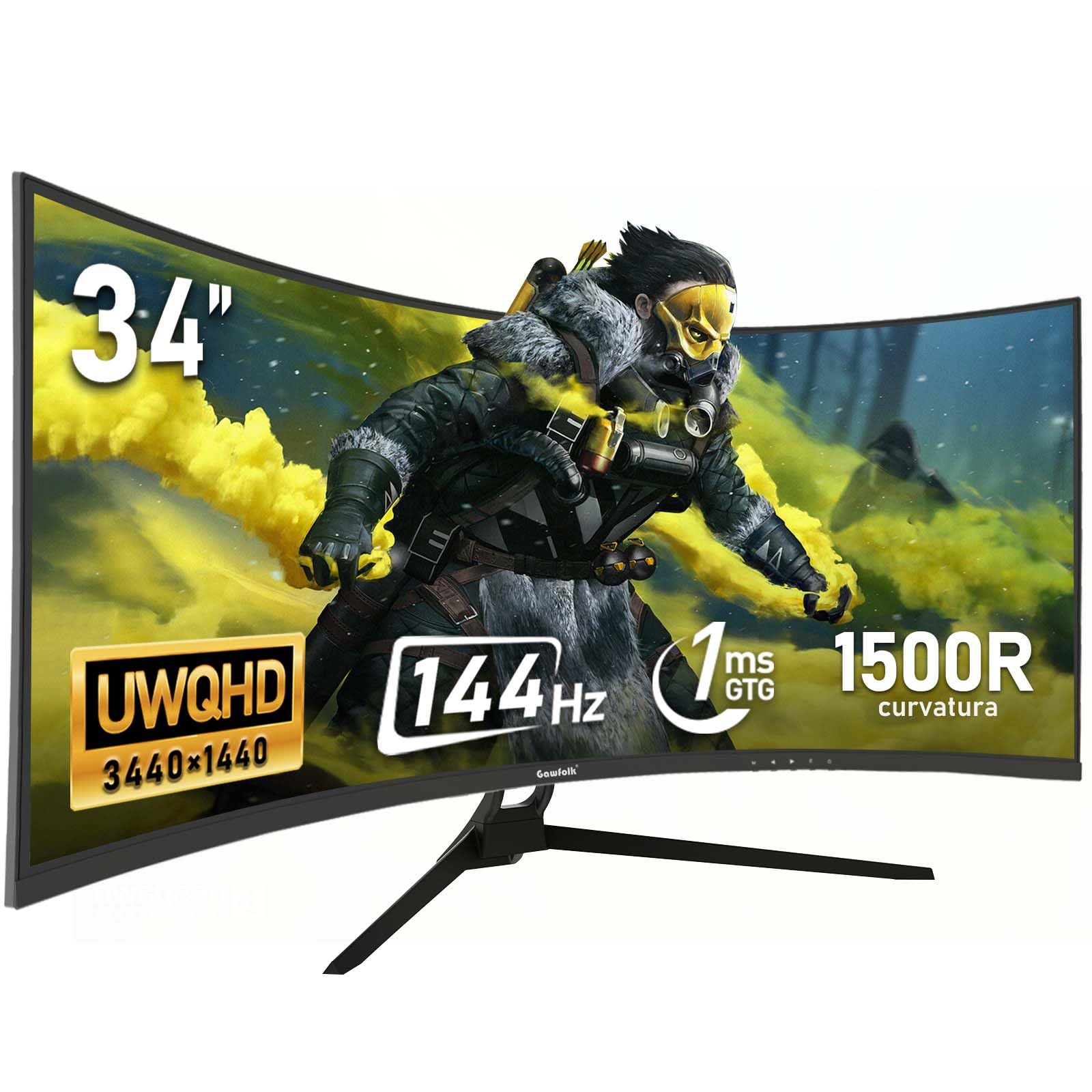
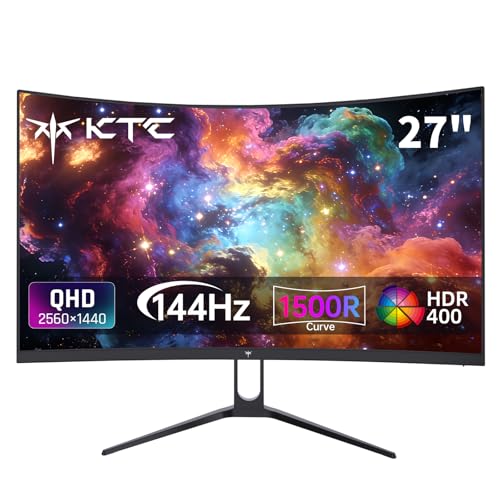
What 300 Dollars Buys
You can expect QHD at 144Hz or above on a good IPS panel, brightness and uniformity better than budget screens, and usually a stand with height adjustment. Some models add USB hubs, USB-C input or wide color coverage, and a few offer 4K at 144Hz with modest hardware demands.
Build quality is also better, with firmer stands, tidier menus and more reliable quality control. These touches are not exciting on a feature list but they shape daily comfort.
Gaming Versus Creative Priorities
Competitive players should look for fast panels with well-tuned overdrive and a refresh rate at or above 144Hz. Creators should look for wide color coverage and factory calibration, accepting that these panels may focus less on speed. A good fast IPS panel covers a bit of both for general use.
Decide which matters more before comparing models, because specialist screens in this range aim at one group or the other.
Resolution Choices: QHD or 4K
QHD at 144Hz is the best balance for most systems. 4K at this price usually means a 27 inch panel with strong sharpness but heavier demands on the graphics card. If you edit images or use a lot of text, 4K is pleasant to read, but it needs scaling to be comfortable.
Match the resolution to your hardware. A mid-range card does well at QHD, while 4K needs a stronger one for modern games.
Panel Technology and HDR
Fast IPS panels dominate and give strong colors and speed. Some models add local dimming or Mini LED backlights for better contrast, though budget examples may show blooming. HDR labels at this price vary widely, so rely on buyer descriptions rather than the badge.
If HDR is important, put money toward a panel with real local dimming. Otherwise treat it as a nice extra.
Size, Curve and Desk Fit
A 27 inch flat panel is the dependable default. A 32 inch curved screen suits immersive games and a deeper desk. Ultrawide models add width and a cinematic field of view. Check that your desk can handle the stand and that you can sit at a sensible distance.
Bigger is not always better. A larger screen needs more distance to see comfortably, and a smaller one may look sharper.
Connectivity for a Modern Desk
- DisplayPort and HDMI for PC and console.
- USB-C with power delivery for a one-cable laptop setup.
- A USB hub so peripherals connect to the monitor.
- Height, tilt and swivel adjustment, or VESA holes.
These are the details that make a monitor feel premium without changing the panel itself.
Comparing Two Strong Candidates
When two monitors look equal, compare the warranty, return window and the weakest points reported by buyers. Backlight bleed, stand wobble and firmware quirks matter more over years than a small difference in response time.
If one model has a higher refresh rate and the other has a better stand and warranty, ask which matters more for how you use the screen. For many buyers, the sturdier build wins.
How the Pros and Cons Balance Out
The main advantage of spending near 300 dollars is consistency: fewer defects, better panels and a stand that holds the screen steady. The main downside is that returns diminish quickly. Beyond this point, extra money often buys a bigger panel or a higher refresh rate rather than a clear improvement in daily comfort.
That is why this budget is a sweet spot for many buyers. It delivers most of the quality of premium models without the premium price.
Setup Steps for the Best Picture and Motion
Connect with DisplayPort, then set the refresh rate and enable adaptive sync in the monitor and driver. Choose a neutral preset, set brightness for your room and, if the model has an overdrive control, step through the levels while watching a moving object on a dark background. Stop at the level where trails disappear.
If you use the screen for creative work, run the calibration or sRGB mode that many monitors include, and consider a hardware calibrator for critical tasks.
When to Stretch Beyond This Budget
If you want OLED, strong HDR with many dimming zones or a very high refresh rate with premium build, you will need to spend more. If you edit professionally, a dedicated color-managed monitor is also worth the step up. For everyone else, a good model in this range remains the smarter purchase.
Mistakes to Avoid in This Price Range
Buyers at this level sometimes assume that a higher price always means a better panel and skip the buyer feedback. Two monitors at similar prices can differ a lot in uniformity and quality control, so read the comments. Another mistake is paying for features that your setup cannot use, such as a very high refresh rate on a modest graphics card.
Finally, avoid ignoring the cable and port. A fast screen on the wrong port will run at a lower rate, and many people go months without noticing.
You may also find our guides to best monitors under 300 and best pc monitors under 300 useful.
Frequently Asked Questions
Is QHD or 4K better at 300 dollars?
QHD suits most systems. 4K is sharper but demands more from your graphics card.
Do I need HDR?
Not at this price. HDR on most screens here is modest, so treat it as a bonus.
Which is better, 144Hz or 240Hz?
240Hz helps competitive players with powerful hardware. For most, 144Hz to 180Hz is plenty.
Should I choose an ultrawide?
If you enjoy racing and open-world games or need extra workspace, yes.
Final Thoughts on the Best 144hz Monitors under 300
The best 144hz monitors under 300 dollars reward you with excellent panels and sturdier builds. Decide whether speed, sharpness or color comes first, and use the table above to compare current prices. Prices and availability can change, so check the product page before ordering.


