
Best 1600W Power Supply in 2026: High Wattage Guide
Disclosure: We may earn a commission when you buy through links on this page, at no extra cost to you. As an Amazon Associate I earn from qualifying purchases. Learn more

Who needs the best 1600W power supply, how to read efficiency ratings, cables and connectors, and what your wall outlet can safely supply.
A 1600 watt power supply is a specialized part, built for workstations with several graphics cards, heavily overclocked processors and mining or rendering rigs that run flat out for hours. Most gaming PCs do not need anything close to it. If you do, this guide explains how to choose the best 1600W power supply without being fooled by the wattage number alone.
The product table lists units from several makers and efficiency tiers. Read the sections below before you compare, because wiring, connectors and your wall outlet matter as much as the label on the box.


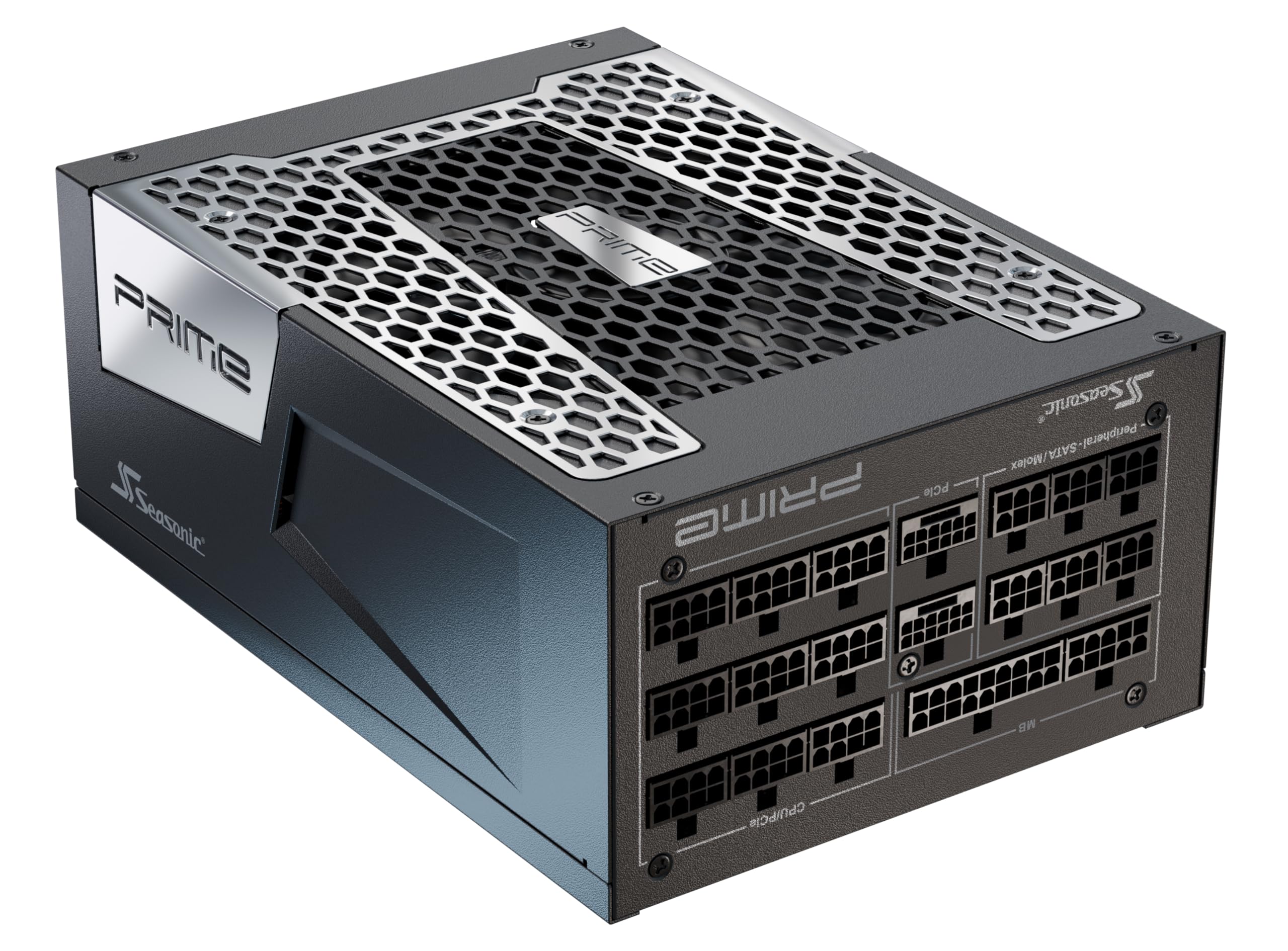


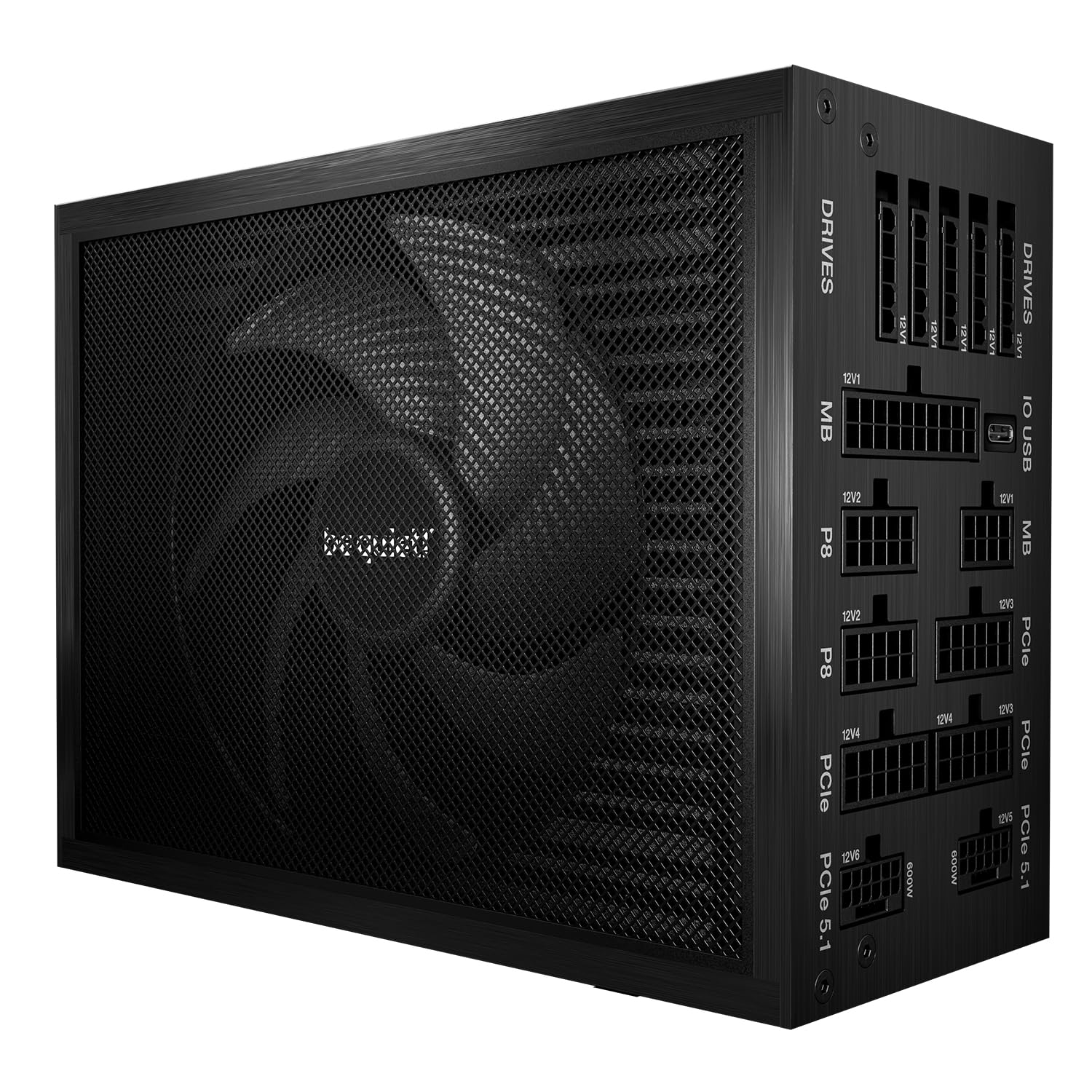
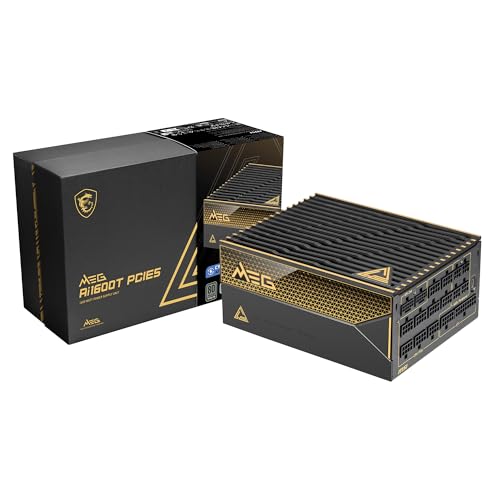
Who Really Needs 1600 Watts
A single high end graphics card and a powerful processor can be served by a power supply well below this size. A 1600 watt unit makes sense for dual graphics card systems, multi GPU compute and rendering, large workstations with many drives and PCIe cards, and extreme overclocking where power draw spikes. If your build is only a gaming PC, buying more wattage than you need wastes money and may reduce efficiency at light loads.
Add up the maximum power of your components, then leave headroom. Many experts suggest a total under load at around half to 70 percent of the rating for best efficiency and low noise. Our guides to 850W power supplies and the general best power supply list cover smaller needs.
Efficiency Ratings Explained
The 80 Plus program rates how much of the wall power becomes usable output. Higher tiers such as Gold, Platinum and Titanium waste less energy as heat and run cooler. At 1600 watts the difference is meaningful, because a few percent of efficiency is tens of watts of heat. Titanium units are the most efficient, and they usually cost more. See our comparison of Gold and Platinum power supplies.
Efficiency also affects noise, since a cooler unit can use a slower fan. Many high wattage power supplies use a fan that does not spin at low loads, which makes the system silent at idle.
Connectors and Cable Types
Count the connectors you need. Multiple graphics cards require many PCIe power cables, and newer graphics cards use a 12 volt high power connector that needs a proper cable or adapter from the unit. Check that the power supply includes the connector standard your cards use, and that cable lengths reach in your case.
Fully modular units let you attach only the cables you need, which keeps the case tidy and improves airflow. Semi modular and fixed cable units cost less but leave extra cables to hide. For large builds, modular cables are worth the extra cost.
Your Wall Outlet and Circuit
A 1600 watt supply at full load can draw more power than a standard household circuit is meant to carry for long periods. In regions with 120 volt outlets, the unit may need a dedicated circuit, and some units reduce their output on 120 volts. In regions with 230 volt power, the full wattage is easier to deliver. Check the manufacturer's notes about input voltage and the label on the unit.
Use a good power cable and avoid cheap extension cords or power strips. If you are unsure, ask an electrician about the circuit in the room where the PC will sit.
Protections, Warranty and Build Quality
A power supply feeds every part of your computer, so protections matter. Look for over voltage, over current, short circuit, over temperature and over power protection. A long warranty, often ten years on premium units, is a sign of confidence. Brands with good reputations usually publish detailed specifications and use quality components such as Japanese capacitors.
Size is another point. Some 1600 watt units are longer than a standard power supply, so check your case clearance. Also check the fan size and noise ratings, because a unit that sounds like a jet engine at load will spoil a quiet room.
Heat, Fans and Placement in the Case
A 1600 watt unit moves a lot of power, and even an efficient one produces heat. Check the case layout: a power supply that draws air from the bottom needs a vented floor and a clear path for hot air to leave the case. In a shroud with limited ventilation, a large unit can run hot and loud. Mount the fan facing the vent if your case has one, and keep dust filters clean.
Fan behavior is worth a look in reviews. Many premium units use a hybrid mode where the fan stays off at light loads, then ramps up smoothly as the load grows. Good fan curves keep noise low during normal use and avoid sudden bursts. If you plan to run a heavy workload for hours, pay attention to the temperature rating, since some units are rated for operation at higher ambient temperatures than others.
Future Proofing and Upgrades
Buying a big power supply now can make sense if you plan to add graphics cards later, since it avoids replacing the unit. Make sure the connectors you need will still be available: new graphics cards continue to use updated power standards, and a unit that supports the current standard natively is better than one that needs an adapter. Check whether the maker offers cable kits or replacements if standards change.
A quality power supply can outlast several generations of other parts. When you upgrade, keep the original cables with the unit, and do not mix cables from different models, because pin layouts can differ even when plugs look the same. Using the wrong cable can damage components, so always use the set that came with your specific unit.
Frequently Asked Questions
Is a 1600W power supply overkill?
For most gaming PCs, yes. It is useful for multi GPU, workstation or extreme overclocking setups.
Does a bigger power supply use more electricity?
No. The system draws only what it needs, though efficiency can be lower at very light loads on a large unit.
Can I run a 1600W power supply on a normal outlet?
It depends on your region and circuit. A dedicated circuit is often advised, and some units limit output on lower voltage.
What efficiency rating should I choose?
Platinum or Titanium units run coolest and quietest, and Gold is a good value if the budget is tight.
Final Thoughts
The best 1600W power supply pairs high efficiency with the right connectors, solid protections and a wall outlet that can supply it. Add up your components first, choose a modular unit for tidy cabling and compare ratings and warranties in the product table. If your needs are lower, a smaller unit will serve you better and cost less.


