
Best Bone Conduction Headsets Made Simple: A Clear Buying Guide
Disclosure: We may earn a commission when you buy through links on this page, at no extra cost to you. As an Amazon Associate I earn from qualifying purchases. Learn more

A plain English guide to the best bone conduction headsets: how they work, key specs, uses, mistakes and setup.
Bone conduction headsets sit in front of your ears instead of in or over them, sending sound through gentle vibrations on your cheekbones while leaving your ear canals open. That design lets runners, cyclists and walkers hear traffic, coworkers hear you in the office and people who dislike earbuds listen comfortably for hours. The best bone conduction headsets balance clear sound, a secure lightweight fit, a good microphone for calls and enough battery life for your longest workouts or workdays.
This plain English guide covers the basics, explains each key spec, matches headsets to different uses and walks through setup. Compare current models in the product table above.


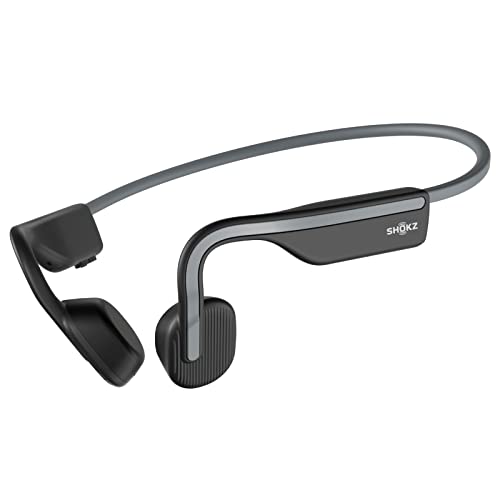

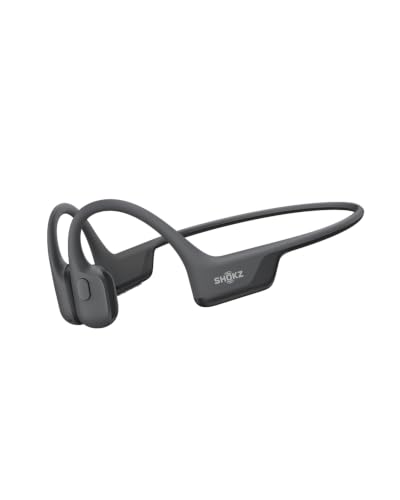
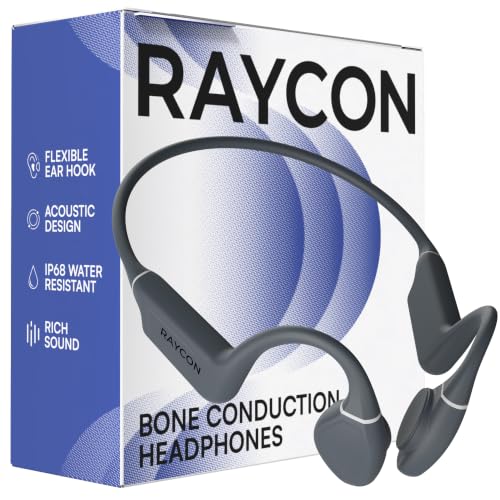
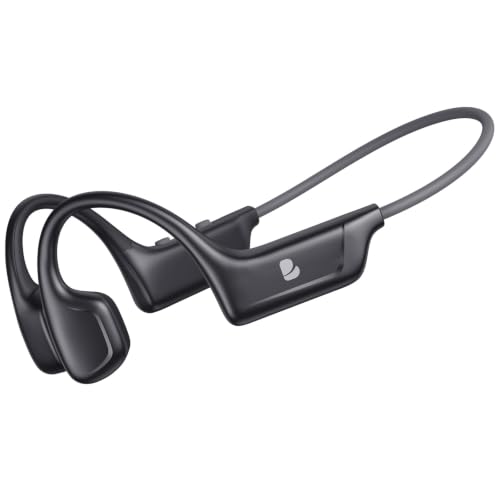
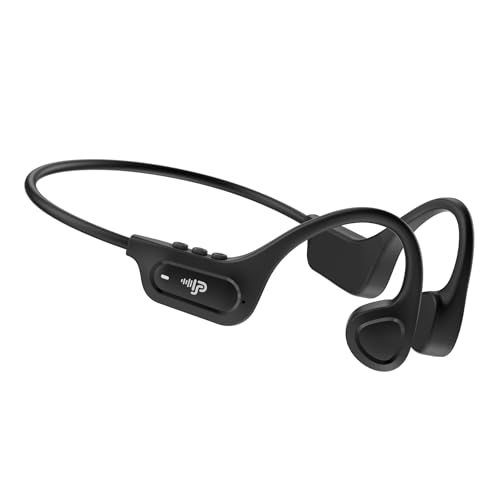

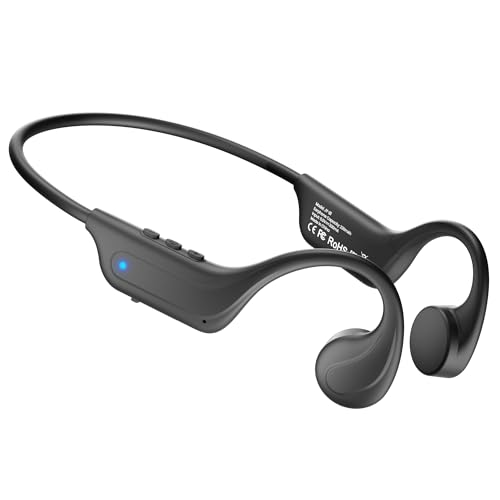
Bone Conduction Headsets 101: The Basics
Bone conduction headsets use small transducers that rest on your cheekbones just in front of your ears. They vibrate to carry sound through the bones of your skull to your inner ear, bypassing the eardrum. Because nothing blocks your ear canal, you can hear the world around you while listening to music, podcasts or calls.
Most bone conduction headsets are wireless Bluetooth models with a band that wraps behind your head. Many are sweat and water resistant for sports, and some are fully waterproof with onboard storage for swimming. Brands such as SHOKZ popularized the category, and many newer brands now offer budget alternatives.
The trade off is sound quality: bone conduction delivers clear mids and vocals but less deep bass than good earbuds, and some sound leaks at high volume. For situational awareness and comfort, though, nothing else feels quite the same.
Key Specs Explained in Plain English
These are the specs that make the biggest difference in bone conduction headsets.
Sound Quality and Tuning
Bone conduction sound is best for voices, podcasts, audiobooks and moderate music listening. Premium models use improved transducers and tuning to add more bass and reduce vibration tickle at high volumes. EQ presets in companion apps can boost bass or vocals. Expect less bass and isolation than in ear headphones, and use the included earplugs on some models when you want fuller sound in quiet settings.
Connectivity: Bluetooth Version, Codecs and Wired
Bluetooth 5.x versions provide stable connections and better battery efficiency. Multipoint pairing lets you connect to a phone and laptop at once. Most bone conduction headsets use standard SBC or AAC codecs; advanced codecs matter less here because the listening style is not focused on audiophile detail. Swimming models with built in MP3 storage work without Bluetooth underwater.
Fit, Comfort and Weight
Most headsets weigh around 25 to 35 grams. A titanium or flexible band holds the transducers gently against your cheekbones without pressing hard. Mini or adjustable sizes suit smaller heads. Check that the band does not touch your collar or the back of a bike helmet in a way that pushes it off.
Microphone Quality
Dual noise canceling microphones help callers hear you over wind and traffic. Because your ears remain open, you also hear your own voice naturally during calls, which many people find more comfortable than in ear headsets.
Water Resistance and IP Ratings
IP55 to IP67 ratings handle sweat, rain and splashes. Swimming requires IP68 rated headsets designed for submersion, usually with onboard storage because Bluetooth does not travel well through water.
Battery Life and Charging
Battery life typically ranges from about 6 to 12 hours of listening. Quick charging gives an hour or more of playback from a few minutes of charging. Proprietary magnetic chargers keep headsets water resistant, while USB-C ports are more convenient but may reduce waterproofing.
Ecosystem and App Features
Companion apps from major brands offer EQ modes, firmware updates, multipoint management and button customization. Simple models skip apps entirely and work with basic controls.
Picking the Right Bone Conduction Headsets for Different Uses
Different activities call for different headsets.
Best Affordable Bone Conduction Headsets: Tips for First Time Buyers
If you are trying bone conduction for the first time, an affordable model in the $50 to $80 range shows whether you like the open ear experience. Look for Bluetooth 5.x, IP55 or better sweat resistance, at least 6 hours of battery life and a lightweight band. If you love it, step up to premium models for better bass, microphones and battery.
Best for Running and Cycling
Runners and cyclists should choose lightweight models with secure fit, IP55 or higher sweat resistance and easy buttons. Open ears let you hear traffic, other riders and race marshals. Always follow local laws and race rules about headphone use while cycling.
Best for Swimming
Swimmers need IP68 waterproof bone conduction headsets with onboard storage for music, since Bluetooth does not work underwater. Use the included earplugs for better sound in the pool.
Best for Office and Calls
For work calls, choose models with dual noise canceling microphones, multipoint pairing to switch between phone and laptop and comfortable all day fit. Open ears let you hear coworkers and stay aware of your surroundings.
Best for People Who Dislike Earbuds
Bone conduction headsets avoid pressure inside the ear canal, which suits people who find earbuds uncomfortable or who want to keep their ears open for longer sessions.
Bone Conduction vs Open Ear Air Conduction vs Earbuds
Bone conduction headsets transmit sound through your cheekbones, open ear air conduction headphones use small speakers aimed at your ear canal and earbuds sit inside your ear. Bone conduction offers the most open feel and works well with earplugs for swimming. Open ear air conduction models often deliver fuller sound with similar awareness but can leak more sound. Earbuds offer the best sound quality and noise isolation but block your surroundings. Choose based on whether awareness or sound quality matters more for your activity.
Using Bone Conduction Headsets Safely Outdoors
Open ears help you stay aware, but they do not replace attention. The best bone conduction headsets still need sensible habits outdoors.
- Keep volume low enough to hear cars, bikes, dogs and people calling out behind you.
- Use one ear awareness cues such as checking over your shoulder before crossing paths or changing lanes.
- Follow local laws and race rules; some areas restrict headphone use while cycling or driving.
- Pause audio in busy intersections, crowded trails and anywhere you need full attention, such as crossing train tracks.
- Wear bright clothing and lights at dawn and dusk, since audio awareness is not a substitute for being seen by drivers.
Bone Conduction and Hearing Differences
Because bone conduction bypasses the outer and middle ear, some people with certain types of conductive hearing loss find these headsets easier to hear. Others with different hearing conditions may not notice a benefit. Bone conduction headsets are consumer audio products, not hearing aids, so talk with an audiologist about devices designed for your specific hearing needs.
Common Bone Conduction Headset Problems and Fixes
- Tickling vibration at high volume: lower the volume or switch to an EQ mode with less bass.
- Weak sound: adjust the transducers so they rest just in front of your ears on the cheekbones, and try the included earplugs in noisy places.
- Headset slips during runs: try a smaller size, a sports band adjuster or tuck the band under a cap.
- Bluetooth dropouts: keep your phone on the same side of your body as the headset's antenna, update firmware and turn off unused Bluetooth devices.
- Won't charge: dry the charging contacts completely and clean them with a soft cloth before connecting the charger.
Accessories Worth Having
- Spare charging cable for proprietary magnetic chargers, which are easy to misplace when traveling.
- Foam earplugs to boost bass and block noise when awareness is not needed, such as on planes or loud commutes.
- Protective case for travel and gym bags, which keeps the flexible band from being bent or crushed.
- USB wall adapter so you can charge at the gym or office without a computer.
- Swim cap or goggles strap clips to keep swim models secure in the pool during flip turns.
What to Expect in Your First Week
Bone conduction feels different from any other headphone, so give yourself a few days to adjust. On day one, the light vibration on your cheekbones can feel strange, especially at higher volumes; keep the volume moderate. Within a few sessions, most people stop noticing the vibration and appreciate hearing the world around them. Experiment with transducer placement, since moving them slightly forward or back changes bass and clarity. Try different EQ modes in the app for music versus podcasts, and try the earplugs on a noisy commute to hear how much fuller the sound becomes.
Who Should Skip Bone Conduction
Bone conduction is not for everyone. If you want deep bass, noise cancellation for flights or the best possible music detail, in ear or over ear headphones with active noise cancellation are a better fit. People who mostly listen in very loud environments, like subways or airplanes, may struggle to hear bone conduction without earplugs. And if you rarely exercise outdoors or need awareness, standard earbuds may offer more value for the money.
Bone Conduction Headset Price Tiers
- Under $60: budget headsets with basic sound, decent sweat resistance and 6 to 8 hour battery life.
- $60 to $130: established brand models with better microphones, fit and water resistance.
- $130 to $200: premium models with improved bass, multipoint, longer battery life and app features.
- Over $200: specialty swimming and pro models with onboard storage or advanced features.
Rookie Mistakes to Avoid
- Expecting earbud bass: bone conduction emphasizes clarity and awareness over deep bass.
- Buying the wrong size: a loose band shifts during runs; check for mini sizes if you have a smaller head.
- Using non swim models in the pool: only IP68 swim models are designed for submersion.
- Playing too loud: high volume increases vibration and sound leakage and can still affect hearing.
- Ignoring the charger: proprietary chargers are easy to lose; buy a spare if you travel.
- Assuming total awareness: you still need to watch for traffic and stay alert.
Getting Started: Setup and First Use
- Charge fully before first use.
- Put on the headset with the band behind your head and transducers resting just in front of your ears, not on them.
- Pair via Bluetooth by holding the power or multifunction button until pairing mode starts, then select the headset on your phone.
- Install the companion app if available to update firmware and choose an EQ mode.
- Start at moderate volume and adjust; the vibration feels unusual at first and most people adapt within a few sessions.
- Try the earplugs if included, for fuller sound in noisy places when awareness is not needed.
Care and Hearing Health Tips
Wipe the transducers and band with a damp cloth after workouts and let them dry before charging, since sweat on charging contacts can cause problems. Store headsets in their case to avoid bending the band. Keep volume moderate: bone conduction bypasses the eardrum but still delivers sound to the inner ear, so loud listening over long periods can affect hearing just like other headphones.
FAQs
What IP rating do I need for outdoor use?
For running and cycling in sweat and light rain, IP55 or higher is enough. For heavy rain, choose IP67. For swimming, you need an IP68 swim model built for submersion, usually with onboard music storage.
Is ANC worth the extra cost in open ear headsets?
Bone conduction headsets do not offer active noise cancellation for music because they leave your ears open by design. Some models use noise reduction on the microphone for clearer calls, which is worth having for office and outdoor use.
Do I need a special codec?
No. Standard Bluetooth codecs like SBC and AAC are fine for bone conduction, since the listening style focuses on clarity and awareness rather than high resolution audio.
Wired or wireless: which sounds better?
Almost all bone conduction headsets are wireless. Sound quality depends more on transducer design and fit than on the connection, so choose a well reviewed wireless model with a secure fit.
How long does the battery last?
Most bone conduction headsets last about 6 to 12 hours per charge, with quick charge features that add an hour or more of playback from a short top up. Battery capacity slowly declines over a few years of use.
Can people around me hear my music?
At moderate volume, sound leakage is minimal, but at high volume people nearby can hear some sound, especially in quiet places. Lower the volume in offices, libraries and public transit.
Are bone conduction headsets good for glasses wearers?
Many glasses wearers find bone conduction comfortable because the transducers sit in front of the ears and the band rests behind the head. Thin glasses arms usually fit underneath; thicker frames may press slightly, so check fit if possible.
Can I wear bone conduction headsets with a helmet?
Yes, most fit under bike and ski helmets, though the band can press against some helmet designs. Low profile bands and mini sizes help, and the open ear design keeps you aware of traffic.
Do bone conduction headsets work for gaming?
They work for casual and mobile gaming and voice chat, especially if you want to hear people around you. Bluetooth latency and lighter bass make them less suited to competitive PC gaming, where a wired or 2.4 GHz gaming headset performs better.
How long do bone conduction headsets last?
With good care, bone conduction headsets typically last two to four years, with battery capacity being the main limit. Drying them after sweaty workouts and storing them in a case helps them last longer.
Wrapping Up
Bone conduction headsets are the best choice when you want to hear your surroundings while listening, whether you run, ride, swim or work in an office. Try an affordable model first if you are new to bone conduction, and step up to premium models for better sound, microphones and battery life. Choose the right fit and water resistance for your activity, keep volume moderate and the best bone conduction headsets will keep you connected and aware. Compare current models in the product table above.


